
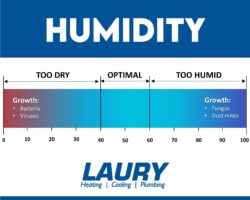
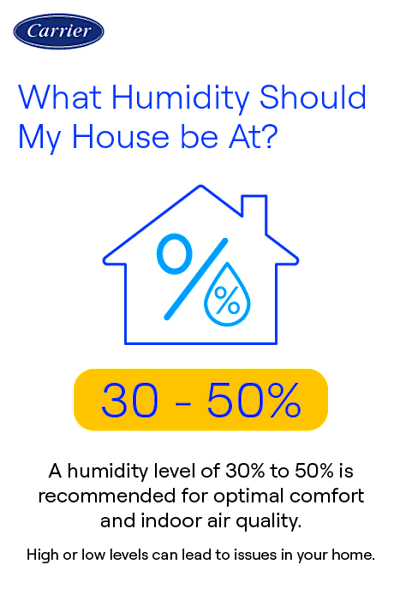
Aim for 40–50% indoor relative humidity year-round; 30–60% is acceptable.
If you’ve ever woken up with dry skin in winter or sticky air in summer, humidity is the likely culprit. In this guide, I’ll share expert tips and real-world tactics to lock in the ideal humidity levels for home. I’ve tuned hundreds of homes, from tiny condos to drafty colonials, and I’ll show you simple steps to boost comfort, protect your health, and guard your home—without guesswork.
What is relative humidity and the ideal range?
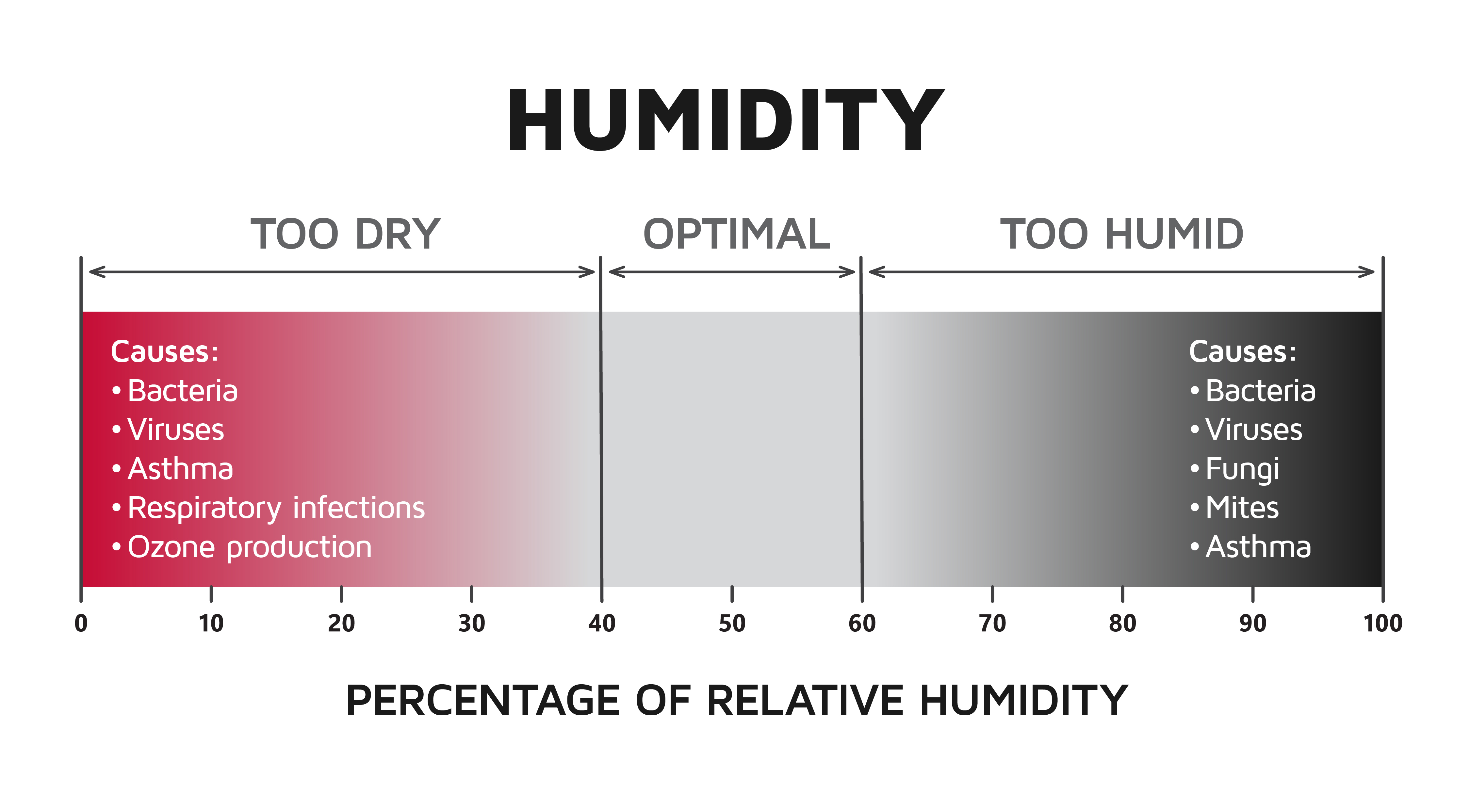
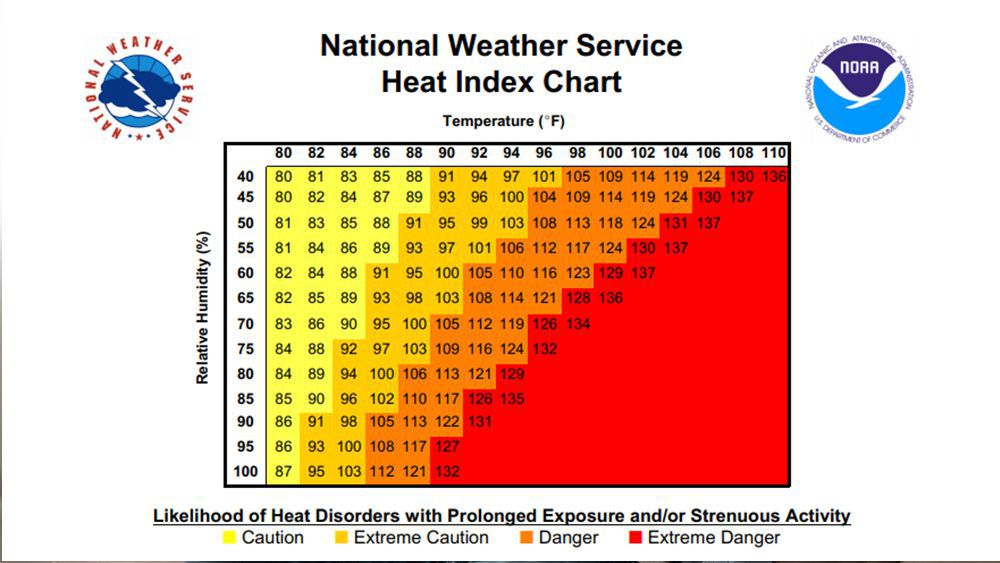
Relative humidity (RH) is the amount of moisture in the air compared to how much it can hold at that temperature. Warm air can hold more moisture than cold air. That is why a 50% reading at 75°F feels very different from 50% at 65°F.
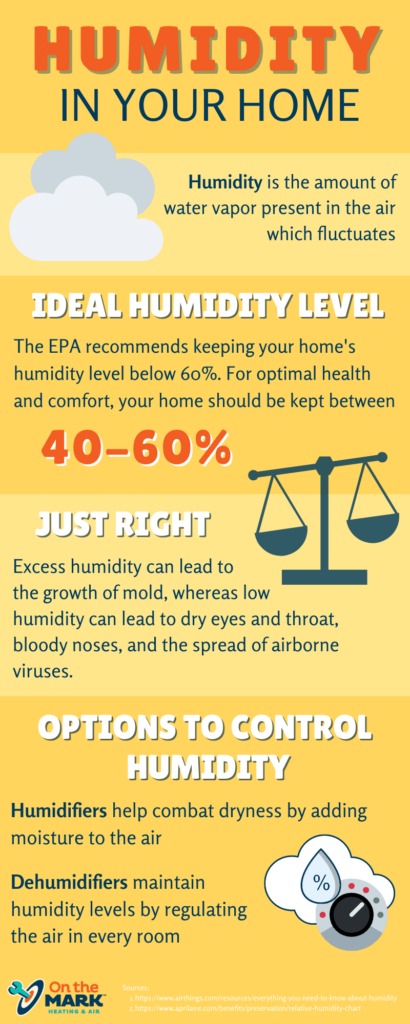
Most homes feel and perform best between 40% and 50% RH. A broader safe range is 30% to 60% RH. Below 30% feels dry. Above 60% invites mold and dust mites. Independent studies from public health groups and building science labs support this range because it balances comfort, health, and building durability.
Here is a simple mental model: think of indoor air like a sponge. In winter, the sponge shrinks, so it holds less water. In summer, it expands, so it holds more. Your job is to keep that sponge neither dripping nor bone-dry. The ideal humidity levels for home live in that sweet spot.
Source: aprilaire.com
Why ideal humidity levels for home matter
Humidity affects more than comfort. It shapes health, energy use, and the condition of your home.
- Health and wellness
- Dry air can irritate eyes, sinuses, and skin.
- High humidity encourages dust mites and mold. These can trigger allergies and asthma.
- Several lab studies show many viruses and bacteria are less stable around 40–60% RH.
- Comfort and sleep
- At the same temperature, higher humidity feels warmer and heavier.
- Balanced humidity helps you sleep deeper and wake up clearer.
- Your home and stuff
- Wood floors and furniture crack when RH stays under 30%, and swell above 60%.
- Condensation on windows signals too much moisture. That can lead to rot.
- Paint, drywall, and finishes last longer in a stable RH range.
I have seen a brand-new floor cup in one humid summer week and a 100-year-old banister split after a dry winter. The ideal humidity levels for home prevent both scenes.
Source: onthemarkhvac.com
Seasonal targets and climate tweaks
You can set one target, then nudge it with the seasons and your climate.
- Winter targets
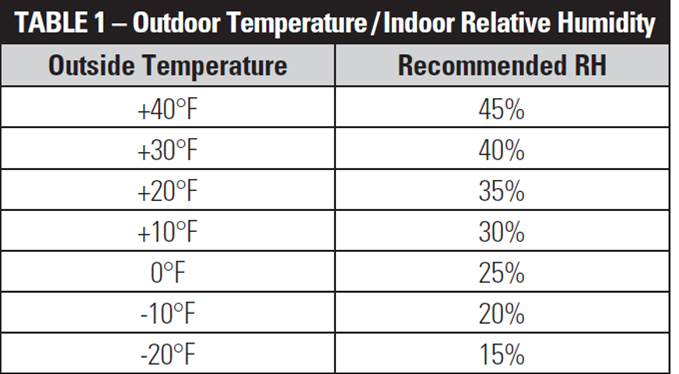
- Aim for 30–40% RH when outdoor temps dip below freezing.
- This helps avoid window condensation and ice at the sills.
- If you still see fogged glass, drop the target by 5% and improve ventilation.
- Summer targets
- Aim for 40–50% RH.
- In very humid regions, staying under 55% is a win on the muggiest days.
- Dry climates
- You may need a humidifier in winter to keep RH above 30%.
- Seal air leaks first. Every crack leaks moisture and raises energy bills.
- Humid climates
- Run bath and kitchen exhaust fans that vent outdoors.
- Keep the AC fan on auto, not on, to avoid re-evaporating moisture from coils.
The ideal humidity levels for home shift a little with weather, but your comfort should not. Adjust setpoints like you adjust your thermostat.
Source: lauryheating.com
How to measure indoor humidity the right way
Good data beats guesswork. A small sensor can change how your home feels.
- Choose a reliable hygrometer
- Buy two low-cost digital sensors and compare.
- If they agree within 2–3% RH, you’re set.
- Avoid relying on smartphone estimates. Many are not accurate indoors.
- Place sensors smartly
- Put one in a main living area, chest height, away from vents or windows.
- Place another in a problem area like a basement or bathroom.
- Check and calibrate
- Use the salt test: a sealed bag with moist table salt should read about 75% RH after 8–12 hours.
- Note any offset and adjust in the app or on the display.
- Log trends
- Smart sensors track RH over time. Look for spikes after showers or cooking.
- Compare weekday vs. weekend patterns to time fans or dehumidifiers.
Once you see the patterns, dialing in the ideal humidity levels for home becomes simple.
Source: totalhomesupply.com
Tools to reach the ideal humidity levels for home
Pick the tool that matches your issue. Start small, then scale up.
- Ventilation
- Run bath fans for 20–30 minutes after showers.
- Use the kitchen range hood every time you cook, especially when boiling.
- Make sure fans vent outside, not into the attic.
- Humidifiers (for dry air)
- Portable units help a single room. Clean weekly to prevent slime and germs.
- Whole-house units work with your HVAC. Use an outdoor sensor if possible to avoid window fog.
- Set a cap at 40–45% RH in winter to protect windows and walls.
- Dehumidifiers (for damp air)
- Size by area and moisture load. A 50–70 pint unit suits many basements.
- Drain to a sink or floor drain so you never skip emptying the bucket.
- Look for Energy Star units to cut power use.
- HVAC settings
- In summer, set AC to 72–76°F if you prefer drier air. Cooler air lowers RH.
- Consider a thermostat with dehumidify mode.
- Keep the fan on auto to let coils wring out moisture.
- Building fixes
- Seal air leaks. Humid outdoor air sneaks in through gaps.
- Insulate cold surfaces to prevent condensation.
- Address bulk water first: gutters, grading, and downspouts.
From my field notes: the biggest wins often come from better fan use plus a right-sized basement dehumidifier. That alone can achieve the ideal humidity levels for home most of the year.
Source: carrier.com
Room-by-room guide to ideal humidity levels for home
Different rooms have different moisture loads. Tune each zone.
- Bedrooms
- Target 40–50% RH for comfort and better sleep.
- Keep doors open if safe. Balanced airflow reduces peaks.
- Nursery
- Stay near 40–45% RH.
- Clean humidifiers often. Babies are more sensitive to microbes.
- Bathroom
- Expect spikes after showers.
- A quiet, high-flow exhaust fan keeps mold at bay.
- Kitchen
- Boiling water drives RH up fast.
- Use the range hood and lid pots when possible.
- Basement
- Aim for 45–50% RH. Basements pull moisture from soil and air.
- A dedicated dehumidifier is usually needed.
- Attic and crawl spaces
- These should be dry and well-ventilated or sealed and conditioned.
- If insulation gets damp, fix airflow and roof leaks first.
Use these room targets to hold the ideal humidity levels for home all day.
Source: galmicheandsons.com
Quick troubleshooting: signs your humidity is off
You can spot problems without instruments. Here is what to watch for.
- Signs of too much humidity
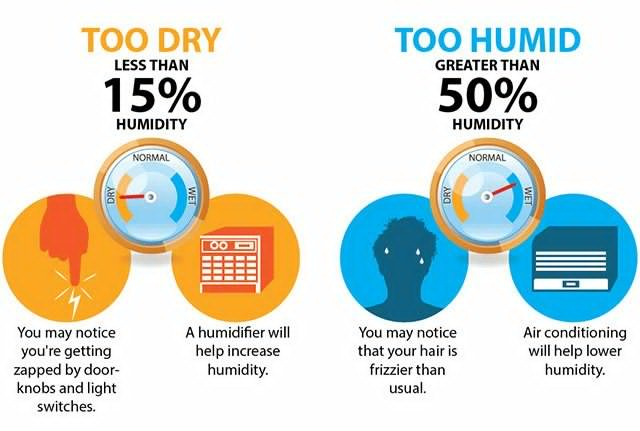
- Musty odors, black spots in corners, foggy windows, clammy sheets.
- Dehumidify, increase exhaust fan use, seal leaks, and lower AC fan run time.
- Signs of too little humidity
- Static shocks, dry throat, cracking wood, plants wilting.
- Add a humidifier, slow exhaust during dry spells, and use lid-on cooking.
- Fast diagnostic steps
- Take three RH readings: morning, afternoon, and evening.
- Note weather and activities.
- Tackle the biggest spikes first.
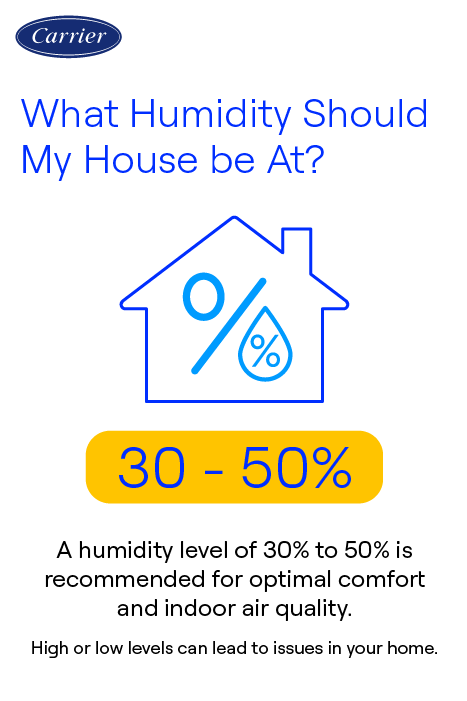
Once these signals fade, you are near the ideal humidity levels for home.
Source: carrier.com
Energy, cost, and maintenance
Balanced humidity saves money and prevents repairs.
- Energy wins
- Proper RH lets you run a slightly higher cooling setpoint and still feel cool.
- Dry basements cut musty smells and protect your HVAC from corrosion.
- Maintenance habits
- Clean humidifiers weekly and disinfect monthly.
- Rinse dehumidifier filters and coils per the manual.
- Replace HVAC filters on schedule. Good airflow helps moisture control.
- Cost notes
- Modern dehumidifiers use less power than old models.
- A small increase in ventilation cost can prevent expensive mold cleanup.
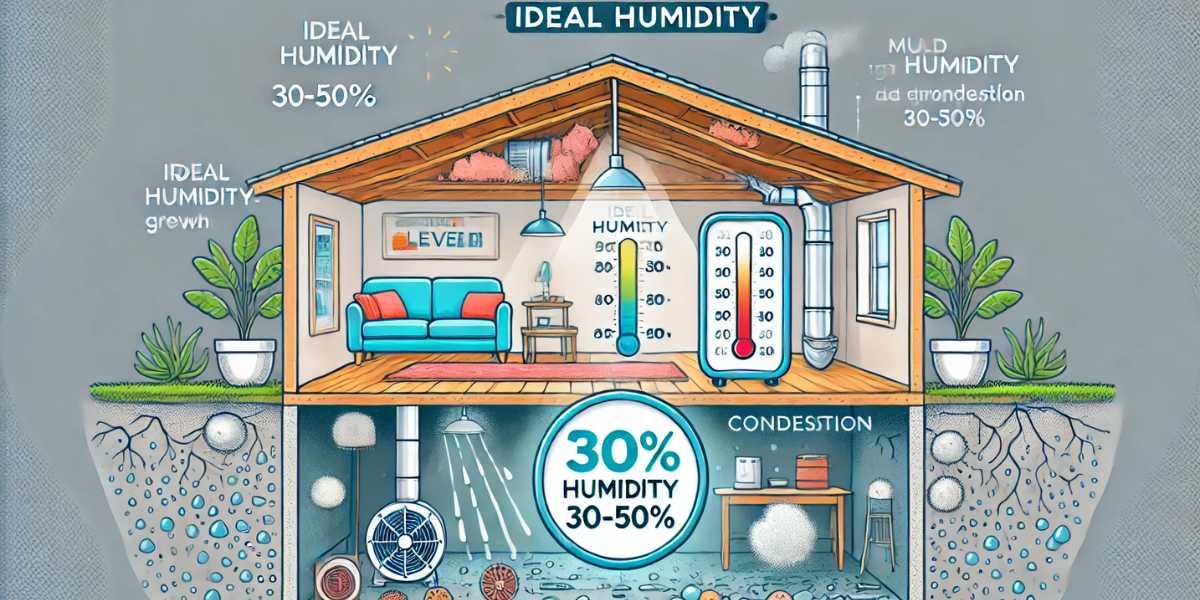
The ideal humidity levels for home are not only about comfort. They are an investment in your house.
Source: baseaire.com
Common myths about ideal humidity levels for home
Let’s clear up a few myths I hear in the field.
- Myth: Higher humidity always feels better in winter.
- Reality: Above 45% in cold snaps, you risk window condensation and hidden wall moisture.
- Myth: Houseplants will dehumidify a wet room.
- Reality: Plants help a little. They are not a substitute for ventilation or a dehumidifier.
- Myth: Leave the AC fan on to clean air and reduce humidity.
- Reality: Fan-on can re-evaporate moisture from coils and raise RH.
- Myth: A single whole-house setpoint works for every climate.
- Reality: You need seasonal tweaks to hold the ideal humidity levels for home.
Frequently Asked Questions of ideal humidity levels for home

What is the best humidity level for sleeping?
Aim for 40–50% RH. This range supports clear breathing, reduces dryness, and helps you stay asleep.
Can humidity affect allergies and asthma?
Yes. High RH supports dust mites and mold, which trigger symptoms. Keep RH under 50% to reduce these allergens.
How do I know if I need a dehumidifier?
If RH stays above 55%, windows fog, or rooms smell musty, you likely need one. Start in the basement and measure results.
Are whole-house humidifiers worth it?
They can be, especially in cold, dry regions. Pair them with outdoor sensors and regular cleaning to avoid over-humidifying.
Does boiling water or drying clothes indoors raise humidity a lot?
Yes. Boiling and indoor drying can spike RH fast. Use lids, exhaust fans, or a vented dryer.
Will a smart thermostat help with humidity?
Many models have dehumidify modes or pair with sensors. They can lower RH by running the AC longer at low fan speeds.
Is 60% humidity OK indoors?
It is the upper edge of acceptable. Try to stay closer to 40–50% to reduce mold risk and improve comfort.
Conclusion
A stable, comfortable home lives in the 40–50% RH range, with small seasonal tweaks. Measure with a simple sensor, use fans and right-sized gear, and fix air leaks. With those steps, you can lock in the ideal humidity levels for home, protect your health, and keep your house in great shape.
Set a target today, track it for a week, and make one change at a time. Small shifts lead to big comfort. Want more guides like this? Subscribe, share your results, or drop a question in the comments.