

Humidity is water vapor in air; moisture is water in any material or space.
If you have ever mixed up these terms, you are not alone. I help people solve indoor air and building problems, and the difference between humidity and moisture comes up every week. In this guide, I will break down the difference between humidity and moisture with clear steps, real examples, and expert tips you can trust. Stick with me, and you will be able to spot, measure, and control both with confidence.
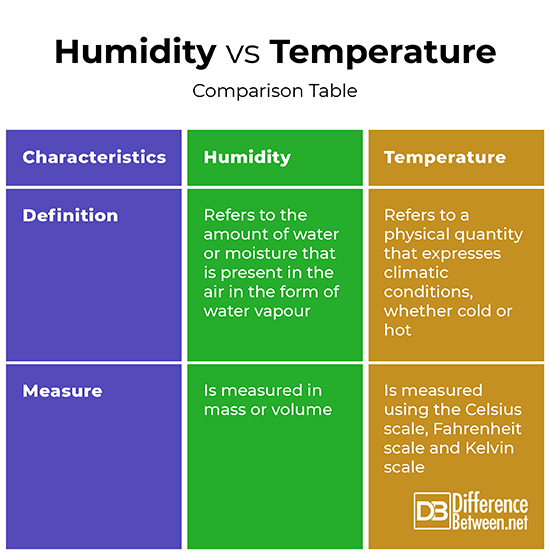
Humidity vs moisture: clear definitions
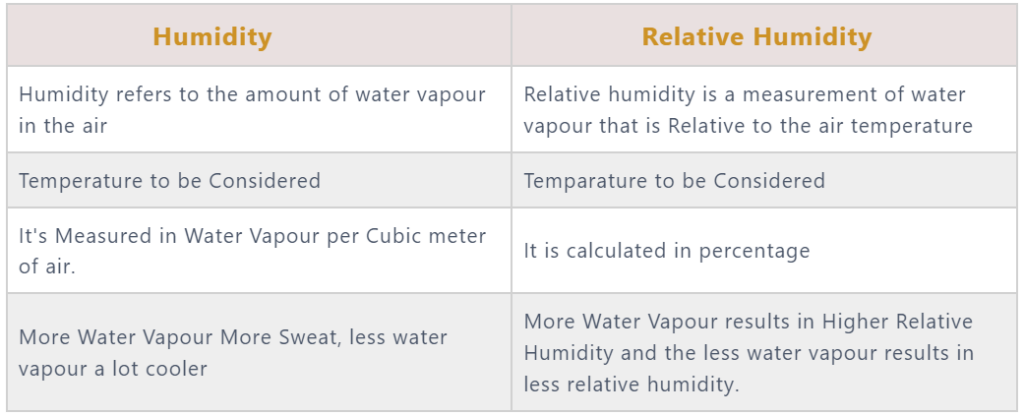
Humidity means the amount of water vapor in the air. It is a gas, and we often talk about it as relative humidity, or RH, which is a percent. We also use absolute humidity in grams per cubic meter, and dew point in degrees. These tell us how much vapor is in the air and when it will condense.
Moisture means water in any form inside a material or space. It can be liquid water, ice, adsorbed water on surfaces, or vapor in pores. We use moisture content for materials like wood, drywall, concrete, soil, and food. It is often shown as a percent by weight or volume.
Here is the key: humidity is only about air. Moisture is about everything. That simple difference between humidity and moisture solves many home and work problems.
Source: pharmaguddu.com
The science behind each
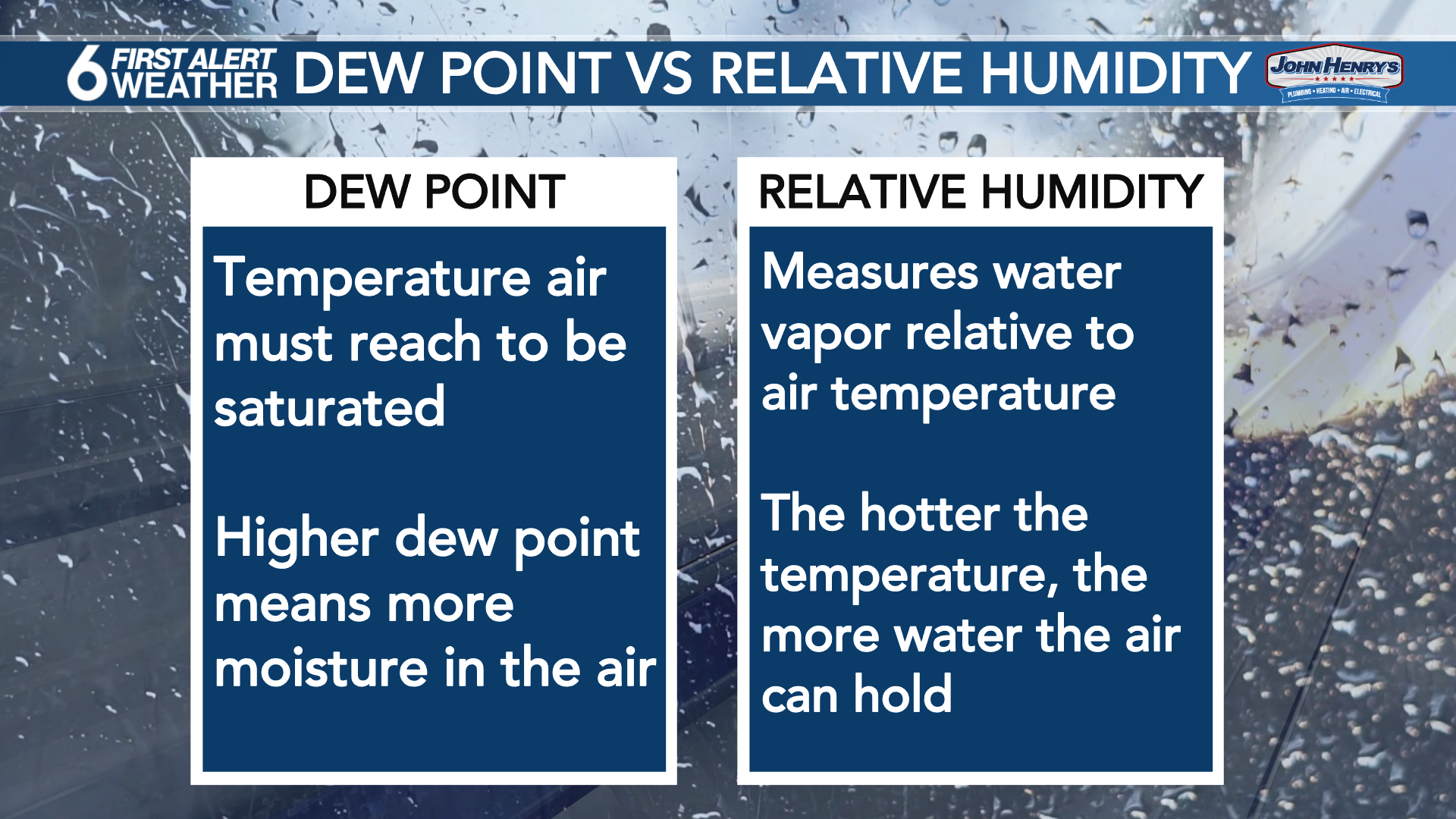
Humidity rises as air warms, because warm air can hold more vapor before it hits saturation. When air cools to its dew point, vapor turns to liquid water. That is why you see fog on a cold morning or water on a cold window. Comfort tends to sit near 30 to 60 percent RH indoors, with a dew point near 40 to 55°F.
Moisture in materials follows other rules. Water can wick by capillary action. Hygroscopic materials like wood and paper pull vapor from air until they reach balance. Wood indoors often sits near 6 to 9 percent moisture content when RH is near 30 to 50 percent. Too much moisture in drywall or concrete raises mold risk and can weaken the structure.
Both are linked, but they behave in different ways. That is the heart of the difference between humidity and moisture.

Source: differencebetween.net
Key differences at a glance
- What it is. Humidity is water vapor in air. Moisture is water in air, surfaces, and materials.
- Units. Humidity uses percent RH, dew point, or absolute humidity. Moisture uses moisture content percent, water activity, or mass of water per mass of dry solid.
- Tools. Humidity uses hygrometers, dew point meters, or psychrometers. Moisture uses pin or pinless meters, oven dry tests, calcium chloride, or slab RH probes.
- What changes it. Humidity shifts fast with temperature and ventilation. Moisture in materials shifts slow and follows diffusion and capillary flow.
- Risks. High humidity raises mold risk and comfort issues. High moisture damages wood, paint, drywall, food, and electronics.
- Control. Lower humidity with ventilation, AC, or dehumidifiers. Lower moisture with leak repairs, drainage, vapor control, and drying.
If you only remember one thing, remember that the difference between humidity and moisture shows up in their units, tools, and fixes.

Source: scribner.com
How we measure humidity and moisture
To measure humidity, use a good digital hygrometer in each key room. Place it away from windows and direct sun. For better precision, use a psychrometer or a dew point meter. Calibrate your meters twice a year with a salt test or a trusted reference.
To measure moisture in materials, use the right tool for the job. A pin meter reads wood and drywall depth well. A pinless meter scans larger areas fast. For concrete slabs, use an in‑slab RH probe test. For lab work, the oven dry method gives the most exact result. An infrared camera can help find cool, wet spots, but confirm with another test.
When you compare results, the difference between humidity and moisture becomes clear. Air may look fine while a wall stays wet, or the other way around.

Source: flowmotionrunning.com
Why the difference matters in everyday life
Comfort and health depend on both. Air that is too humid feels muggy. Air that is too dry cracks skin and lips. Wet materials grow mold, warp wood, and peel paint. Your goal is safe air and dry materials.
Here is a quick story from my work. A homeowner called about cupped hardwood floors. The indoor RH read 45 percent. They thought humidity was fine. But the crawlspace had wet soil and no vapor barrier. The wood’s moisture content was 14 percent. The fix was not a dehumidifier alone. We sealed the ground, added drainage, and then set a small dehumidifier. The floors relaxed in weeks. That is the difference between humidity and moisture in real life.
This same lesson helps with food storage, guitars, houseplants, and server rooms. The difference between humidity and moisture guides better choices, saves money, and avoids damage.
Source: macinstruments.com
Practical tips to control humidity and moisture
- Ventilate smart. Run bath and kitchen fans during and 20 minutes after use. Duct fans outside.
- Set targets. Keep indoor RH near 35 to 55 percent. Aim for dew point near 40 to 55°F.
- Use AC and dehumidifiers. Set a dehumidifier to 50 percent RH for living spaces and 45 to 55 percent in basements.
- Fix leaks fast. Roof, flashing, and plumbing leaks add liquid water. No dehumidifier can fix that.
- Manage ground moisture. Use gutters, downspouts, grading, and a ground vapor barrier in crawlspaces.
- Air seal first, then think vapor. Stop warm, moist air leaks before you add vapor retarders.
- Dry materials before you close walls. Use fans and heat to reach safe moisture content. Verify with a meter.
- Store smart. Use sealed bins, desiccants, and stable RH for photos, spices, and electronics.
- Wood and paint. Acclimate wood to room RH before install. Paint only when surfaces test dry.
- Monitor. Place hygrometers on each floor. Log weekly. Watch the dew point in summer heat waves.
These habits keep both sides in check. They also match what building and health groups recommend. The difference between humidity and moisture matters most when you pick the right tool for the right problem.
Source: wowt.com
Common myths and mistakes
- Myth. Humid air holds more water than dry air. Reality. Warm air at the same RH can hold more vapor. Temperature is the key.
- Mistake. Watching only RH. Dew point can warn you about condensation risk better than RH.
- Myth. A moisture meter measures humidity. It does not. It reads moisture in materials, not air.
- Mistake. Over‑humidifying in winter. You may fog windows and feed mold in walls.
- Myth. A dehumidifier fixes a leak. It helps the air but does not stop liquid water.
Knowing these helps you avoid cost and stress. It is also how you respect the difference between humidity and moisture.

Source: youtube.com
Advanced concepts that help
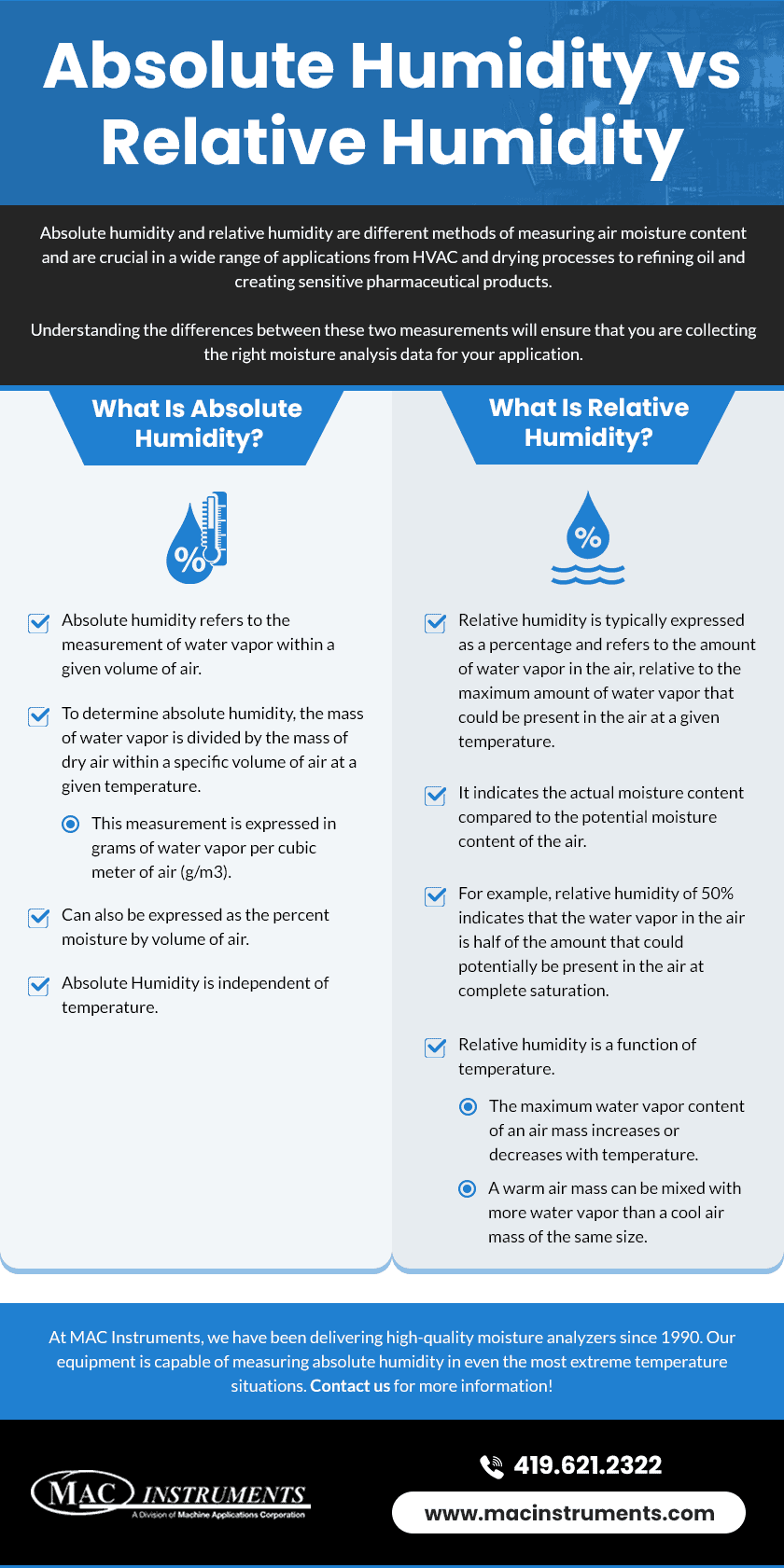
Absolute humidity is the mass of vapor in a volume of air. Relative humidity is the ratio of current vapor to the max at that temperature. Specific humidity is mass of water per mass of air and is not changed by pressure.
Dew point is the temperature where vapor condenses to liquid. Vapor pressure deficit, or VPD, helps growers balance plant stress and growth. Equilibrium moisture content, or EMC, helps wood find a stable state with room RH. Permeance and diffusion explain how vapor moves through walls. Capillary rise explains how liquid water climbs through small pores.
Use these ideas for deeper work. They sharpen your eye for the difference between humidity and moisture.

Source: processsensing.com
Frequently Asked Questions of difference between humidity and moisture

Are humidity and moisture the same?
No. Humidity is water vapor in air. Moisture is water in air, materials, and surfaces.
Which one causes mold faster?
Both matter, but moisture in materials is the main driver. Mold needs wet or damp surfaces, which can happen at normal indoor humidity.
Can wood be dry if humidity is high?
Yes, for a while. But wood will gain moisture over time until it reaches a new balance with room humidity.
What is a good indoor humidity target?
Aim for 35 to 55 percent RH most of the year. In cold climates, you may need 30 to 40 percent in winter to limit window condensation.
What tools do I need to measure both?
Use a digital hygrometer for air and a moisture meter for materials. For concrete or critical jobs, use in‑slab probes or lab tests.
Does a dehumidifier remove moisture from walls?
It helps air dry out, which pulls moisture from walls over time. But you must fix leaks and improve drainage first or it will not last.
Conclusion
Humidity lives in the air. Moisture lives in the stuff around you. When you see the difference between humidity and moisture, you choose better tools, set smarter targets, and stop problems early. Measure both, act fast on leaks, and keep simple logs to stay ahead.
Ready to take control? Start with two hygrometers and one moisture meter, set clear RH goals, and check weekly. Want more tips like this? Subscribe, share this guide with a friend, or drop your questions in the comments.