

Automotive and household moisture absorbers differ in design, capacity, and safety needs.
If you want a clear answer on Automotive vs household moisture absorbers, you’re in the right place. I’ve tested many options in cars, closets, and damp rooms. In this guide, I break down how each product works, when to use it, and what to avoid. You’ll learn what actually keeps your cabin dry and what belongs in a laundry room, not your glove box.

What moisture absorbers do and why humidity matters
Moisture absorbers pull water from the air to stop fog, odors, and mold. They work two ways. Some lock water onto their surface. Others turn water into a brine. The goal is the same: make the space drier and safer.
In cars, surfaces cool fast. That triggers fog on glass and rust on metal parts. In homes, we fight musty closets and wet basements. Both need humidity control, but the tools differ. That is why Automotive vs household moisture absorbers is a real choice.
You may see the same words on the box. But car use brings bumps, heat swings, and airbag zones. Home use brings kids, pets, and long-term leaks. Pick the right match and you avoid mess and waste.
In short, absorbers help at low cost and with little noise. You just need to fit the method to your space and risk. This guide will map that out with simple steps and real use cases.

Automotive vs household moisture absorbers: key differences
Automotive vs household moisture absorbers differ in design, capacity, and safety. Cars heat and cool fast. Homes have stable temps and more space. The wrong type can spill, clog vents, or do nothing.
Key takeaways:
- Environment: Cars face fast temp swings, tight cabins, and vibration. Homes see slow swings, larger rooms, and steady sources of damp.
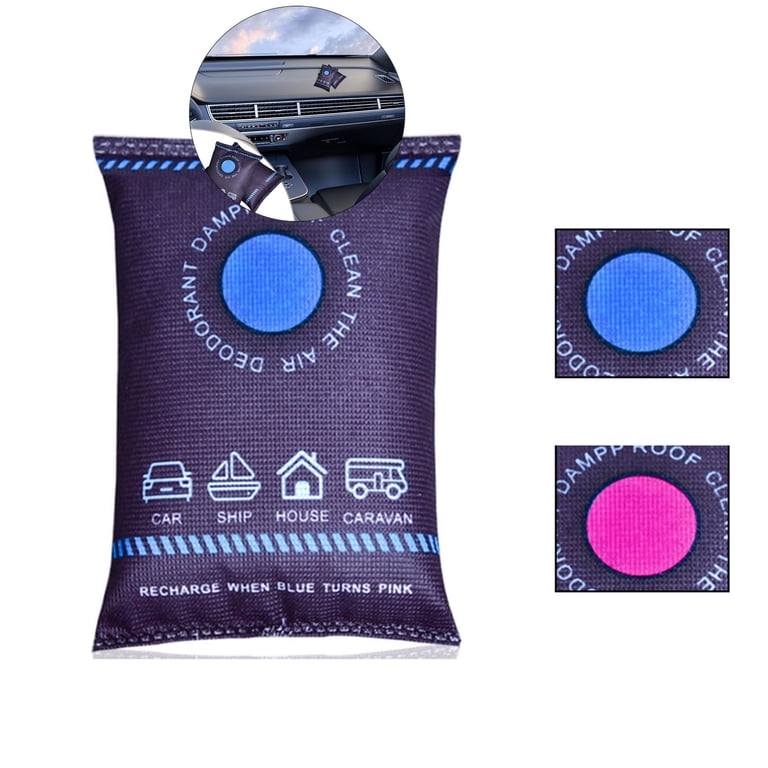
- Materials: Silica gel is best for cars. It is clean and leak free. Calcium chloride is common in homes. It pulls more water but can leak brine.
- Packaging: Car units use bags, canisters, or small trays with anti-spill design. Home units use larger tubs or mini dehumidifiers.
- Safety: In cars, never block sensors or vents. In homes, keep brine away from kids and pets.
- Goals: Cars need fog control and odor control. Homes need mold control and damp control in closets, bathrooms, and basements.
When you compare Automotive vs household moisture absorbers, think risk first. A wet tub in a trunk can spill. A tiny packet in a basement will be too weak. Match the tool to the job, not the label.
Environments and humidity profiles
- Cars: Small volume. Fast cooling at night. Windows fog. Trunks trap damp from wet gear.
- Homes: Big rooms. Slow changes. Basements get seepage. Closets trap stale air.
Materials and mechanisms
- Silica gel (adsorption): Holds water on its surface. Clean. Reusable by heating.
- Calcium chloride (deliquescence): Pulls water and turns to liquid brine. High capacity.
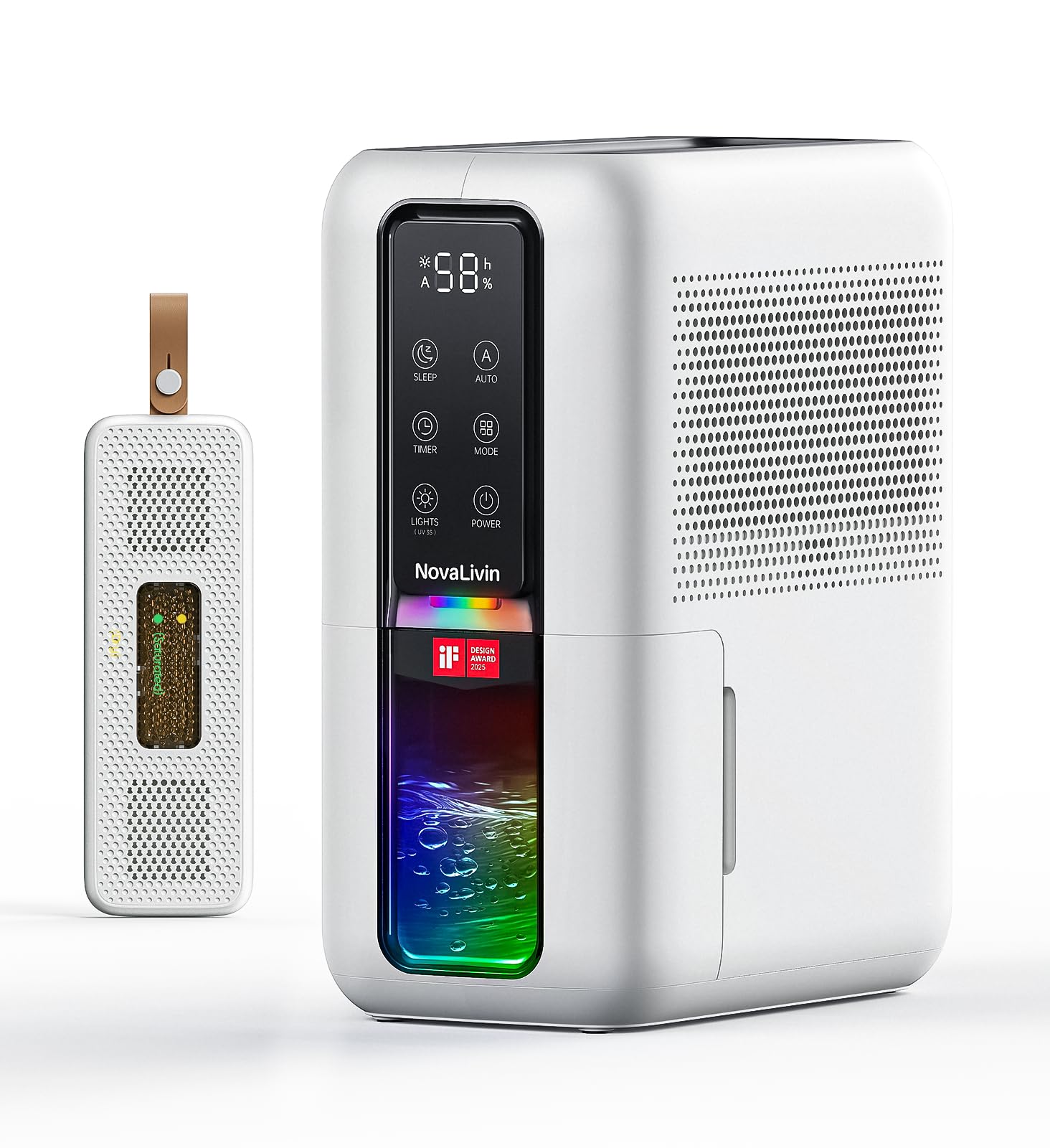
- Electric units: Peltier or compressor types. Need power. Best in fixed spots.
Packaging and safety
- Car bags and canisters: Soft and non-spill. Fit under seats or in trunks.
- Home tubs: Large capacity. Must sit flat. Keep away from fabric and wood.
Types of automotive moisture absorbers
For cars, pick products that do not leak, even on rough roads. Automotive vs household moisture absorbers often share materials, but car versions use safer packaging and smaller sizes.
Best options for vehicles:
- Silica gel packets and canisters: They are light, clean, and easy to place.
- Reusable desiccant bags with color beads: They change color when full and can be recharged.
- Small calcium chloride pouches with anti-spill design: Use only if they lock brine inside.
- 12V mini dehumidifiers: Work in RVs or when parked in a garage with power.
From my tests, a 500–1000 g silica bag in a sedan cuts window fog within a week. In a damp SUV trunk with wet mats, two bags work better. I also keep one in the spare tire well. It stops rust on tools and jack parts.

Silica gel packets and canisters
- Pros: Clean, safe, reusable. Good for cabins and glove boxes.
- Cons: Lower capacity than salts. Needs heat to recharge.
- Tips: Bake at low heat to dry. Do not cook them too hot.
Reusable desiccant bags with indicating beads
- Pros: Easy to read. Turns from orange/blue to clear or green when full.
- Cons: Slightly higher cost.
- Tips: Rotate two bags. One in use, one drying.
Disposable calcium chloride tubs and pouches
- Pros: High capacity. Fast at high humidity.
- Cons: Risk of leaks if tipped. Can form brine.
- Tips: Only use sealed pouches in cars. Place on a tray in trunks.
12V mini dehumidifiers (electric)
- Pros: Useful in RVs or vans with power. Some have drains.
- Cons: Small units remove little water per day. Need power and space.
- Tips: Use when parked for long periods. Vent the area for best results.
Types of household moisture absorbers
Household tools have one big edge: space. You can use larger tubs or plug-in units. Automotive vs household moisture absorbers diverge here because homes can host high-capacity solutions.
Good choices for homes:
- Calcium chloride tubs for closets and bathrooms
- Refillable canisters for laundry rooms
- Peltier dehumidifiers for bedrooms or offices
- Compressor dehumidifiers for basements
In my home office, a small Peltier unit handles paper and books. In the basement, a compressor unit with a drain hose is king. In closets, I use sealed tubs to stop musty smells.
Closets, bathrooms, basements solutions
- Closets: Calcium chloride tubs or refill canisters. Replace as needed.
- Bathrooms: Vent first. Use a small Peltier unit if air stays damp.
- Basements: Use a compressor dehumidifier with a drain for steady moisture.
How to choose: a simple decision framework
Use this quick path when comparing Automotive vs household moisture absorbers.
Step 1: Define the space
- Car, truck, or RV? Closet, bath, or basement?
- Volume and air flow matter.
Step 2: Check humidity and symptoms
- Fog, odor, mildew, or rust?
- Spot damp sources first, like leaks or wet mats.
Step 3: Pick the method
- Car cabin or trunk: Silica gel bags or sealed pouches. Add electric only if parked with power.
- Closet or bath: Calcium chloride tubs or small Peltier units.
- Basement: Compressor unit with a drain.
Step 4: Plan maintenance
- Reusable needs heat to dry.
- Disposable needs safe disposal.
- Electric needs filter checks and power.
Step 5: Safety and placement
- Cars: Do not block airbags, vents, or sensors. Secure units so they do not move.
- Homes: Keep brine away from kids and pets. Protect wood and fabrics.

Testing and performance metrics
You can test performance with simple checks. You do not need lab tools to compare Automotive vs household moisture absorbers.
Use these metrics:
- Capacity: Grams of water the unit can hold. Silica gel holds up to about 25–40% of its weight. Calcium chloride can hold many times its weight as brine.
- Rate: How fast it works per day. Salt works faster in high humidity. Silica is steady across a range.
- Regeneration: How many bake cycles a reusable bag can survive. Good bags last dozens of cycles.
- Safety: Leak resistance and placement. In cars, clean and dry is non-negotiable.
Easy home test:
- Weigh the bag before use.
- Place it for 48 hours.
- Weigh again to see water gained.
- Track fog levels and odors as a real-world result.
In my own tests, a 1 kg silica bag in a sedan gained about 150 g in 72 hours after a rainy week. Window fog was gone by day three. For a wet trunk with a small leak, a sealed salt pouch pulled 300 g in the same time.

Real-world use cases and tips
Let’s ground Automotive vs household moisture absorbers in daily life. Here are quick wins I use and share with clients.
Cars and trucks:
- For winter fog: Place a 500–1000 g silica bag on the floor behind a seat. Add a second in the trunk.
- After a spill: First dry with towels and airflow. Then use a high-capacity bag for one week.
- For classic cars: Use two large silica canisters and crack a window in a secure garage.
Homes and apartments:
- Closet odor: One calcium chloride tub on a shelf. Replace monthly in humid months.
- Bathroom mirror fog: Improve exhaust fan use. Add a small Peltier unit if needed.
- Basement: Run a compressor unit with a hose. Aim for 45–55% RH.
Lessons learned:
- Fix the source first. No absorber beats a leak.
- In cars, avoid open salt tubs. One pothole can make a brine mess.
- Reusable bags pay off. I rotate two sets to keep it simple.
Cost, maintenance, and environmental impact
Cost and care differ across Automotive vs household moisture absorbers. Plan ahead to save money and stress.
Cost:
- Silica gel bags: Low to mid cost upfront. Long life with recharging.
- Calcium chloride tubs: Low entry cost but ongoing refills.
- Electric units: Higher cost and power use, but strong results in large spaces.
Maintenance:
- Silica: Bake or microwave per label to recharge. Keep heat low and steady.
- Salts: Swap out when liquid reaches the line. Dispose per local rules.
- Electric: Clean filters and drains. Check seals and hoses.
Impact:
- Reusable silica has less waste over time.
- Disposable salts create brine waste. Dispose safely.
- Electric units consume power. Use a humidity target to save energy.
From my logs, two 1 kg silica bags in a car paid for themselves in one season. In a wet basement, a compressor unit is cheaper than constant salt refills.

Common mistakes and safety notes
Small errors can undo your work. Use these reminders when weighing Automotive vs household moisture absorbers.
Avoid these mistakes:
- Using open salt tubs in cars. They can spill and damage trim.
- Blocking vents or airbags with large bags.
- Ignoring leaks in doors or trunks. Absorbers are not a patch.
- Overheating desiccant during recharge. It can degrade or melt packaging.
- Placing tubs on wood or fabric at home. Use a tray to catch drips.
Safety tips:
- Keep all desiccants away from kids and pets.
- Read labels for heat limits and disposal rules.
- In RVs and vans, secure units before driving. Vibration is real.
Frequently Asked Questions of Automotive vs household moisture absorbers
Are automotive and household moisture absorbers interchangeable?
They can be, but not always. Car use needs non-spill designs and smaller sizes. Many home tubs are not safe for moving vehicles.
How often should I recharge or replace my absorber?
Recharge silica bags when the color changes or every 2–4 weeks. Replace calcium chloride tubs when the liquid reaches the fill line.
Can I put a large home dehumidifier in my garage for the car?
Yes, if the garage is sealed and you have drainage. It helps maintain low humidity around the car, especially for storage.
Do moisture absorbers remove odors?
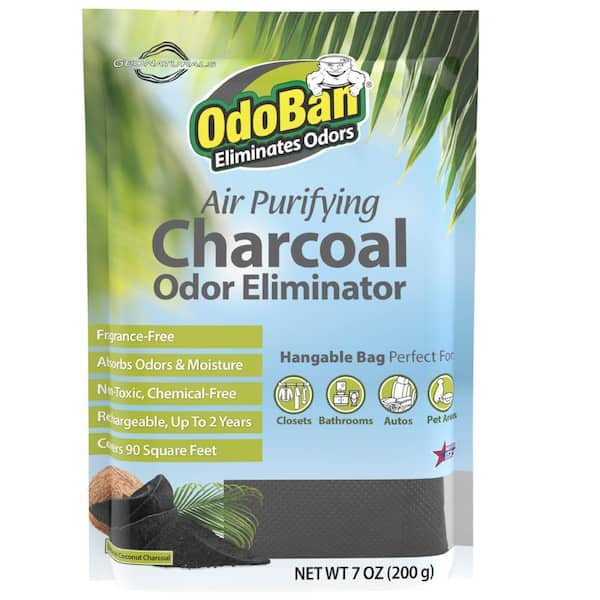
They help by cutting humidity that feeds odor. Some packs add charcoal, which can capture smells directly.
Is calcium chloride safe to use around pets and kids?
Keep it out of reach. The brine is irritating and can damage fabrics and finishes if spilled.
Will a moisture absorber fix a water leak in my car?
No. Fix leaks first, then use absorbers to dry the air and prevent mold. Otherwise, the problem returns.
What size silica bag should I use in a sedan?
Start with 500–1000 g in the cabin and another 500 g in the trunk. Adjust based on fog and odor levels.
Conclusion
Picking between Automotive vs household moisture absorbers comes down to space, safety, and the source of moisture. Cars do best with clean, non-spill silica solutions and smart placement. Homes can use higher-capacity salts or powered units for steady control.
Act on what you learned today. Fix leaks first. Match the absorber to the job. Track results and adjust. Want more hands-on tips and product tests? Subscribe and drop your questions so we can solve your moisture pains together.