

Refillable saves money long-term; disposable is simpler and neater for quick fixes.
If you are weighing DampRid Refillable vs Disposable, you’re in the right place. I’ve used both in closets, garages, and a damp basement, and I’ve helped clients pick the right option for years. This guide breaks down how each works, how long they last, real costs, safety, and when to choose one over the other. Stick around for clear steps, real-life examples, and honest pros and cons.

How DampRid works (in plain English)
DampRid uses calcium chloride to pull water from the air. The crystals attract moisture, then liquefy into a brine. That liquid collects in a reservoir you can toss or pour out. Less humidity helps cut musty odors and slows mold growth.
DampRid Refillable vs Disposable both use the same science. The difference is how you buy, set up, and maintain them. Your choice comes down to budget, time, and the space you want to dry.

DampRid Refillable vs Disposable at a glance
Here’s how I explain it to friends and clients:
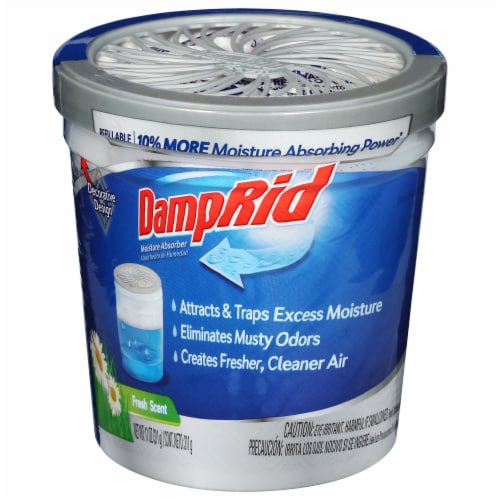
- Refillable: A reusable container you keep. You replace the crystals when they dissolve. Best for ongoing damp areas.
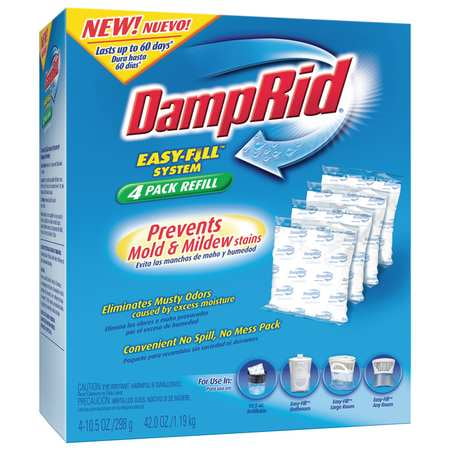
- Disposable: A sealed unit you toss when full. No mess setup. Best for short-term needs or small spaces.
In short, DampRid Refillable vs Disposable is convenience versus long-term value. Both work well when sized right for the room and humidity level.
Performance and capacity: What actually dries the air faster?
Both options pull moisture at similar rates per ounce of crystals. The key factor is size. Bigger units absorb more and last longer. Many small disposables work well in tight spaces like closets or under sinks. Larger refillable tubs or buckets can handle basements, garages, or laundry rooms.
From experience:
- In a 3×5 closet, a small disposable lasted about 4 to 8 weeks.
- In my humid basement laundry room, a 4-pound refillable bucket lasted about 2 to 4 months.
- In a closed RV, I used two disposables during a hot, wet summer and swapped them once a month.
Results vary with humidity, temperature, and airflow. For heavy dampness, use more units or a larger size. For leaks or flooding, use a dehumidifier or repair the source first. DampRid is for ongoing moisture in the air, not standing water.

Cost of ownership: What you actually spend
Let’s talk real costs for DampRid Refillable vs Disposable:
- Refillable
- You buy the container once.
- Refills cost less per ounce over time.
- Good for long-term use in damp rooms.
- Disposable
- Lower upfront price per unit.
- Replace the whole unit each time.
- Costs add up if you use many over the year.
In my tests, a refillable tub paid for itself after two or three refill cycles. If you only need moisture control for a season or a trip, disposables can be cheaper and easier.
Convenience and maintenance: How much effort is needed?
DampRid Refillable vs Disposable differs most in the day-to-day routine.
- Refillable
- Setup: Pour crystals in, snap on the top, place it.
- Upkeep: Check the reservoir and empty when full. Add more crystals when they dissolve.
- Effort: Light, but you handle liquid brine.
- Disposable
- Setup: Remove the lid or outer wrap and place it.
- Upkeep: None until it’s full. Then toss the whole unit.
- Effort: Easiest, least mess.
If you travel a lot or manage many small spaces, disposable can save time. If you don’t mind a quick pour-down-the-drain every few weeks, refillable wins.

Best use cases by room and need
Here’s where each shines based on DampRid Refillable vs Disposable:
- Closets, pantries, cabinets
- Disposable works best. It’s small, tidy, and easy to replace.
- Bathrooms and laundry rooms
- Refillable for ongoing humidity. Use a larger size if the door stays shut.
- Basements and garages
- Refillable bucket or large tub. Pair with airflow for better results.
- RVs, boats, storage units
- Disposable for off-season storage. Refillable for all-year parking in humid areas.
- Guest rooms or rentals
- Disposable for quick odor control before guests arrive.
Tip: Place units higher than floor level, away from kids and pets, and allow airflow around them.
Safety and environmental impact
DampRid uses calcium chloride. It’s a salt that can irritate skin and eyes. It is not toxic like bleach, but the liquid brine is salty and can damage some surfaces and metals. Keep it out of reach of kids and pets.
Environmental notes for DampRid Refillable vs Disposable:
- Refillable creates less plastic waste because you keep the container.
- Disposable uses more plastic and packaging over time but avoids pouring brine.
- You can pour brine down most household drains with running water. Avoid natural soil or plants.
- Do not use around antique metals or unsealed wood without a tray.
I’ve tested both on shelves and concrete floors. I now place a silicone mat or tray under every unit. It prevents accidental damage if a container tips.

How to choose: A simple decision guide
Use this quick path when deciding on DampRid Refillable vs Disposable:
- Choose Refillable if:
- The room is damp year-round.
- You want lower long-term costs.
- You do not mind emptying the liquid and refilling crystals.
- Choose Disposable if:
- You want a clean, quick setup.
- The space is small or used part-time.
- You travel or manage many spaces and need low effort.
Still unsure? Try one disposable in the room for a month. If it fills quickly, switch to a larger refillable unit next.

Setup and maintenance tips for better results
A few simple tweaks can boost performance:
- Size it right. Larger rooms or high humidity need bigger or multiple units.
- Improve airflow. Crack a door or run a small fan for a bit each day.
- Reduce other moisture sources. Vent dryers, cover aquariums, and fix leaks.
- Check monthly. Replace or refill when crystals dissolve or the cup is full.
- Use a humidity meter. Aim for 45% to 55% relative humidity.
These habits made a big difference in my basement laundry room. DampRid cut the musty smell, and my towels dried faster. The refillable bucket held up best between seasons.
Real-world lessons from using both
Here’s what years of use taught me about DampRid Refillable vs Disposable:
- Start small, then scale. If one unit fills fast, double up or upgrade to refillable.
- Watch temperature swings. Humid summer days fill units faster than cool, dry days.
- Hide units in sight. If I can see them, I remember to check them.
- Protect surfaces. Always use a tray under any unit.
- Pair with good habits. Vent fans and open windows help a lot.
These are small steps, but they keep your space dry and fresh without much work.
Frequently Asked Questions of DampRid Refillable vs Disposable
Is DampRid safe around pets and kids?
Keep all units out of reach. Calcium chloride can irritate skin and eyes, and the liquid can damage surfaces if spilled.
How long does DampRid last?
It depends on humidity, temperature, and room size. Most units last from a few weeks to a few months.
Will DampRid remove mold?
It helps reduce moisture, which mold needs to grow. It does not remove existing mold; clean and fix the moisture source.
Can I use DampRid in a car or RV?
Yes. Disposable units are great for small, closed spaces. Use multiple units for very wet climates.
Is refillable really cheaper?
Over several cycles, yes. The container cost spreads out, and refills are cheaper per ounce.
Does DampRid replace a dehumidifier?
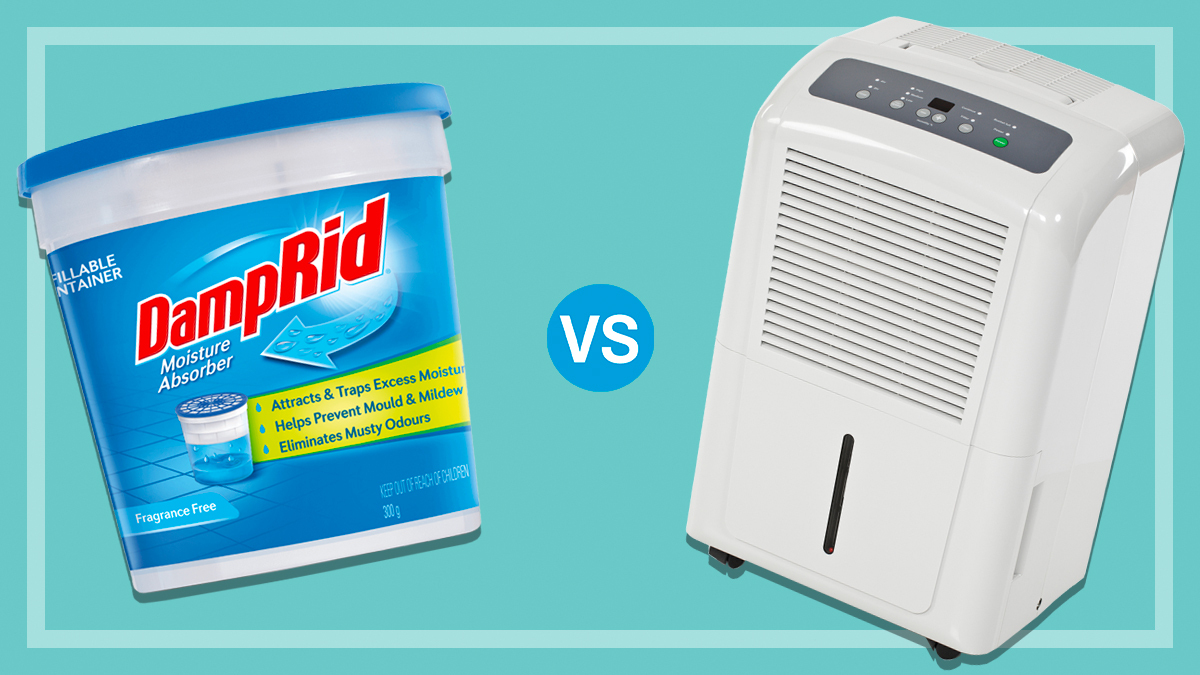
No. It’s best for small or moderate moisture control. For large, wet basements, a powered dehumidifier works better.
Can I pour the liquid down the drain?
Yes, with running water, unless your local rules say otherwise. Do not dump on soil or plants.
Conclusion
Choosing between DampRid Refillable vs Disposable comes down to your space, your time, and your budget. Refillable wins for steady damp rooms and long-term savings. Disposable wins for quick, neat control in small or seasonal spaces. Both work well when you pick the right size and keep up with simple checks.
Try one unit this week in your dampest room and track the results. If it fills fast, scale up. Want more tips like this? Subscribe for updates or drop a comment with your setup and I’ll help you fine-tune it.