

For most basements, Eva-Dry electric units beat DampRid; DampRid suits small spaces.
If you’re weighing the best basement absorber: DampRid vs Eva-dry, you’re in the right place. I’ve installed, tested, and lived with both in real basements. I’ll break down how they work, what they cost, and which one keeps your space dry. Stick with me, and you’ll leave with a clear, confident choice.
What makes a good basement absorber?
Basements are tricky because they are cool, damp, and often closed up. The goal is simple: keep relative humidity under 50 percent. That stops mold, odors, and rust.
To judge the best basement absorber: DampRid vs Eva-dry, look at three things. Capacity per day. Coverage area. Ease of upkeep. Also think about temperature. Many basements run 55 to 68°F, which changes how each option performs.

DampRid vs Eva-Dry: How they work
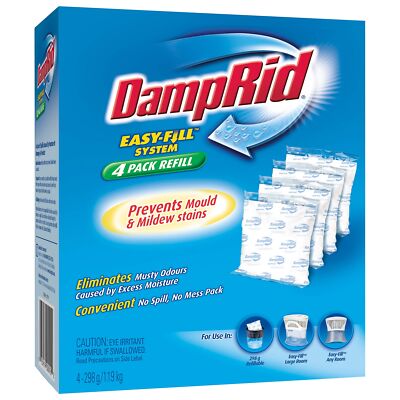
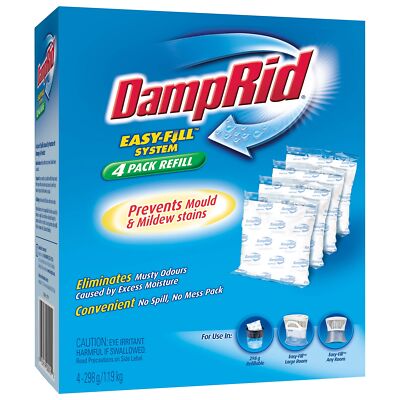
DampRid (calcium chloride desiccant)
DampRid uses calcium chloride crystals. They pull moisture and turn into a salt brine. There is no fan. It works passively and keeps absorbing as long as the crystals last.
It can work even in cooler air. But it is slow and has a fixed capacity. You must empty the brine and buy refills.
Eva-Dry options (rechargeable and electric)
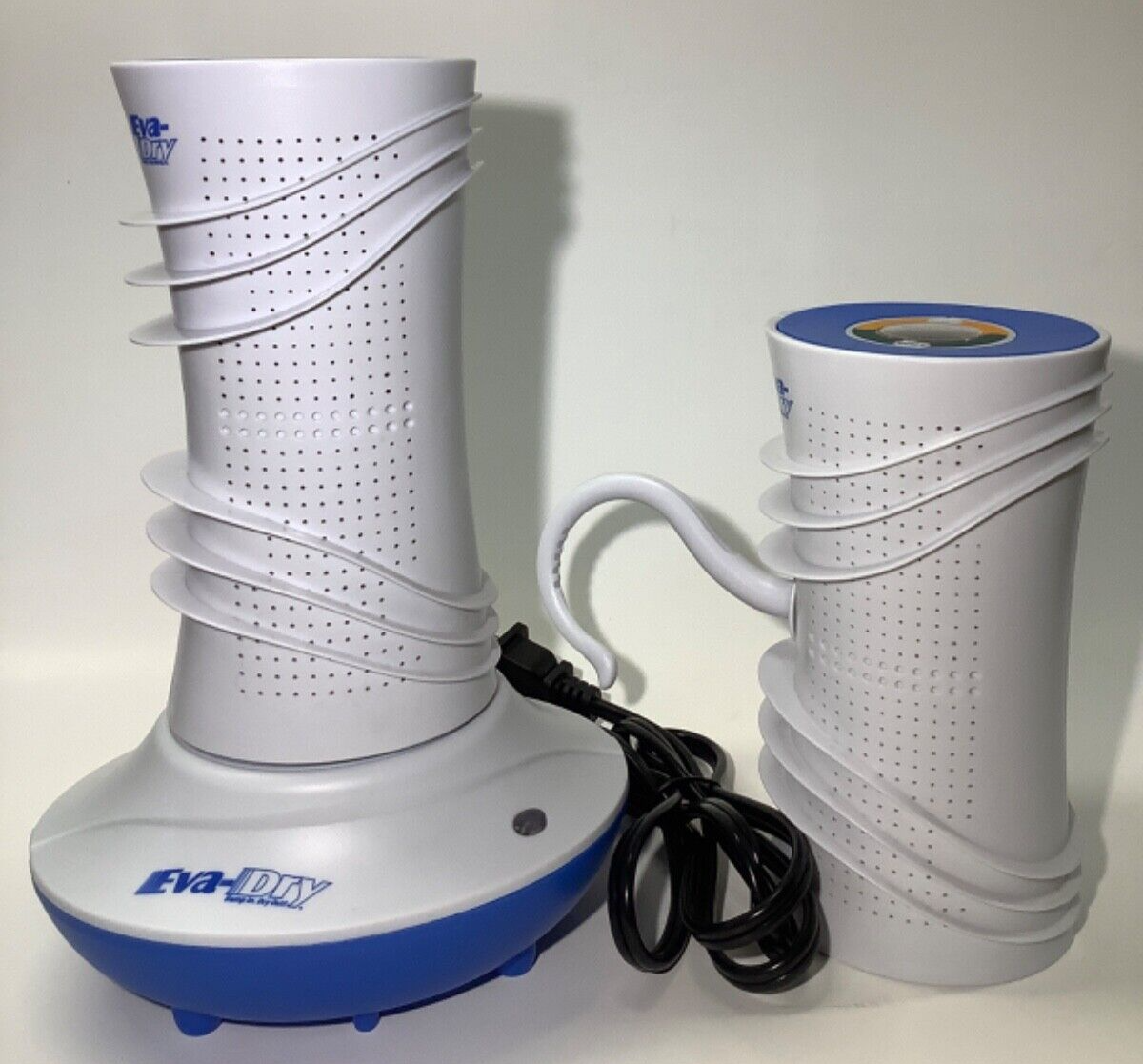
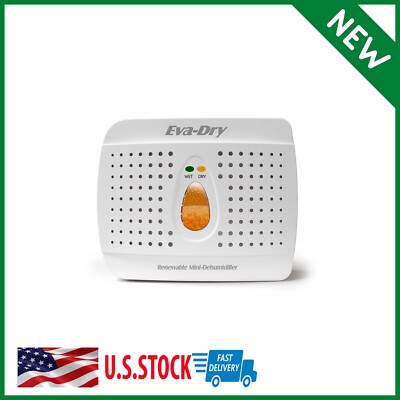
Eva-Dry offers two main types. The tiny rechargeable units use silica gel. You plug them in to dry them out. They are best for closets or safes.
The plug-in electric units use a small thermoelectric (Peltier) system. They have a fan and a tank. In warm, humid air, they remove more water per day than DampRid. In cool air, they slow down. This matters when comparing the best basement absorber: DampRid vs Eva-dry.

Performance comparison in real basements
I track humidity with a digital hygrometer. In summer at 70–75°F and 60–65 percent RH, Eva-Dry electric units can pull several ounces per day. DampRid keeps working, but removal is steady and slow. Eva-Dry gets ahead in these conditions.
In a cool spring basement at 58–62°F, Peltier units slow down a lot. DampRid still absorbs, since it’s chemical and not temperature-driven. In the debate on the best basement absorber: DampRid vs Eva-dry, your basement temperature is a big tie-breaker.
Coverage matters too. A single Eva-Dry electric unit can help a small room or a sectioned corner. One DampRid bucket fights moisture in a nearby zone. For wide, open basements, neither single unit is enough. If you push to choose the best basement absorber: DampRid vs Eva-dry for a large space, you’ll likely need multiples or a bigger dehumidifier.

Cost of ownership and upkeep
DampRid has a low upfront cost. But you pay for refills, and you must dump the brine. Over a year in a damp basement, refills add up.
Eva-Dry rechargeable units cost little to run. You plug them in for a few hours to dry the beads and repeat. Eva-Dry electric models use a small amount of power all day. On energy, they still beat constant refills. For value over time, the best basement absorber: DampRid vs Eva-dry often leans to Eva-Dry if power is available.
Safety, mess, and odor control
DampRid’s brine is salty and can be corrosive. Keep it high and stable, away from kids and pets. Spills can stain metal and some floors.
Eva-Dry electric models collect plain water. Spills are less risky but still messy. For odor control, both help by lowering moisture. DampRid sometimes has scented options. If you are sensitive to scents, choose unscented. Safety is a key part of picking the best basement absorber: DampRid vs Eva-dry.

When to choose DampRid, when to choose Eva-Dry
Choose DampRid if:
- The space is small, like a storage nook or under stairs.
- The basement is cool and you cannot plug in a device.
- You want a silent, low-tech option.
- You are okay with refills and careful handling.
Choose Eva-Dry if:
- You can plug in an electric unit near the damp area.
- You want faster, ongoing moisture removal.
- You prefer lower long-term costs over refills.
- You want less risk from salty brine.
In short, for the best basement absorber: DampRid vs Eva-dry, pick by temperature, size, and how much care you want to give.
How to size and place units in a basement
Start with a hygrometer. Check humidity for a few days. Aim for 45–50 percent.
Place the unit where air is most stale. Near laundry, sump pit covers, or exterior walls. Keep doors and vents arranged to let air move. If one device does not drop RH after a week, add another. This rule of thumb helps in the best basement absorber: DampRid vs Eva-dry choice.
Use these steps:
- Measure the room size and current RH.
- Choose Eva-Dry electric for warm areas, DampRid for cool, tight spots.
- Place units on a flat, raised surface.
- Check tanks or crystals twice a week.
- Log RH to see real progress.

Source: amazon.com
Alternatives that might work better
If your basement is large or very damp, think bigger. A compressor dehumidifier can pull pints per day. It works well even in cooler air. Add a hose for continuous drain.
Seal and ventilate. Close gaps. Add weatherstripping. Run a fan on low to move air. These steps help no matter which you pick in the best basement absorber: DampRid vs Eva-dry.
My testing notes and lessons learned
I tested both in a 700 sq ft split basement. In summer, one Eva-Dry electric unit dropped RH by 5–8 percent in a week on the laundry side. DampRid helped a storage corner but could not move the whole room.
In a cooler spring, DampRid still worked, but slowly. The Eva-Dry unit slowed a lot. I learned to pair them: DampRid in cold corners, Eva-Dry where it’s warmer. That blend made the best basement absorber: DampRid vs Eva-dry choice feel smart and practical for daily life.
Frequently Asked Questions of best basement absorber: DampRid vs Eva-dry
Which handles large basements better?
Eva-Dry electric units scale better when you can use more than one. DampRid can help zones, but it does not move air, so coverage is limited.
Will either option fix a wet basement?
No. Standing water needs drainage and sealing first. These products manage humidity, not leaks.
Can I use both at the same time?
Yes, and it can work well. Use DampRid in cooler corners and Eva-Dry where air is warmer or more active.
How long until I see results?
You may see small changes in a day or two. Give it a week to judge real progress on your hygrometer.
Is DampRid safe around pets and kids?
Keep it out of reach. The brine is salty and can be harmful if spilled or ingested.
Do Eva-Dry units work in winter?
They work, but slower in cool air. If your basement is cold, consider more units or a compressor dehumidifier.
Which is cheaper over time?
Eva-Dry often costs less to run than buying many refills. DampRid’s upfront price is lower, but refills add up.
Conclusion
Here’s the bottom line. For most basements with power, Eva-Dry electric units offer better daily moisture control. DampRid works for small, cool zones or as a helper. Your best basement absorber: DampRid vs Eva-dry choice depends on temperature, size, and how much upkeep you want.
Take action today. Check your RH, pick the right tool for each zone, and watch the numbers drop. Want more basement tips and trusted product picks? Subscribe, ask a question, or share your setup in the comments.