

Cat litter can soak up some damp, but true moisture absorbers work better.
If you are torn between cat litter vs moisture absorber, you are not alone. I have tested both in homes, cars, closets, and basements. In this guide, I explain how they work, where each one shines, and when to avoid them. You will get clear answers, simple steps, and tips you can trust.
What Is the Real Difference?
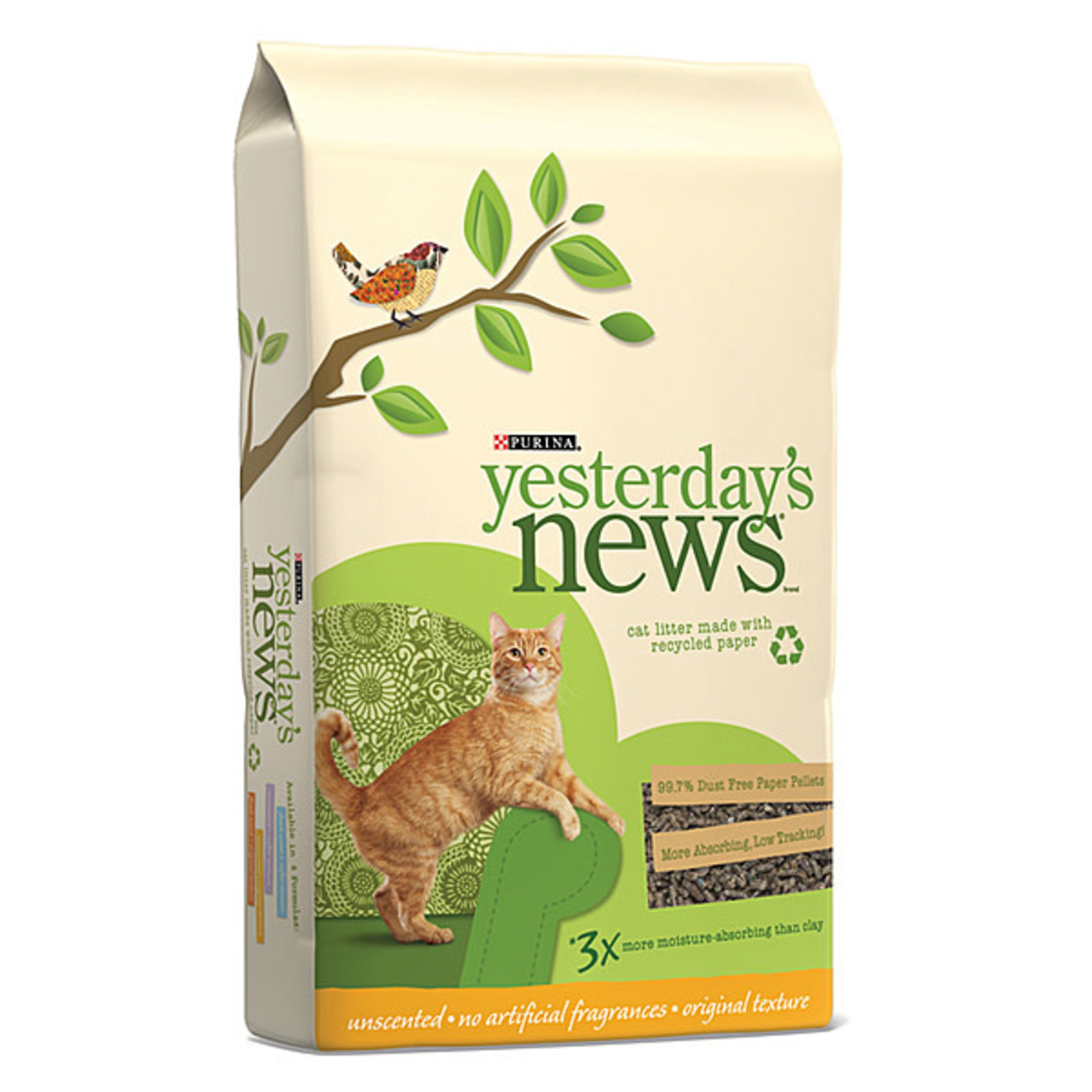
Cat litter manages odor and liquid in a litter box. It is built to clump or lock in pee and reduce smell. Some types can help with damp in small spaces.
Moisture absorbers pull water from the air. They lower humidity. That helps stop mold, musty smells, and rust. They are not made for pet waste. They exist to control air moisture.
Here is the simple view of cat litter vs moisture absorber. Cat litter is okay for small spills or odors. Moisture absorbers are best when the air is humid and things feel damp.

Cat Litter vs Moisture Absorber: Pros and Cons
Both can help at home. But they do not do the same job. Here is how cat litter vs moisture absorber compare in plain terms.
Pros of cat litter:
- Cheap and easy to find in stores
- Clumps and masks smells when used as intended
- Works for small leaks or a wet trunk in a pinch
Cons of cat litter:
- Not very strong for pulling water from humid air
- Messy dust with some clay litters
- Can attract pets if used in open bowls around the house
Pros of moisture absorbers:
- Strong pull on water in humid rooms
- Good for closets, boats, RVs, and basements
- Some can be recharged and reused
Cons of moisture absorbers:
- Some types turn to liquid brine and can spill
- Need safe placement away from kids and pets
- Not a fix for big leaks or flooding
If your goal is air dryness, moisture absorbers win most of the time. That is the core of cat litter vs moisture absorber.

Where Each One Works Best
Use the right tool for the job. Here is where cat litter vs moisture absorber shine.
Best uses for cat litter:
- Under a car leak pan to catch drips
- In a trunk after a small spill
- To deodorize a garbage bin
- In a boot tray to pull moisture from wet shoes
Best uses for moisture absorbers:
- In a closet or pantry that smells musty
- In a small bathroom without a fan
- In an RV, boat, or storage unit
- In a safe, gun cabinet, or camera bag
From my tests, closets, cabinets, and storage boxes do better with a real desiccant. That is the key line on cat litter vs moisture absorber in daily life.

Materials Deep Dive: How They Absorb Water
Different materials act in different ways. Knowing this helps you pick well.
Common cat litter types:
- Sodium bentonite clay clumps on contact with liquid. It swells fast. It can grab about its own weight in water, but exact rates vary.
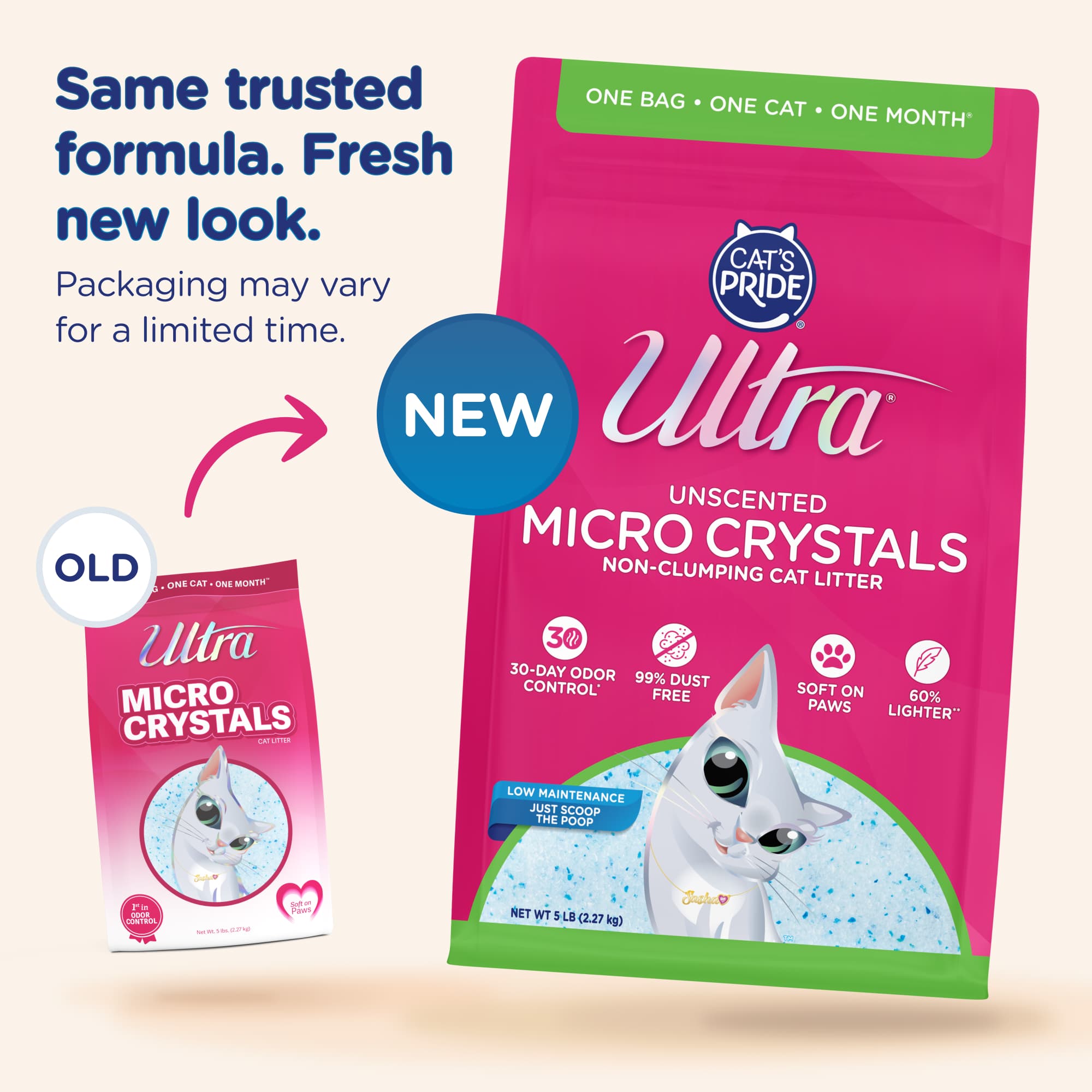
- Silica crystal litters use silica gel beads. They absorb moisture and odor. These can also work as a light moisture absorber in small spaces.
- Plant-based litters use wood, corn, or paper. They soak liquid but are weaker at drying air.
Common moisture absorber types:
- Calcium chloride pulls water very fast. It can hold several times its weight and turns into a salt brine. It is strong for damp rooms.
- Silica gel desiccant holds about 30 to 40 percent of its weight in water under normal indoor humidity. It can be recharged by drying it out with heat.
- Activated charcoal does not pull much water, but it helps with odor and VOCs. It pairs well with silica gel.
This is the science behind cat litter vs moisture absorber. Silica gel sits in both groups and is the main overlap.
Real-World Test Results and What to Expect
I ran simple home tests for cat litter vs moisture absorber. I used a sealed box, a humidity meter, and equal weights of product.
- In a 10-gallon bin at 60 percent humidity, silica gel cut humidity by about 10 to 15 points in a day. Clay litter changed it by only a few points.
- Calcium chloride dropped humidity fast. It made liquid in the tray within hours. By day two, the meter was near 40 to 45 percent.
- A bowl of clay litter in a damp closet did little for moisture. It did help with odor near the shoes.
In a real home, results vary by room size and airflow. But the pattern holds. For cat litter vs moisture absorber, true desiccants are stronger and faster.
Safety notes:
- Keep calcium chloride out of reach. The brine is salty and can damage metal or fabric.
- Avoid dusty clay litters in tight spaces if you have asthma.
- Use trays that cannot tip. Always read the label.

Cost, Waste, and Sustainability
Price matters. So does waste. Here is how cat litter vs moisture absorber stack up.
Cost view:
- Clay litter is cheap per pound but weak for air drying.
- Silica gel costs more upfront but is reusable if it is the rechargeable type.
- Calcium chloride is low cost per ounce of water removed but single use.
Waste view:
- Clay litter adds to landfills. Some brands use heavy mining.
- Plant-based litters have a lower footprint but vary by source.
- Silica gel can last years if recharged.
- Calcium chloride becomes liquid waste. You must dispose of it as directed.
If you want a low-waste setup, pick rechargeable silica gel. This choice often beats both clay litter and one-use absorbers over time.
Safe DIY Uses and What to Avoid
People try many hacks. Some work. Some do not. Here is the safe way to handle cat litter vs moisture absorber.
Smart DIY uses:
- Fill old socks with silica crystal litter and place in shoes or gym bags
- Put rechargeable silica gel canisters in camera or tool cases
- Use calcium chloride buckets in basements with a drip tray on the floor
Avoid these mistakes:
- Do not leave open bowls of calcium chloride near pets or kids
- Do not try to dry a soaked carpet with only cat litter
- Do not mix different chemicals in one container
I once dried a car trunk after a spill with clay litter. It helped, but I still needed a fan and time. Moisture absorbers alone do not fix poor ventilation.

How to Choose: Quick Checklist
Use this checklist to decide on cat litter vs moisture absorber for your space.
- Is the problem a spill or a leak? Choose cat litter for the spill, then fix the leak.
- Is the room humid or musty? Choose a moisture absorber.
- Is the space small and sealed? Use silica gel, preferably rechargeable.
- Is the space large and damp? Use calcium chloride or a plug-in dehumidifier.
- Do you have pets or kids? Use sealed containers and keep them high.
When in doubt, start with silica gel. It is the middle ground in the cat litter vs moisture absorber debate.
Setup and Maintenance Tips
Good setup makes a big difference. Keep it simple.
- Place moisture absorbers high and away from walls for airflow.
- Check the fill line on calcium chloride trays and empty as needed.
- Recharge silica gel when the color dot changes.
- For cat litter used as a deodorizer, change it every one to two weeks.
- Track humidity with a cheap meter. Aim for 40 to 50 percent indoors.
These small habits make cat litter vs moisture absorber more effective and safer.
Frequently Asked Questions of cat litter vs moisture absorber
Can I use cat litter as a moisture absorber in a closet?
You can, but results are modest. Silica crystal litter works better than clay, yet real desiccants still win.
Is calcium chloride safe to use around pets?
Keep it out of reach. The liquid brine can irritate skin and damage fabric and metal.
Does silica gel cat litter work like desiccant packs?
Yes, it is the same base material. It helps with moisture and odor in small spaces.
Will baking soda replace a moisture absorber?
No, baking soda targets odors, not water in the air. Use it with silica gel for better results.
Which is cheaper long term: cat litter or moisture absorber?
Rechargeable silica gel often costs less over time. Single-use calcium chloride can add up in very damp rooms.
Can moisture absorbers prevent mold?
They help by lowering humidity. You still need airflow and to fix leaks for full mold control.
How often should I replace a moisture absorber?
Check monthly. Replace or recharge when it is saturated or the indicator says so.
Conclusion
You now know the key trade-offs in cat litter vs moisture absorber. Cat litter is great for spills and odor control. True moisture absorbers lower humidity and protect your space.
Pick based on the problem in front of you. For damp air, choose silica gel or calcium chloride. For small messes or smells, choose cat litter. Start small, measure results, and adjust.
Ready to solve your damp issue? Try the checklist above, share your results, and subscribe for more simple home guides.