

Calcium chloride melts ice faster and in colder weather; rock salt is cheaper but slower.
If you need to pick the right deicer for your driveway, parking lot, or job site, this guide will help. I’ve tested both in harsh winters and mild storms. I’ll break down rock salt vs calcium chloride with real numbers, field tips, and clear choices for different needs. Stick around to learn what works best, where, and why—and how to use less while getting better results.
What Are Rock Salt and Calcium Chloride?
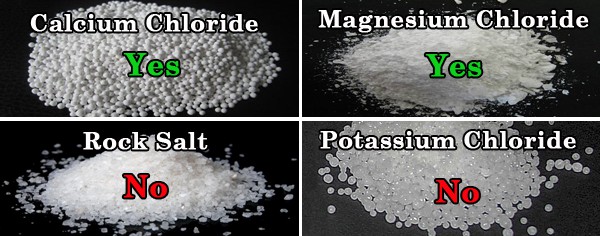
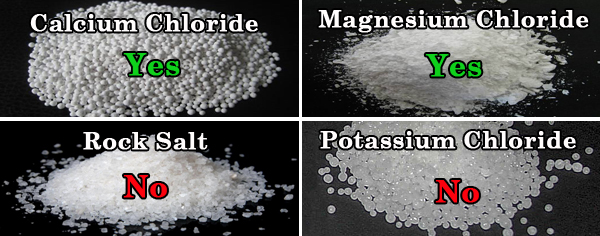
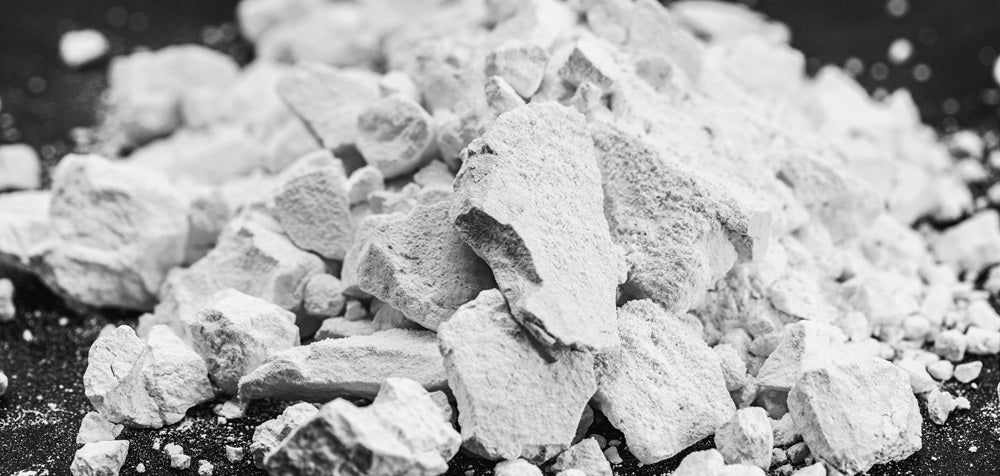
Rock salt is sodium chloride, the same basic compound as table salt, but in a coarse form. It comes in crystals and is often tinted to improve visibility on pavement. Calcium chloride is a different salt entirely, made of calcium and chloride ions, sold as pellets, flakes, or liquid brine.
Both reduce the freezing point of water, but they behave differently. Calcium chloride is hygroscopic, so it pulls moisture from the air to form brine fast. Rock salt needs some moisture from snow, sleet, or pre-wetting to get going. When people compare rock salt vs calcium chloride, they’re really choosing between speed, temperature range, and cost.
In my field work, I’ve seen rock salt shine in average winter days and calcium chloride win in bitter cold snaps. Knowing which one fits your weather makes your work easier and safer.
How They Melt Ice: The Chemistry in Plain English
Both deicers create brine. Brine breaks the bond between ice and the surface. That stops refreezing and lets you shovel or plow clean.
Here’s the key difference:
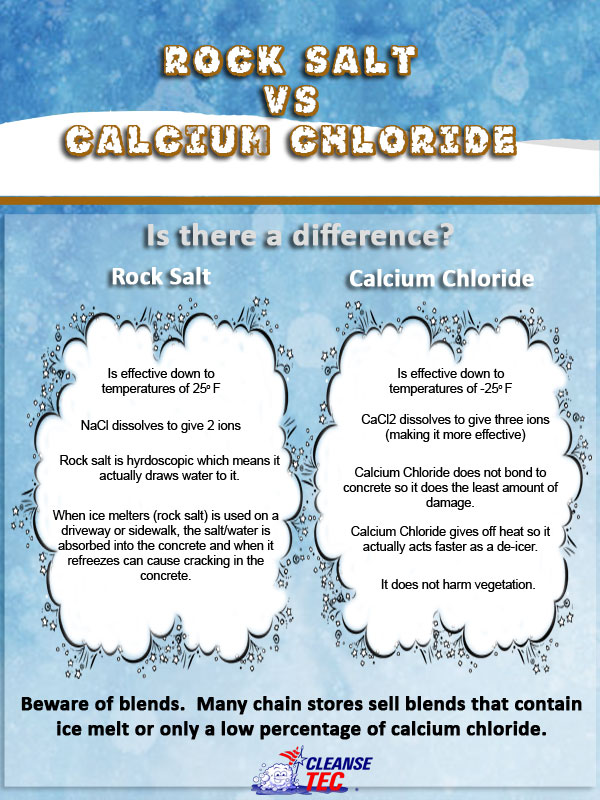
- Calcium chloride releases heat when it dissolves. That kick-starts melting, even in deep cold.
- Rock salt does not release heat. It still works, but it needs higher temperatures and time.
Typical performance numbers you can trust:
- Rock salt works best above 20°F (about −6°C). Practical limits sit near 15°F (−9°C).
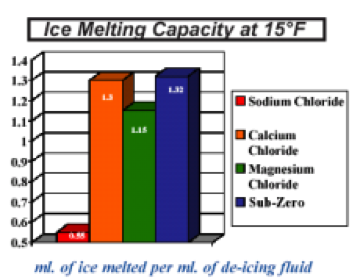
- Calcium chloride keeps melting down to about −25°F (−32°C). It works fast at 0°F and below.
So, in the debate of rock salt vs calcium chloride, the chemistry favors calcium chloride for speed and cold weather reliability. That’s why crews use it for overnight freezes and early-morning black ice.
Performance Comparison: Speed, Grip, and Surface Impact
Speed to brine
- Calcium chloride forms brine within minutes. It often shows results in 5–10 minutes.
- Rock salt can be slower in dry cold. Pre-wetting or mixing can help.
Temperature range
- Rock salt is fine for typical winter days.
- Calcium chloride is the pick for polar blasts and shaded areas.
Residual effect
- Calcium chloride can keep working longer due to moisture attraction.
- Rock salt may need reapplication when temps drop or traffic scatters the crystals.
Surface impact
- All chlorides can harm concrete over time, especially on new pours under one year.
- Freeze-thaw cycles and trapped brine can cause scaling and spalling.
- Use modest application rates and sweep up leftover pellets.
If you’re weighing rock salt vs calcium chloride for a concrete driveway, be cautious with both. Seal concrete, avoid overuse, and choose a deicer mix if your slab is young. I learned this the hard way after a brand-new walkway scaled in spring due to heavy-handed salting during a cold snap.
Cost and Availability
Budget matters a lot in winter operations. Here’s what you can expect:
- Rock salt is widely available and the most affordable choice.
- Calcium chloride costs more per bag, often two to five times the price.
- Pellets of calcium chloride melt more ice per pound, which can offset some cost.
For large lots, many crews blend products to balance budget and performance. When I managed a small property portfolio, I used rock salt early in the storm and calcium chloride for the refreeze window. The combo saved money and reduced slip claims. That is a smart way to approach rock salt vs calcium chloride across a whole season.
Safety, Pets, and the Environment
Feet, paws, and plants matter. Use care with both products.
- Pets and people: Both can irritate skin and paws. Calcium chloride can sting more. Rinse paws and boots. Use booties for pets if possible.
- Metals and vehicles: All chlorides can speed up corrosion on steel and car parts. Wash vehicles and use sealants on sensitive equipment.
- Soil and water: Chloride runoff affects plants and waterways. Sodium can damage soil structure. Sweep up excess to reduce impact.
If pet safety is top priority, consider a pet-friendly product like calcium magnesium acetate. It costs more, but it is gentler. Still, smart use of any product beats heavy use of a “safer” one. That’s a hidden angle in the rock salt vs calcium chloride decision that many miss.
Application Tips and Best Practices
Use less and get more melt with these steps:
- Shovel first. Remove as much snow and slush as you can before salting.
- Apply light, even coverage. More is not better. Aim for a peppered look, not a white crust.
- Typical rates for sidewalks
- Rock salt: about 2–4 ounces per square yard.
- Calcium chloride: about 1–2 ounces per square yard.
- Pre-wet if you can. A little brine speeds action and reduces bounce.
- Sweep up leftover pellets after the storm and re-use them.
Working mix ideas that have served me well:
- 80 percent rock salt, 20 percent calcium chloride for cold mornings.
- Straight calcium chloride for black ice at night or below 10°F.
- Add traction media like sand or fine grit if you need instant grip.
I’ve tested these in parking lots with heavy foot traffic. The right blend cut slips and cut material use by a third. That practical edge is why rock salt vs calcium chloride is not always an either-or choice.
Storage and Handling
Protect your product and your people:
- Keep bags sealed and off the floor on pallets.
- Store indoors and dry. Calcium chloride is hygroscopic and will clump fast.
- Label and keep away from fertilizers or reactive materials.
- Wear gloves and eye protection when handling pellets or brine.
- Calibrate your spreader each season to avoid waste.
Good storage keeps calcium chloride from turning into a brick. Good handling keeps rock salt flowing so you can spread an even, light layer. These simple steps tip the rock salt vs calcium chloride value equation in your favor.
Choosing the Right Deicer: A Simple Framework
Make your pick based on weather, surface, and budget:
- Mild to moderate winters: Rock salt is cost-effective and reliable.
- Very cold climates or night shifts: Calcium chloride is the safer bet.
- Fresh concrete under one year: Avoid chlorides if you can. Use traction or alternatives.
- Pet-heavy areas: Use minimal chloride and consider pet-safe blends.
- Large sites: Blend products to hit performance and budget targets.
If you manage multiple properties, standardize your plan. Train crews on rates. Track results with a quick log. You will get repeatable outcomes and lower costs. This turns the rock salt vs calcium chloride debate into a simple, data-backed choice each storm.
Frequently Asked Questions of rock salt vs calcium chloride
Is calcium chloride better than rock salt?
It depends on your needs. Calcium chloride works faster and at lower temperatures, while rock salt is cheaper and fine for average winter days.
Will either product damage concrete?
All chlorides can damage concrete over time, especially new slabs. Use minimal amounts, seal surfaces, and sweep up leftovers to reduce risk.
Which is safer for pets, rock salt or calcium chloride?
Both can irritate paws and skin. Rinse paws after walks, use pet booties, and choose pet-friendly alternatives for sensitive areas.
Can I mix rock salt and calcium chloride?
Yes, many pros use blends to balance speed, low-temperature performance, and cost. A common mix is 80 percent rock salt and 20 percent calcium chloride.
How much should I apply on sidewalks?
Use a light, even spread. Roughly 2–4 ounces per square yard for rock salt and 1–2 ounces per square yard for calcium chloride is a good start.
What temperature is too cold for rock salt?
Rock salt struggles below about 15°F. Calcium chloride is a better choice for near-zero or subzero conditions.
Does calcium chloride leave residue?
It can leave a damp film due to moisture attraction. Sweep and rinse as needed, and use entry mats indoors to protect floors.
Conclusion
Rock salt vs calcium chloride comes down to trade-offs: cost versus speed, and mild winter versus deep cold. Rock salt is the budget workhorse for most days. Calcium chloride is the specialist for fast melt and subzero reliability.
Pick one, or blend both, based on your weather and surfaces. Start with light applications, shovel first, and store product well. Ready to winter-proof your routine? Subscribe for more hands-on guides, or drop a comment with your climate and I’ll help you build a custom deicer plan.