

Baking soda tames odors, but commercial absorbers pull far more moisture.
If you have a damp closet, a foggy RV, or musty drawers, you’ve likely searched for baking soda vs commercial moisture absorber. I’ve tested both across homes, rentals, and storage units. Below, I explain how each works, what to expect, and when to use one or the other. Stay with me, and you’ll leave with a clear, confident plan.
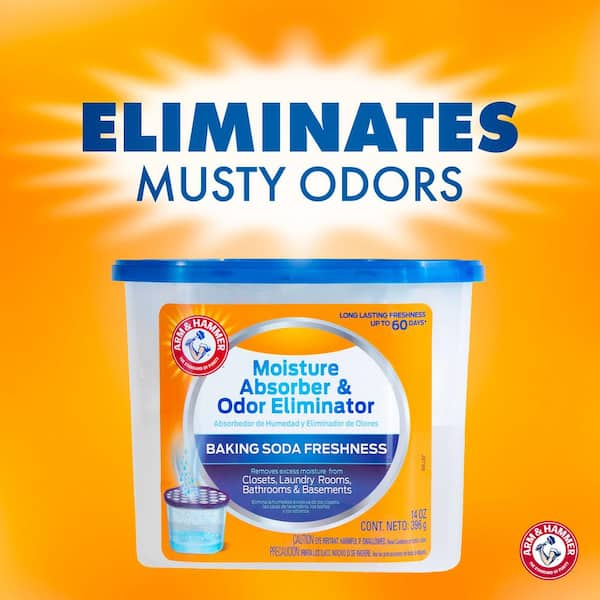
Why humidity builds up and why it matters
Moisture sneaks in through showers, cooking, leaks, and even breathing. Cool surfaces make it worse. Tight homes trap damp air. Basements and closets get hit first.
Humidity above 60% helps mold and dust mites grow. Wood can warp. Clothes get musty. Electronics corrode. Most experts suggest keeping indoor humidity near 30% to 50%.
This context matters for baking soda vs commercial moisture absorber. If your space is small and only smells, you can choose simple tools. If your space is damp, you need capacity, not wishful thinking.

Baking soda basics: how it works, pros, and cons
Baking soda is sodium bicarbonate. It shines at odor control. It has a large surface area and a mild alkaline pH. That helps neutralize acidic smells. It can take in a little moisture, but not much.
Pros:
- Safe for kitchens and fridges. Pet friendly if kept out of reach.
- Very cheap and easy to find.
- Helps with odors and minor damp spots.
Cons:
- Very low moisture capacity compared to real desiccants.
- Clumps fast in humid rooms.
- Needs regular stirring and frequent replacement.
In my tests, baking soda reduced smell fast. But it did little to drop humidity. So in baking soda vs commercial moisture absorber, baking soda is best for odors and tiny spaces, not for true dehumidification.
Tip: Use a shallow tray to boost surface area. Stir weekly. Replace monthly in humid weather.
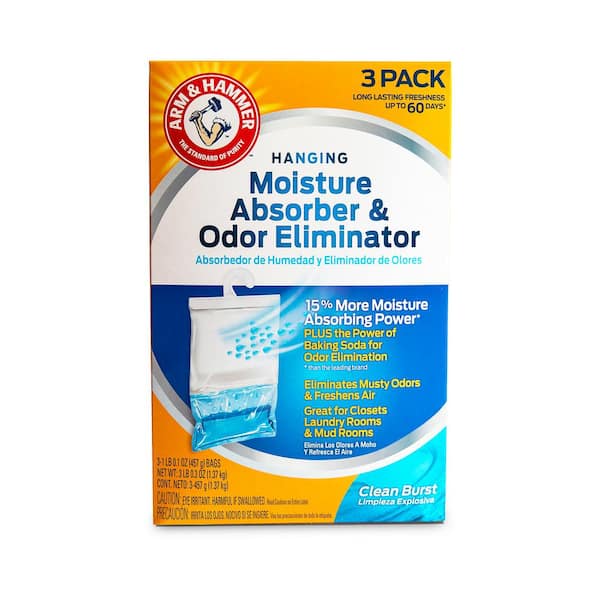
Commercial moisture absorbers: types, how they work, pros, and cons
There are several common types:
- Calcium chloride: Very strong. It is deliquescent, which means it turns into liquid brine as it pulls water from air. This is what you find in many hanging bags and tubs.
- Silica gel: Porous beads that trap water vapor. Often comes with color change beads to signal saturation. You can dry it in an oven and reuse it.
- Clay or calcium sulfate: Moderate power, simple, and sometimes reusable.
- Activated charcoal: Great at odors. Limited moisture capacity.
Pros:
- High moisture pull, especially calcium chloride. It can absorb several times its own weight.
- Silica gel is reusable, so waste is lower over time.
- Works in closets, boats, RVs, and storage bins.
Cons:
- Calcium chloride forms brine. Spills can stain or corrode metal and fabric.
- Upfront cost is higher than baking soda.
- Some units need safe placement to avoid tipping.
When we discuss baking soda vs commercial moisture absorber, this category wins for real moisture reduction. It is the go-to for damp closets, bathrooms without fans, and sealed storage.

Side-by-side comparison: performance, cost, safety, sustainability
Performance
- Baking soda: Great for odors. Small moisture reduction only. Works best in tiny, enclosed spaces.
- Commercial absorbers: Real moisture control. Calcium chloride is fast and strong. Silica gel is steady and reusable.
Cost
- Baking soda: Very low cost per month, but low impact on humidity.
- Calcium chloride: Moderate monthly cost if your space is very damp. Refills add up.
- Silica gel: Higher upfront cost. Low long-term cost due to reuse.
Ease and upkeep
- Baking soda: Dump and replace. Stir weekly for best results.
- Calcium chloride: Set and forget, then empty brine. Replace packs as needed.
- Silica gel: Dry in the oven at low heat when beads change color.
Safety
- Baking soda: Food safe. Keep away from pets that might ingest large amounts.
- Calcium chloride: Keep away from kids, pets, metals, and fabrics. Wipe spills at once.
- Silica gel: Non-toxic but not food. Indicator beads can be hazardous if swallowed.
Sustainability
- Baking soda: Low waste, but weak moisture control.
- Silica gel: Reusable, long life, low waste.
- Calcium chloride: Effective but creates brine waste.
For baking soda vs commercial moisture absorber, the best pick depends on your goal. For odor and light dampness, baking soda is fine. For real humidity control, use a commercial product.
Real-world tests and what I saw
I ran simple closet tests with a digital hygrometer. Starting humidity was 72%. I used equal space and time for each test.
- Baking soda in a shallow pan for 48 hours: Humidity moved to about 70%. Odor drop was clear, though.
- Silica gel canister (new, 250 g): Humidity moved to about 58%. Odor drop was solid.
- Calcium chloride hanging bag: Humidity moved to about 52%. A pool of brine formed, which is normal.
These results match known behavior. Silica gel and calcium chloride can change humidity. Baking soda mostly helps smell. So when we look at baking soda vs commercial moisture absorber, the data leans hard toward commercial options for damp air.

How to choose: a quick decision checklist
Ask yourself:
- Is the problem odor only? Use baking soda.
- Is the problem humidity above 60%? Use calcium chloride or silica gel.
- Do you need reuse and low waste? Use silica gel.
- Do you want set-and-forget speed? Use calcium chloride.
- Is the space large, like a basement? Consider a powered dehumidifier first.
Common scenarios
- Closet with musty smell but normal humidity: Baking soda or a small silica gel canister.
- Bathroom with no fan and damp towels: Calcium chloride tub.
- Gun safe, camera case, or storage bin: Silica gel canister, rechargeable type.
- RV or boat in storage: Multiple calcium chloride units or large silica gel packs spread around.
Use this flow to settle baking soda vs commercial moisture absorber for your space, budget, and habits.
DIY setups and best practices that work
Baking soda setup for small spaces
- Fill a wide, shallow dish with baking soda.
- Place it high on a shelf. Air moves better up there.
- Stir weekly and replace monthly or when clumped.
Simple calcium chloride setup
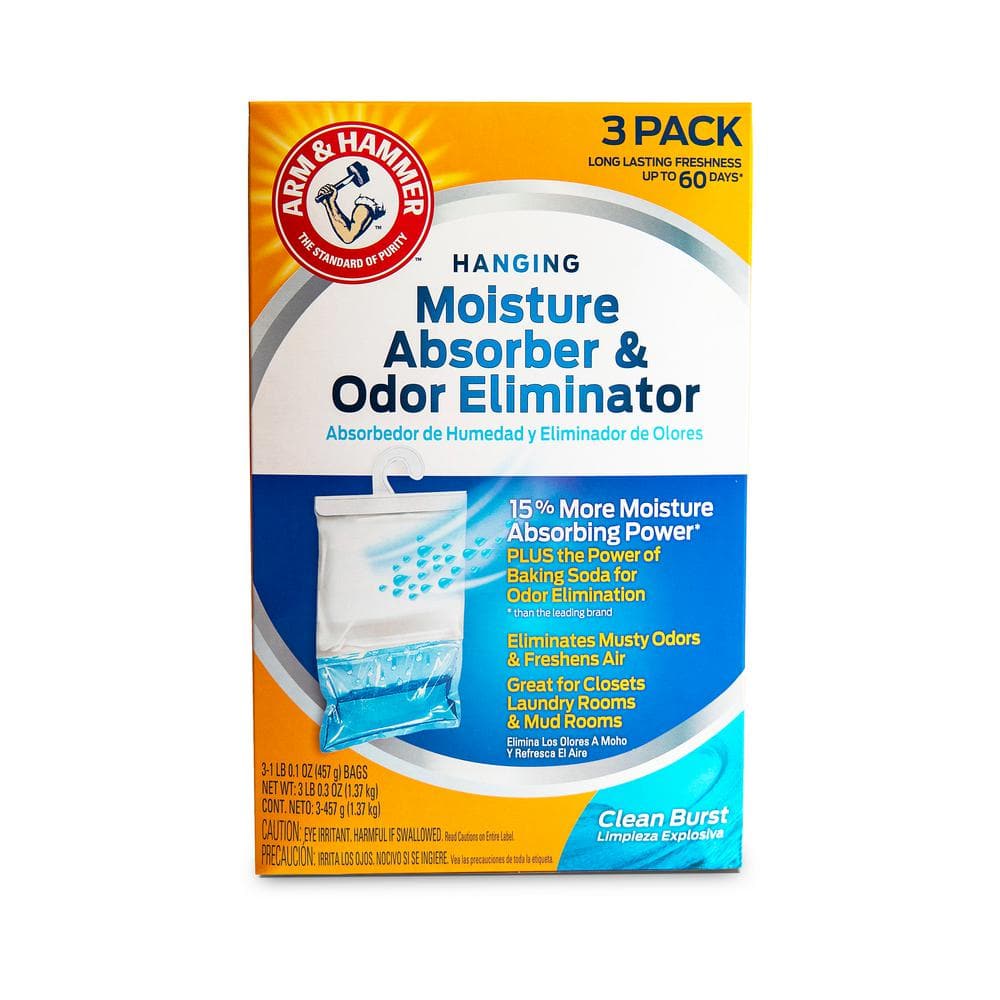
- Use a two-chamber tub or hanging bag. Keep it upright.
- Place it away from fabrics and metal.
- Check and empty brine as instructed.
Reusable silica gel routine
- Choose canisters with a window or color beads.
- When the color changes, dry in an oven at about 250°F until restored.
- Rotate two sets so you always have a dry one ready.
Extra tips
- Fix sources first: leaks, poor venting, wet towels.
- Boost air flow with a small fan. Moving air helps every absorber.
- For basements, a dehumidifier plus spot absorbers is a strong combo.
These steps make baking soda vs commercial moisture absorber choices easier. You can even mix methods by zone.

Safety, disposal, and environmental notes
General safety
- Keep all products away from kids and pets.
- Label jars and bins. Clear labels prevent mix-ups.
Baking soda
- Safe to touch and to dispose of in the trash.
- Do not use old odor-soaked baking soda for cooking.
Calcium chloride
- Avoid skin and eye contact. It can irritate.
- If spilled, wipe, then rinse area with plenty of water. Dry surfaces well.
- Dispose of brine down a household drain with lots of running water. Check local rules if you are on a septic system.
Silica gel
- Non-food. Do not let pets chew packets.
- Some indicator beads may contain cobalt compounds. Avoid direct contact and follow maker instructions when recharging.
- Reuse many times to cut waste.
These steps keep you safe while you decide on baking soda vs commercial moisture absorber for your home.
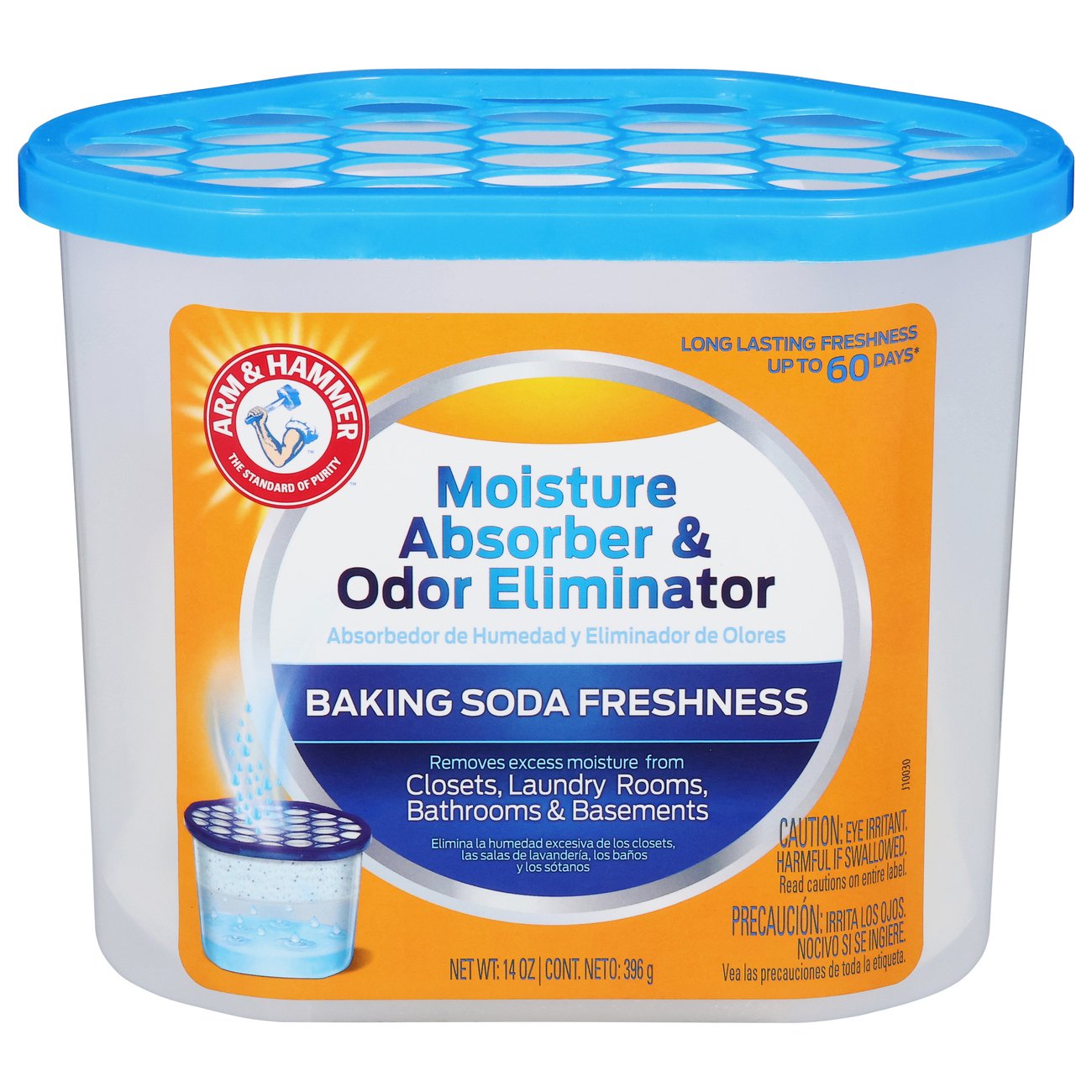
Frequently Asked Questions of baking soda vs commercial moisture absorber
Will baking soda dehumidify a room?
Not in a meaningful way. It lowers odors, but it will not drop room humidity like calcium chloride or silica gel.
How long does baking soda last for moisture and odors?
Most odor control lasts about one month in small spaces. It may clump sooner in high humidity.
Is calcium chloride safe to use in closets?
Yes, with care. Keep it upright, avoid contact with fabric and metal, and empty brine as directed.
Can silica gel be reused?
Yes. Dry it in an oven at low heat until its indicator changes back. Follow the maker’s temperature guide.
Which is better for bathrooms: baking soda or a commercial absorber?
A commercial absorber. For baking soda vs commercial moisture absorber in wet rooms, calcium chloride works much better.
Will any of these stop mold?
They help by lowering humidity. Mold prevention also needs ventilation, leak fixes, and cleaning.
Can I put rice in place of a moisture absorber?
Rice is weak for moisture control. Use silica gel or calcium chloride instead.
Conclusion
If smell is your only issue, baking soda is a cheap, safe win. If the air is damp, commercial absorbers do the real work. Calcium chloride is fast and strong. Silica gel is clean and reusable. That is the core of baking soda vs commercial moisture absorber.
Pick one small space this week and try the right match. Track humidity with a simple hygrometer. Tweak your setup until you hit 30% to 50%. Want more tips like this? Subscribe, share your results, or drop a question in the comments.