

Moisture absorbers fit small spaces; dehumidifiers manage whole-room humidity with power.
If you are asking whether a bag of crystals can do the job of a machine, you are already ahead. In this guide, I break down moisture absorber vs dehumidifier with real numbers, clear use cases, and hands-on tips from years of solving damp rooms. Stick with me and you will know exactly what to buy, where to use it, and how to keep indoor air in that healthy, comfortable range.
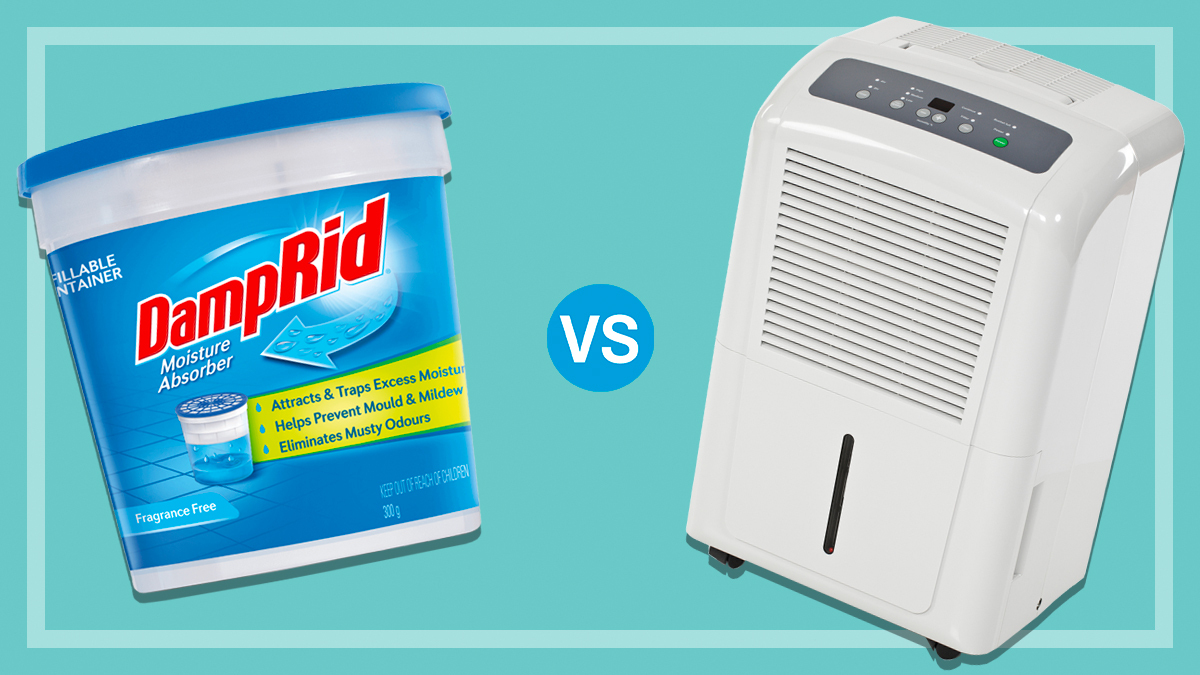
Moisture Absorber vs Dehumidifier: The Real Difference
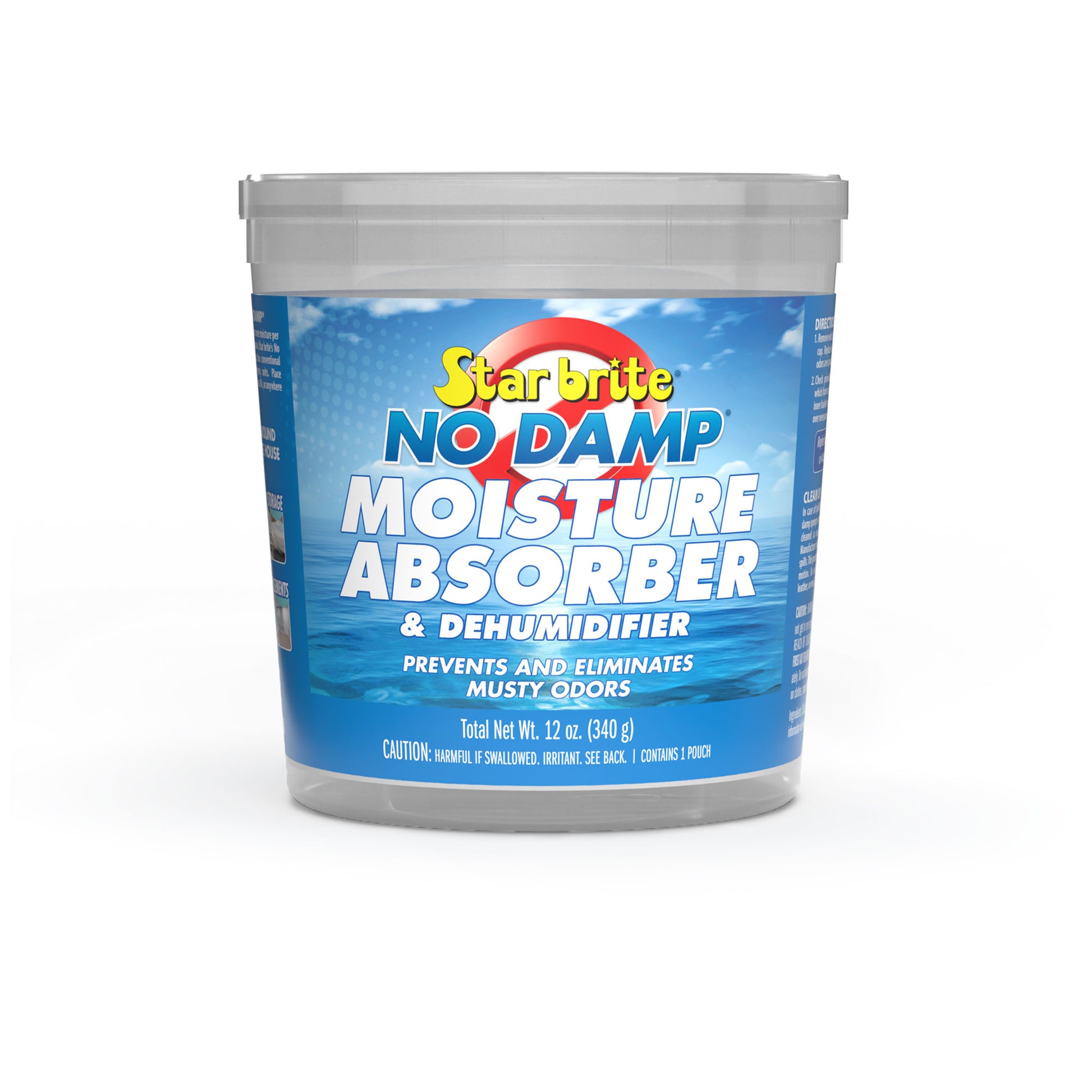
A moisture absorber uses a desiccant, like calcium chloride or silica gel, to pull water from the air. It works passively. There is no fan, no power, and it is best for small, enclosed spaces.
A dehumidifier is an active appliance with a fan. Most use a cold coil to condense water, then drain it into a tank or hose. Some use a desiccant wheel for cooler climates. When you compare a moisture absorber vs dehumidifier, the big difference is scale, speed, and control. The EPA and ASHRAE suggest keeping indoor humidity near 30% to 50%. A dehumidifier can hit and hold that range in a room. A tub of crystals cannot.
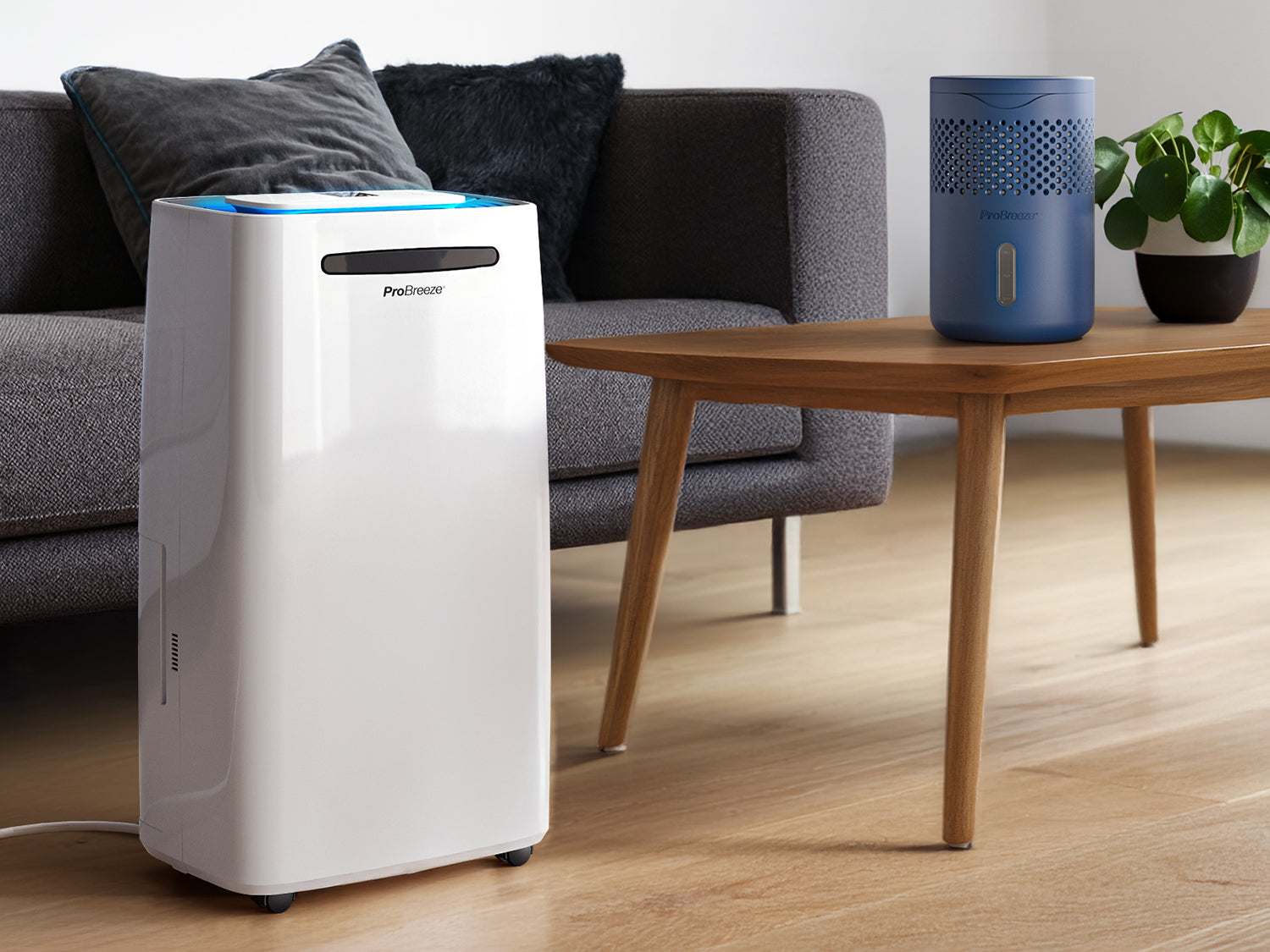
How Each One Works
- Use hygroscopic salts or gels that attract water.
- Water collects in a reservoir or is locked into beads.
- No electricity, silent, and simple. Performance depends on room size and airflow.
Dehumidifiers
- Draw air across a cold coil to condense moisture, or across a warm desiccant wheel.
- Use a fan to move air, then reheat it slightly before pushing it back out.
- Offer set-and-forget control with a humidistat.
Think of moisture absorber vs dehumidifier like a sponge versus a pump. The sponge helps with drips. The pump clears the room.
Pros and Cons
Moisture absorbers
- Pros: Cheap, portable, silent, no power, great for closets, cabinets, or totes.
- Cons: Slow, limited capacity, frequent refills, no humidity control, easy to overwhelm in damp rooms.
Dehumidifiers
- Pros: Fast moisture removal, precise humidity control, continuous drain options, better for health and mold control.
- Cons: Higher upfront cost, uses electricity, some noise, needs filter cleaning.
If you are weighing moisture absorber vs dehumidifier, ask how fast you need results and how big the space is.
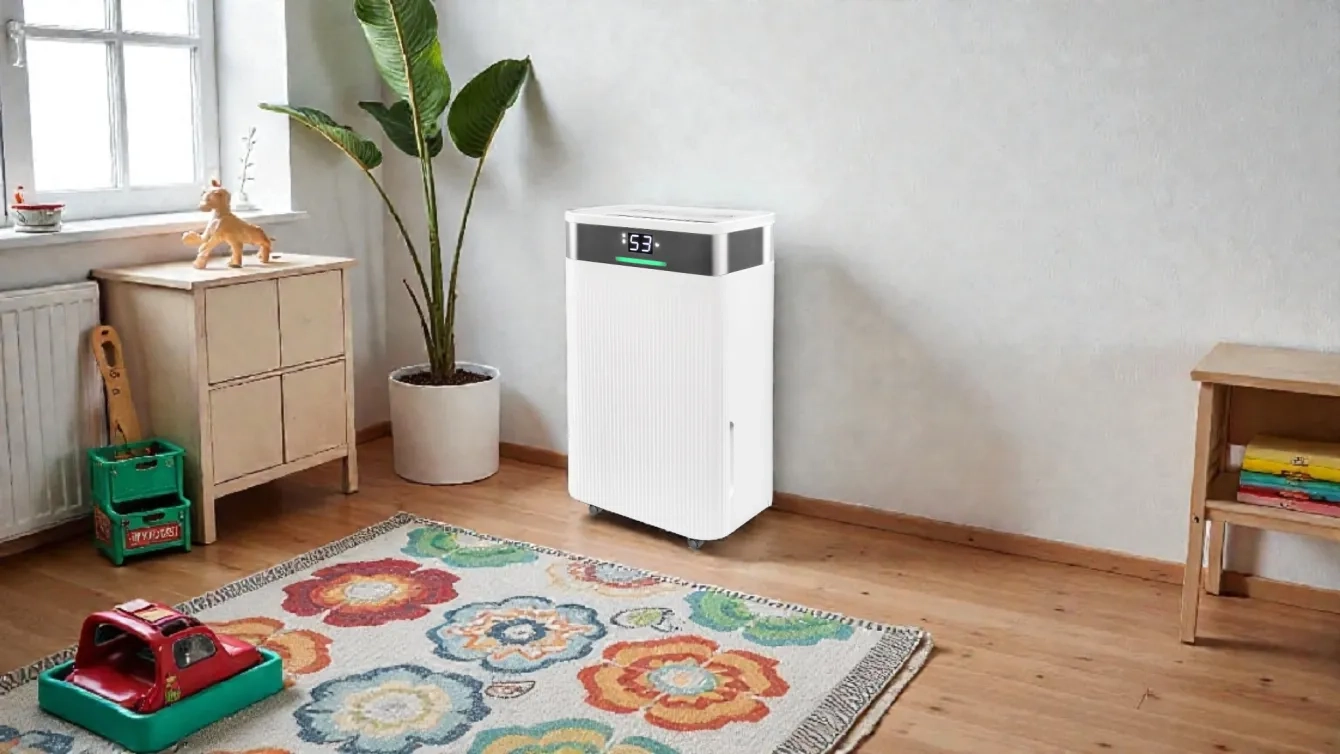
When To Use Each: Room, Climate, Need
Use moisture absorbers when
- You have small, enclosed areas like closets, gun safes, pantries, RV cabinets, or storage bins.
- You need a cheap, simple buffer during seasonal humidity spikes.
- Power is limited or unavailable.
Use dehumidifiers when
- A whole room or basement feels damp or smells musty.
- Relative humidity sits above 55% to 60% for hours.
- You want steady control to prevent mold and dust mites.
- You live in a humid climate or have water intrusion risk.
For tricky decisions, compare moisture absorber vs dehumidifier by measuring room humidity. A small hygrometer costs a few dollars and tells you the truth in minutes.
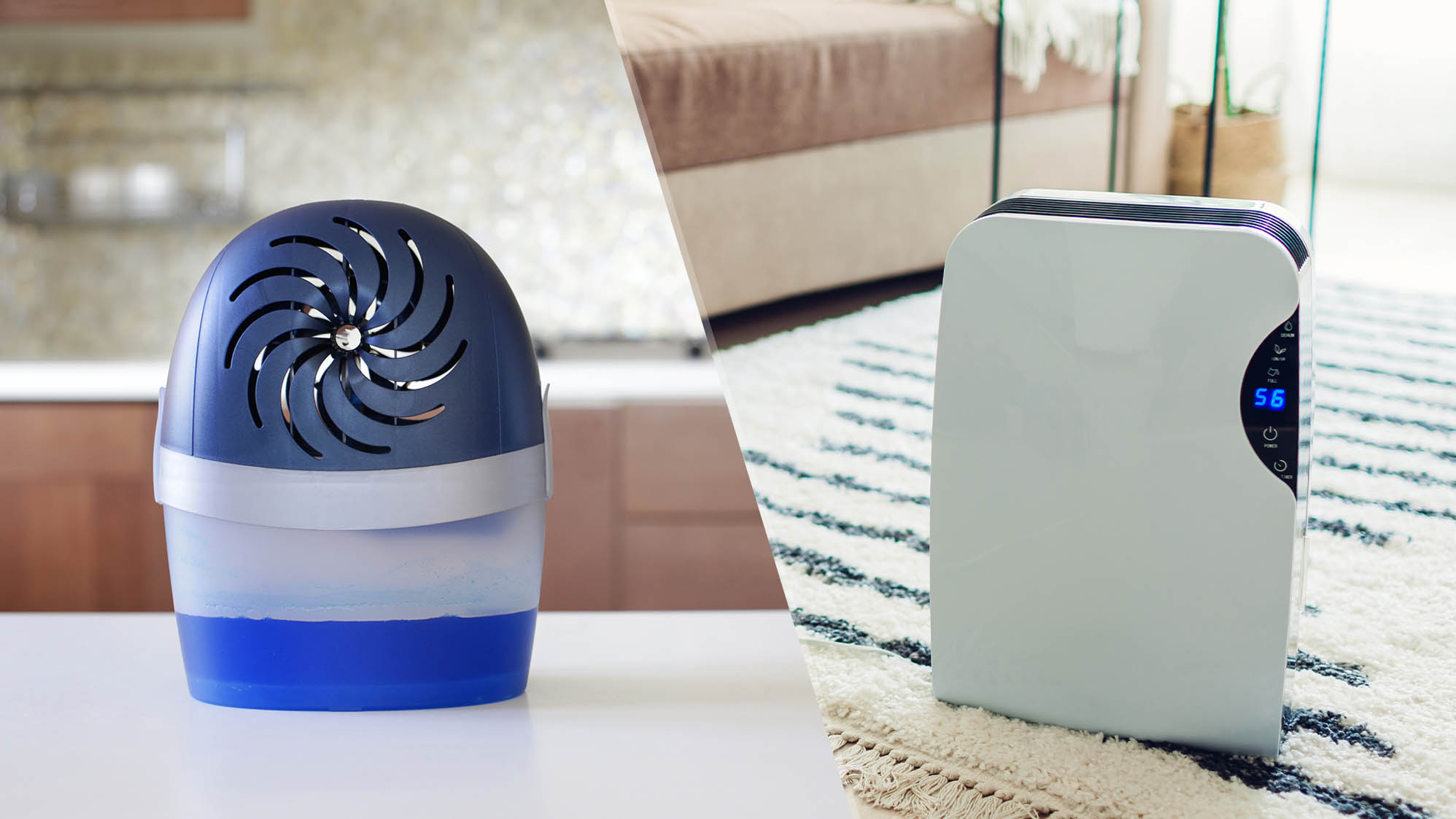
Cost, Energy, and Maintenance
Upfront cost
- Moisture absorbers: 5 to 15 dollars per tub or pack.
- Portable dehumidifiers: about 150 to 350 dollars for most homes. Larger or whole-home units can run higher.
Ongoing cost
- Absorbers need refills. In a very damp closet, you might replace monthly. Over a year, that can beat a small dehumidifier’s power bill.
- Dehumidifiers draw power. A 35‑pint unit often uses 300 to 500 watts while running. At typical rates, many households spend about 5 to 25 dollars per month in humid seasons. ENERGY STAR models cut that.
Maintenance
- Absorbers: Safely dispose of liquid, avoid spills, keep away from pets and kids.
- Dehumidifiers: Empty or drain the tank, clean the filter, check for ice in cold rooms, and vacuum coils once or twice a year.
Budget-wise, moisture absorber vs dehumidifier comes down to space size and time. For one closet, absorbers win. For a basement, a dehumidifier pays for itself in comfort and control.
Health, Mold, and Air Quality
Mold and dust mites love moisture. Many species grow when humidity stays above about 60%. Mites thrive above 50%. The EPA and ASHRAE point to 30% to 50% RH as a healthy target for most homes, up to 60% in summer.
A dehumidifier lets you set the target and hold it. That steady control helps protect drywall, wood floors, books, and electronics. Comparing moisture absorber vs dehumidifier on health, the active machine is far more effective for rooms people live in.

Buying Guide and Sizing Tips
For dehumidifiers
- Capacity: The DOE 2019 test standard rates pint-per-day capacity. For a damp 300 to 500 sq ft room, many people choose 20 to 35 pints. For a wet basement up to 1,200 sq ft, consider 35 to 50 pints.
- Features: Look for a humidistat, continuous drain, built-in pump if your drain is higher, auto defrost for cooler spaces, and low-noise modes.
- Energy: ENERGY STAR models use less power and often have better controls.
For moisture absorbers
- Media: Calcium chloride is fast and strong. Silica gel is clean and reusable in some formats.
- Size match: Packages list the cubic feet they cover. In larger closets, you may need two or more units.
- Safety: Keep containers upright and away from pets. The brine can damage metals or fabrics if spilled.
If you feel stuck on moisture absorber vs dehumidifier, choose a small dehumidifier for any space where you sit, sleep, or store valuables.

Real-World Examples and Lessons Learned
My first test was a damp basement office that hovered at 65% RH in summer. Two large tubs of calcium chloride made a tiny dent. Papers still curled, and the room smelled musty. A 35‑pint ENERGY STAR dehumidifier dropped humidity to 45% in a day. The smell vanished.
I also keep silica gel canisters in camera bags and a calcium chloride cup in a hall closet. Those spaces stay dry without a machine. Lesson learned: moisture absorber vs dehumidifier is not either-or. Use absorbers for micro spaces. Use a dehumidifier for rooms.
Big mistake to avoid: relying on absorbers in a bathroom without a fan. They fill too fast, and you still get mildew. Fix ventilation first, then add a small dehumidifier if needed.

Setup, Placement, and Safety
Dehumidifier placement
- Put it near the center or the dampest area with a few feet of clearance.
- Close windows and doors when it runs.
- Use a drain hose into a floor drain or sink for continuous use.
- Clean the filter every month in humid seasons.
Moisture absorber placement
- Set cups low in closets or under sinks where air is still.
- Use more than one in long closets or large cabinets.
- Check and replace before the reservoir overflows.
Safety
- Keep salts away from children and pets.
- In cold rooms, choose a desiccant dehumidifier or a unit with strong low-temp performance to avoid coil icing.
When comparing moisture absorber vs dehumidifier, correct placement boosts results more than most people expect.
Quick Comparison Checklist
- Space size: Closet or tote? Use a moisture absorber. Whole room? Use a dehumidifier.
- Humidity level: Above 55% RH for hours? A dehumidifier is the practical choice.
- Speed: Need results today? Dehumidifier.
- Power and noise: No outlet or must be silent? Moisture absorber.
- Ongoing cost: Frequent refills versus power use. Do the math for your climate.
- Health focus: Allergies, mold risk, wood floors? Dehumidifier with a set RH target.
Use this list every time you weigh moisture absorber vs dehumidifier for a new space.
Frequently Asked Questions of moisture absorber vs dehumidifier
Is a moisture absorber as good as a dehumidifier?
No. Absorbers help in small, enclosed spaces. A dehumidifier removes more moisture faster and controls room humidity.
What humidity level should I aim for indoors?
Most experts recommend 30% to 50% RH, up to 60% in summer. A dehumidifier makes it easy to hold that range.
Can I use both a moisture absorber and a dehumidifier together?
Yes, and it can help. Use the dehumidifier for the room and absorbers in closets, cabinets, or gear bags.
How do I size a dehumidifier correctly?
Match pints per day to room size and dampness. For a damp small room, 20 to 35 pints works; for a wet basement, 35 to 50 pints is common.
Are desiccant dehumidifiers better than compressor models?
Desiccant units handle cooler rooms well and run quieter. Compressor models are more energy-efficient in warm spaces.
Do moisture absorbers prevent mold?
They can help in small spaces but do not control room humidity. For real mold prevention, use a dehumidifier and fix leaks and ventilation.
How long do moisture absorbers last?
It depends on humidity and size. Some last weeks; very damp spaces may need replacement in days.
Conclusion
Choosing between moisture absorber vs dehumidifier is simple when you match the tool to the job. Use absorbers for micro spaces, like closets and boxes. Use a dehumidifier for rooms, steady control, and healthier air.
Grab a cheap hygrometer, test your space, and set a clear goal. If you need fast, reliable control under 50% RH, get a dehumidifier. If you are just keeping a cabinet dry, a moisture absorber is perfect. Want more home comfort tips? Subscribe, ask a question, or share your humidity challenge in the comments.