

Use an exhaust fan for steam and odors; use absorbers for small, closed areas.
If you are weighing moisture absorber vs exhaust fan, you are in the right place. I help homeowners solve damp rooms, steamy baths, and closet mustiness every week. This guide breaks down what each tool does, when to use it, and how to size and place it. You will see real results, not guesswork.

Moisture absorber vs exhaust fan: what’s the real difference?
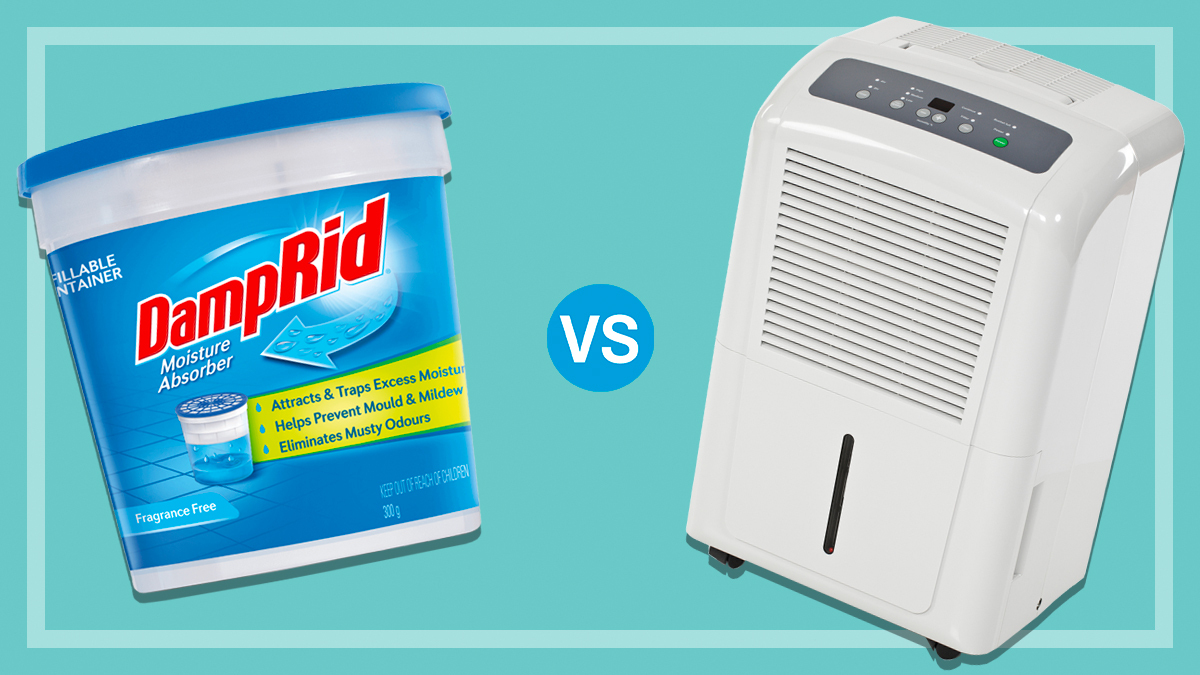
A moisture absorber traps water from the air. An exhaust fan pushes wet air out of the room. That is the core difference.
Think of an absorber as a sponge. It sits in a quiet spot and soaks up humidity. Think of a fan as a vent. It moves air fast and sends moisture outdoors.
Why does this matter? Rooms get wet for different reasons. Showers make steam fast. Basements get damp slow. The best choice depends on the cause, the size of the room, and how often it gets wet. This is the key to the moisture absorber vs exhaust fan debate. Use the right tool for the job, and the space stays dry and fresh.
Key points at a glance:
- Exhaust fans control active moisture and odors in real time.
- Moisture absorbers help in small, enclosed, or no-fan spaces.
- Fans prevent mold better because they remove moisture at the source.
- Absorbers are cheap and simple but have limits and need refills.

How each one works
Moisture absorbers
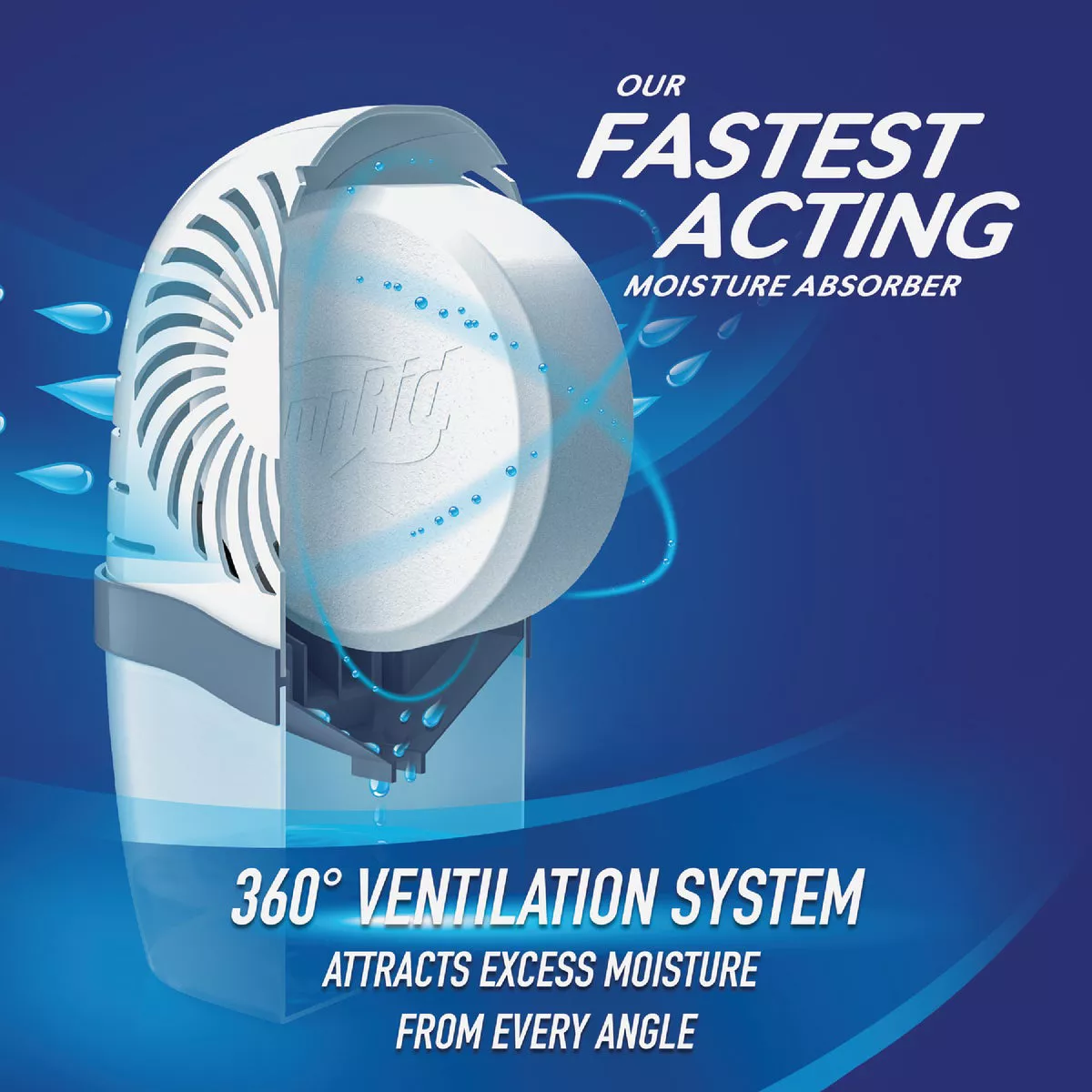
- Use salts like calcium chloride to pull water from air.
- Work best in small, closed spaces with steady dampness.
- Need refills or a recharge when the crystals dissolve.
Exhaust fans
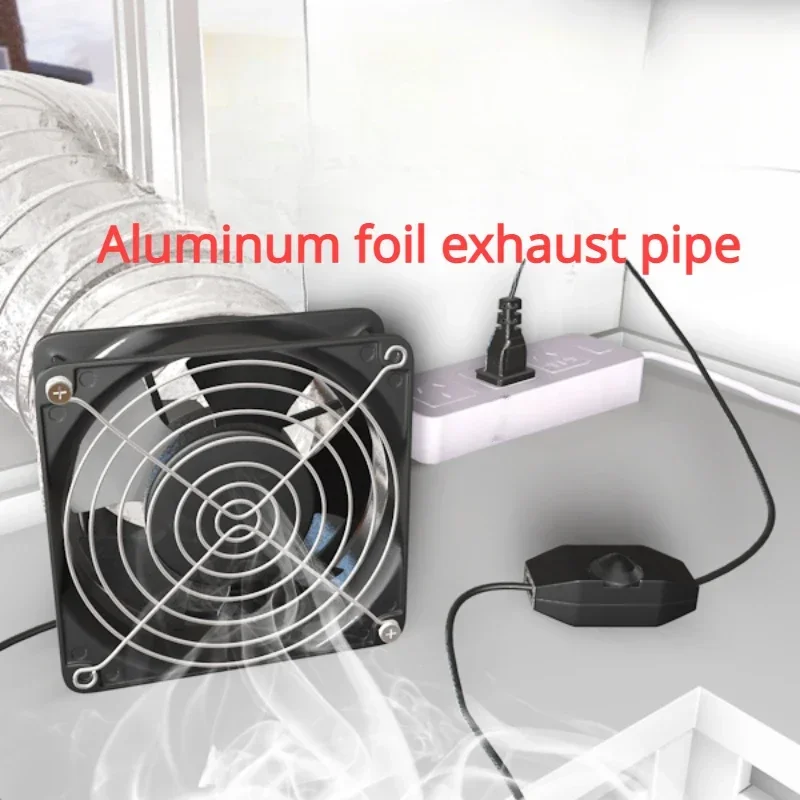
- Use a motor to move air outside the building.
- Remove steam, odors, and indoor pollutants at their source.
- Work best when vented outdoors with a short, straight duct.
In practice, I use both in many homes. A fan handles the shower steam. A small absorber sits in the linen closet to keep towels dry. When people ask moisture absorber vs exhaust fan, I explain they solve different parts of the same puzzle.
When an exhaust fan is the best choice
Use a fan when moisture is made fast or often. If you see fog on mirrors or water on walls, you need airflow. Fans shine in bathrooms, kitchens, and laundry rooms.
What makes fans so effective:
- They control humidity at the source before it spreads.
- They cut mold and mildew risk on paint, grout, and drywall.
- They clear odors and volatile compounds from cleaners and cooking.
What to look for in a fan:
- Airflow: 50 CFM minimum for a small bathroom is common guidance. Larger rooms need more.
- Noise: Pick a quiet unit so you will use it. Look for low sones.
- Ducting: Vent outdoors, not into an attic or crawl space.
Pro tip I teach clients: Run the bathroom fan during the shower and for 20 minutes after. Use a timer switch so you do not forget. This one habit prevents a lot of damage.
When a moisture absorber is the best choice
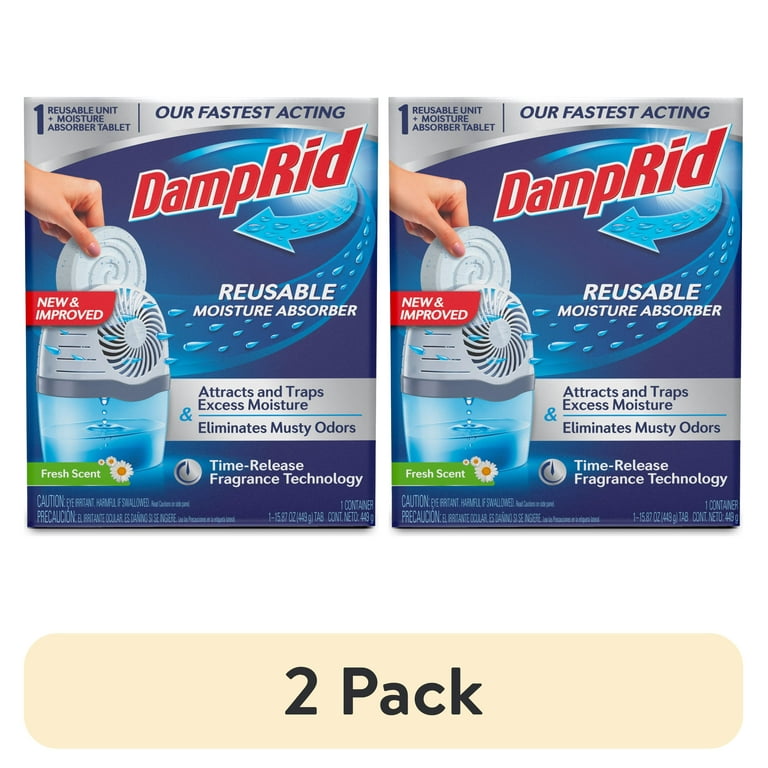
Use an absorber when ventilation is not simple or needed only a little. Think closets, pantries, RVs, toy chests, or a storage bin under a bed. In the moisture absorber vs exhaust fan choice, an absorber wins where you cannot add a duct or power source.
Where absorbers shine:
- Small, closed spaces with mild dampness.
- Seasonal spaces like cabins or boats in storage.
- Drawers with papers, photos, and fabrics.
What to expect:
- A typical tub can capture several ounces of water over weeks.
- You must replace or recharge it when full.
- It will not fix leaks, flooding, or heavy condensation.
Personal tip from my own home office closet: I use a hanging absorber during summer rains. It keeps files crisp. I still open the door now and then to air out. Absorbers help, but fresh air is still the best cure.
Side-by-side: strengths, limits, and common mistakes
Strengths
- Exhaust fan: Fast control, removes steam and odors, lowers mold risk.
- Moisture absorber: Low cost, no power, easy to place anywhere.
Limits
- Exhaust fan: Needs power, ducting, and proper venting.
- Moisture absorber: Small capacity, ongoing refills, slow response.
Common mistakes I see
- Venting a fan into an attic. This can cause mold in the attic.
- Using absorbers to solve a shower steam problem. They cannot keep up.
- Oversizing or undersizing fans. Wrong size means poor results.
- Not sealing building leaks. Fix the leak first, then manage moisture.
Use this lens whenever you think about moisture absorber vs exhaust fan. Each tool has a place. The right choice depends on speed, source, and space.

Sizing and placement made simple
Exhaust fan sizing
- Start with room size. A small bathroom often needs at least 50 CFM.
- Bigger rooms or rooms with a jetted tub may need 80–110 CFM or more.
- Duct matters. Short, straight ducts move more air.
Exhaust fan placement
- Place near the shower or tub for best capture.
- Keep the door undercut so makeup air can enter.
- Vent outdoors with a hood and damper to block backflow.
Moisture absorber sizing
- One small tub per small closet or cabinet.
- Medium rooms may need two or a larger unit.
- Place high shelves for rising humid air, or nearest the damp source.
Tip from field visits: Test your setup. After a hot shower, mirrors should clear in minutes. If not, boost fan size or fix ducting. For absorbers, check the collection cup every two weeks at first. Adjust size or count as needed.
Cost, energy, and noise
Costs to expect
- Exhaust fan: Higher upfront cost for unit and install. Ongoing power use is low.
- Moisture absorber: Very low upfront cost. Ongoing refills add up over time.
Energy
- Fans use modest power. Running 20 minutes after a shower keeps use low.
- Absorbers use no power, but they do use consumables.
Noise
- Pick a quiet fan so you will use it daily.
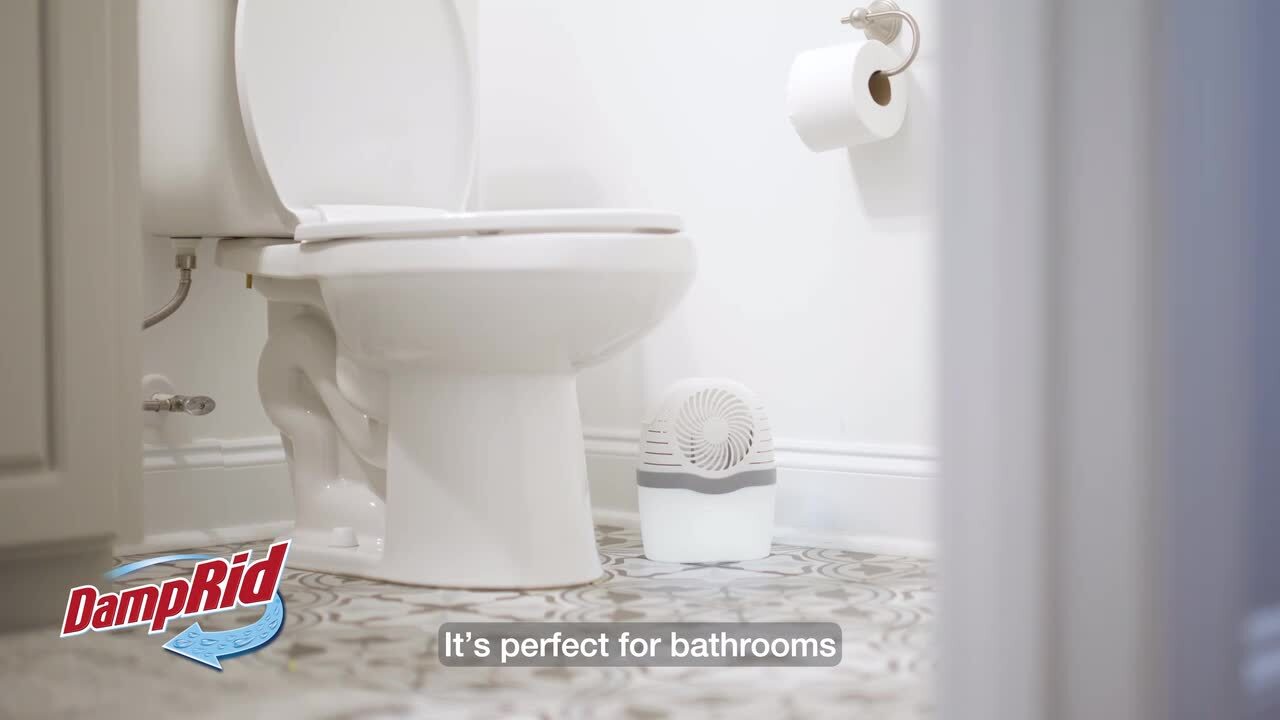
- Absorbers are silent, good for bedrooms and nurseries.
Budget tip: If you must pick one upgrade, choose a quality fan in any space with frequent steam. In the moisture absorber vs exhaust fan choice, a good fan delivers the bigger return.

Health, safety, and building code notes
Why this matters
- High humidity can feed mold and dust mites.
- Mold can trigger allergies and asthma.
- Wet surfaces can damage paint, grout, and wood.
Good practice
- Use fans that vent outdoors, not into attics or crawl spaces.
- Keep indoor relative humidity near 30%–50% when you can.
- Fix leaks and seepage before you manage air moisture.
I have seen homes with new paint and new tile fail within a year. The cause was not the materials. It was trapped moisture. Moisture absorber vs exhaust fan is not only about comfort. It is about health and the life of your home.
Real-world examples and lessons learned
Small bathroom with daily showers
- Problem: Peeling paint and musty smell.
- Fix: 80 CFM fan, timer switch, door undercut.
- Result: Odor gone. Walls stayed dry. No need for absorbers here.
Studio apartment closet
- Problem: Musty clothes in a closet on an outside wall.
- Fix: Hanging moisture absorber and a thin louver on the door.
- Result: Odor dropped fast. Clothes stayed fresh.
Basement storage room
- Problem: Boxes felt damp in summer.
- Fix: Add a small fan to move air to main area, plus two absorbers.
- Result: Good balance. Not perfect, but cardboard stayed firm.
RV during off-season
- Problem: Damp bedding in storage.
- Fix: Three absorbers placed in corners, and vent cracked on dry days.
- Result: No mildew at spring open.
These cases show how to think about moisture absorber vs exhaust fan. Use fans for frequent steam. Use absorbers where ducting is hard or spaces are small.
A simple decision guide
Ask these quick questions
- Do you see steam or fog after showers or cooking? Choose an exhaust fan.
- Is the space small, closed, and only slightly damp? Choose a moisture absorber.
- Can you add a duct and power? If yes, fan first.
- Do you rent and cannot cut walls? Use an absorber and open windows when you can.
- Do odors linger? A fan will help more than an absorber.
Action plan
- Fix leaks and drips before anything else.
- Size the fan right and vent outdoors.
- Add absorbers in closets or storage as a support tool.
- Check results and adjust. If mirrors still fog, upsize the fan.
This takes the guesswork out of moisture absorber vs exhaust fan. Start small, test, and tweak.
Frequently Asked Questions of moisture absorber vs exhaust fan
Which one prevents mold better?
An exhaust fan prevents mold better because it removes wet air fast. Moisture absorbers help in small areas but cannot keep up with heavy steam.
Can I use both at the same time?
Yes. Use a fan for daily moisture and an absorber in closets or cabinets. The two work well together.
Are moisture absorbers safe around kids and pets?
Keep them out of reach. The salts can irritate skin and eyes if spilled. Secure the cup and check often.
How long should I run a bathroom exhaust fan?
Run it during a shower and 20 minutes after. A timer switch makes this easy and consistent.
Can I vent a fan into the attic?
No. That sends moisture into the attic and can cause mold. Always vent outdoors with a proper hood.
Conclusion
Think of it this way. Exhaust fans remove the source. Moisture absorbers manage small leftovers. If your space gets steam or strong odors, choose a fan first. If your space is small, closed, and only a little damp, an absorber is simple and cheap.
Pick one step today. Set a timer on your bath fan. Or place a small absorber in that musty closet. Share your results, ask questions, and subscribe for more home comfort tips.