

Thermo-electric suits small, warm rooms; desiccant excels in cold, high-moisture spaces.
If you are comparing thermo-electric vs desiccant dehumidifiers, you are in the right place. I test gear in real homes, in labs, and on the road. This guide breaks down how each type works, where each wins, and what to buy. Stick around for clear advice, real numbers, and simple steps you can trust.

Thermo-electric vs desiccant: how each technology works
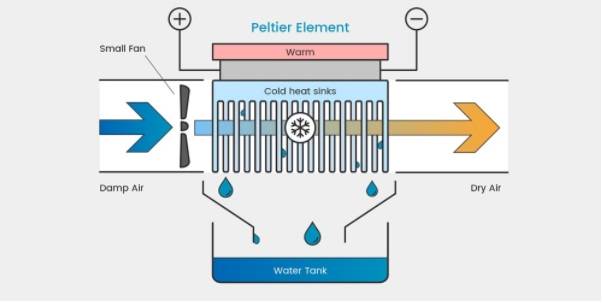
Thermo-electric units use the Peltier effect. A small chip creates a cold side and a hot side when powered. Moist air hits the cold plate, water condenses, and a fan moves warm air away.
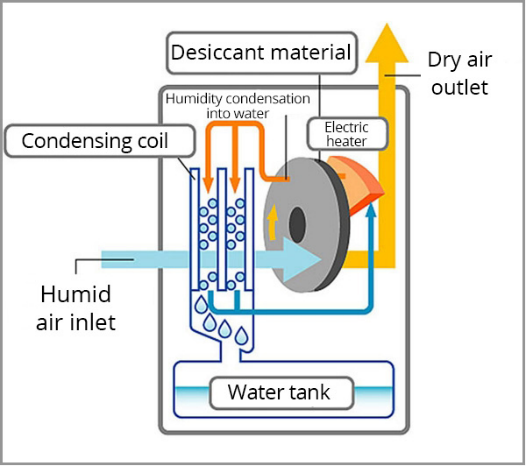
Desiccant units use a moisture-loving material. Most have a rotating wheel coated with silica gel. A heater dries part of the wheel, vents wet air out, and the rest of the wheel keeps pulling water from your room.
Think of thermo-electric like a tiny cold spoon inside a box. Think of desiccant like a sponge that wrings itself out and keeps going. Both remove moisture, but they do it in very different ways that matter in daily use for thermo-electric vs desiccant.

Thermo-electric vs desiccant: strengths and weaknesses
Thermo-electric strengths:
- Low power draw in small spaces. Many units use about 20 to 60 watts.
- Light and quiet. Great for bedrooms, closets, and desktops.
- Simple design. Few moving parts and easy to clean.
Thermo-electric weaknesses:
- Works best in warm rooms. Output drops in cool spaces.
- Small daily water removal. Not ideal for very damp areas.
- Can struggle in basements or garages.
Desiccant strengths:
- Works well in cold rooms. Good even near 41°F to 50°F.
- Strong at lower humidity. Keeps drying when compressor and thermo-electric slow down.
- Great for RVs, boats, and winter use.
Desiccant weaknesses:
- Uses more power per hour. Many home units use 200 to 700 watts.
- Adds warmth to the room during use.
- May need filter care and, over years, wheel service.
This is the core of thermo-electric vs desiccant. One sips power but needs warmth. The other drinks more power but keeps working in the cold.
Performance by climate, temperature, and humidity
Output depends on the room. Thermo-electric units like 68°F and above with higher humidity. At 80°F and 80 percent RH, small units may collect about 250 to 600 ml per day. Drop the temperature, and the rate falls fast.
Desiccant units give steadier results across seasons. Many small models pull 300 to 1,000 ml per day in cool rooms. Larger home units can remove several liters per day.
Test methods vary by brand. Your results will differ by room size, air flow, and how tight the space is. For thermo-electric vs desiccant, match the tool to your climate and the space you need to dry.

Energy use, noise, and running costs
Thermo-electric power:
- Typical draw is 20 to 60 watts.
- Run cost can be about 0.5 to 1.5 kWh per day with long runtimes.
- Noise is low. Many units sound like a small fan.
Desiccant power:
- Small units may draw 100 to 300 watts. Larger home units can reach 700 watts or more.
- They may run fewer hours to reach the same dryness in cool rooms.
- Noise is a steady fan sound. Many land in the 35 to 45 dB range.
If electricity is pricey and the room is warm, thermo-electric can win. If the room is cool or very damp, desiccant often wins for time to dry. This is a key trade-off in thermo-electric vs desiccant.

Safety, maintenance, and durability
Thermo-electric care is simple. Empty the tank often. Clean the air filter every few weeks. Dust on the heat sink hurts output, so a quick brush helps.
Desiccant care needs more attention. Clean the intake filter on schedule. Give the unit space so it can vent warm, moist air. The wheel can last years, but avoid smoke or oily air that can coat it.
Both types add some heat to the room. Desiccant adds more. Keep kids and pets clear of vents. Follow the manual for power and spacing. Safe use is part of any smart choice in thermo-electric vs desiccant.

Real-world use cases and personal lessons
In my RV, a small desiccant unit was a game changer in winter. It kept the windows dry and the air fresh. A thermo-electric model could not keep up when nights dropped below 50°F.
In a walk-in closet, the thermo-electric unit shined. It was whisper quiet and cheap to run. It kept musty smells away and did not warm the room.
In a basement, I tested both. In spring, the thermo-electric helped a small storage room. In fall, when it cooled off, the desiccant took over. That mix taught me the heart of thermo-electric vs desiccant: match the tool to the season and the space.
Thermo-electric vs desiccant: buying checklist and sizing
Use this quick path to pick the right fit:
- Measure the space. Note square feet and ceiling height.
- Check the climate. Warm and damp points to thermo-electric. Cool or wide swings point to desiccant.
- Set a target humidity. Most people feel good at 45 to 55 percent.
- Check noise needs. Bedrooms need quiet. Offices need steady but soft sound.
- Plan tank emptying. Bigger tanks mean fewer trips.
Rough picks:
- Closets, pantries, small baths: thermo-electric if warm, desiccant if cool.
- RVs, boats, sheds, garages: desiccant.
- Bedrooms and home offices: thermo-electric for light damp, desiccant for cool rooms.
- Basements in mild seasons: thermo-electric for a small room, desiccant for whole-area control.
These steps make thermo-electric vs desiccant simple. Size to your room, your season, and your budget.

Common myths about thermo-electric vs desiccant
Myth: Thermo-electric is always cheaper to run. Truth: Per hour yes, but not always per liter of water removed in cool rooms.
Myth: Desiccant always overheats rooms. Truth: It adds warmth, but smart use and timers keep rooms comfy.
Myth: Thermo-electric fixes wet basements. Truth: It helps small zones. Big wet spaces need a larger unit.
Myth: Desiccant dries too much. Truth: Use a humidistat. Modern models hold a steady target without over-drying.
Myth: Both types are the same tech. Truth: They are very different. That is why thermo-electric vs desiccant is a real choice.

Environmental impact and sustainability
Both types avoid refrigerants. Thermo-electric uses a solid-state chip. Desiccant uses a moisture-absorbing wheel and a small heater.
Thermo-electric uses less power per hour in tiny spaces. Desiccant may use more power but can finish faster in cold rooms. The green choice depends on your climate and the job.
Look for auto shutoff, timers, and smart plugs. Keep filters clean for better efficiency. Smart use lowers waste and wins the long game of thermo-electric vs desiccant.
Frequently Asked Questions of thermo-electric vs desiccant
Which is better for a cold basement?
Desiccant is better. It keeps pulling water at low temperatures, where thermo-electric slows down.
Are thermo-electric units good for bedrooms?
Yes, if the room is warm and only a little damp. They are quiet and cheap to run.
Do desiccant dehumidifiers use a lot of electricity?
They use more power per hour than thermo-electric. In cool rooms they may still be more effective per day.
Will a thermo-electric unit stop mold?
It can help by lowering humidity. You also need air flow, cleaning, and fixing leaks.
Can I run a desiccant unit overnight?
Yes, if the room has space around the vents. Use a timer or humidistat to avoid over-drying.
How often should I empty the tank?
Check daily at first. Adjust based on the season and how damp the space is.
Is there a big noise difference?
Thermo-electric is very quiet. Desiccant is a steady fan hum that many find like white noise.
Conclusion
Both tools work. Thermo-electric is great for warm, small spaces. Desiccant shines in cool, damp rooms and during winter. The winner in thermo-electric vs desiccant depends on your space, season, and goals.
Pick one small test area this week and try the right type for it. Note the humidity change and comfort level. Ready for more tips? Subscribe, ask a question, or share your setup and results.