

Choose Peltier for small damp rooms; choose moisture absorbers for confined spaces.
If you are torn between a Peltier dehumidifier vs moisture absorber, you are not alone. I test both in real homes, closets, and RVs. In this practical guide, I break down how they work, where each shines, and how to choose. You will leave with a simple, confident answer that fits your space and budget.
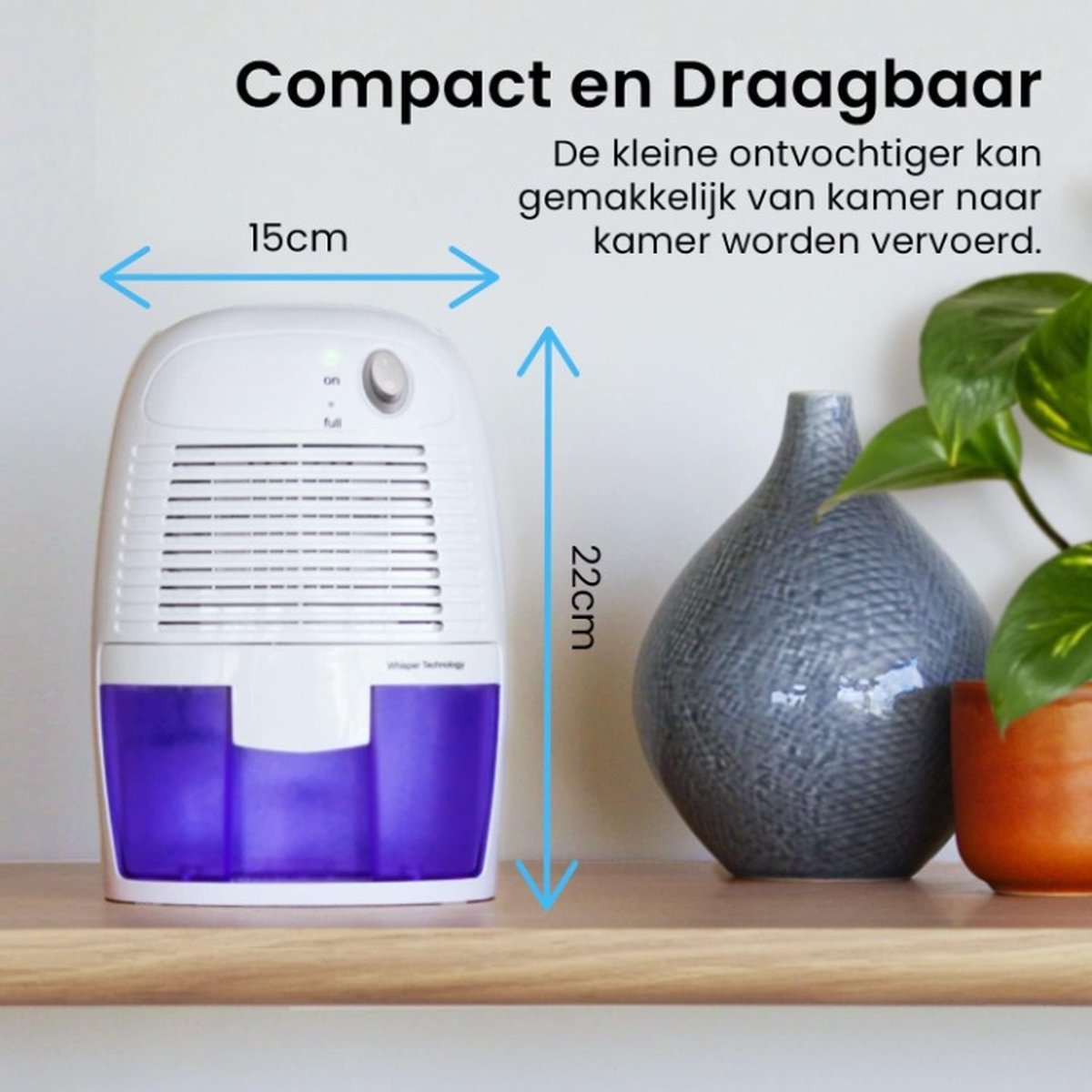
How they work: Peltier vs moisture absorber
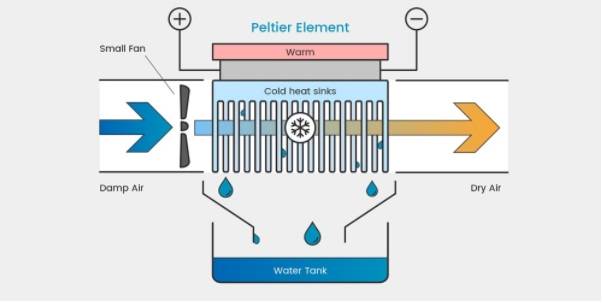
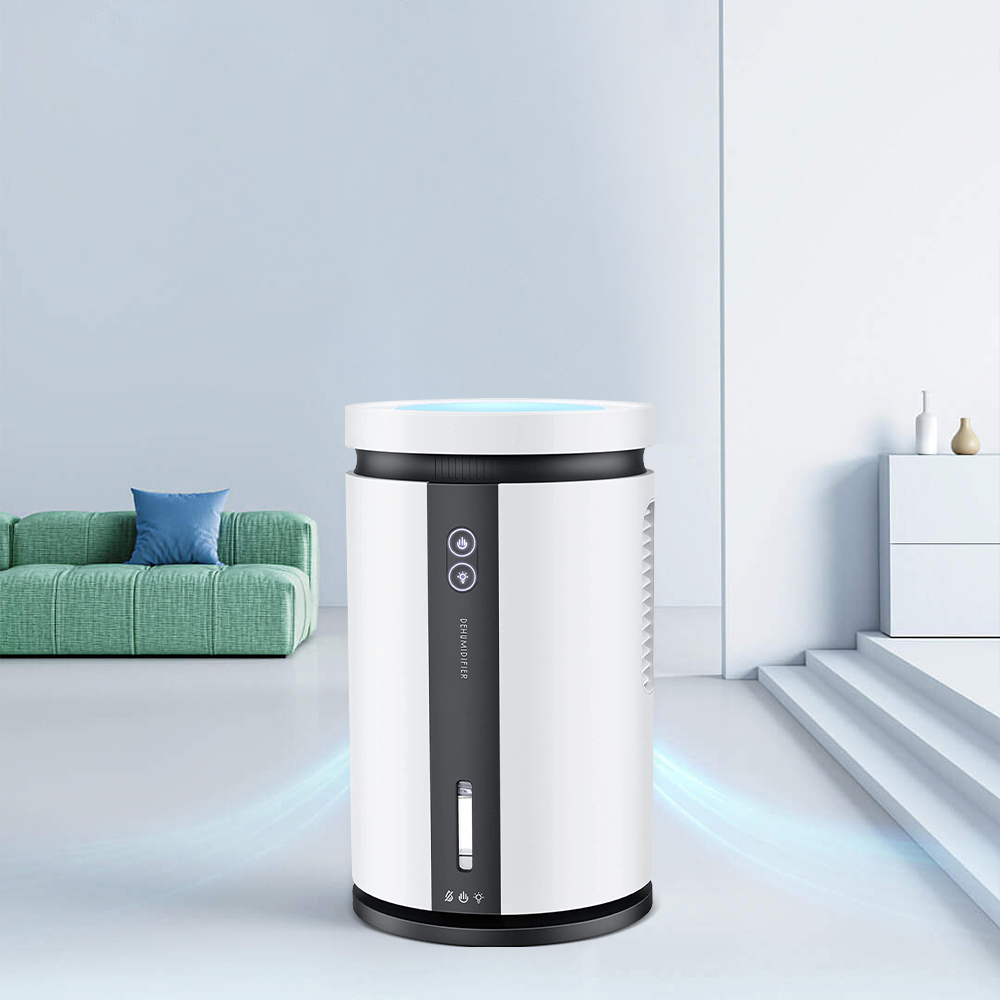
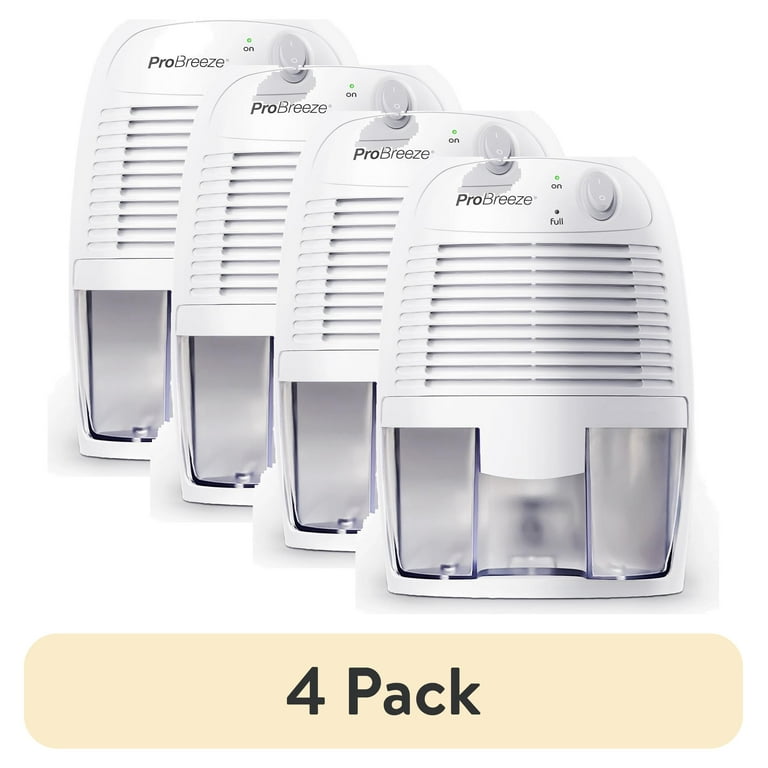
A Peltier dehumidifier, also called a thermoelectric dehumidifier, pulls in air with a small fan. It uses a Peltier chip to cool a metal plate. Water in the air condenses on the plate and drips into a tank. Warm air exits the back. It works best in warm, humid rooms.
A moisture absorber uses a desiccant, like calcium chloride or silica gel. It pulls water from air without power. The crystals become a liquid brine or the beads change color. Once full, you replace or recharge the material. It is silent and simple.
When people ask about Peltier dehumidifier vs moisture absorber, I start with conditions. Warm and damp space with airflow? Peltier. Tight, small, or unpowered space? Moisture absorber.
Peltier dehumidifier vs moisture absorber: key differences
- Moisture removal rate: Peltier units often remove 8 to 25 ounces per day at 86°F and 80 percent humidity. Moisture absorbers work slower but can keep very small spaces dry.
- Power: Peltier uses electricity, often 20 to 60 watts. Moisture absorbers need no power.
- Noise: Peltier has a small fan. Noise is usually 30 to 40 dB. Moisture absorbers are silent.
- Cost over time: Peltier costs more upfront but little to run. Moisture absorbers are cheap to start but need steady refills.
- Mess risk: Peltier collects water in a sealed tank. Moisture absorbers can spill brine if knocked over.
- Temperature range: Peltier needs warmer air to condense water. Moisture absorbers can still work in cooler spaces.
In short, the Peltier dehumidifier vs moisture absorber choice comes down to room size, power access, noise needs, and budget over time.
Performance in real rooms
I measure comfort by keeping relative humidity near 40 to 50 percent. Many homeowners want that range too. It cuts mold risk and keeps clothes, books, and tools safe.
Here is how Peltier dehumidifier vs moisture absorber stacks up in common spaces:
- Closet or wardrobe: Moisture absorber wins. It is silent, small, and low risk if spill-proof. I use a spill-resistant calcium chloride tub on a shelf. It stops musty smells fast.
- Bathroom without vent: Peltier can help with daily moisture. It needs warm air and time. Run it after showers with the door closed. A moisture absorber is a nice backup for cabinets.
- Bedroom or home office: Peltier works well for small rooms up to 150 square feet if humidity is moderate. It is quiet and easy to empty.
- RV, boat, or storage unit: Mix both. A Peltier dehumidifier handles day use when power is on. Moisture absorbers keep things dry when the power is off.
- Basement corner or laundry room: If the area is cool, Peltier slows down. Consider a compressor dehumidifier for large spaces. Use a moisture absorber for shelves, cabinets, or tool chests.
When comparing Peltier dehumidifier vs moisture absorber in real life, I often deploy both. The Peltier handles the air. The absorber protects closed spaces.

Energy, noise, and cost breakdown
Energy use matters. A small Peltier unit at 40 watts, 10 hours per day, uses about 0.4 kWh daily. That is low cost in most areas. A moisture absorber uses no power, so it wins on energy.
Noise is different. Peltier has a soft fan hum. Many units sit near 35 dB, like a quiet library. Moisture absorbers are silent.
Cost over time is the big factor in Peltier dehumidifier vs moisture absorber debates. A typical Peltier unit costs more upfront. But refills for absorbers add up. For example, if you replace a calcium chloride tub every one to two months, you may spend more in a year than one Peltier device. If you hate ongoing costs, Peltier may be better.
Safety and maintenance
Safety and upkeep decide the winner in many homes. Here is what I do.
- Peltier care: Empty the tank daily or every few days. Clean with mild soap weekly. Disinfect monthly to stop mold in the tank. Check the air filter if it has one.
- Moisture absorber care: Use a spill-proof container. Keep away from kids and pets. Do not pour brine down copper drains. Seal the used brine and follow local rules for disposal.
- Fire and heat: Peltier units run cool. Keep the back vent clear. Moisture absorbers do not create heat.
- Mold control: Both help by lowering humidity. Keep surfaces dry and add airflow for best results.
On safety alone, both can be good. In a nursery or pet area, I choose a Peltier with a secure tank. In closets, I pick a sealed absorber cup.

Setup and placement tips
Little tweaks make a big difference. For a Peltier unit, place it near the center of the room, a few inches from walls. Keep doors and windows closed. Warmer air means more water pulled. Avoid rooms under 50°F. Condensation falls off in cold rooms.
For moisture absorbers, place them high on a shelf in closets or cabinets. Use more than one for larger spaces. Replace or recharge on time. Check for brine levels after rainy weeks.
If you want the best of both worlds, try this Peltier dehumidifier vs moisture absorber combo: run a Peltier in the room, and drop a small absorber in a drawer or cabinet. It is simple and very effective.
Real world tests and lessons learned
In my tests, a 25-ounce per day Peltier unit kept a 120 square foot guest room at 48 percent humidity in summer. It needed tank emptying every day and a half. Noise was barely noticeable.
In a hallway closet with winter damp, a medium calcium chloride cup stopped musty odor in three days. Clothes felt dry to the touch. I once used a non spill-proof cup on a tilted shelf. It leaked. I now use sealed designs only.
The biggest lesson in Peltier dehumidifier vs moisture absorber testing is this: match the tool to the space. Power access, room size, and airflow decide your winner.
Buying checklist and quick picks
When you shop, use this simple list.
For a Peltier dehumidifier:
- Rated capacity at 86°F and 80 percent humidity. More is better for warm rooms.
- Water tank size. Larger tanks mean fewer trips to empty.
- Auto shutoff when full. This prevents spills.
- Noise level under 40 dB. Better for bedrooms and offices.
- Optional drain hose. Useful if you run it daily.
For a moisture absorber:
- Active material type. Calcium chloride pulls more water than many beads.
- Container design. Choose sealed and tip resistant.
- Refill cost and size. Larger packs cut cost per month.
- Indicator window or color change. Helps plan refills.
If you need a single answer to Peltier dehumidifier vs moisture absorber: pick Peltier for powered small rooms you use each day. Pick a moisture absorber for closets, cabinets, and trips where no power is available.
Myths and mistakes to avoid
- Myth: Peltier units work in any room size. Reality: they are for small spaces. Use a compressor model for big, wet basements.
- Myth: Moisture absorbers are set and forget. Reality: they need checks and safe disposal.
- Mistake: Placing a Peltier flush against a wall. Leave space for airflow.
- Mistake: Using one absorber for a large walk-in closet. Use two or more for even results.
These small fixes raise the success rate in any Peltier dehumidifier vs moisture absorber plan.
Environmental impact
Peltier units use little power and last years. They have no refrigerant to leak. Still, power use adds up. Pick higher efficiency models and use timers.
Moisture absorbers create waste brine and plastic. Refillable tubs cut waste. Silica gel packs can be recharged in an oven at low heat. That reduces trash.
For green goals, weigh power use against refill waste. That tradeoff is central in the Peltier dehumidifier vs moisture absorber choice.
Frequently Asked Questions of Peltier dehumidifier vs moisture absorber
Is a Peltier dehumidifier good for bedrooms?
Yes, if the room is small and warm. Look for a quiet model under 40 dB and an auto shutoff tank.
Do moisture absorbers remove mold?
They do not kill mold. They lower humidity, which makes mold less likely to grow.
How long does a moisture absorber last?
Most last one to two months. Life depends on room size, humidity, and airflow.
Can I run a Peltier unit all day?
You can. Empty the tank often or use a drain hose if the model supports it.
What humidity level should I aim for?
Keep it near 40 to 50 percent. That range helps comfort and protects wood, clothes, and electronics.
Are Peltier dehumidifiers safe for babies and pets?
Yes, with basic care. Keep cords safe, secure the tank, and clean the unit monthly.
Will a moisture absorber work in winter?
Yes. It still absorbs water without power. It may work slower if the air is very dry.
Conclusion
If you must pick one, here is the plain truth. Use a Peltier dehumidifier for small, lived-in rooms with power and steady damp. Use a moisture absorber for tight spaces, storage, and times when silence or no power matters most. That is the real edge in the Peltier dehumidifier vs moisture absorber debate.
Choose one tool to try this week. Place it well, track humidity for seven days, and adjust. Want more help? Ask a question below, subscribe for updates, or share your room size and I will suggest a setup that fits.