

Wireless mini dehumidifiers are reusable and tidy; moisture absorbers are cheaper but disposable.
If you’re weighing a wireless mini dehumidifier vs moisture absorber, you’re in the right place. I’ve tested both in closets, safes, cars, and RVs. I’ll break down how they work, what they really handle, what they cost over time, and where each shines. You’ll get clear advice, backed by data and hands-on experience, so you can pick the best tool for your space.
Wireless mini dehumidifier vs moisture absorber: what’s the real difference?
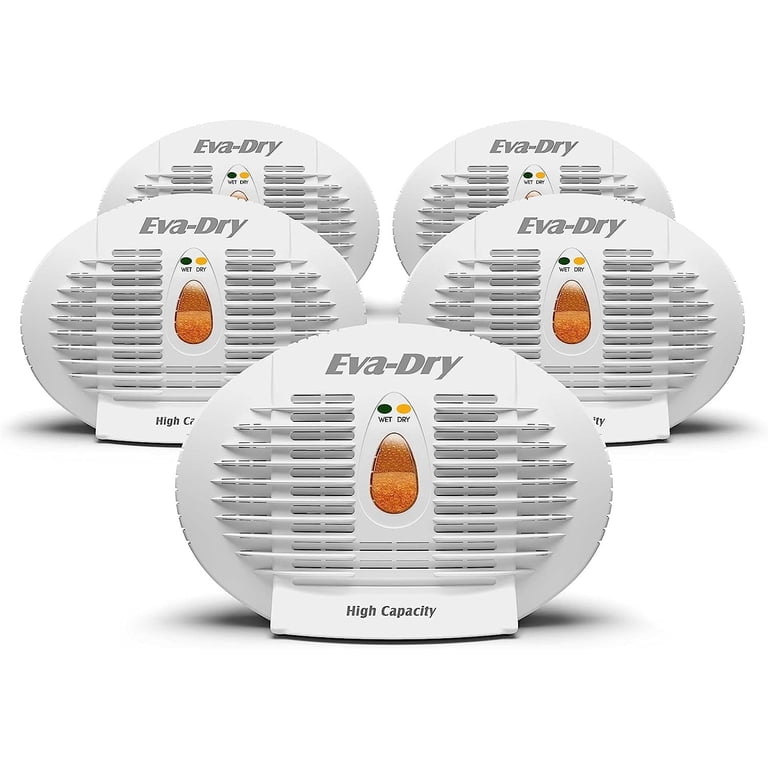
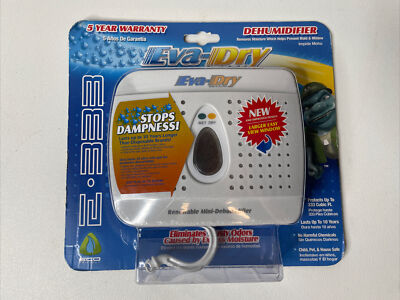
A wireless mini dehumidifier is a small, rechargeable unit that pulls moisture into a desiccant core, usually silica gel. When it fills up, you plug it in to dry the beads and use it again. It is cordless in use and clean to handle.
A moisture absorber is a passive product like calcium chloride crystals or a desiccant bag. It soaks water and turns it into brine or locks it in. When it’s spent, you toss or refill it. It is cheap and simple.
So, wireless mini dehumidifier vs moisture absorber comes down to reuse, mess, and cost over time. Both help in small, closed spaces. Neither will dry a damp basement by itself.

How each option works
Wireless mini dehumidifier (rechargeable desiccant)
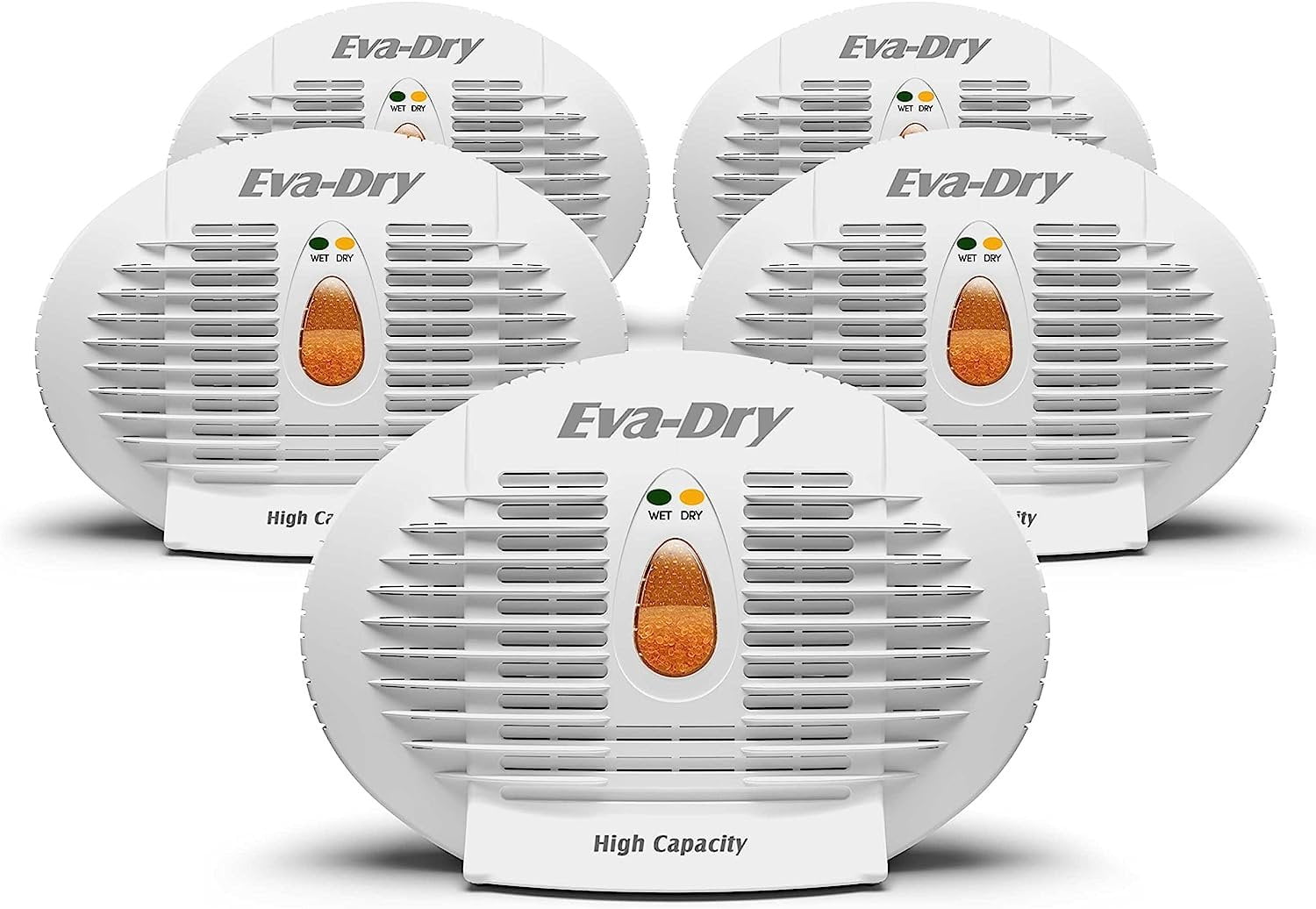
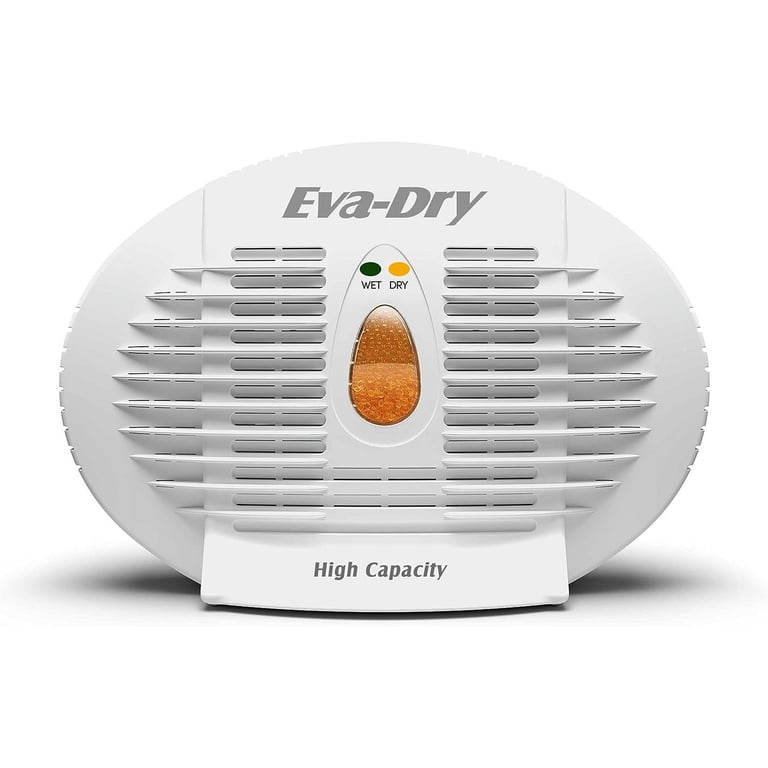
It uses silica gel or a similar desiccant to adsorb water molecules. The unit has a color window that changes as it fills. To renew it, you plug it in and the built-in heater dries the beads for the next cycle. Most cover about 100–333 cubic feet.
Moisture absorber (calcium chloride or desiccant bags)
Calcium chloride pulls water fast and turns into liquid brine in a cup or pouch. It is strong in high humidity. Desiccant bags, like silica gel packets, hold water in the beads and do not leak, but work slower than calcium chloride.
When comparing a wireless mini dehumidifier vs moisture absorber, think about spill risk, renewal method, and the size of your space.
Performance comparison: speed, capacity, and coverage
Humidity target
Most homes feel best at 30–50% RH, as many building and health guides suggest. Either tool can help a small space move toward that range.
Capacity and pace
A typical wireless unit holds about 4–6 ounces (120–180 ml) of water per cycle. It works best in small, sealed spots like closets or safes. It does not drip.
A calcium chloride moisture absorber can pull 10–20 ounces (300–600 ml) over a few weeks. It can work faster in damp areas, but it creates liquid you must handle with care.
Coverage
Wireless mini units often list about 100–333 cubic feet. Moisture absorbers are similar in coverage and depend on humidity, temperature, and airflow.
Noise and power
Wireless units are silent during use and need power only to recharge. Moisture absorbers are always silent and need no power. For a bathroom or wet basement, you need a powered room dehumidifier, not a wireless mini dehumidifier vs moisture absorber alone.

Cost of ownership: what you’ll pay now and later
Upfront
Wireless mini dehumidifier: usually $15–$35 each.
Moisture absorber: $5–$15 for a starter cup or bag.
Ongoing costs
Wireless unit: a recharge may use about 0.2–0.4 kWh. That is pennies per cycle in most areas. There are no refills to buy.
Moisture absorber: you buy refills or new cups every few weeks or months, depending on humidity. Over a year, refills can cost more than a reusable unit.
A simple rule
If the space is small and you hate leaks, a wireless mini dehumidifier often costs less in the long run. If the space is damp and short term, a moisture absorber is cheap and fine. This is the key money angle in the wireless mini dehumidifier vs moisture absorber debate.
Best uses and placement ideas
Great fits for wireless mini dehumidifiers
- Closets and wardrobes to prevent musty smells
- Gun safes and document safes, where leaks are a risk
- Camera cabinets and electronics storage
- Shoe boxes and under-bed bins
- RV cabinets during storage
Great fits for moisture absorbers
- Bathrooms without vents, as a backup to fans
- Small laundry rooms or entry closets
- Boats and seasonal cabins
- Garages and sheds with limited power
Placement tips
- Keep any unit off the floor and away from walls for airflow.
- Close doors to limit new moisture.
- Use two units for large closets or long cabinets.
- Check windows and vents. Fix leaks first.
Source: ebay.com
How to choose: a quick checklist
Use this list when deciding on a wireless mini dehumidifier vs moisture absorber.
- Space size: Measure in cubic feet. Small, closed spaces favor wireless units.
- Humidity level: Very damp? Calcium chloride pulls water faster.
- Spill risk: Safes and electronics do better with non-leaking, wireless units.
- Reuse vs refills: Hate buying refills? Pick a rechargeable wireless unit.
- Power access: No outlets? Wireless works fine while in use; recharge later.
- Budget math: Compare one year of refills to a one-time wireless buy.
If you still feel stuck, start with one wireless unit and one absorber in different spots. Track which drops RH faster.

Real-world tests, lessons, and honest tips
From my own tests in homes and RVs, a single wireless mini unit kept a 200-cubic-foot closet at about 45–50% RH in spring. The color window hit “wet” every 2–3 weeks. Recharging took one night. No mess at all.
In a small bathroom with long hot showers, a moisture absorber cup did better. It pulled water fast and kept the mirror clearer. But I had to pour out the brine, which is not fun. I learned to set the cup in a tray to avoid spills.
What surprised me most in the wireless mini dehumidifier vs moisture absorber matchup was how much doors matter. If the door stays open, both options struggle. Close the space, and both shine.
Safety and sustainability
Safety notes
- Calcium chloride can leak and corrode metal. Keep it upright and away from kids and pets.
- Silica gel is low-tox, but it is a choking risk. Do not let kids handle the beads.
- Recharge wireless units on a stable, heat-safe surface. Let them cool before use.
Green angle
- Wireless minis are reusable for years. That cuts waste.
- Moisture absorber refills add plastic and brine waste. Dispose per local rules.
- Fix sources of moisture first. Seal leaks, use fans, and vent dryers. That reduces the need for both.
A balanced take on wireless mini dehumidifier vs moisture absorber is this: wireless is cleaner and reusable; absorbers are fast but create waste and risk leaks.

Troubleshooting and care
If a wireless unit stops changing color
- Recharge longer and check the window under good light.
- If beads stay dark, the unit may be at end of life. Replace it.
If a moisture absorber stops pulling water
- Replace the crystals or the bag. They may be saturated.
- Check room airflow and RH. In very low RH, it will slow down.
General best practices
- Label units with the start date. This helps you learn the cycle time.
- Use a small hygrometer. Track RH to see what really works.
- Combine tools. A fan plus a wireless unit often beats either alone.
Keep these habits, and your wireless mini dehumidifier vs moisture absorber setup will run smooth.
Frequently Asked Questions of wireless mini dehumidifier vs moisture absorber
Is a wireless mini dehumidifier truly cordless?
Yes, it is cordless during use. You only plug it in to recharge the desiccant, then place it back.
Can either replace a full room dehumidifier?
No. They are for small, closed spaces. For rooms, use a powered dehumidifier sized by square footage and RH.
How often do I recharge a wireless unit?
In most closets, every 2–4 weeks. Very damp spaces may need a weekly recharge.
Do moisture absorbers work in winter?
Yes, but they slow in cold, very dry air. They work best when RH is above about 40–50%.
Will calcium chloride damage metal?
It can if it leaks or spills. Keep it upright, use a tray, and avoid placing it above tools or electronics.
How many units do I need in a closet?
For about 200–300 cubic feet, start with one unit. Add a second if RH stays above 50%.
Which is better for a gun safe?
A wireless mini dehumidifier or a silica gel canister is safer. It avoids liquid leaks near metal and ammo.
Do silica gel beads wear out?
They can lose capacity over years of cycles. If recharge time increases or RH control fades, replace the unit.
Are scented moisture absorbers safe?
Use caution. Scents can cling to clothes or gear. Unscented is safer for fabrics and stored food areas.
What RH should I aim for?
Most guides suggest 30–50% RH for homes. Aim near 45% for storage to reduce musty odors and rust.
Conclusion
The choice between a wireless mini dehumidifier vs moisture absorber hinges on your space, risk tolerance, and budget. Wireless units are tidy, reusable, and great for safes, closets, and gear. Moisture absorbers act fast in damp nooks but can leak and add ongoing costs.
Pick one based on your needs, test it for a month, and track RH with a small meter. If you found this helpful, subscribe for more home tips, or drop a comment with your setup and results.