

Use passive absorbers in storage units; use powered dehumidifiers and ventilation at home.
If you’re weighing storage unit absorber vs home, you’re in the right spot. I help people protect gear, keepsakes, and inventory from humidity and mold. In this guide, I explain storage unit absorber vs home with clear steps, real examples, and simple choices you can make today. Read on to keep your stuff dry, clean, and safe.

What “storage unit absorber vs home” really means
Storage units rarely have power or airflow. Homes do. That single difference drives your plan. In a storage unit, you rely on passive moisture absorbers. At home, you lean on powered dehumidifiers and better air movement.
When people ask about storage unit absorber vs home, they want the safest, cheapest way to stop mold. Your goal is the same in both places: keep relative humidity between 40% and 50%. How you get there changes by space, access, and climate.
Humidity 101: simple rules that prevent mold
Moist air holds water. When air cools, it releases that water. That is why boxes get damp against concrete. Mold grows fast when humidity stays above 60%. Industry guidance puts healthy indoor air at 30% to 50% relative humidity.
Think of humidity like a sponge. A warm sponge holds more water than a cold one. Control temperature and moisture, and you control mold. Keep this in mind as we compare storage unit absorber vs home.
Absorbers and devices: what works where
Here is a quick map of the tools you will see when weighing storage unit absorber vs home.
- Silica gel packets
- Best for sealed bins and cases.
- Reusable when dried in an oven or dehydrator.
- Calcium chloride buckets or hanging bags
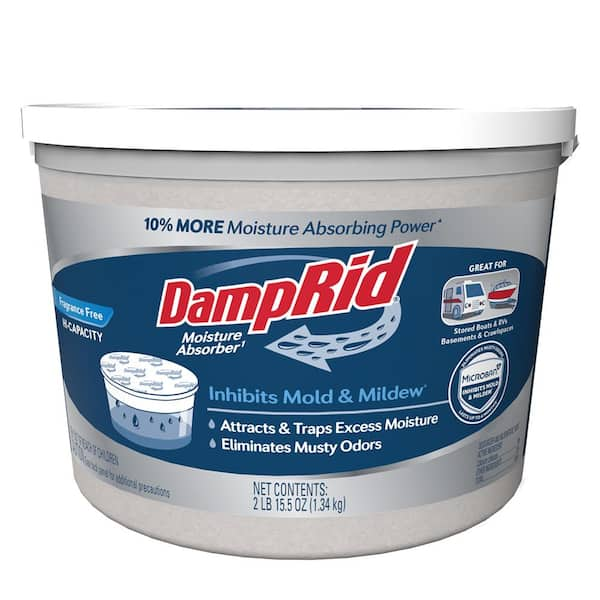
- Strong pull. Great in closed spaces with no power.
- Produce brine. Needs safe placement and disposal.
- Activated charcoal
- Helps with odor. Mild moisture control.
- Good partner with silica gel in totes.
- Electric dehumidifiers (compressor)
- Most efficient in warm rooms.
- Ideal for basements, living spaces, and laundry rooms.
- Electric dehumidifiers (desiccant/rotary)
- Work well in cooler areas.
- Good for garages or cool basements.
- Peltier mini dehumidifiers
- Quiet, small, low power.
- Best for closets or small rooms.
My rule of thumb for storage unit absorber vs home is simple. If you have no power or airflow, use calcium chloride or silica gel. If you have power and can vent, use a dehumidifier and fans.

Storage unit strategy: dry goods, no power, less risk
Most storage units limit power and ventilation. That shapes your choices.
- Choose the right unit
- If possible, pick climate-controlled. It reduces big humidity swings.
- Avoid units with roof leaks or floor cracks.
- Pack for dryness
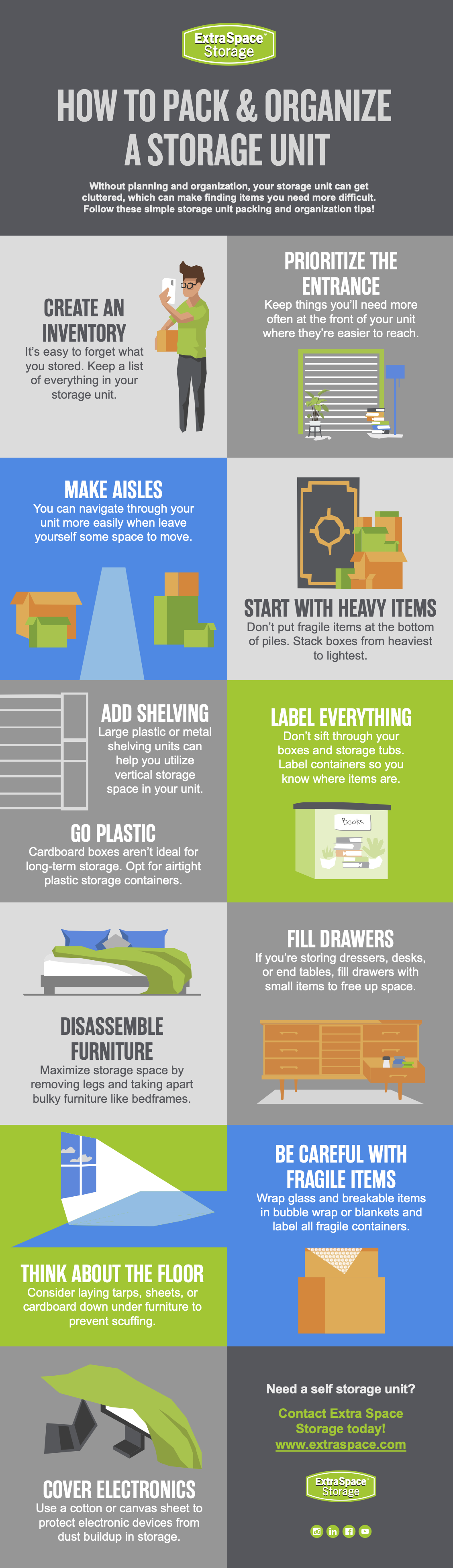
- Use plastic totes with gasket lids. Add silica gel inside each tote.
- Raise items off the floor with pallets.
- Use absorbers wisely
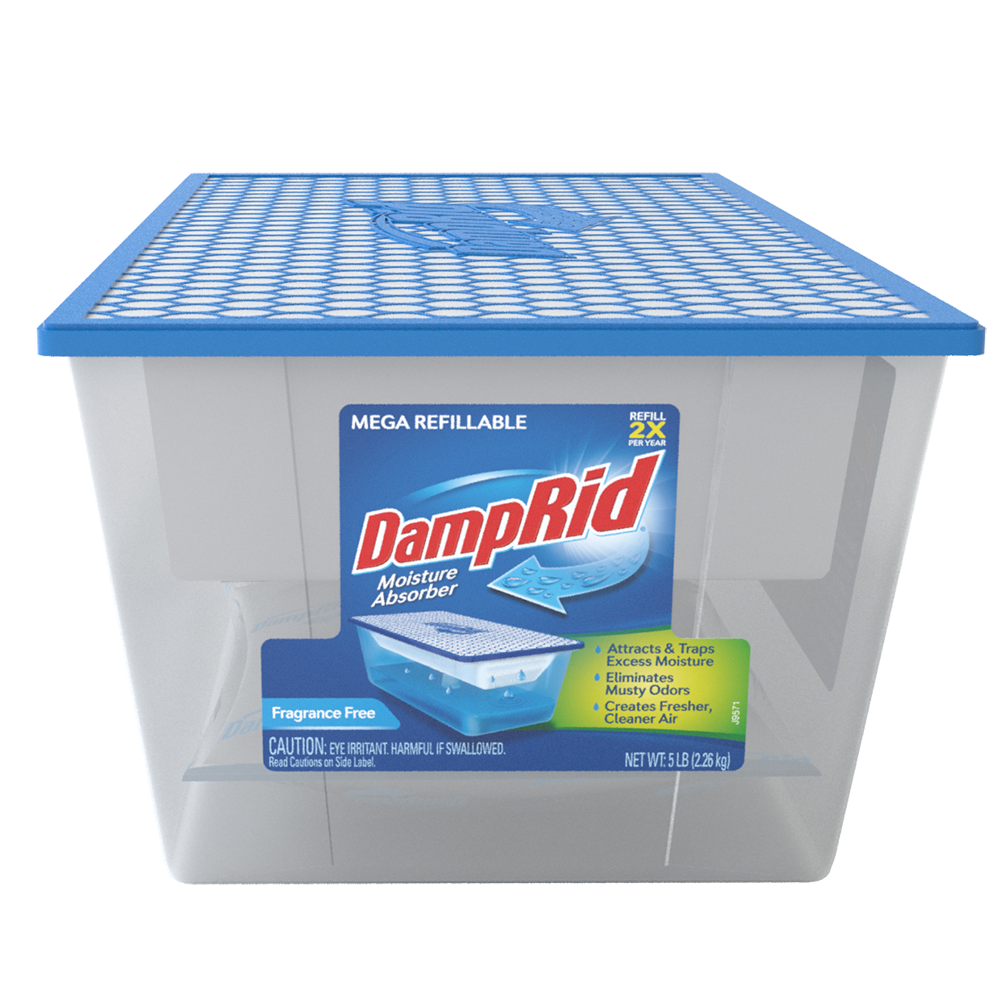
- Place 1 to 2 calcium chloride buckets per 100 to 150 sq ft in humid seasons.
- Hang bag absorbers in corners to save floor space.
- Manage airflow inside
- Leave small gaps between boxes. Do not press items against walls.
- Use breathable covers for furniture, not plastic wrap.
- Monitor and check
- Put a simple humidity gauge inside. Take a photo at each visit to track change.
- Replace absorbers when they liquefy or crystals shrink.
I learned this the hard way. Years ago, I stacked cardboard on concrete and skipped absorbers. The bottom boxes got soft and musty. Now, for storage unit absorber vs home plans, I start with raised pallets, sealed totes, silica gel inside, and calcium chloride in the aisle. It works.

Home strategy: power, airflow, and comfort
At home, you have outlets and vents. That means stronger tools.
- Basements and crawl spaces
- Run a dehumidifier to keep RH near 45%. Add a hose to drain.
- Seal air leaks. Use a vapor barrier on crawl space soil if allowed.
- Bathrooms and laundry
- Run exhaust fans during and after use. Aim for 20 minutes.
- Use a small Peltier unit in a windowless bath.
- Closets and pantries
- Use small silica gel canisters or hanging bags.
- Do not pack clothes when damp.
- Garages and sheds
- In mild climates, desiccant-style electric units help.
- Keep cardboard off concrete. Store in sealed bins.
When clients ask about storage unit absorber vs home, I urge them to put the best gear at home. Things like photos, guitars, and leather thrive with steady 40% to 50% RH and airflow.

Cost and ROI: what you actually spend
Let’s make the storage unit absorber vs home choice with numbers in mind.
- Absorbers
- Calcium chloride buckets are low upfront cost. You replace them every 1 to 3 months in humid seasons.
- Silica gel is reusable. Over a year, it is cheap per tote.
- Dehumidifiers
- A mid-size unit costs more at first. It uses electricity but protects a whole floor.
- With a drain hose, it needs little care. It also helps with comfort and odor.
- Monitoring
- A low-cost humidity gauge pays for itself fast. It keeps you honest.
Example: In a 10×10 storage unit, two absorber buckets may cost less than a few coffees per month. In a damp basement, one dehumidifier can stop a thousand-dollar mold cleanup. For storage unit absorber vs home, choose passive tools for the unit and powered tools at home. The ROI supports that split.
Safety, disposal, and eco tips
Safety matters as much as dryness when you weigh storage unit absorber vs home.
- Calcium chloride
- Place buckets in trays. Spills can corrode metal and stain floors.
- Keep away from kids and pets. Follow local rules for disposal.
- Silica gel
- Non-toxic but can be a choking risk. Keep packets sealed.
- Recharge on a baking sheet at low heat. Follow label limits.
- Dehumidifiers
- Clean filters each month. Mold can grow on a dirty filter.
- Drain water often or use a hose. Unplug before moving.
- Mold cleanup
- Dry first. Then clean. Porous items with heavy mold may not be safe to keep.
- Wear gloves and a mask when handling moldy items.
Being careful with gear and chemicals builds trust. It also saves money. That is true for both sides of storage unit absorber vs home.

Common mistakes to avoid
People make the same errors, no matter the space. Here is how to dodge them.
- Relying on absorbers for a flood
- Absorbers cannot fix active leaks or standing water. Find and fix the source.
- Sealing wet items
- If you trap moisture in totes, mold grows faster. Dry before you pack.
- Skipping airflow
- Tight packing stops air from moving. Leave gaps and raise items.
- Ignoring temperature swings
- Big swings cause condensation. Climate control helps, when you can get it.
- No monitoring
- You cannot manage what you do not measure. Use a simple humidity gauge.
Keep these in mind, and the storage unit absorber vs home choice gets easy. You will see results fast.

Real-world setups and my go-to recommendations
Here are setups I use and suggest when clients ask about storage unit absorber vs home.
- Budget storage unit kit
- Two calcium chloride buckets, silica gel in each tote, pallets, and a humidity gauge.
- Check monthly and replace as needed.
- Premium storage unit plan
- Climate-controlled unit, gasketed totes, silica gel canisters with color indicators, and corner hanging bags.
- Quarterly checks, photo log of the gauge.
- Small apartment home plan
- One mid-size dehumidifier in the main space, fans in baths, silica gel in closets.
- Aim for 45% RH. Vent laundry right away.
- Large home or basement plan
- One dehumidifier per floor or a whole-home system.
- Smart plug for runtime tracking, drain hoses, and clean filters on a schedule.
Each setup matches the space, not just the budget. That is the heart of storage unit absorber vs home thinking.
Frequently Asked Questions of storage unit absorber vs home
What humidity level should I target?
Aim for 40% to 50% relative humidity in both spaces. Mold risk climbs fast above 60%.
How many absorber buckets do I need in a 10×10 unit?
Start with two. Check your humidity gauge after one week and add more if RH stays above 55%.
Are silica gel packs enough on their own?
Yes, inside sealed bins or cases. Use calcium chloride in the open unit for better room-wide control.
What if my storage unit is climate-controlled?
You still benefit from silica gel in totes. Keep a small absorber in the unit as backup during humid months.
Can a mini dehumidifier replace a full-size one at home?
Only in small rooms or closets. For basements or large spaces, use a full-size unit with a drain.
How often should I replace absorbers?
Replace calcium chloride when it liquefies or the crystals shrink to nothing. Recharge silica gel when the indicator changes color.
Do absorbers remove odors too?
They can help a bit. For strong odors, add activated charcoal and improve airflow.
Conclusion
Storage unit absorber vs home comes down to power, airflow, and control. In units, go passive with calcium chloride and silica gel, plus smart packing. At home, run a dehumidifier, vent well, and aim for 45% RH.
Pick one change to make today. Add a humidity gauge, raise boxes off the floor, or set up a drain hose. Ready to protect your gear? Subscribe for more simple moisture fixes, or drop a question and I will help you choose the best setup.