

For car moisture absorber vs home, cars need compact desiccants; homes need dehumidifiers.
If you want dry air, match the tool to the space. In this guide, I break down car moisture absorber vs home in plain language. You will see the real differences, the right use cases, and the traps to avoid. I have tested bags, tubs, and machines in a leaky sedan and a damp basement. Let’s make your car and home dry, safe, and smell-free.

What moisture absorbers are and how they work
Moisture absorbers pull water from air until a balance point. They use two main methods. Desiccants trap water in a solid. Dehumidifiers chill air so water condenses.
Common types you will see:
- Silica gel bags for cars. They are small, clean, and reusable.
- Calcium chloride tubs for rooms or closets. They pull a lot of water but can leak brine.
- Electric dehumidifiers for home. They remove many pints per day and keep a steady target humidity.
- Peltier mini units for small spaces. They are quiet but weak.
Most homes aim for 30% to 50% relative humidity. Above 60%, mold risk climbs fast. In a car, aim lower during winter to stop fog on glass.

Car moisture absorber vs home: the key differences that matter
Think about the space and the water load. A car is a small, sealed cabin. A house is open and has more air exchange. That is why tools differ.
Key differences in car moisture absorber vs home:
- Capacity. Cars need grams per day. Homes need pints per day.
- Power. Car solutions are passive or USB-low power. Homes often need a plug-in dehumidifier.
- Spill risk. Cars need dry bags. Homes can use brine tubs in safe spots.
- Control. Homes may need a humidistat. Cars only need a bag in the right place.
- Speed. Homes demand fast drying after showers or leaks. Cars need slow, steady control.
If you go by feel alone, you may pick the wrong tool. Use the right match, and you save time and money.

When to choose a car moisture absorber
Use a car moisture absorber when the space is closed and small. It shines when the car sits for days or weeks. It also helps with quick window fog.
Good cases:
- Your car sleeps outside in wet seasons. Place a 500 g silica gel bag on the dash or under a seat.
- You store a classic car. Use two big bags and check the color indicator each month.
- You have wet carpets after rain. First dry with towels and airflow. Then add a desiccant to capture leftover moisture.
- Winter fog drives you crazy. Keep a bag at the base of the windshield.
From my own tests in a city sedan, one 1 kg silica gel bag cut fog by day three. The musty smell faded in a week. I recharge it in the oven every month.

When to choose a home dehumidifier or home moisture absorber
Choose a home dehumidifier when rooms feel damp or smell musty. A machine with a tank or drain hose keeps humidity at a set point. It protects walls, floors, and lungs.
Good cases:
- Basements, bathrooms, and laundry rooms. These make moisture daily.
- Coastal homes and humid summers. Running a 20–50 pint unit can hold 45–50% RH.
- Closets and pantries. Use a small calcium chloride tub or a mini desiccant canister.
- After leaks or small floods. Run a fan plus a dehumidifier until wood reaches normal moisture.
I live in a basement apartment. A 35-pint unit with a hose to a drain solved my summer mildew issue. I track RH with a cheap meter. It stays near 45% now.
Performance metrics: how to compare car moisture absorber vs home options
Compare by objective numbers. It helps you buy once and buy right.
What to look at:
- Capacity. Car bags list grams they can hold. A 500 g silica bag may adsorb 150–200 g of water per cycle. Home units list pints per day under standard tests.
- Target RH. Aim for 30–50% indoors. In cars, lower is fine if fabric is dry.
- Coverage. Home units list square feet. Pick higher if rooms are open plan.
- Energy. Home dehumidifiers list liters per kWh or Energy Star. More is better.
- Noise. Under 50 dB is good for living rooms.
- Reusability. Silica gel with an indicator dot is easy to recharge. Calcium chloride needs refills.
For car moisture absorber vs home, track RH with a small meter. It costs little and proves what works.

Setup, use, and maintenance best practices
Small steps prevent headaches. Set it up once and make a light routine.
For cars:
- Dry wet spots first. Use towels, then air out on a sunny day.
- Place the bag near the windshield or center console. Air moves there.
- Use two bags for SUVs or vans.
- Recharge silica gel when the color changes. Oven at low heat per label.
For homes:
- Close windows when the dehumidifier runs. It needs a closed loop.
- Place the unit near the center of the space. Keep filters clean.
- Use a drain hose for steady use. Check the slope.
- Empty calcium chloride tubs before they overfill. Keep away from kids and pets.
I learned the hard way that a calcium chloride tub can tip in a trunk. It left salty spots. In a car, I now use only sealed, stitched desiccant bags.
Cost of ownership and value
You want dry air at a fair cost. Look at the long game.
Typical costs:
- Car silica gel bags. 15–40 dollars each. Reusable for years if you recharge.
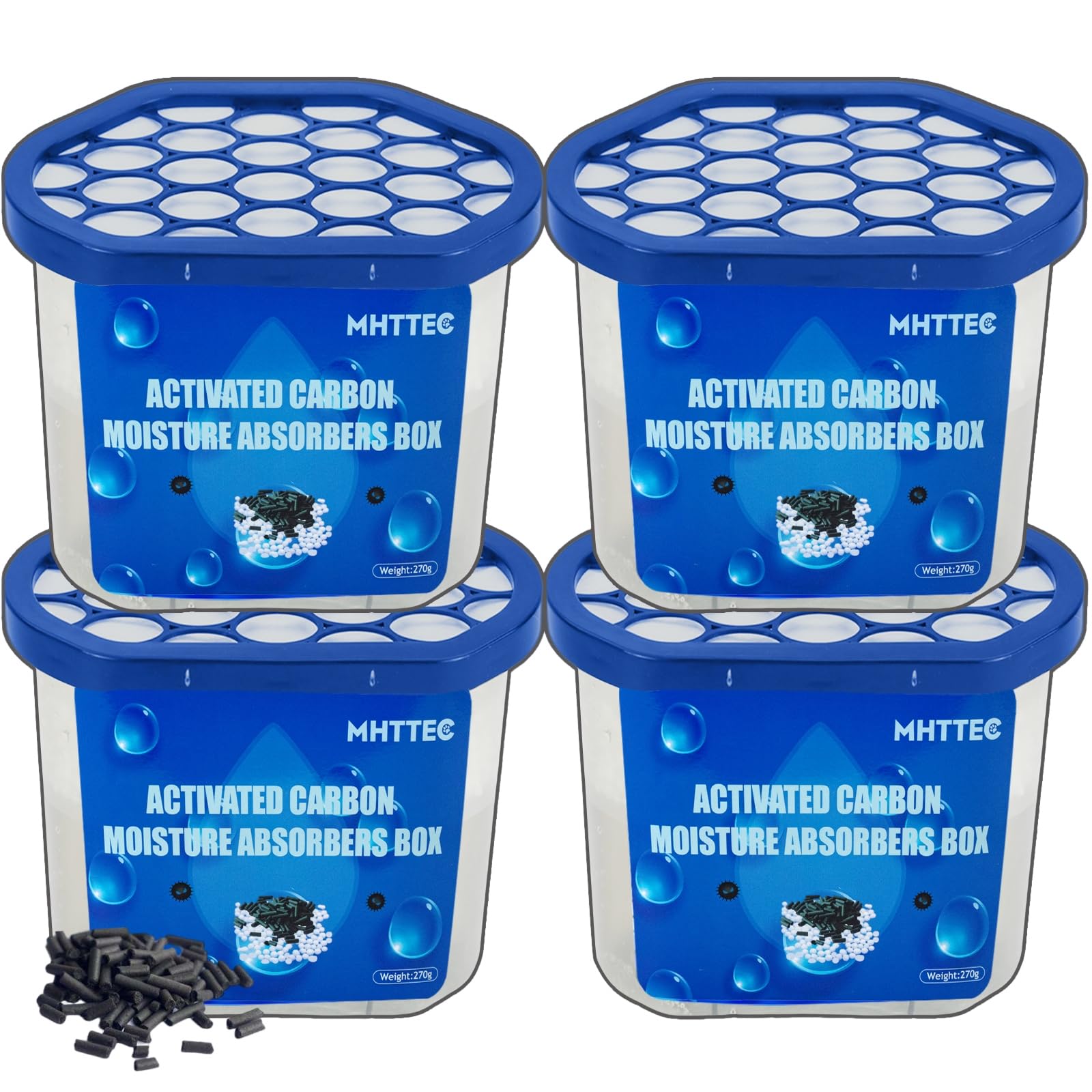
- Car calcium chloride tubs. 5–10 dollars per tub. Refills add up over time.
- Home dehumidifier. 150–350 dollars upfront. 2–6 dollars per month in power in most homes.
- Mini Peltier units. 40–80 dollars. Low draw, low performance.
For car moisture absorber vs home, desiccant bags win on low cost for cars. For homes, a mid-size dehumidifier pays back in fewer repairs and less mold.

DIY options, myths, and what actually works
DIY can work, but test and verify.
What helps:
- Rock salt in a bucket for a shed or closet. Cheap, but watch for brine.
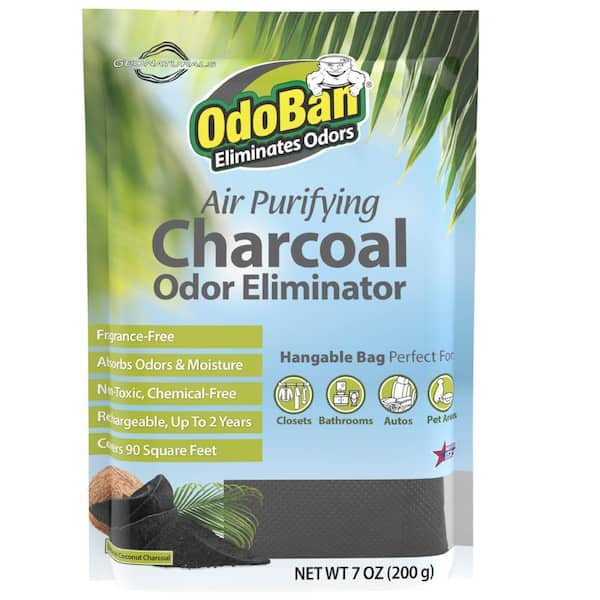
- Charcoal for odor. It is weak for water but fine for smells.
- Silica cat litter in a sock for a trunk. It does absorb. It can be dusty, so bag it well.
What fails:
- Baking soda for room humidity. It is best for odors, not bulk moisture.
- Tiny USB fans alone. They move air but do not remove water without a cold coil.
- One small bag in a wet basement. The water load is too high.
If you try DIY, track RH for a week. If numbers do not drop, step up your tool.
Seasonal strategies for moisture control
Seasons change how air holds water. Adjust your plan a bit.
Tips that work:
- Winter. Cars fog due to warm, wet breath on cold glass. Keep a dry bag on the dash. In homes, use a lower fan speed to avoid over-drying.
- Summer. Homes need stronger dehumidifier settings. Keep doors closed to hold gains.
- Coastal areas. Salt air is fine for machines, but rinse filters more often.
- Storage. For long-term car storage, add two bags and crack a window a tiny bit in a safe garage.
For car moisture absorber vs home, the mix shifts by season. Watch your RH and adapt.
Safety, health, and environmental notes
Moisture control affects health. Mold can trigger asthma and allergies. Dry, clean air helps sleep and focus.
Safety points:
- Calcium chloride is a salt brine when wet. Do not spill on fabrics or metal.
- Keep all products away from kids and pets.
- Vent heat when recharging silica gel. Follow temperature limits on the label.
- Choose low-GWP refrigerant units when possible. Maintain filters for clean air.
Dispose of spent salts as household waste per your local rules. Reuse silica gel to cut waste.
Troubleshooting common moisture problems
You can fix most problems with simple checks.
If car windows fog fast:
- Check for a water leak at doors, sunroof, or trunk.
- Run the car’s AC on defrost mode. Add a larger desiccant bag.
If a room stays damp:
- Close windows and doors while the unit runs.
- Clean the filter and coils. Verify the drain is not blocked.
If you smell musty air:
- Check hidden spots like under sinks and behind furniture.
- Hold 45% RH for two weeks to stop growth, then clean surfaces.
For car moisture absorber vs home, root causes differ. Cars often leak. Homes often lack airflow.
Buying checklist: features that matter
Use this quick list when you shop.
For cars:
- Reusable silica gel with color indicator.
- 500 g to 1 kg size for most cars and SUVs.
- Stitching that resists leaks. A hook or flat base helps placement.
- Fast recharge time and clear instructions.
For homes:
- Capacity matched to room size. Bigger is safer for basements.
- Built-in humidistat and continuous drain option.
- Auto restart after power loss. Defrost mode for cool spaces.
- Energy Star and a washable filter.
If you compare car moisture absorber vs home options, pick for your air load and usage pattern. Do not overbuy, but do not underpower.
Frequently Asked Questions of car moisture absorber vs home
Is a car moisture absorber enough for a damp house?
No. A car bag holds only grams of water. Homes need a dehumidifier that can remove pints per day.
Can I use a home dehumidifier in a garage for my car?
Yes, if the garage is closed and you can drain the unit. It keeps both the car and the space dry.
How often should I recharge silica gel bags in a car?
Recharge when the indicator changes color or every 2–4 weeks. In wet seasons, do it more often.
Do calcium chloride tubs damage car interiors?
They can if they spill. Use only sealed desiccant bags in cars to avoid brine leaks.
What humidity should I target at home and in the car?
At home, aim for 30–50% RH. In a car, keep it as low as possible without drying leather too much.
Are Peltier mini dehumidifiers worth it?
They work for very small spaces like closets. They are not strong enough for big rooms or very damp areas.
Will a moisture absorber remove odors?
It can help, but odors need cleaning too. Use charcoal for smells and dry the space to stop mold.
Conclusion
Pick tools by space, not by hype. Cars thrive on compact, reusable desiccants. Homes stay healthy with a right-sized dehumidifier and a simple routine. Track humidity, adjust seasonally, and you will stop fog, mold, and odors.
Start today. Add a silica bag to your car and check a room with a cheap meter. If this helped, share it with a friend, subscribe for more guides, or drop your questions in the comments.