

Vented absorbers focus on narrow bass peaks; sealed absorbers smooth wider ranges.
If you are deciding between vented vs sealed absorbers, you are in the right place. I have built, tuned, and measured both types in studios, home theaters, and offices. In this guide, I break down vented vs sealed absorbers in plain English. You will learn how they work, when to use each, and how to design and place them for real results you can hear and measure.
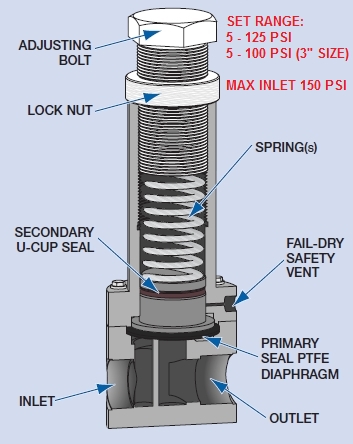
What are vented vs sealed absorbers?
Vented absorbers use a slot, hole, or tube to let air move in and out of a cavity. This creates a tuned system, much like a bottle that sings when you blow across it. Common types include Helmholtz resonators and slat or perforated panel absorbers.
Sealed absorbers trap air behind a flexible skin or use a thick porous core. Membrane or panel absorbers are classic sealed designs. Mineral wool bass traps inside a sealed box also count. They do not need a vent to work and often cover a wider range.
When people compare vented vs sealed absorbers, they want to fix bass problems fast. Both can help. The right choice depends on your room, the target frequency, and your goals.
How they work: the physics made simple
Think of vented absorbers as a tuned bottle. Air moves through the vent and pushes on the air inside. At one target frequency, the air sloshes back and forth. Friction turns that motion into heat, so the peak drops.
Sealed absorbers act like a drum skin or a dense sponge in a box. The skin or the fibers move with pressure. That motion gets damped. You get absorption across a wider band, not just at one peak.
In short, vented vs sealed absorbers is about bandwidth and precision. Vented is narrow and precise. Sealed is broad and forgiving.
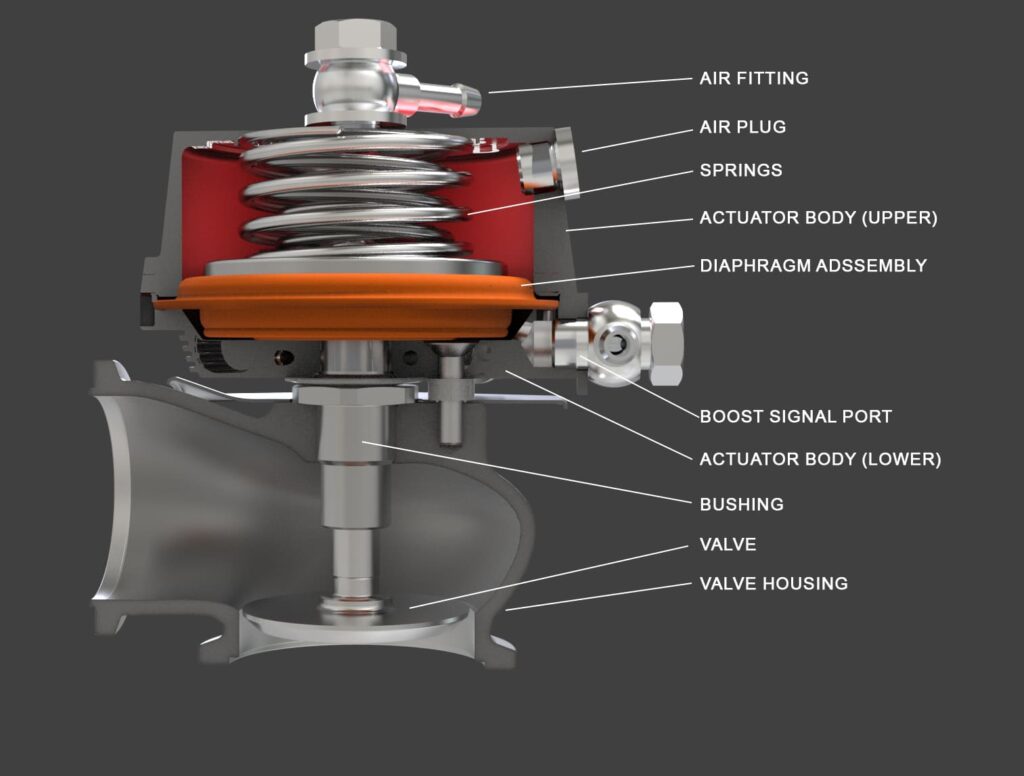
Pros and cons of vented vs sealed absorbers
Vented absorbers
- Strengths: Great for killing one stubborn mode. Small footprint at very low frequencies. Tunable with vent size and depth.
- Limits: Narrow bandwidth. Easy to mistune. Needs careful placement at pressure maxima.
Sealed absorbers
- Strengths: Wider bandwidth. Simple to design. Less sensitive to small mistakes.
- Limits: Larger units to get deep bass. May not knock down one sharp peak as well as a tuned vented unit.
Your pick in vented vs sealed absorbers comes down to what the room needs most: accuracy at one note or smooth control across many notes.

When to choose vented vs sealed absorbers
Small rooms and bedrooms
- Choose sealed when you want smoother bass for music and movies.
- Add one or two vented units if a single boom note stands out.
Project studios and control rooms
- Start with sealed corner traps and thick wall absorbers.
- Add vented traps tuned to major room modes you find by measurement.
Home theaters
- Use sealed absorbers for broad control behind the screen and in corners.
- Place vented traps at the back wall to tame a strong length mode.
Open offices and classrooms
- Sealed absorbers help speech clarity and reduce rumble from HVAC.
- Vented is rare here, unless a duct or machine hum needs a narrow fix.
Industrial and machine rooms
- Vented absorbers can target a known fan or motor tone.
- Sealed panels handle broadband noise around it.
I treat vented vs sealed absorbers as a sequence. Go sealed first for a better baseline. Then add vented where the data says you need it.

Design and tuning tips for vented vs sealed absorbers
Quick rules of thumb
- Sealed membrane absorbers: Heavier skin and deeper air cavity reach lower bass. Add light damping inside to widen the band.
- Sealed porous boxes: Thicker mineral wool equals deeper reach. Leave a small air gap behind the wool for extra low end.
- Vented Helmholtz units: A smaller vent or longer neck tunes lower. More cavity volume also tunes lower. Use damping to widen the Q.
Practical steps
- Set a target frequency using room dimensions. Length, width, and height drive primary modes.
- For vented, start slightly low and raise tuning by shortening the neck if needed.
- For sealed, build depth first. Aim for at least 8 to 12 inches for bass, more if you can.
Material tips
- Use rigid mineral wool or dense fiberglass for broadband sealed designs.
- Use plywood or MDF for membranes and casings. Seal all joints to stop leaks.
- For vented slat absorbers, keep consistent slot width. Seal the edges and back.
These steps help you handle vented vs sealed absorbers with less guesswork and more control.

Measurement, validation, and placement
Use simple tests
- Mobile measurement apps with a small USB mic can map peaks fast.
- Run sine sweeps. Note where bass booms or rings.
- Waterfall plots show decay times. You want shorter tails at target notes.
Place with intent
- Put vented resonators at pressure maxima. Back wall and corners are hot spots.
- Place sealed absorbers in corners and along walls. Cover big surfaces to increase bandwidth.
- Stack units floor to ceiling when possible. Height matters.
Verify and iterate
- Re-run the sweep after each move. Small shifts change a lot.
- Adjust vent length in small steps. Add or remove damping as needed.
- Track decay. A lower but longer ring needs more damping. A tall sharp peak needs tighter tuning.
Use this loop to settle the vented vs sealed absorbers debate in your room, not in theory.
Cost, durability, and maintenance
Cost bands
- Sealed porous traps: Lowest cost per square foot. Great value for broad control.
- Sealed membrane panels: Mid cost due to build quality needs.
- Vented resonators: Costs vary. Precision vents and stiff boxes add labor.
Durability
- Good fabric and fire-rated cores last years. Avoid sag by using frames.
- Keep vents clear. Dust in perforations can change tuning.
- Avoid moisture. It alters density and can detune sealed units.
Ongoing care
- Vacuum fabric faces a few times a year.
- Check seams and gaskets. Air leaks weaken performance.
- Log measurements yearly. You will see drift if anything changes in the room.
Viewed through cost and care, vented vs sealed absorbers often blend well: sealed for scale, vented for the final polish.
Common mistakes and how to avoid them
- Guessing without measurements. Always test before and after.
- Tuning vented absorbers to the wrong note. Confirm the mode first.
- Using thin foam for bass. Foam helps highs, not deep lows.
- Ignoring the back wall in small rooms. Length modes love that surface.
- Building shallow traps. Depth beats area when chasing low bass.
These fixes turn vented vs sealed absorbers from a gamble into a plan.
Real-world examples and lessons learned
A bedroom studio had a 45 Hz boom. Two big sealed traps in corners helped a lot. A small vented trap tuned to 45 Hz finished the job. Decay went from 600 ms to about 250 ms at that note.
In a mid-size control room, early tests showed wide issues from 70 to 200 Hz. We lined the back wall with sealed panels and added soffit traps. Then we placed two vented units at 74 Hz for the axial mode. Mixes translated better the same week.
My lesson on vented vs sealed absorbers is simple. Lead with sealed for broad gains. Use vented as a scalpel for the last few peaks.
Frequently Asked Questions of vented vs sealed absorbers
What is the main difference between vented and sealed absorbers?
Vented absorbers are tuned to a narrow frequency using a vent or slot. Sealed absorbers act over a wider band with less precise tuning.
Which is better for small rooms?
Sealed absorbers are usually better first because they smooth many notes at once. Add vented units only if one peak stays stubborn.
Do vented absorbers always need exact tuning?
Yes, vented designs work best when tuned to the problem note. A small error can reduce their effect a lot.
Can I DIY both types?
Yes. Sealed traps are easier for beginners. Vented traps need careful sizing of the vent and cavity to hit the target.
How deep should a sealed bass trap be?
For real bass control, aim for 8 to 12 inches or more. Deeper traps reach lower and absorb better.
Where should I place a vented resonator?
Place it at a pressure maximum for its target frequency. The back wall and corners often work best.
Conclusion
If you remember one thing about vented vs sealed absorbers, make it this: sealed gives broad control, vented solves sharp peaks. Start with sealed panels and thick traps to set a solid base. Then add a few tuned vented units to knock down the last bumps.
Walk your room, measure, and adjust in small steps. You will hear tighter bass, faster decay, and mixes that travel well. Ready to go deeper? Try one change this week, measure the results, and share your before and after.