

Small closets suit compact desiccants; big basements need dehumidifiers or bulk absorbers.
If you are weighing small closet vs large basement absorbers, you are in the right place. I have helped many homes tame moisture, cut musty smells, and stop mold. In this guide, we dig deep into small closet vs large basement absorbers with science, real tests, and clear steps you can use today.

Moisture 101: Why size and space matter
Moisture moves like smoke in slow motion. It drifts, soaks, and condenses when surfaces run cool. Basements run cooler than living rooms, so damp air will hit the dew point there first. Closets trap air, so smells and spots show fast.
Most homes feel best at 30 to 50 percent relative humidity. Above 60 percent, mold can grow on dust and paper. Health agencies warn that damp spaces can trigger asthma and allergies. This is why small closet vs large basement absorbers is not a minor choice. It is about health, comfort, and your things.
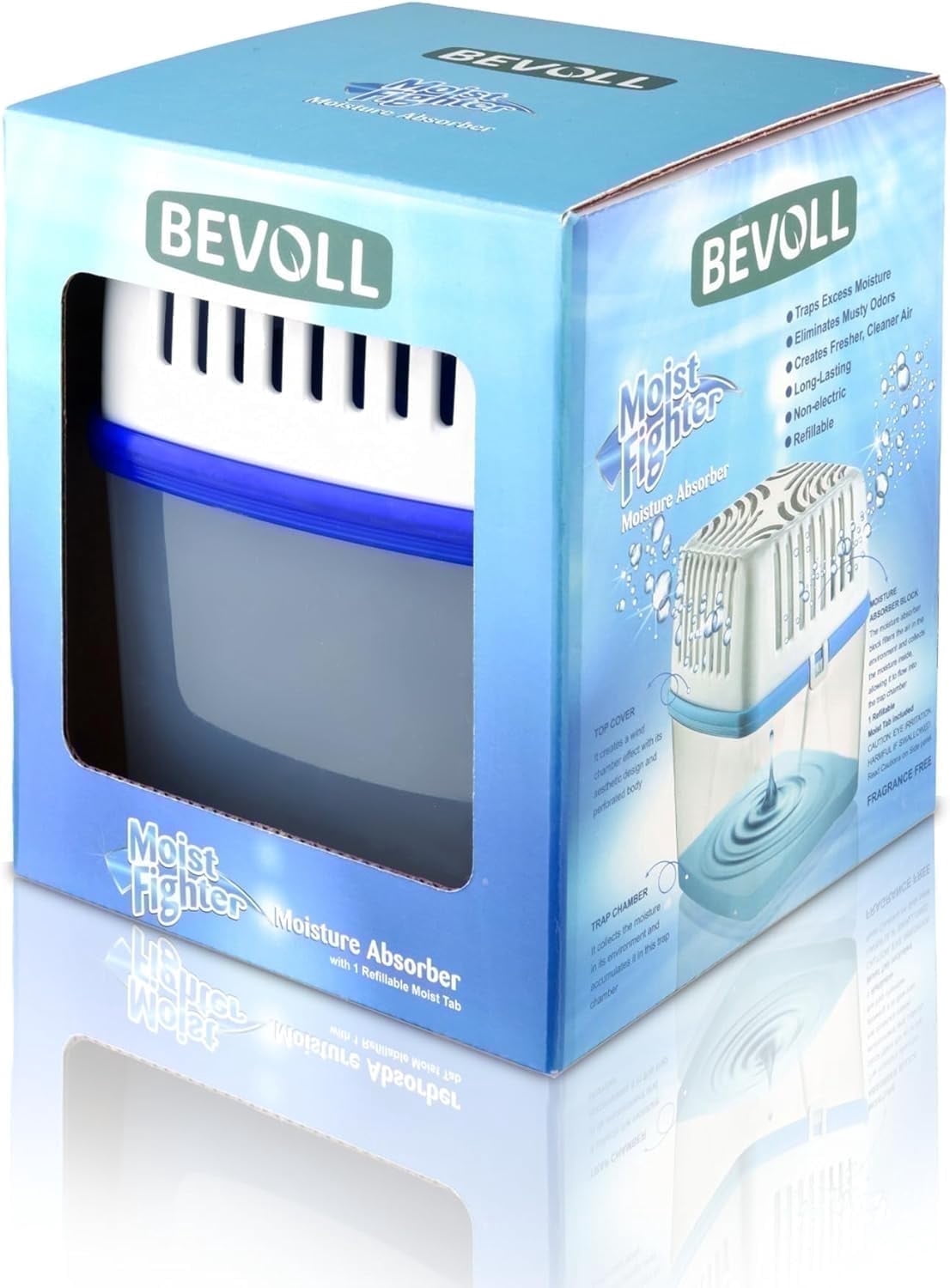
Desiccant absorbers use salts or gels to pull water from air. Dehumidifiers use fans and coils or a desiccant wheel to pull water and drain it away. Both work. The trick is choosing the right one for the size and the load.
Small closets: What works, how to size, where to place
Closets are small, still, and often dark. That makes them perfect for simple moisture absorbers. You do not need a machine here in most cases.
Good options for closets:
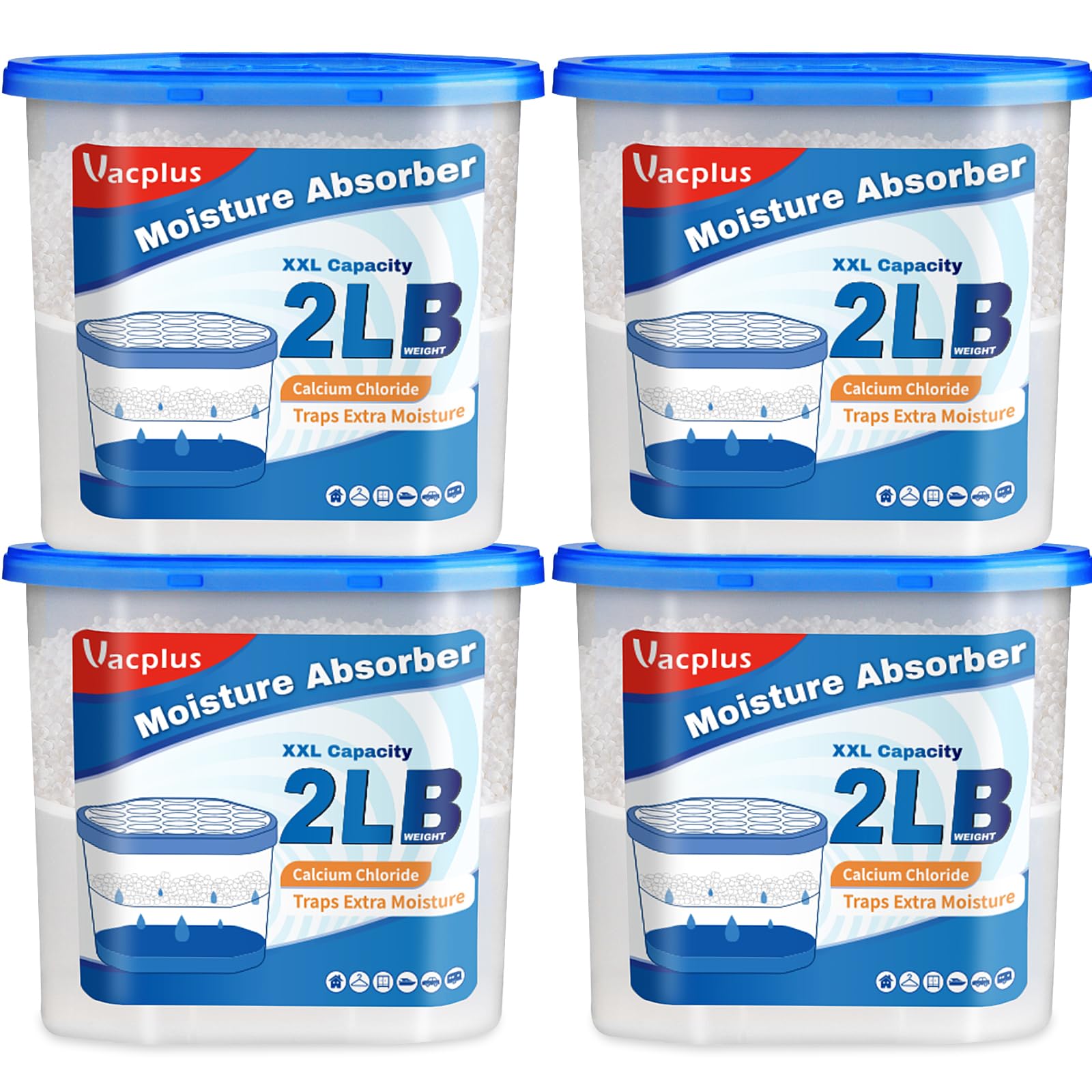
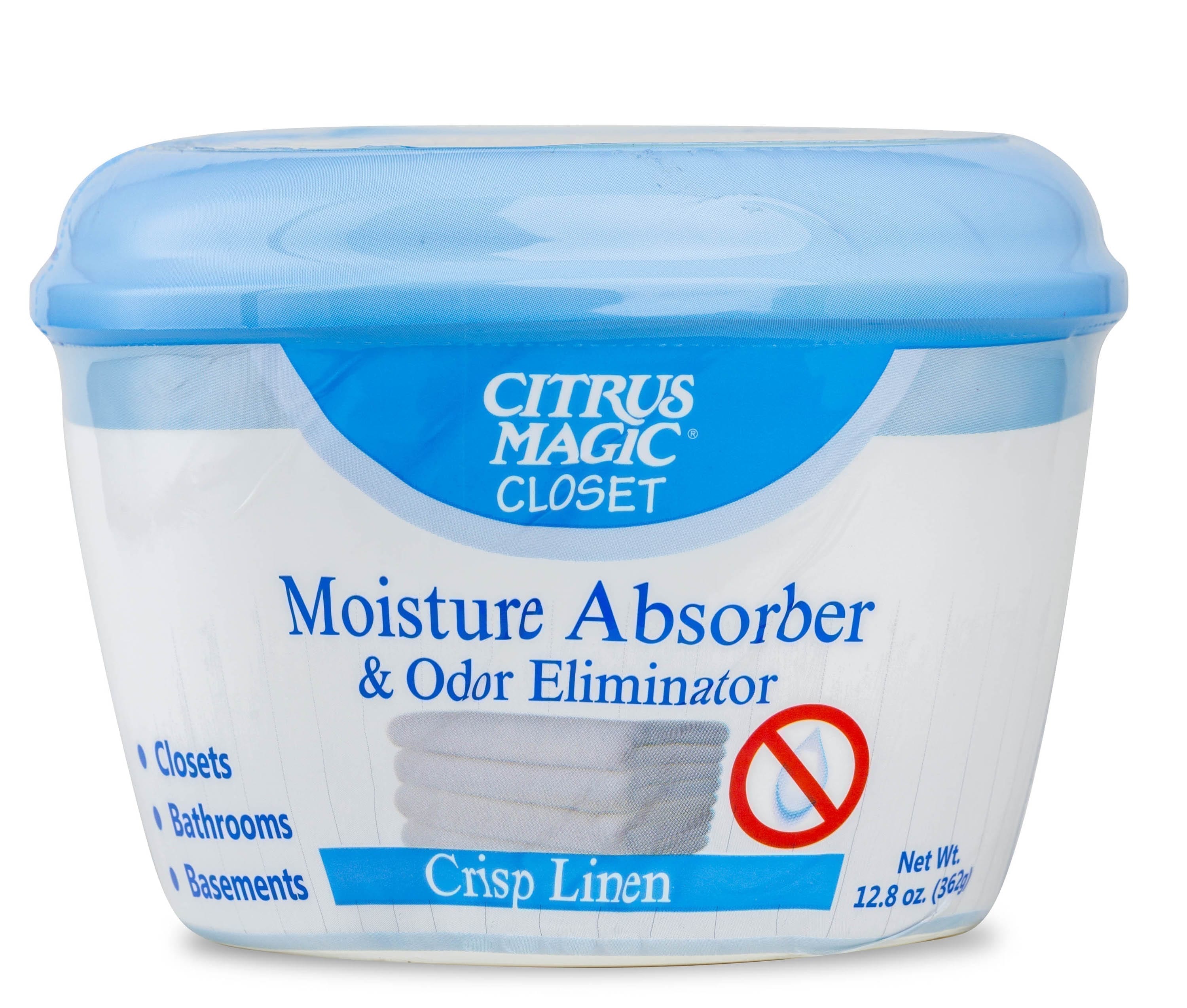
- Calcium chloride tubs catch lots of water. They can hold 2 to 3 times their weight.
- Silica gel can hold up to about 40 percent of its weight. It is neat and low mess.
- Rechargeable silica packs plug in to dry out. They are great for shoes and bags.
- Bamboo charcoal treats odor more than water. Use it as a helper, not a fix.
How to size for a closet:
- Measure the space. Many closets run 50 to 200 cubic feet.
- In mild humidity, one 10 to 20 ounce calcium chloride tub can last 1 to 2 months.
- In coastal or wet months, use two tubs. Place one high and one low.
- Use a small hygrometer. Aim for 40 to 50 percent relative humidity.
Where to place:
- Keep one absorber near the floor where cool air sinks.
- Keep one near the back wall if that wall is exterior and cool.
- Do not block airflow. Leave a gap around the tub.
- Crack the door a bit if safe. A vented door helps.
I often see a tub tossed on the floor and left for months. Do not do that. Check the brine level every two weeks. Empty it before it overflows. Small closet vs large basement absorbers comes down to patience. Closets need light care on a set schedule.
Large basements: Why a dehumidifier beats passive tubs
A basement holds a lot of air. One 800 square foot basement can hold more than 6,000 cubic feet of air. A few little tubs cannot keep up with a fresh stream of damp air from slab, walls, or leaks. This is where a dehumidifier shines.
Key points for basements:
- Use an AHAM rated unit sized in pints per day. Match the room size and damp level.
- For 500 to 1,000 square feet and moderate damp, a 35 to 50 pint unit can work.
- For very damp or 1,000 to 2,000 square feet, look at 50 to 70 pint units.
- If the space is below 55°F, choose a desiccant dehumidifier or a low temp unit.
Set up tips:
- Use continuous drain to a floor drain or a condensate pump.
- Keep a foot of clearance around the unit. Clean the filter each month.
- Seal obvious air leaks and run the dehumidifier at 45 to 50 percent relative humidity.
- Insulate cold water pipes to cut drip and load.
Energy and cost:
- A mid size unit may draw 300 to 700 watts. It can cost less than a dollar a day in many areas.
- Compare that to many tubs per month. The machine often wins after one season.
- Check Energy Star labels and smart humidity control.
Small closet vs large basement absorbers is clear here. Basements need active drying, not a few cups of salt.

Small closet vs large basement absorbers: Head‑to‑head breakdown
Let’s stack small closet vs large basement absorbers on five points. This helps you pick fast and well.
Performance:
- Closets: Desiccants work great in tight, still spaces.
- Basements: Dehumidifiers remove gallons per day. Passive tubs cannot.
Cost over time:
- Closets: Low upfront, steady refill cost.
- Basements: Higher upfront, but lower per pint removed.
Care and mess:
- Closets: Watch for brine spills. Use sturdy tubs and trays.
- Basements: Clean filters, drain lines, and check set points.
Power and noise:
- Closets: No power, silent.
- Basements: Needs power and space. Place away from bedrooms.
Risk and safety:
- Keep calcium chloride away from kids and pets. It is corrosive.
- Use stable stands. Label and store refills in dry bins.
If you compare small closet vs large basement absorbers by comfort and protection, the right tool pays for itself. Your clothes and your walls will thank you.
How to choose: A simple decision path
Here is a short path to sort small closet vs large basement absorbers without stress.
Step 1: Measure humidity with a basic hygrometer.
- Under 50 percent most days: You may not need anything.
- 50 to 60 percent: Use small desiccants in closets. Vent when you can.
- Over 60 percent in a full basement: Use a dehumidifier.
Step 2: Look for sources.
- Fix leaks, seal cracks, and clean gutters.
- Add downspout extenders. Grade soil away from walls.
Step 3: Match the tool.
- Closet only damp: One or two calcium chloride tubs or silica packs.
- Whole basement damp: 35 to 70 pint dehumidifier with drain.
- Cold basement: Desiccant dehumidifier or heat the space a bit.
Step 4: Verify results.
- Recheck humidity in one week. Aim for 40 to 50 percent.
- Adjust placement or size as needed.
This is the heart of small closet vs large basement absorbers. Start small, measure, and scale up only if needed.

Safety, setup, and maintenance tips that save time
I have seen more damage from spills than from damp in closets. Salt brine can stain metal and wood. Use a tray. Secure tubs on flat shelves. Keep packs away from leather bags and shoes.
Good habits that work:
- Replace calcium chloride before it liquefies to the top line.
- Do not mix brands in one tub. Reactions can get messy.
- Wipe surfaces with a mild cleaner if you see white dust from salts.
- For machines, vacuum the intake grill and rinse the filter monthly.
Monitoring matters. Put a hygrometer in the closet and one in the basement. Log readings for two weeks. Small closet vs large basement absorbers is a process. With a log, you will tune the setup fast.

Real‑world stories: What worked and what did not
Coastal condo closet:
I helped a client near the ocean. Her linen closet smelled musty each summer. We used two calcium chloride tubs on trays and a vented door. Humidity fell from 68 to 48 percent in three days. Towels stayed fresh. Small closet vs large basement absorbers was easy here. Small wins.
Midwest 1,000 square foot basement:
Another client had spots on baseboards and a sticky feel. Tubs did nothing. We sealed a crack, added a 50 pint dehumidifier with a pump, and set it to 45 percent. We also insulated cold pipes. Odor was gone in a week. Energy cost was modest. In this small closet vs large basement absorbers case, only a machine could keep up.
What failed:
I once tried a dozen tubs in a big, cool basement as a test. They filled in days and made a mess. Lesson learned. Match the tool to the load.

Quick sizing cheat sheet and buying checklist
Use these simple rules when you choose between small closet vs large basement absorbers.
Closets (50 to 200 cubic feet):
- Start with one 10 to 20 ounce calcium chloride tub per 100 cubic feet.
- Add a second tub in wet months or if readings stay above 55 percent.
- Pick sealed trays and child resistant lids.
Basements (500 to 2,000 square feet):
- Moderate damp: 35 to 50 pint compressor unit.
- Very damp or cool: 50 to 70 pint, or a desiccant dehumidifier for low temps.
- Must haves: continuous drain, auto restart, washable filter, clear display.
Buying checklist:
- Measure space and note temperature.
- Check noise level if near living areas.
- Verify power and drain access.
- Plan a safe spot away from clutter.
As you weigh small closet vs large basement absorbers, let the numbers guide you. You will save money and stress.

Frequently Asked Questions of small closet vs large basement absorbers
Do moisture absorbers remove mold that already exists?
No. They control future moisture but do not remove existing mold. Clean the area with proper methods and then control humidity.
Are silica gel packs enough for a walk‑in closet?
Often yes if humidity is mild. For high humidity, use calcium chloride tubs or combine both types.
What humidity level should I set for a basement dehumidifier?
Aim for 45 to 50 percent. This range limits mold and is energy smart.
Is a desiccant dehumidifier better for cold spaces?
Yes. Desiccant units work well below 55°F where compressor coils can ice. They cost more but solve low temperature issues.
Can I reuse calcium chloride from spent tubs?
No. The brine is not reusable and can be corrosive. Dispose of it as directed and refill with fresh material.
Will charcoal bags fix a damp basement smell?
Charcoal helps odors but does not dry the air. Use it with a dehumidifier for best results.
How often should I replace closet absorber tubs?
Check every two weeks and replace every one to two months. Humid seasons may need faster changes.
Conclusion
Choosing between small closet vs large basement absorbers is about matching the tool to the space. Closets thrive with simple desiccants and a bit of airflow. Basements need steady, active drying and a plan for drainage. Use a meter, start small, and scale when needed.
You can do this today. Buy a hygrometer, map your spots, and set targets. If this guide helped, share it with a friend, subscribe for more home tips, or leave a question and I will help you choose the best setup.