

Mini moisture absorbers suit small spaces; regular units handle larger rooms and heavier moisture.
If you are torn on mini vs regular moisture absorbers, you are not alone. I help homeowners and renters size and place these tools every week. In this guide, I share clear, tested advice so you can match the right absorber to the right space, save money, and stop mold before it starts.

What moisture absorbers do (and why they matter)
Moisture absorbers pull water from the air and lock it in a solid, gel, or liquid. This lowers relative humidity. Lower humidity helps prevent mold, mildew, musty smells, rust, and warped wood.
Most units use calcium chloride, silica gel, clay, or charcoal. Each one has a different speed, capacity, and risk of leaks. Understanding these basics makes the mini vs regular moisture absorbers choice much easier.

Mini vs regular moisture absorbers: the key differences
The best choice depends on space, humidity, and how often you can check the unit. Here is how mini vs regular moisture absorbers differ in real life.
- Size and coverage: Mini units fit tight areas like drawers, closets, or gym bags. Regular units handle small rooms, basements, garages, and RVs.
- Absorption rate: Calcium chloride units pull moisture fast. Silica gel is slower but reusable. Regular units often hold far more water before they need a change.
- Maintenance: Minis are set-and-forget for weeks. Regular units may need draining, refills, or larger replacements every few weeks to months.
- Leak risk: Larger calcium chloride tubs can form liquid brine. Keep them stable. Minis with silica gel are low leak risk.
- Reusability: Many minis are rechargeable. Many regular tubs are disposable. Some regular canisters use refill packs.
I test gear across seasons. My simple rule: if a space smells musty or fogs glass, regular is safer. If you only see mild damp or a small stink, mini often wins.
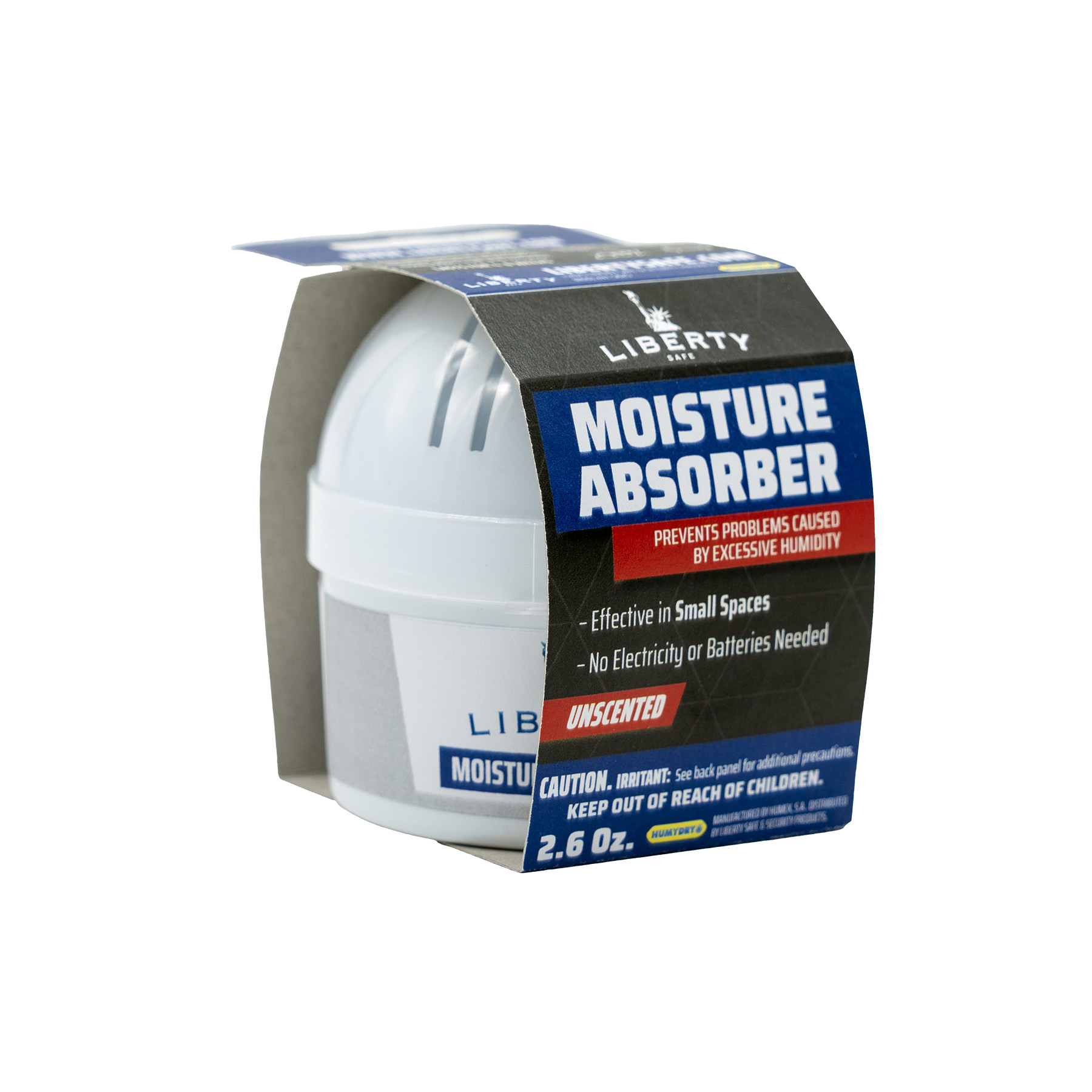
When to choose mini moisture absorbers
Use minis when space is small and airflow is limited. They are easy and safe to place.
- Great for drawers, cabinets, closets, lockers, gun safes, and camera bags.
- Ideal for storage bins, shoe boxes, and mail rooms.
- Helpful in cars, boats cabins, and RV cupboards during off-season.
- Handy for gym bags and laundry hampers to cut odors.
Practical tip: I keep a color-changing silica mini in my camera case. When the beads turn pink, I recharge it in the oven as directed. It keeps lenses fog-free without fuss.

When to choose regular moisture absorbers
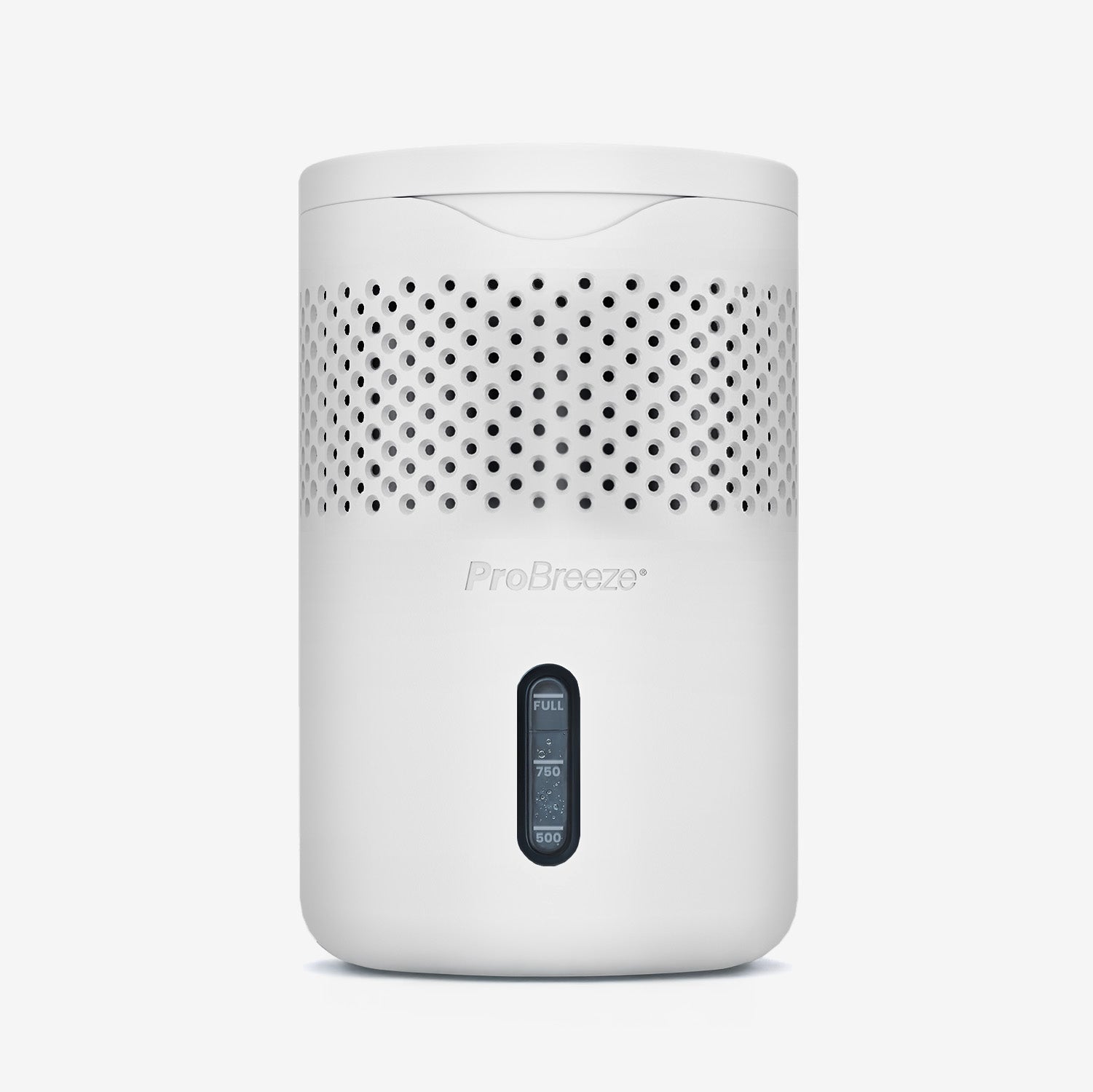
Pick regular units for bigger areas or when humidity stays high. They are designed for heavier loads.
- Best for basements, laundry rooms, bathrooms without fans, and garages.
- Useful in sheds, crawl spaces, and storage rooms.
- Good for rooms with fish tanks, indoor drying racks, or many plants.
- A strong choice if you live near the coast or have a damp foundation.
If towels stay damp or walls feel clammy, go regular. In my tests, a medium tub made a clear difference in a 200 sq ft laundry room with poor airflow.
Types and materials: what is inside matters
Knowing the filling helps you decide faster. It also sets your expectations.
- Calcium chloride
– Pulls a lot of water fast.- Works well in cool, wet basements.
- Turns into liquid brine, so keep it upright.
- Silica gel
- Slower, but beads are often reusable.
- Safer in small containers and closets.
- Color-change beads make it easy to track.
- Clay
- Low cost, low capacity.
- Fine for mild damp and small spaces.
- Activated charcoal
- Helps with odors.
- Modest moisture performance.
- Often used in mixed media packs.
Independent lab tests and industry data show calcium chloride absorbs more at high humidity. Silica gel is better for moderate humidity and reuse. Keep that in mind during the mini vs regular moisture absorbers decision.

Sizing guide: how much do you need?
You do not need a complex calculator. Start simple, then adjust.
- Measure the room size if you can.
- Check humidity with a basic hygrometer.
- Track moisture signs: musty smell, condensation, mold spots.
- Match absorber type to the target space and risk.
Quick rule of thumb:
- For drawers, bags, safes, and boxes: mini units with silica gel.
- For closets up to 30 sq ft: mini or a small regular tub if humidity is high.
- For rooms 50–250 sq ft: one regular tub; add a second if RH stays high.
- For basements or garages: one larger regular per 150–250 sq ft, depending on dampness.
Example: A 120 sq ft bathroom with no vent and damp towels most days. Choose a regular calcium chloride tub. Check and empty monthly.
Cost, lifespan, and maintenance
Budget matters in mini vs regular moisture absorbers. Think in cost per ounce of water removed, not sticker price.
- Minis
- Low upfront cost.
- Reusable options reduce long-term spend.
- Best when refilling is hard or risky.
- Regulars
- Higher capacity and better value per ounce.
- May need refills or disposal of liquid brine.
- Fewer units to manage across larger rooms.
Based on testing, regular tubs often outlast a group of minis in the same room. But one mini can outperform in tiny spaces due to better placement and fit.

Safety, spills, and pets
Safety is key. Calcium chloride brine can irritate skin and corrode metal.
- Keep calcium chloride units off wood and metal.
- Use a tray or shelf liner under regular tubs.
- Store away from kids and pets.
- Follow disposal directions on the label.
Silica gel is safer to handle but still keep away from pets. Avoid food areas. With both types, read instructions and avoid mixing contents with other chemicals.

Placement and setup tips
Smart placement can double your results. These simple tricks work well.
- Put units low but not on the floor if flooding is possible.
- Keep them out of direct drafts so air has time to exchange.
- Use more than one unit in odd-shaped rooms.
- Leave space around the unit for airflow.
I like to place a regular tub near a damp wall and a mini inside the closet in the same room. This combo helps both open space and hidden spots.
Track results with a hygrometer
You cannot manage what you do not measure. A basic digital hygrometer costs little and helps a lot.
- Aim for 40–50% RH for most homes.
- If RH stays above 60%, increase capacity or add units.
- Log readings each week at the same time.
This data shows if your choice in mini vs regular moisture absorbers is right. It also helps you see seasonal changes and plan ahead.
Real-world lessons from the field
Here are a few quick stories and what they taught me.
- Coastal condo closet: Minis helped a little, but clothes still felt damp. One regular tub cut odors in two days. Lesson: salt air needs higher capacity.
- Camera gear cabinet: A small rechargeable silica gel canister kept lenses clear. Lesson: for value gear, low-leak and reusable wins.
- Basement storage room: Two regular calcium chloride tubs reduced musty smell and visible condensation. Lesson: big spaces need bigger tools.
These cases repeat across many homes. Mini vs regular moisture absorbers is not a one-size call. Match the tool to the load.
Mini vs regular moisture absorbers: common mistakes to avoid
Avoid these easy errors. They cause most complaints.
- Choosing minis for very damp rooms.
- Placing units on unstable shelves that get bumped.
- Forgetting to check fill level for months.
- Using only one unit in long, narrow rooms.
- Ignoring source moisture like leaks or cold walls.
Fix the source when possible. Then right-size your absorber.
Buyer’s checklist and features that matter
When you shop, use this list to choose fast and well.
- Space and RH: Know the room size and humidity range.
- Absorbent type: Calcium chloride for high moisture, silica gel for reuse.
- Capacity: Bigger tubs for rooms; compact minis for tight spaces.
- Leak control: Drip trays, sealed reservoirs, sturdy housings.
- Reusability: Rechargeable beads or refill packs save money.
- Indicators: Color-change beads or fill windows help you track.
- Certifications: Look for clear safety and disposal info.
Keep your notes. This helps you refine mini vs regular moisture absorbers over time and save money.
Frequently Asked Questions of mini vs regular moisture absorbers
How do I know if I need mini or regular?
Check room size and humidity. If RH is over 60% or the space smells musty, start with a regular unit.
Are mini units reusable?
Many mini silica gel units are rechargeable. Follow the label to dry the beads in an oven or with a plug-in base.
Can moisture absorbers replace a dehumidifier?
Not for large, very damp areas. Absorbers are great for small spaces or as a support tool to a dehumidifier.
How long do absorbers last?
It depends on humidity and size. Minis can last weeks; regular tubs can last weeks to months.
Are they safe around pets and kids?
Keep all absorbers out of reach. Calcium chloride can irritate skin, and beads can be a choking risk.
Do moisture absorbers remove odors?
They help by reducing dampness. Activated charcoal blends also trap smells.
Will they prevent mold fully?
They lower risk by keeping RH in check. You still need airflow, cleaning, and fixing leaks.
Can I use them in winter?
Yes. Cold air holds less water, but damp basements and closed closets still need help.
Where should I place a unit in a closet?
Place it low and centered with space around it. Avoid direct contact with clothes.
What if the absorber leaks?
Use a tray, keep it upright, and replace cracked containers. Clean brine with care and avoid metal surfaces.
Conclusion
Choosing between mini vs regular moisture absorbers comes down to space, humidity, and upkeep. Minis shine in tight spots where leaks are a risk. Regular units win in rooms and basements that load moisture fast.
Start small, measure RH, and scale up if needed. Your home will feel drier, smell fresher, and stay safer from mold. If this guide helped, share it, subscribe for more home tips, or drop your questions so I can help you pick the perfect setup.