

Pick 10 oz DampRid for tight spaces; 32 oz lasts longer in bigger rooms.
If you’re comparing 10oz vs 32oz DampRid, you’re likely battling musty air, foggy windows, or damp closets. I’ve used both sizes in homes, rentals, and RVs across humid summers and wet winters. In this guide, I’ll break down 10oz vs 32oz DampRid with clear examples, cost insights, and setup tips so you can choose the right moisture absorber for your space and budget.
10oz vs 32oz DampRid: The key differences
The short version: both absorb excess moisture using the same crystals. The difference is capacity, footprint, and how long they last in your space. In my tests, the 32 oz tub outperforms the 10 oz cup in medium rooms and high humidity, but the 10 oz wins in tight spots like closets and cabinets.
Here is how 10oz vs 32oz DampRid usually compares:
- Capacity and lifespan. The 32 oz holds more crystals and liquid. It lasts longer before you need a refill or replacement.
- Space and placement. The 10 oz fits on narrow shelves and inside storage bins. The 32 oz needs more room and steady placement.
- Cost over time. The 32 oz often has a better cost per ounce, especially if your humidity is high.
- Spill risk. Both will form liquid as they work. The larger tub can hold more brine, so it can be safer if you check it less often.
When people ask me about 10oz vs 32oz DampRid, I first ask about room size, airflow, and how often they want to check it. Your answer often makes the choice simple.
How DampRid works and why size matters
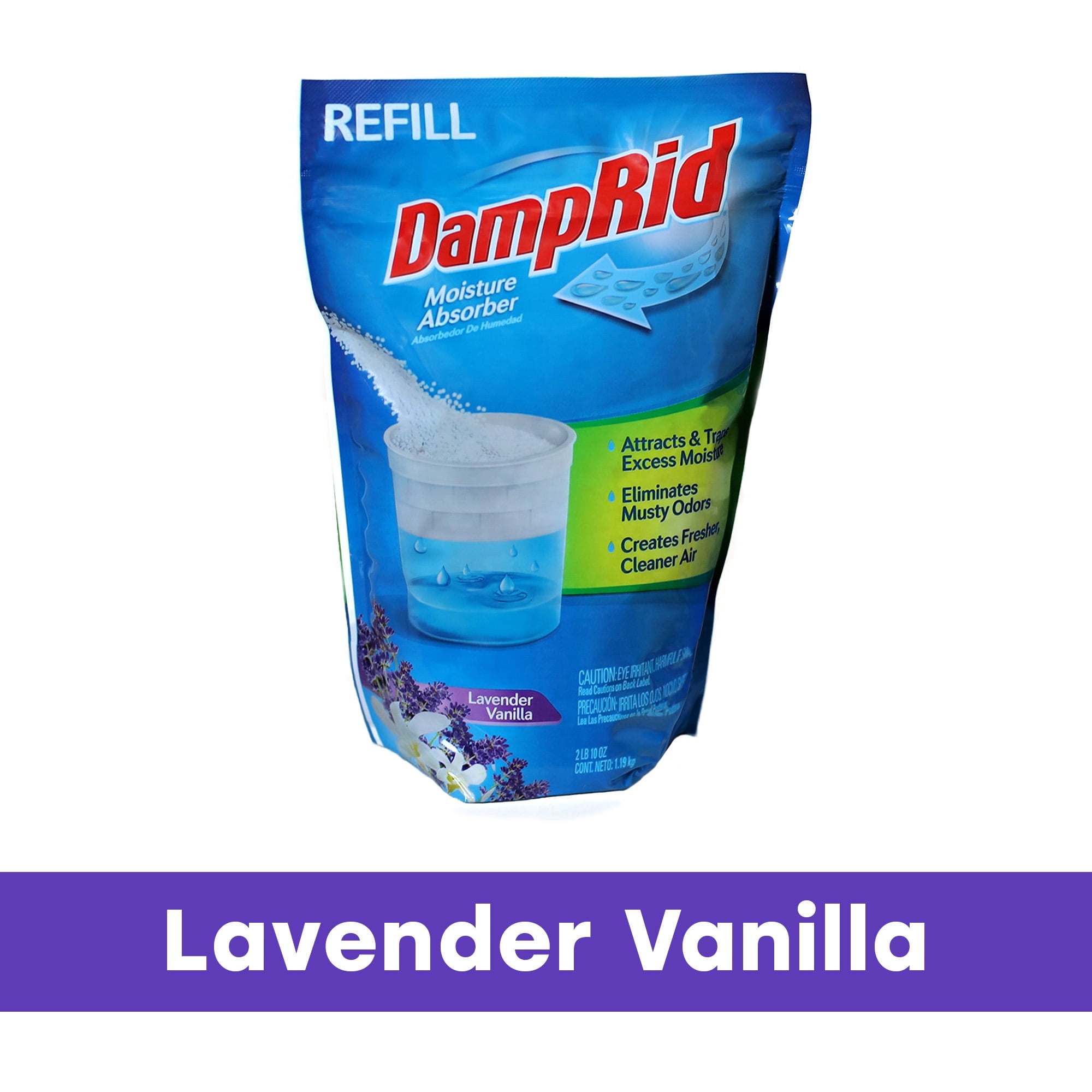
DampRid uses calcium chloride crystals. These crystals pull water from the air. Over time, the crystals dissolve and create a saltwater solution in the bottom of the container. When the crystals are gone or the chamber is full, you replace or refill it.
Why size matters:
- More crystals mean more moisture can be absorbed.
- A bigger collection chamber holds more liquid, so it lasts longer before you empty it.
- In fast, muggy conditions, a 10 oz can fill up quickly. A 32 oz keeps up better in a laundry room or bedroom.
In real use, 10oz vs 32oz DampRid comes down to how quickly your space creates moisture. Busy bathrooms and basements often need the 32 oz.
When to choose the 10 oz cup
Pick the 10 oz if you want a small, low-profile moisture absorber. It is easy to tuck behind shoes or inside a storage box. I use it for closets, pantries, cars, and small bathrooms.
Best fits:
- Closets, cabinets, and small storage totes
- Under-sink areas and linen closets
- Cars, trucks, and boats during off-season storage
- Gun safes and hobby cabinets
My take from many swaps: in the 10oz vs 32oz DampRid debate, the 10 oz shines when stealth and tight space are the priorities. It controls odors fast in enclosed spots.
When to choose the 32 oz tub
The 32 oz tub is my go-to for bedrooms, laundry rooms, and RVs. It handles higher humidity swings and larger air volume. If you do not want to check or replace it often, the 32 oz is a stress-saver.
Best fits:
- Bedrooms and home offices
- Laundry rooms, utility rooms, and entryways
- RVs, campers, and small workshops
- Corners of basements with mild dampness
If you are torn on 10oz vs 32oz DampRid for a medium room, start with 32 oz. It gives headroom for rainy weeks and busy wash days.
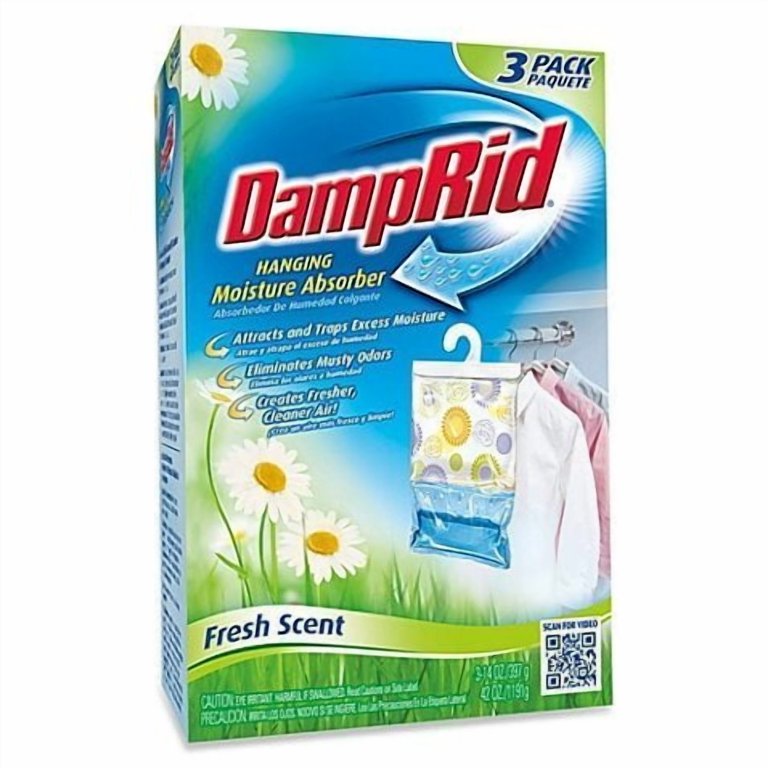
Lifespan, coverage, and performance
Actual lifespan varies a lot. It depends on humidity, temperature, and airflow. In my coastal tests and a humid Midwest summer, here is what I saw:
- 10 oz: Often 3 to 6 weeks in small, closed spaces. In a hot, muggy garage closet, it can finish in under 3 weeks.
- 32 oz: Often 6 to 12 weeks in bedrooms and laundry rooms. In a dry spell, it can last longer.
Coverage tips:
- 10 oz works best for very small areas or containers of air, like a closet or car.
- 32 oz suits small to medium rooms, especially if doors open often.
In short, 10oz vs 32oz DampRid performance aligns with volume. More crystals buy you time and a wider comfort zone.
Cost and value breakdown
Let’s talk value. The 10 oz is cheaper up front. But the 32 oz usually wins on cost per ounce and cost per month in damp seasons.
How I look at value:
- If you have one small closet, 10 oz is fine and budget-friendly.
- If you have multiple damp spots or a room with daily moisture, the 32 oz is cheaper over time.
- Buying refills or multi-packs lowers the price per unit.
If cost is your main concern in 10oz vs 32oz DampRid, consider your refill pace. Fast refill cycles favor the larger size.
Setup, safety, and maintenance
Placement matters. Elevate the container on a flat, stable surface. Keep it upright. Give it a little air space so it can pull moisture.
Simple setup steps:
- Place the cup or tub on a stable shelf, away from vents that blow directly on it.
- Check the level weekly in wet seasons.
- Empty the liquid per local rules. Most areas say do not pour into metal sinks. Use a plastic sink or toilet and flush with plenty of water.
- Keep away from kids and pets. The liquid is salty and not safe to ingest.
- Avoid tipping. The brine can stain some surfaces.
These basic steps apply to both sizes. In 10oz vs 32oz DampRid, the 32 oz just gives you more buffer between check-ins.
Real-world tests: what I saw
A few snapshots from my notes:
- Small hallway closet, spring: 10 oz reduced that stale smell in 24 hours. It filled in about 4 weeks.
- Laundry room with daily loads, summer: 32 oz stayed steady for 8 weeks. Towels dried a bit faster, and the room smelled cleaner.
- Sedan parked outside, winter: 10 oz in the footwell kept windows clearer. Swapped after 5 weeks.
- Guest bedroom near a bathroom: 32 oz kept the room fresh for about 9 weeks.
These results match what most users see in the 10oz vs 32oz DampRid choice. Tight spaces love the 10 oz. Active rooms favor the 32 oz.
Buying guide and smart alternatives
You have three main paths:
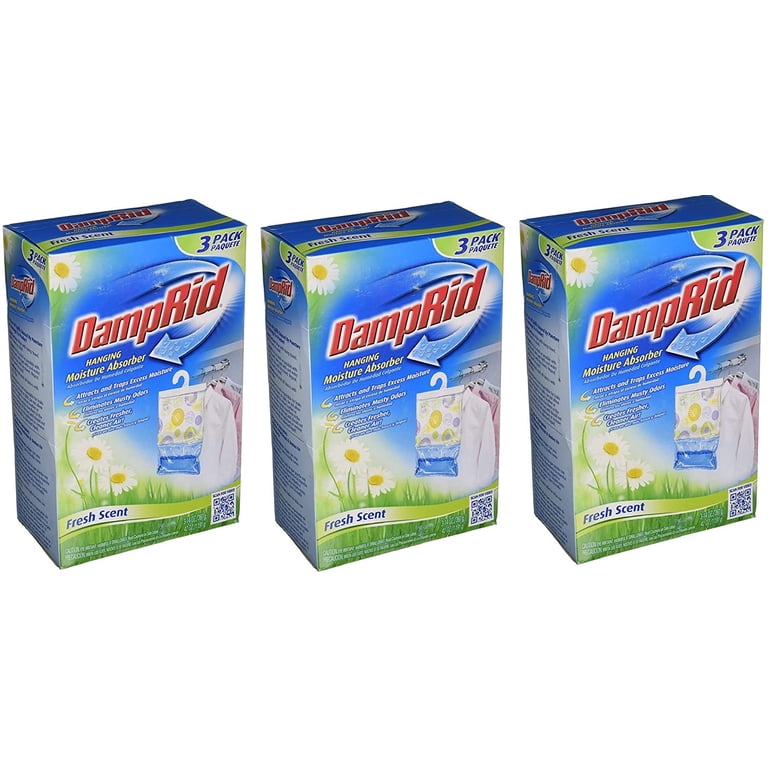
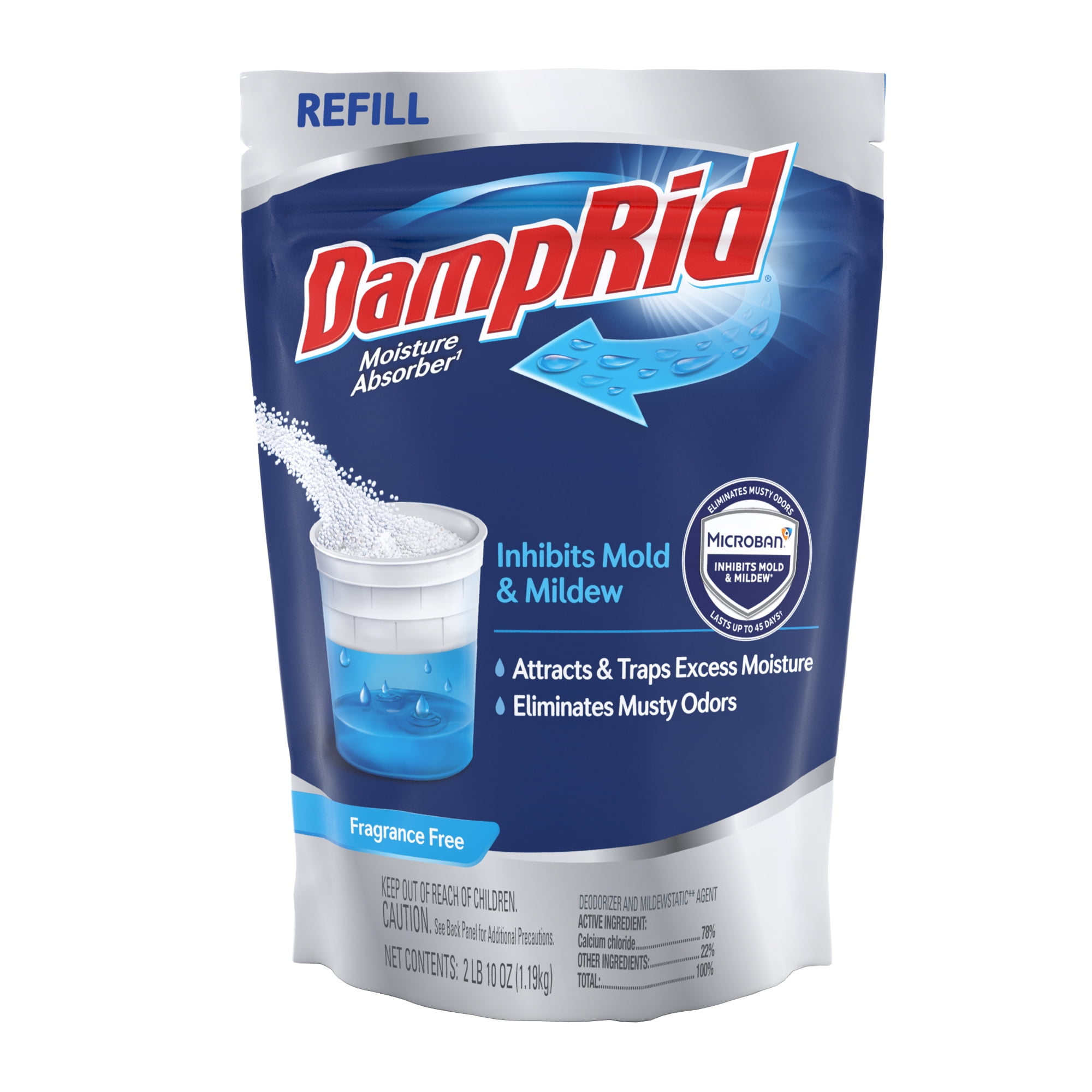
- Disposable cups: Simple and tidy. Great for 10 oz in closets and cars.
- Refillable tubs: Better value, especially in the 32 oz class.
- Combo packs: One 32 oz for rooms and a few 10 oz for closets.
Alternatives for very damp spaces:
- Electric dehumidifier: Best for basements and large rooms. Higher cost, but it controls humidity to a set point.
- Silica gel packs: Good for drawers and containers. They are rechargeable but lower capacity.
If you are still not sure on 10oz vs 32oz DampRid, start with one 32 oz for the main room and a 10 oz for the worst closet. You will see results fast and can scale from there.
Frequently Asked Questions of 10oz vs 32oz DampRid
How long does each size usually last?
The 10 oz often lasts 3 to 6 weeks in a small, closed area. The 32 oz often lasts 6 to 12 weeks in a small or medium room, depending on humidity.
Can I use DampRid in a bathroom?
Yes, but keep it away from direct splashes. The 32 oz works better if you take daily showers, while the 10 oz is fine for a guest bath.
Will 10oz vs 32oz DampRid remove odors?
It helps by reducing moisture that feeds musty smells. Add some airflow and quick wipe-downs for the best results.
Is the liquid safe to pour down the drain?
Use a plastic sink or toilet and follow local rules. Avoid metal sinks because the salt can be harsh on some metals.
Which size is better for an RV?
Most RVs do well with a 32 oz in the main area and a 10 oz in a closet. This mix covers both open space and storage spots.
Can I run a fan with DampRid?
Yes, gentle airflow helps exposure to humid air. Do not blow air directly into the container.
Does 10oz vs 32oz DampRid work in winter?
Yes. Cold air can still hold moisture indoors. You may see slower collection, but it still helps protect clothes and walls.
Conclusion
Both sizes work, but the right pick matches your space and habits. If you want set-and-forget in a medium room, reach for 32 oz. If you need a small, stealthy fix in a closet, go with 10 oz.
Use what you learned about 10oz vs 32oz DampRid to map your home and place each size where it makes sense. Try one of each, track how long they last, and then buy refills with confidence. Ready to dial in your humidity control? Share your setup, ask a question, or subscribe for more practical home tips.