

Choose small packets for flexibility; choose large containers for lower unit cost.
If you wrestle with small packets vs large containers, you’re not alone. I’ve helped brands, kitchens, labs, and warehouses make this call for years. In this guide, I break down the true cost, the risks, and the wins you can expect. By the end, you’ll know when small packets vs large containers make sense for your budget, your team, and your customers.

What “small packets vs large containers” really means
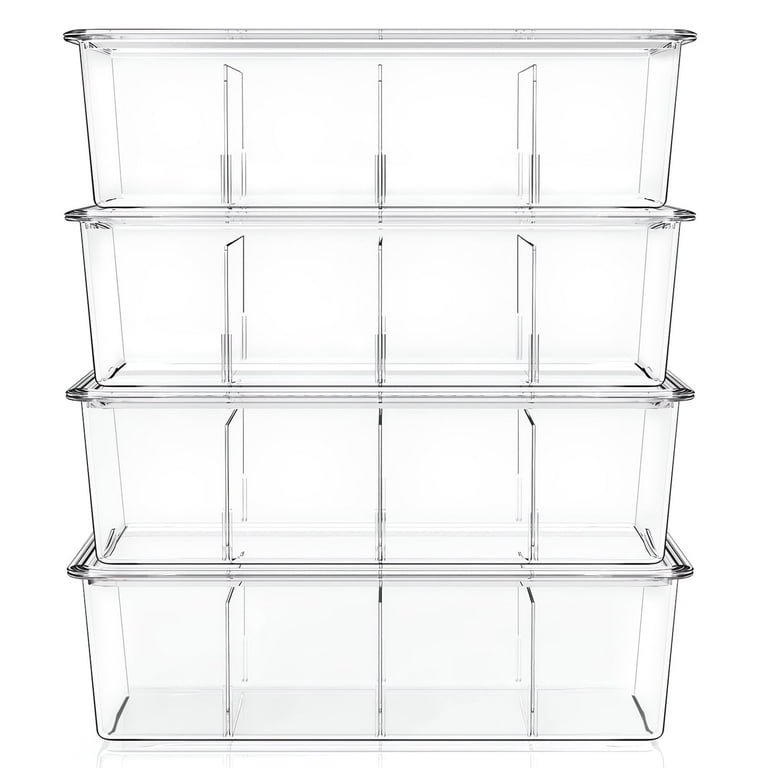
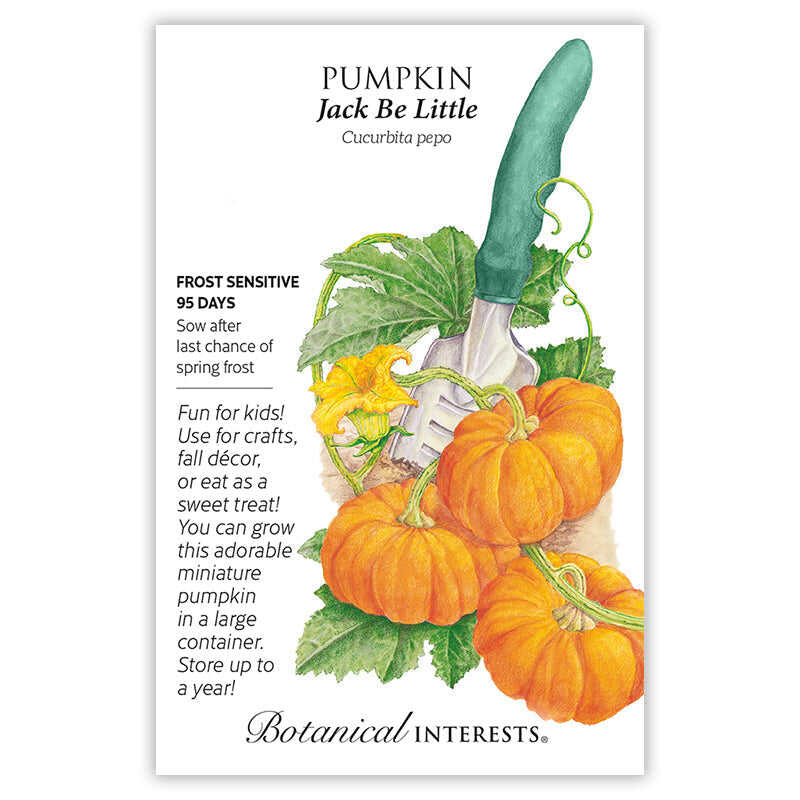
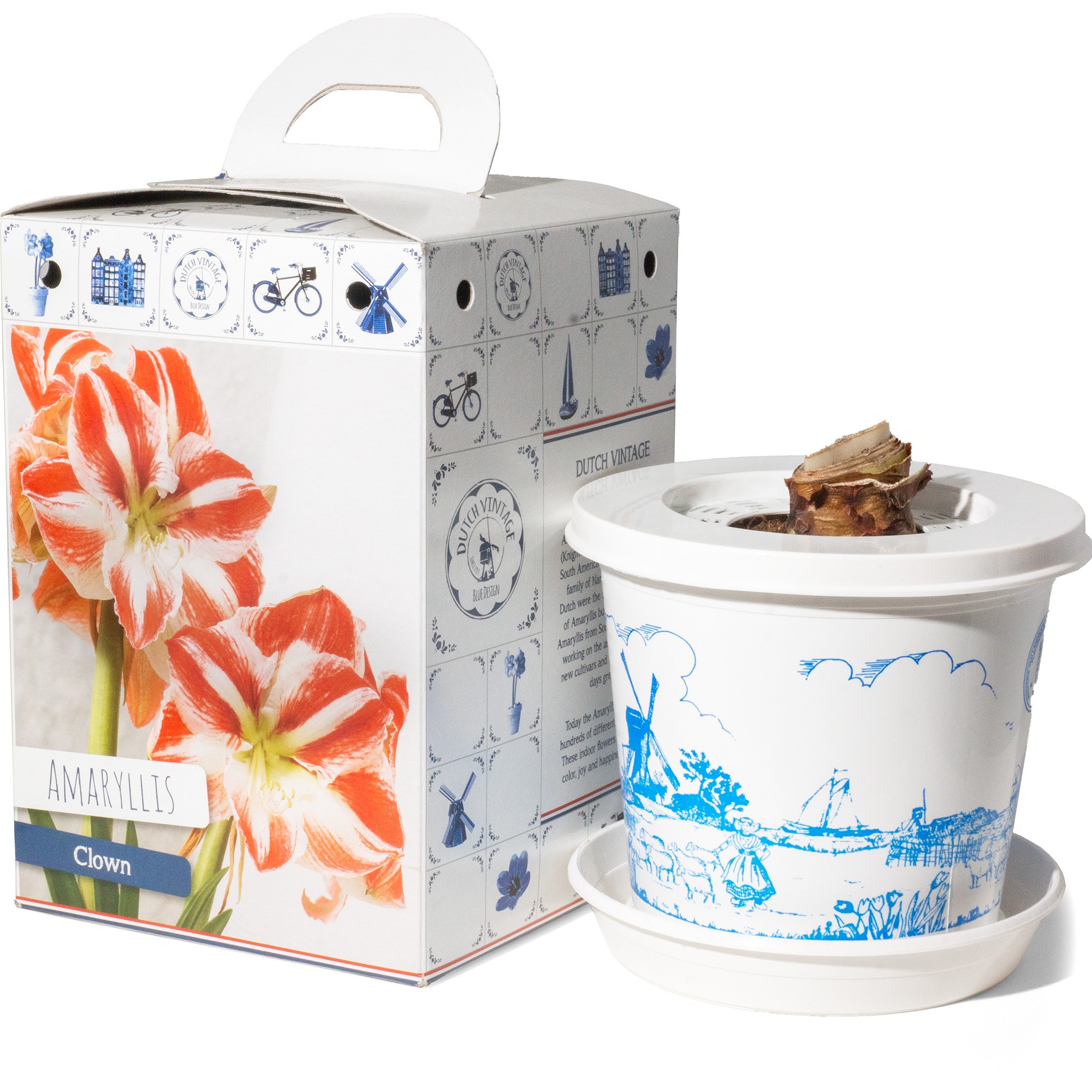
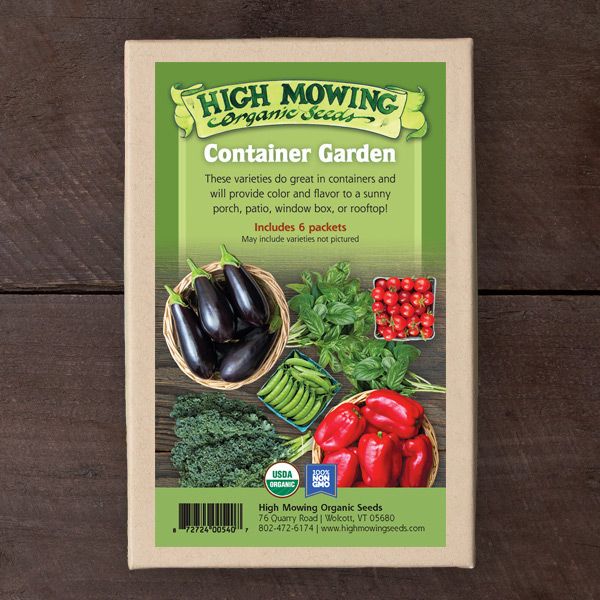
Small packets are individual or small-size packs. Think sachets, pouches, sample vials, single-serve packs, or mini boxes. Large containers are bulk drums, totes, big jars, gallon jugs, or large boxes and bins.
Both are tools. One gives control and ease at the point of use. The other gives scale and better cost per unit. Small packets vs large containers is not a moral choice. It is a match between demand, storage, and cost. The right answer changes by product and by team.
Use this lens across food, beauty, chemicals, healthcare, and e-commerce. Customer needs, safety rules, and waste risk all shape the best fit. Keep that in mind as we compare small packets vs large containers step by step.
The core trade-off: cost, complexity, and control
Small packets feel easy. You open, use, and move on. But you pay more per unit. You also handle more items. That adds labor. It can slow picking and packing.
Large containers drop the unit price. They also cut outer packaging waste. But they need tools, pumps, scoops, or dispensers. They can raise mess risk and training needs.
Think in total cost of ownership. Add it all, not just the ticket price:
- Product cost per unit: higher for small packets, lower for bulk.
- Packaging and waste: more wrappers for small packs, more recycling for bulk.
- Shipping and freight: parcels for small packs vs freight for bulk.
- Storage and handling: more touches for small packs, more space for bulk.
- Shrink and spoilage: small packs curb exposure; bulk can spoil if slow moving.
When you model small packets vs large containers, include time, space, and waste. Those hidden costs decide the winner more than price alone.
Cost comparison with real numbers
Here is a simple, real-world style example from my work with a coffee brand.
Case A: 1-ounce sachets
- Product cost: 0.40 per sachet.
- Ship cost: 0.10 per sachet (parcel to 3PL).
- Labor to pick/pack: 0.05 per sachet.
- Waste/spoilage: near zero if dated well.
Total per use: 0.55.
Case B: 5-pound bags (large container for the shop)
- Product cost: 45.00 per bag, yields 80 one-ounce uses. Cost per use: 0.56.
- Ship cost: 3.00 per bag (freight pooled).
- Labor to portion: 0.02 per use with a scoop.
- Waste/spoilage: 2% if the cafe is slow; loss per bag: 0.90.
Total per use: about 0.62.
In a slow cafe, small packets win. In a busy cafe with fast turnover, that flips. Bulk waste drops to near zero, and the cost per use falls below 0.55. The lesson: volume and speed decide small packets vs large containers more than list price.

Operational impact: storage, picking, and speed
Operations is where small packets vs large containers can shine or sink. Small packs move fast in e-commerce. They pick easy. They fit in bins. They are friendly for kitting. But they bloat SKU counts and refill needs.
Large containers cut SKU sprawl. You stock fewer items. This is great for wholesale or production lines. Yet they need more space. They also need safe lifts and good tools. No one wants a spill or strain.
In one warehouse I ran, we moved a top SKU from ten small packet sizes to two. We kept one small packet for gifts and one big container for everyday orders. Pick time dropped 18%. Damage claims fell too. That blend beat either extreme.
Quality, freshness, and waste
Air, light, heat, and touch drive loss. With small packets, each open is one use. That limits exposure. This helps for spices, coffee, nutraceuticals, and actives in beauty. It also helps with sterile or clean-room rules.
Large containers need discipline. Use date labels, batch logs, and clean tools. Use closed pumps for liquids. Use nitrogen flush or tight lids for oxygen-sensitive goods. If demand is steady, bulk can be just as safe.
Small packets vs large containers is also about portion control. If staff tends to over-pour, small packs can save money. I have seen kitchens cut sauce use by 12% by switching to small cups. For stable goods like screws, bulk is fine and fast.

Sustainability and compliance
Sustainability is not only about wrappers. A large container lowers packaging per use. But it might raise transport emissions if you ship half-empty totes or cause waste from spoilage. Small packets carry more packaging per use. Yet they can cut product waste and returns.
Look at the whole footprint:
- Material intensity: grams of packaging per use.
- Reuse options: returnable totes, drums, or pails.
- Recycling streams: mono-material films vs mixed packaging.
- Product waste: how much ends up in the trash?
- Compliance: food safety, hazmat, and labeling rules.
Some teams move to hybrid models. They ship bulk to stores, then refill small dispensers on site. This cuts packaging and keeps ease at the point of use. It is a strong answer to small packets vs large containers when rules allow.
Risk management: demand swings and cash flow
Forecast risk favors small packets. You can buy less and test more. Cash flow is lighter. If a product stalls, you do not sit on a giant drum.
Bulk shines when demand is sure. You lock in price and supply. Your margin climbs. But you need working capital and space. You also need a plan for safety stock, reorder points, and lead time.
A simple path:
- For new or seasonal SKUs: start with small packets.
- For stable SKUs with high volume: move to large containers.
- Use the economic order quantity model in a light way. Then adjust for spoilage, space, and labor.

Industry snapshots: how the choice plays out
Food and beverage
Single-serve packs keep flavor and help with allergens. Bulk is great for busy lines and back-of-house. Blend both during ramp-up periods.
Beauty and personal care
Actives degrade. Small packets or airless mini pumps hold quality. Bulk wins in salons and spas if staff training is strong.
Chemicals and cleaning
Hazmat rules matter. Sealed small units cut spill risk in the field. Bulk drums work at plants with proper gear and SOPs.
Healthcare and labs
Dose control and traceability drive choices. Unit-dose packs reduce error. Bulk reagents are fine for high-throughput labs with strict logs.
Hardware and components
Bulk bins speed picking and lower cost. Small packets prevent loss and help with kits. Pick the method by order size and error cost.

Decision framework: choose the right path for your case
Use this simple flow when weighing small packets vs large containers:
- Define the use case. Who opens the pack? How often? What training exists?
- Map demand. Is it steady, lumpy, or seasonal? What is shelf life?
- Quantify TCO. Add product, freight, labor, storage, tools, waste, and returns.
- Test and learn. Run a 4-week pilot. Track pick speed, damage, and waste.
- Set rules. EOQ, reorder points, and safety stock that reflect real lead times.
- Align suppliers. Ask for both formats and clear MOQs. Ask for data sheets, shelf life, and handling notes.
If your model is close, favor the choice that reduces waste and errors. Those two lines hide many costs.
Practical tips and lessons learned
From my own projects, a few tips keep paying off:
- Start hybrid. Use small packets for trials and promos, bulk for core moves.
- Design for speed. Set bins, labels, and tools that match the package style.
- Watch the 90-day rule. If bulk will sit past 90 days, test small packets first.
- Count touches. Every extra touch adds cost and error risk. Reduce touches before changing format.
- Train the team. Good scoops, pumps, and SOPs make bulk safe and clean.
- Negotiate. Many suppliers will split cases or offer midsize packs if you ask.
Common mistakes to avoid:
- Chasing unit price and ignoring waste.
- Over-ordering bulk before demand is proven.
- Skipping tools for bulk handling.
- Ignoring returns and the cost to rework open items.
Small packets vs large containers is a moving target. Revisit the choice as demand, staff, and rules shift.
Frequently Asked Questions of small packets vs large containers
When do small packets beat bulk on cost?
Small packets win when demand is low, variable, or sensitive to freshness. They also win when waste or error rates are high with bulk.
Are large containers always greener?
Not always. Bulk reduces packaging per use, but can raise waste if product expires or gets damaged before use.
How do I model total cost without fancy software?
List all costs per use: product, freight, labor, storage, tools, waste, and returns. Add a simple estimate for error and damage based on your last 3 months.
What size counts as a “small packet” or “large container”?
It depends on the item and use. A 10-gram sachet is small for a spice, while a 5-liter jug is large for a cleanser.
Can I switch formats midyear without hurting customers?
Yes, with clear messaging and a pilot. Offer both formats for a short time, then phase to the winner based on real data.
How often should I review small packets vs large containers?
Review every quarter or after big changes in demand, staff, or rules. Adjust when you see rising waste or slow turns.
Does small packets vs large containers affect brand perception?
Yes. Small packets can feel premium or convenient. Bulk can feel pro-grade and eco-minded. Choose the signal that fits your brand.
Conclusion
The smart choice is rarely one-size-fits-all. Use small packets when you need flexibility, freshness, and control. Use large containers when demand is steady and your team can handle bulk with safe, fast tools. Blend both when you can, then let data guide the final call.
Run a quick TCO model this week. Pick one SKU, test both formats, and track waste, speed, and margin. Ready to go deeper? Subscribe for more guides, ask a question in the comments, or share your own small packets vs large containers win.