

For humidity control, calcium chloride absorbs more, but gel beads are reusable.
If you are weighing gel beads vs calcium chloride, you are likely chasing moisture problems, storage needs, or a DIY project. I have worked with both in homes, labs, and travel kits. In this guide, I will break down gel beads vs calcium chloride in clear steps. You will learn how each one works, where each wins, and what to buy with confidence.

What we mean by gel beads vs calcium chloride
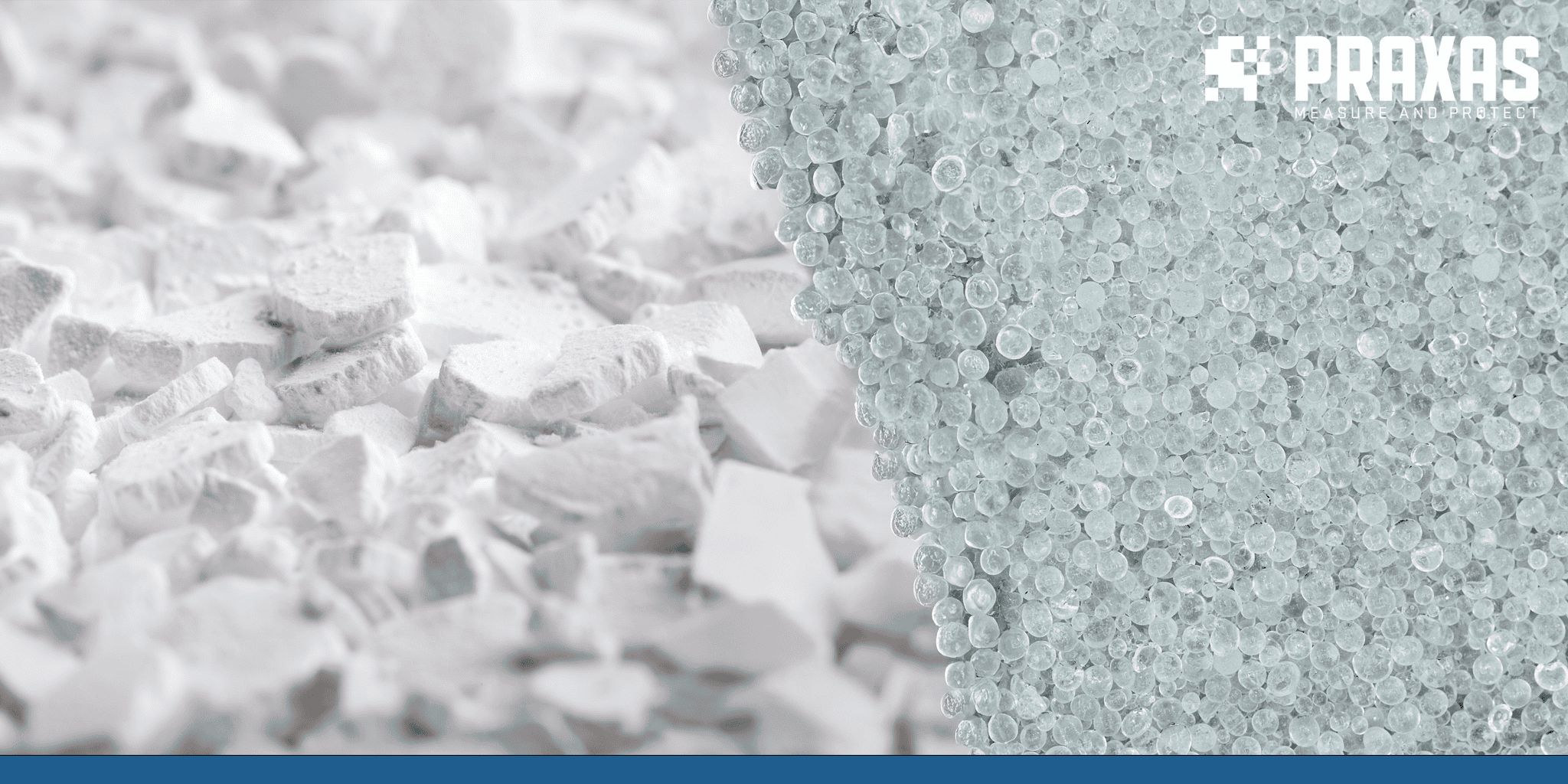
People say gel beads in two ways. One is silica gel beads, the classic desiccant in little packets. The other is water-absorbing hydrogel beads used in crafts and gardens. Calcium chloride is a salt that pulls in water fast. It is common in moisture buckets and deicing pellets.
This article compares gel beads vs calcium chloride in real life. I focus on silica gel beads for moisture control. I also explain hydrogel beads, since many people ask. You will see where each product fits, and where it does not.
How each one works
Silica gel beads use adsorption. Water sticks to the surface of the bead. The bead does not melt. You can dry them out with heat and use them again.
Calcium chloride uses absorption and deliquescence. It grabs water and turns into a salty liquid brine. It pulls water very fast, even at high humidity.
Hydrogel beads are crosslinked polymers. They swell as they hold water inside. They are great for crafts and soil play. They are not good desiccants. This is a key part of gel beads vs calcium chloride.

Gel beads vs calcium chloride for moisture control
Capacity
- Calcium chloride can hold 100–300% of its weight in water at high humidity. It becomes liquid.
- Silica gel beads hold about 20–40% of their weight, depending on humidity and bead type.
Speed
- Calcium chloride starts fast. It can drop humidity in a closed space in hours.
- Silica gel beads work steady. They hold a stable load and do not make liquid.
Leak risk
- Calcium chloride makes brine that can leak if tipped. Use trays or sealed systems.
- Silica gel beads stay solid. They do not leak.
Reusability
- Silica gel beads can be recharged in an oven or a dehydrator. Many cycles are possible.
- Calcium chloride is usually single use. You discard the brine and refill.
Range and temperature
- Calcium chloride works well at high humidity and low temps. It also works as a deicer down to very cold levels.
- Silica gel beads shine in moderate humidity and steady temps. They protect gear and small spaces.
Monitoring
- Some silica gel beads have color indicators. They change color when wet, which makes checks easy.
- Calcium chloride setups show liquid levels in the bucket or bag.
Odor and corrosion
- Calcium chloride brine can corrode metals and stain some surfaces. Keep it away from tools and electronics.
- Silica gel beads are neutral and safe for most materials.
Based on lab data and field use, gel beads vs calcium chloride is a trade-off. Calcium chloride wins on raw pull rate and capacity. Silica gel beads win on safety, reuse, and control.

Which should you choose? Use-case guide
Closets, dressers, and small rooms
- Pick calcium chloride if the space is damp or musty. It will pull moisture fast.
- Pick silica gel beads for mild humidity and long-term care of fabrics.
Gun safes, camera cases, and electronics
- Choose silica gel beads. No liquid, low corrosion risk, easy recharge.
Basements, RVs, boats, and storage units
- Use calcium chloride during wet seasons or when air is stagnant. Empty brine safely.
- Swap to silica gel beads for maintenance after you dry the space.
Food jars, vitamins, and shipping boxes
- Use silica gel packets. They are clean, dry, and approved for this use.
Deicing driveways and sidewalks
- Use calcium chloride pellets. Silica gel beads are not for deicing.
Gardening and crafts with water beads
- Hydrogel beads hold water for plants and sensory play. They do not dehumidify. This is a common confusion in gel beads vs calcium chloride searches.

Safety and handling
Silica gel beads
- Nonfood grade beads should not be eaten. Keep from kids and pets.
- Indicator beads can have dyes. Older blue beads may contain cobalt compounds. Choose modern orange or colorless types if safety matters.
- Recharge at low to moderate heat per the label. Do not microwave unless the maker says it is safe.
Calcium chloride
- It is an irritant. Avoid skin and eye contact. The heat from dissolving can burn damp skin.
- Brine is corrosive to some metals. Keep away from tools and electronics. Use trays and stable stands.
- Seal and dispose of brine per local rules. Do not pour near plants or streams.
Hydrogel beads
- They can swell in the body if swallowed. This can block the gut. Keep away from kids and pets.
- Clean up dry beads before they hit drains. They can clog pipes.
Gel beads vs calcium chloride safety comes down to liquids, dyes, and handling. Respect the risks and you will be fine.
Cost of ownership and sustainability
Upfront price
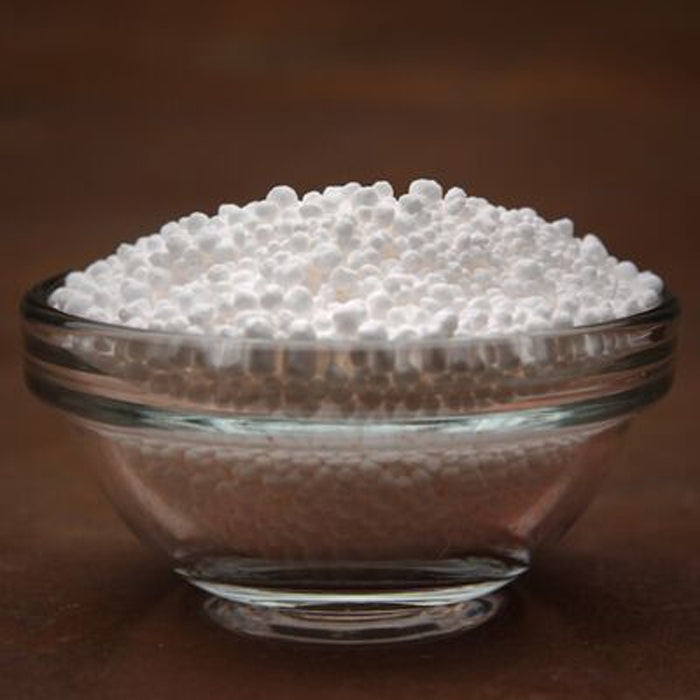
- Silica gel beads cost more per pound than calcium chloride. But you reuse them many times.
- Calcium chloride refills are cheap per pack. You buy them again and again.
Operating cost
- Silica gel beads need energy to recharge. A small oven cycle is low cost if you batch the process.
- Calcium chloride needs no power. But you buy new refills and throw out brine.
Waste and footprint
- Silica gel beads create less waste over time. They last for many cycles.
- Calcium chloride creates brine that you must dispose of. It may corrode and spill if handled poorly.
For gel beads vs calcium chloride, the budget choice depends on time and scale. If you run a damp basement year-round, calcium chloride may cost more over time. For gear cases and closets, silica gel beads win on cost and care.
Real-world results and lessons learned
I use silica gel beads in my camera bags, gun safe, and travel cases. They keep humidity stable. I recharge them every few months. My lenses stay clear and my safe does not rust.
I used calcium chloride buckets in a leaky garage one winter. The air cleared in two days. Each bucket filled with brine in a week. It worked great, but I had to watch for spills and rust risk.
My takeaway on gel beads vs calcium chloride is simple. Use calcium chloride to fix wet air fast. Use silica gel beads to protect things day to day. Mix both for the best result in tough seasons.
Buying checklist and tips
What to look for in silica gel beads
- Size and package. Can you recharge them easily?
- Indicator type. Choose non-cobalt dyes or colorless versions if safety is key.
- Pore type. Standard beads are fine for home use. Specialized beads exist for very dry needs.
What to look for in calcium chloride
- Container design. Solid trays with splash guards cut leak risk.
- Pellet or flake quality. Low dust is safer and cleaner.
- Clear instructions on disposal. You want simple, safe steps.
Extra tips for gel beads vs calcium chloride
- Match the product to the space size. Do not under-size.
- Seal the space. Closed spaces dry faster and stay dry longer.
- Use a hygrometer. Measure results and adjust load as needed.
Frequently Asked Questions of gel beads vs calcium chloride
Is silica gel better than calcium chloride for closets?
Silica gel is safer for clothes and metals because it stays dry. Calcium chloride works faster but makes brine that can leak.
How often do I need to replace or recharge desiccants?
Silica gel can be recharged many times in an oven. Calcium chloride is usually single use and must be refilled when the brine chamber fills.
Can I use hydrogel water beads to dehumidify a room?
No. Hydrogel beads hold water but do not pull moisture from air like a desiccant. They are for crafts or soil, not dehumidifying.
Will calcium chloride damage my tools or electronics?
It can if brine leaks or if salt dust contacts metal. Keep it away from tools and use sealed trays.
How much desiccant do I need for a safe or case?
A small safe may need 50–200 grams of silica gel. Check humidity with a small meter and scale up if levels stay high.
Can I mix silica gel and calcium chloride in the same space?
Yes, but keep calcium chloride isolated to avoid leaks. Use silica gel inside cases and calcium chloride outside in the room.
Is silica gel food safe?
Food-grade silica gel packets are used in food jars and supplements. Do not eat them, but they are safe to use as directed.
Conclusion
Both options work, but they shine in different roles. Calcium chloride is the heavy hitter for wet spaces and quick drops in humidity. Silica gel beads are the steady guardian for gear, safes, and packed goods. When you think about gel beads vs calcium chloride, think speed, leakage risk, and reuse.
Start small and measure results. Place a hygrometer, run one product for a week, and adjust. If this helped, share it with a friend, subscribe for more guides, or drop your setup and results in the comments.