

Crystal absorbers usually beat charcoal bags for moisture control, while charcoal wins for odors.
If you are weighing crystal absorbers vs charcoal bags, you are in the right place. I have tested both in closets, basements, cars, and even in a damp RV. In this guide, I break down how each works, where each wins, and what to buy. You will get simple steps, real data, and practical tips you can use today.

What are crystal absorbers and charcoal bags?
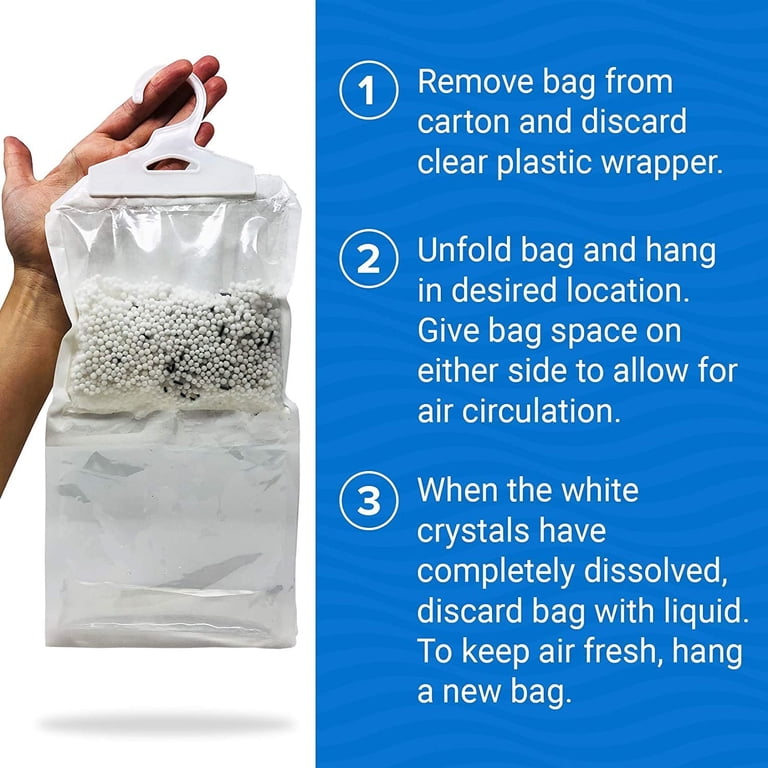
Crystal absorbers are moisture pullers. Most use silica gel or calcium chloride. Silica gel holds water inside its pores. Calcium chloride pulls water so well it turns into a brine. These are called desiccants. They lower humidity and keep things dry.
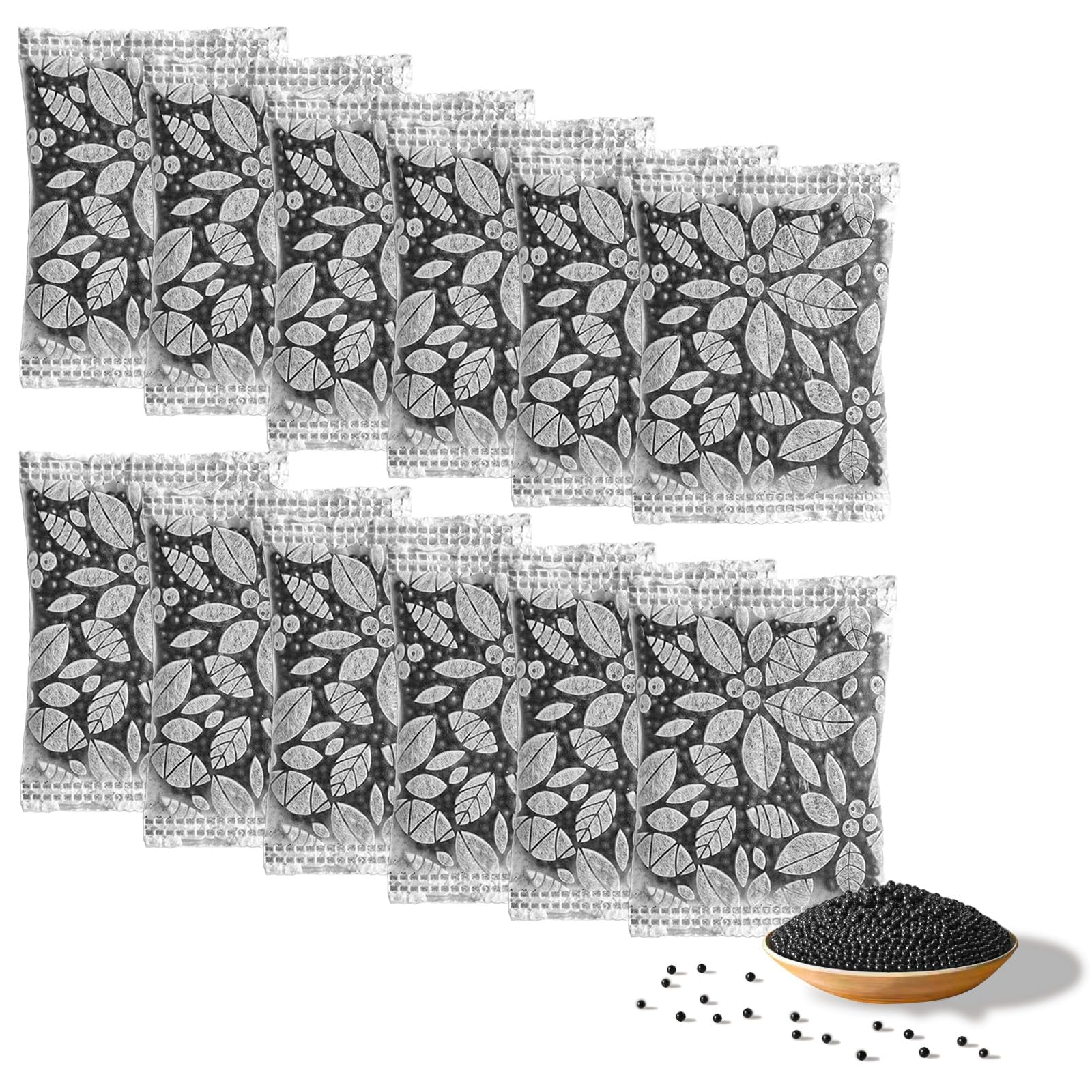
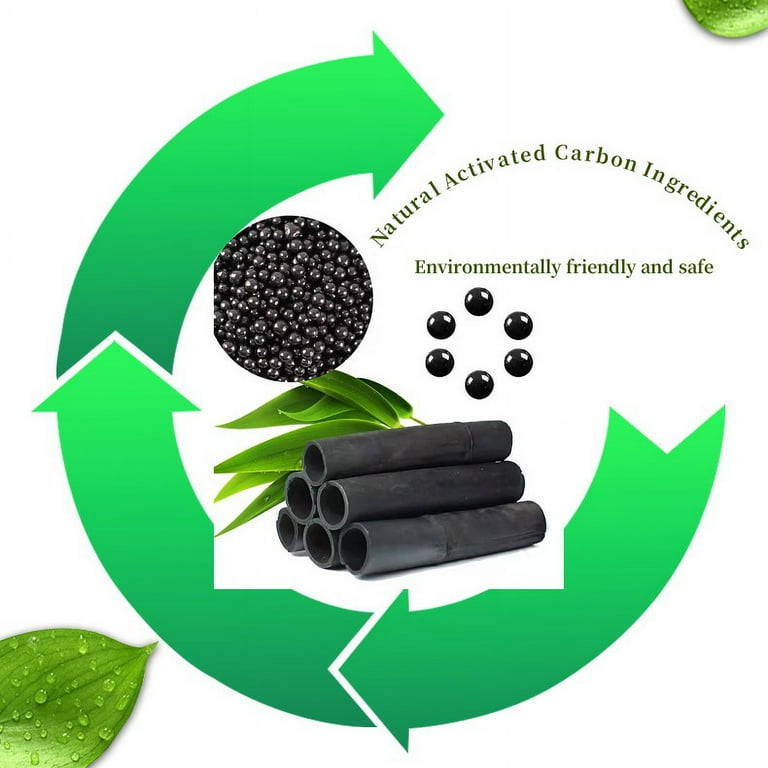
Charcoal bags are odor and gas traps. They use activated carbon, often called bamboo charcoal. The carbon has a huge surface area. It grabs smells and many VOCs from the air. They help air smell cleaner but do not pull much water.
Both are passive. There are no cords or fans. You place them and let them work. When we compare crystal absorbers vs charcoal bags, the big difference is moisture versus odor.

How they work at a glance
Crystals absorb or adsorb water. Silica gel adsorbs vapor onto internal pores. It can hold up to about 40 percent of its weight at high humidity. Calcium chloride absorbs and dissolves in the water it pulls. It is very strong in damp rooms.
Charcoal bags adsorb gases. The pores attract odor molecules, smoke, and many VOCs. Surface areas often range from 500 to 1500 square meters per gram. That is like a football field in a teaspoon. They can also grab a little moisture, but not much.
In the match of crystal absorbers vs charcoal bags, think of a sponge and a magnet. Crystals are the sponge for water. Charcoal is the magnet for smells and chemicals.
Crystal absorbers vs charcoal bags: head‑to‑head
Here is the clear, simple breakdown. Use it to make fast choices.
Performance in humidity
- Crystals lower relative humidity. They help stop mold in closed spaces.
- Charcoal does not reduce humidity in a meaningful way.
Speed and capacity
- Calcium chloride works fast and can pull many times its weight in water.
- Silica gel works steadily and can be recharged in an oven.
- Charcoal changes air smell fast but gathers little water.
Odors and VOCs
- Charcoal excels at odors, smoke, and many VOCs.
- Silica gel can reduce some smells but is not designed for gas cleanup.
Reusability and care
- Silica gel can be baked dry at about 250 to 300°F as per label.
- Calcium chloride tubs are often single use. They produce a salt brine.
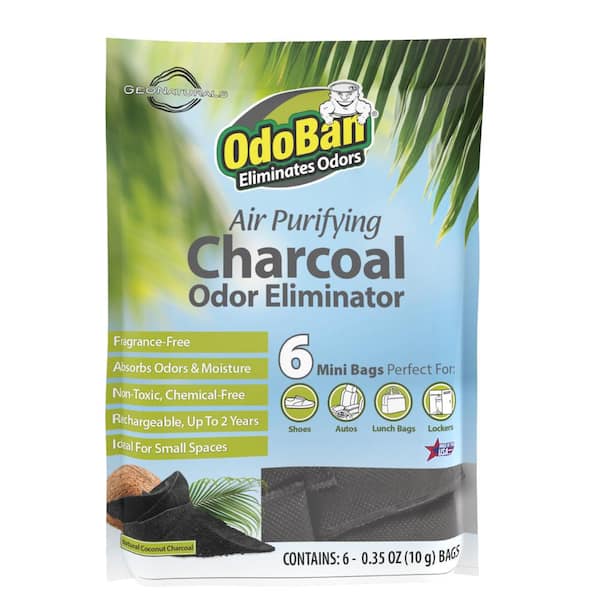
- Charcoal bags recharge in the sun. Many last up to two years.
Safety notes
- Keep calcium chloride away from kids, pets, and metal. The liquid is salty and can corrode.
- Charcoal is inert but can dust. Shake out outside if needed.
- For silica gel, follow heat limits to avoid damage.
Eco and waste
- Charcoal bags are reusable and low waste.
- Silica gel is reusable, so also low waste.
- Calcium chloride creates liquid waste. Follow the label for disposal with water.
Cost
- Charcoal bags cost more up front but last long.
- Silica gel can be a one-time buy plus energy to recharge.
- Calcium chloride is cheap per unit but adds up over months.
When you stack crystal absorbers vs charcoal bags by use, it comes down to your main problem. Wet air needs crystals. Bad air needs charcoal.
Best use cases: where each wins
Closets and dressers
- Crystals reduce musty smells by cutting moisture.
- Charcoal helps with odor from shoes and fabrics.
Cars and trucks
- Crystals stop foggy windows and damp carpets.
- Charcoal helps with smoke, food smells, and new car VOCs.
Basements and storage
- Crystals are the better pick for boxes, tools, and books.
- Charcoal can partner with crystals to control musty odor.
Bathrooms and laundry rooms
- Crystals handle steam and damp towels.
- Charcoal helps with lingering smells.
Pet areas and shoe racks
- Charcoal helps most for pet and shoe odors.
- Crystals only help if the space is damp.
Fridges, gym bags, and lockers
- Charcoal is the clear winner for odor control.
- Crystals are not useful here unless moisture is a problem.
RVs, boats, and cabins
- Use crystals for moisture and mold reduction.
- Add charcoal for fuel and mildew smells.
If your search is crystal absorbers vs charcoal bags, you may need both. In many spaces, a tandem setup works best.

How to choose: a simple step-by-step
Step 1: Identify the main issue
- Is it damp air, condensation, or mold? Choose crystals.
- Is it odor, smoke, or chemicals? Choose charcoal.
Step 2: Measure the space
- Small boxes, shoes, or drawers can use small packs.
- Rooms, closets, or cars need larger units or multiple bags.
Step 3: Check humidity
- A cheap hygrometer tells the truth. Over 60 percent RH needs crystals.
Step 4: Decide on maintenance
- Want easy and safe? Charcoal bags and silica gel tins are simple.
- Fine with liquids? Calcium chloride tubs are strong but messy.
Step 5: Plan placement
- Put units high for vapor, low for pooling moisture.
- Allow airflow. Do not bury them behind clutter.
This flow makes crystal absorbers vs charcoal bags a quick and confident choice.
Real-world tests and tips from the field
Closet test
- My winter closet sat at 65 percent RH. Silica gel dropped it to 55 percent in two days. Clothes smelled fresher. A charcoal bag alone did not change RH but cut shoe odor fast.
Car test
- After a detailing job, my car had new-car VOC smell. A charcoal bag cleared it in 24 hours. For foggy mornings, a silica gel canister near the floor stopped window fog.
- A calcium chloride tub pulled about one cup of water in a week during a wet spell. It beat charcoal in moisture control by a wide margin.
RV test
- Using both worked best. Crystals kept cabinets dry. Charcoal kept bedding and soft goods from smelling stale.
Mistakes I learned to avoid
- I once placed a calcium chloride tub on a metal shelf. It caused rust spots. Always use a tray and keep off metal.
- I forgot to recharge silica gel. It saturated and stopped working. Set a monthly reminder.
These trials reinforced the crystal absorbers vs charcoal bags rule. Crystals for water. Charcoal for odor.

Setup, care, and common mistakes to avoid
Placement tips
- Use one unit per small area for even coverage.
- Keep away from direct splashes and vents that blow hot air.
Recharging and replacement
- Silica gel: bake per label until dry. Cool before sealing.
- Charcoal: set in sun for a few hours on both sides.
- Calcium chloride: empty as directed. Replace the refill when spent.
Common mistakes
- Using charcoal to fight mold. It will not stop mold if humidity stays high.
- Overfilling small spaces with too many bags. More is not always better.
- Ignoring leaks from calcium chloride tubs. Check weekly.
Practical routine
- Log your start date with a marker. Track life span.
- Use a hygrometer. Aim for 50 percent RH for general comfort.
- Rotate or recharge monthly, or sooner if you see a drop in results.
This simple care plan makes crystal absorbers vs charcoal bags easy to manage for the long term.
Cost and value: what you can expect
Upfront costs
- Charcoal bags often cost 10 to 20 dollars for a set. Many last up to two years with sun recharges.
- Silica gel canisters cost 10 to 20 dollars. They are reusable many times.
- Calcium chloride tubs cost 5 to 10 dollars each and last weeks to months, depending on humidity.
Ongoing costs
- Charcoal bags need sunlight only. No added cost.
- Silica gel needs oven heat. Energy use is modest if you batch dry.
- Calcium chloride needs regular refills. It is effective but recurring.
Value by problem
- For constant damp, crystals are cost-effective because they work.
- For steady odors, charcoal is cost-effective because it is reusable.
- When unsure, use both. The mix often saves time and frustration.
From a budget view, the crystal absorbers vs charcoal bags decision should match the problem, not the price tag.

Frequently Asked Questions of crystal absorbers vs charcoal bags
Do charcoal bags remove moisture like crystal absorbers?
Charcoal bags absorb a little moisture, but not enough to lower room humidity. Crystal absorbers are better for moisture control.
Are silica gel crystal absorbers safe around food and clothes?
Yes, when sealed in proper containers and used as directed. Do not ingest and keep away from children and pets.
How long do charcoal bags last?
Most last up to two years with monthly sun recharges. Replace when odors return quickly or the bag stops working.
Can I reuse calcium chloride crystal absorbers?
Most calcium chloride tubs are single use because the crystals turn into liquid. Refill kits exist, but disposal and handling need care.
Which is better for cars: crystal absorbers vs charcoal bags?
Use both if possible. Crystals reduce window fog, while charcoal cuts smoke and cabin odors.
Will crystal absorbers prevent mold?
They help by lowering humidity, which mold needs to grow. Keep RH near 50 percent and allow airflow for best results.
Can I dry silica gel in a microwave?
Only if the label says it is microwave-safe. Many are not, and overheating can damage the gel or container.
Conclusion
Crystal absorbers vs charcoal bags is not a battle. It is a toolbox choice. Use crystals to lower humidity and protect items. Use charcoal to clear odors and many VOCs. In tricky spaces, pair them for full coverage.
Take a quick walk through your home or car today. List the damp spots and the smelly spots. Choose the right tool for each. If you found this helpful, subscribe for more simple home fixes, or drop a question in the comments so I can help you dial in your setup.