

Calcium chloride absorbs more moisture, silica gel is cleaner, safer, reusable.
If you want a clear, practical guide on calcium chloride vs silica gel packets, you are in the right place. I work with moisture control in homes, gear rooms, and shipping. Here I explain how each desiccant works, when to use it, what to avoid, and how to size it right. You will leave knowing exactly which one to pick for your space and why.
What desiccants do and how they work
Desiccants pull water vapor out of the air to lower humidity. That protects things from mold, rust, odor, and fog. But not all desiccants act the same.
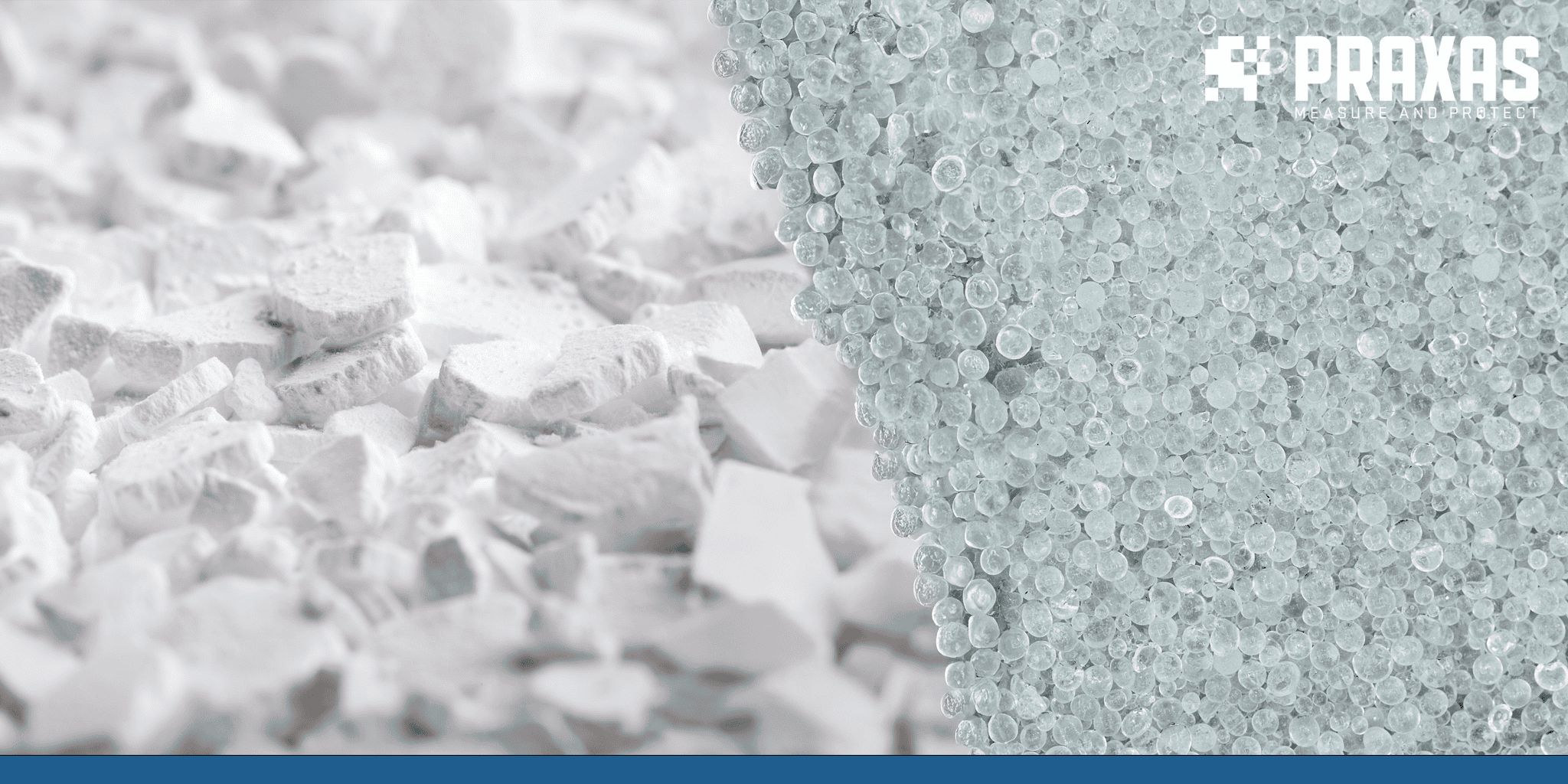
Silica gel adsorbs water on its surface. Think of it like tiny sponges with lots of pores. Calcium chloride absorbs water into itself. It turns into liquid brine as it works.
This simple science is the key to calcium chloride vs silica gel packets. It’s why one is best for damp rooms and the other for sealed boxes.
Calcium chloride at a glance
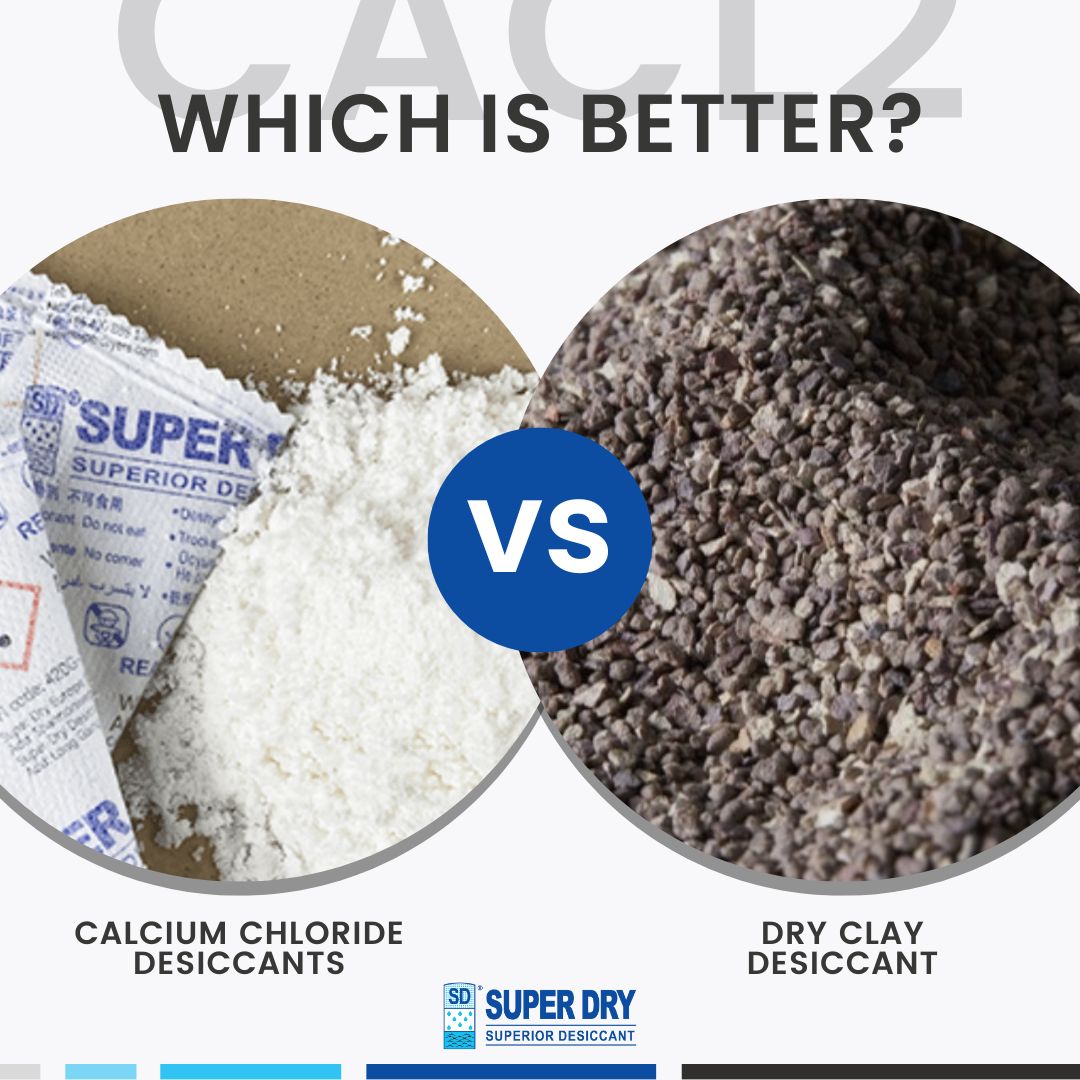
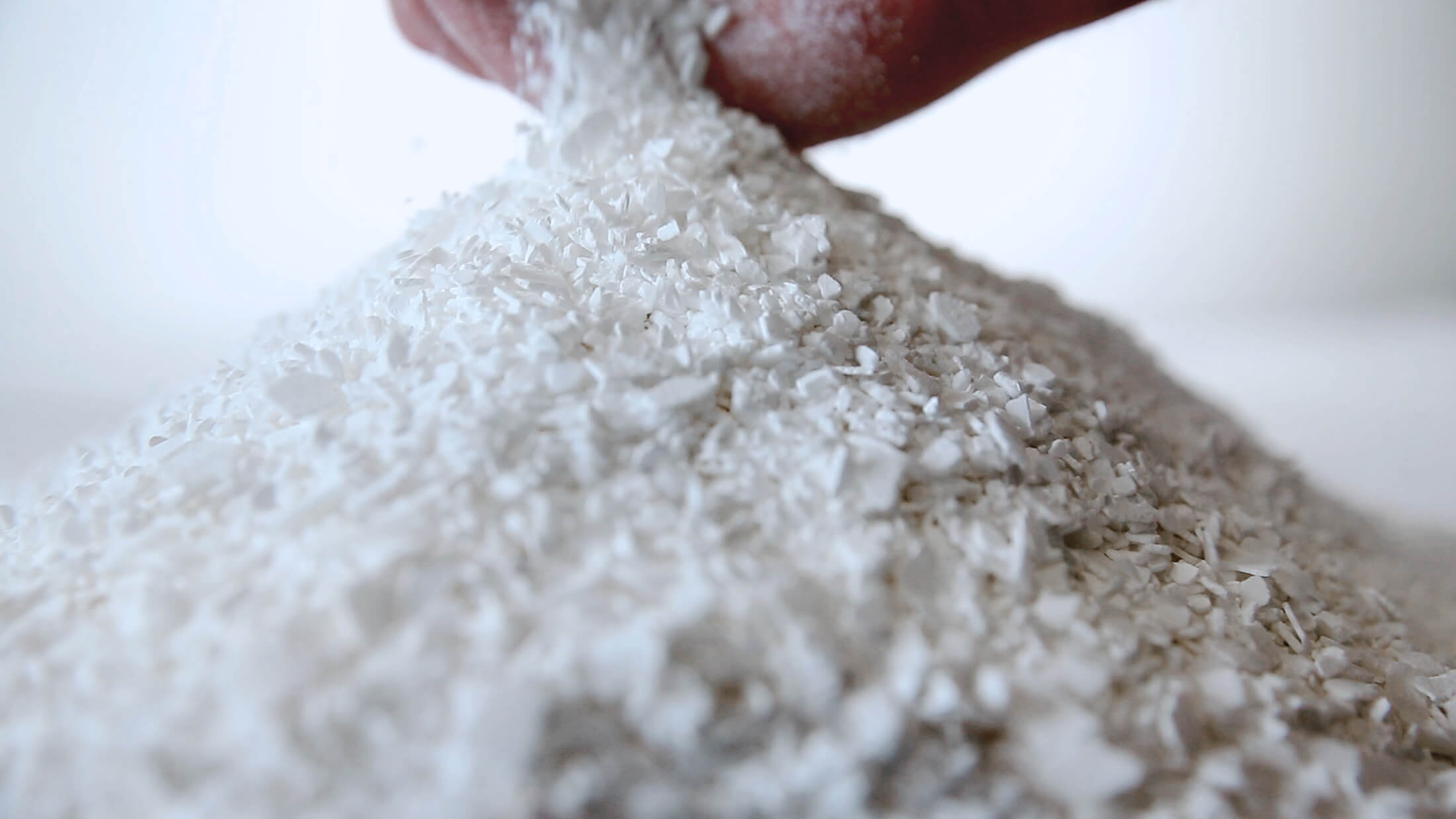
Calcium chloride is a salt that loves water. It can pull in a lot of moisture fast, even in very damp air.
Pros
- Very high capacity. Often up to 200–300% of its own weight.
- Works great in basements, bathrooms, RVs, and boats.
- Strong at high humidity and cool temps.
Cons
- Liquefies into brine and can leak if not contained.
- Can corrode metals if the brine spills.
- Not simple to regenerate at home.
Best use cases
- Damp rooms with musty smells.
- Seasonal homes, sheds, and storage units.
- Flood recovery and wet closets.
If you compare calcium chloride vs silica gel packets in wet areas, calcium chloride wins for raw water removal.

Silica gel at a glance
Silica gel is a porous form of silica. It traps water on its surface. It stays solid, so it is clean and simple.
Pros
- Stays dry to the touch. No liquid mess.
- Reusable. You can dry it in an oven and use it again.
- Great for boxes, safes, and electronics.
Cons
- Lower capacity than calcium chloride in very damp air.
- Slower at high humidity.
- Indicator beads may fade over time.
Best use cases
- Camera bags, gun safes, and document boxes.
- Electronics and spare parts.
- Food packaging and shipped goods.
In clean, closed setups, calcium chloride vs silica gel packets leans toward silica gel every time.

Calcium chloride vs silica gel packets: key differences
Here is the simple breakdown that most people need.
Moisture capacity
- Calcium chloride: very high. Often 200–300% of its weight as water.
- Silica gel: moderate. Often 25–40% at common indoor humidity.
Speed and humidity range
- Calcium chloride: fast in high RH and cool air.
- Silica gel: steady in mid RH. Slower in very damp rooms.
Mess and safety
- Calcium chloride: turns to brine. Needs a drip-proof tray.
- Silica gel: stays solid. Safer near electronics and papers.
Reusability
- Calcium chloride: not easy to regenerate at home.
- Silica gel: oven-dry at about 250°F (120°C) for 2–3 hours.
Corrosion risk
- Calcium chloride: brine can corrode metals.
- Silica gel: inert. Low risk if kept clean.
Food and packaging
- Calcium chloride: common in room absorbers, not in food pouches.
- Silica gel: common in food-safe pouches and pharma.
Cost
- Calcium chloride: cheap per liter of water removed in rooms.
- Silica gel: great value when you reuse it in sealed spaces.
If you want one rule of thumb for calcium chloride vs silica gel packets, ask this: is your space open and damp, or sealed and clean? That single choice often decides it.

How to choose by scenario
Pick based on humidity level, space type, and risk of leaks.
For damp rooms and closets
- Choose calcium chloride. Use a sealed cup or hanging bag.
- Place a tray under it to catch brine.
For sealed boxes and safes
- Choose silica gel. It will not leak or stain.
- Use indicating beads so you know when to recharge.
For RVs and boats
- Use calcium chloride in living areas during storage.
- Use silica gel inside bins for gear, tools, and cameras.
For electronics and optics
- Use silica gel only. Avoid calcium chloride brine near metal parts.
- Keep pouches inside dry boxes or cases with a tight seal.
For food and medicine packaging
- Use silica gel packets. Look for packaging-grade products.
In daily use, calcium chloride vs silica gel packets is about risk and mess. Rooms and closets want power. Boxes and gear want clean.
Sizing made simple
Right sizing keeps you from overbuying or under-drying. Use these quick rules.
For rooms and closets with calcium chloride
- Small closet up to 50 sq ft: 250–500 g per month in damp seasons.
- Mid room 100–200 sq ft: 1–2 kg per month if very damp.
- Check and replace when the tray fills with brine.
For sealed boxes with silica gel
- Small camera bag or 5–10 L case: 10–20 g.
- 30–50 L bin: 50–100 g.
- Gun safe 8–12 cu ft: 200–500 g, depending on seal quality.
A fast way to decide
- If you open the space often, go larger.
- If you seal it well, you can go smaller.
- Use indicating silica gel so you can recharge at the right time.
Example
- A 40 L gear bin in a garage: start with 50–100 g silica gel. If the indicator turns wet within a week, double it. If it stays dry for a month, you are set.
These rules make calcium chloride vs silica gel packets easy to size without math.
Safety, disposal, and reactivation
Safer handling means fewer headaches.
Calcium chloride
- Keep upright in a drip-safe holder.
- Do not place over metal shelves or gear.
- Dispose of brine per local rules. Do not pour on plants or soil.
- Do not try to “bake it dry” at home. It is not practical or safe.
Silica gel
- Non-toxic but a choking hazard. Keep from kids and pets.
- Choose cobalt-free indicator beads for health and eco reasons.
- Regenerate at about 250°F (120°C) for 2–3 hours on a tray.
- Cool, then store in an airtight jar until use.
This is where calcium chloride vs silica gel packets differ the most. One needs spill care. The other needs heat to refresh.

Real-world tips and mistakes to avoid
Here are lessons from many humid summers and gear fails I have seen.
Practical tips
- Put calcium chloride in a sealed cup with a spill tray. Always.
- For closets, hang an absorber near the door for air flow.
- For camera gear, use silica gel and a gasketed case.
- Label the date you set each desiccant. Rotate on a schedule.
Mistakes to avoid
- Do not toss calcium chloride on a shelf above clothes or tools.
- Do not expect silica gel to fix a wet basement.
- Do not mix types in one open space. Pick the right one.
- Do not bake silica gel too hot. It can crack or scorch.
This kind of care turns calcium chloride vs silica gel packets from guesswork into a plan.
Cost and environmental impact
Think about total value, not only price per pack.
Cost view
- Calcium chloride is cheap for big, damp jobs. Great per liter of water removed.
- Silica gel costs more up front but shines when reused many times.
Waste and impact
- Calcium chloride creates brine and used containers. Limit use to spaces that need it.
- Silica gel can run for years with careful reactivation. Choose cobalt-free indicators.
- Store both in sealed bins to extend life and cut waste.
Use this lens when you weigh calcium chloride vs silica gel packets for home, shop, or travel. Pick the one that meets the need with the least waste.
Frequently Asked Questions of calcium chloride vs silica gel packets
Is calcium chloride better than silica gel?
It is better for wet rooms and high humidity. Silica gel is better for sealed boxes and when leaks would be a problem.
Can I use calcium chloride inside a safe or camera case?
I do not recommend it. The brine can spill and corrode metal and optics. Use silica gel instead.
How often should I replace or recharge desiccants?
Replace calcium chloride when the cup fills with brine. Recharge silica gel when the indicator turns color, often every few weeks to months.
Are silica gel packets food safe?
Many are food-grade when sold for that use. Always check the label and avoid indicator beads inside food containers.
Can silica gel stop mold in a basement?
No, not on its own. It is for sealed spaces. Use calcium chloride or fix the damp source for rooms and basements.
What humidity level should I aim for?
Aim for 40–50% RH for most storage. For cameras and instruments, 30–45% RH is common.
Will calcium chloride damage fabrics or leather?
If brine contacts them, yes, it can stain or cause damage. Keep it contained and away from items.
Conclusion
Both desiccants shine, but in different arenas. Calcium chloride pulls big loads in damp rooms. Silica gel keeps sealed spaces clean and dry without leaks. If you match the tool to the job, you save money, save time, and protect what matters.
Pick one space today and set it up right. Try a tray of calcium chloride for that musty closet, or drop fresh silica gel in your camera case. Want more guides like this? Subscribe, share your results, or ask a question in the comments.