

Rechargeable wins on long-term cost and waste; disposables are stronger for fast, heavy damp.
If you are weighing rechargeable vs disposable moisture absorbers, you are in the right place. I have tested both for closets, RVs, and a damp basement. I will break down how they work, what they cost, and when each shines. You will leave with a clear pick for your space and budget.

How moisture absorbers work
Moisture absorbers pull water from the air. They use a salt or a gel that loves water. The air touches the media, and water sticks to it or turns into liquid brine.
Most disposable moisture absorbers use calcium chloride. It can pull a lot of water fast. most rechargeable products use silica gel or a similar desiccant. It holds water in tiny pores. You then dry it out to use it again.
Knowing this makes the choice of rechargeable vs disposable moisture absorbers much easier. The media drives speed, capacity, and upkeep.

What “rechargeable” moisture absorbers are
Rechargeable moisture absorbers are canisters or tiny units with silica gel or molecular sieve. When full, you dry them in an oven or plug them into a dock. Heat drives the water back out. You then place them back where you need them.
Common types:
- Plug-in renewable units with a base that heats the beads
- Oven- or microwave-safe canisters with color beads that turn from orange to green
- Larger canisters with refillable silica gel packs
Pros:
- Low long-term cost when used for years
- Lower waste, since you reuse the same unit many times
- Safe solids, no brine leaks when used right
Cons:
- Lower speed than calcium chloride in very damp rooms
- Needs time and power or heat to dry the beads
- Smaller units need recharging more often
From my use, a 500–750 gram silica canister keeps a walk-in closet fresh for weeks. I recharge it in the oven at low heat every month or two. It is simple and tidy. For rechargeable vs disposable moisture absorbers, this path wins in small, steady-damp spaces.
What “disposable” moisture absorbers are
Disposable moisture absorbers are cups, tubs, or hanging bags filled with calcium chloride. They work fast. They pull water and drip it into a reservoir as brine. When full, you throw it away and replace it.
Pros:
- Fast pull-down of humidity in wet spots
- Great for basements, garages, boats, and bathrooms
- No waiting to “recharge”
Cons:
- Ongoing cost for refills
- Brine can spill and may cause corrosion if tipped
- More plastic waste over time
I once used disposable tubs in a boat cabin. They cleared musty air in days. But once, one tipped and leaked. I learned to place them in a stable tray. That small step avoids stress and mess.

Head-to-head: rechargeable vs disposable moisture absorbers
Speed of drying:
- Disposable calcium chloride wins for speed. It can pull several times its weight in water.
- Rechargeable silica gel is slower but steady and clean.
Capacity:
- Disposable tubs can absorb many times their weight and are easy to scale by adding more.
- Rechargeable units have a fixed capacity per cycle and need regular recharging.
Cost:
- Disposable wins on upfront price.
- Rechargeable usually wins over one to two years if used often.
Ease and mess:
- Disposable is set-and-forget but creates liquid brine.
- Rechargeable is dry and tidy but needs a recharge step.
Environment:
- Disposable creates more waste.
- Rechargeable reduces waste and packaging over time.
In short, for rechargeable vs disposable moisture absorbers, match the tool to the job. Quick, heavy damp? Go disposable. Long-term, low to moderate damp? Go rechargeable.
Cost of ownership: simple math
Let’s run a modest, real-world example.
-
Closet or pantry, light damp, year-round:
- Rechargeable: One mid-size silica canister, recharged monthly. Electricity per recharge is often a few cents. Over a year, you might spend a couple of dollars total.
- Disposable: One small hanging bag per month. Over a year, the cost adds up fast.
-
Basement corner, heavy damp, 6 wet months a year:
- Rechargeable: You may need several units and frequent recharges. Time adds up.
- Disposable: Two to three tubs per month during the wet season. Higher cost but better results.
Over two to three years, rechargeable vs disposable moisture absorbers often favors rechargeable for steady, small spaces. For large, wet areas, disposable may cost more but works fast and needs less hands-on time.

Safety, placement, and maintenance
Safety tips:
- Keep calcium chloride away from metal tools, bikes, and electronics. The brine can corrode.
- Place disposable tubs in a stable tray. Do not place above carpets or wood without protection.
- Keep both types away from kids and pets.
Placement tips:
- Start high in closets and mid-level in rooms for better airflow.
- Avoid placing right next to walls where air is still.
- In cars or RVs, secure units to prevent tipping.
Maintenance:
- Recharge silica gel when the color indicator changes.
- For oven drying, use low heat and follow the label.
- For disposable units, check the reservoir weekly and replace when full.
These habits boost results for both sides in the rechargeable vs disposable moisture absorbers debate.

Eco and waste impact
Waste adds up with disposables. Each tub or bag means more plastic and a brine pouch to toss. Many cities do not allow pouring brine down drains. Always follow local rules and product labels.
Rechargeable units cut waste by a lot. One canister can last years with careful use. The energy to recharge is modest compared to the plastic you avoid. If eco impact matters to you, rechargeable vs disposable moisture absorbers leans strongly to rechargeable.

Which should you choose? Real-world scenarios
Pick rechargeable if:
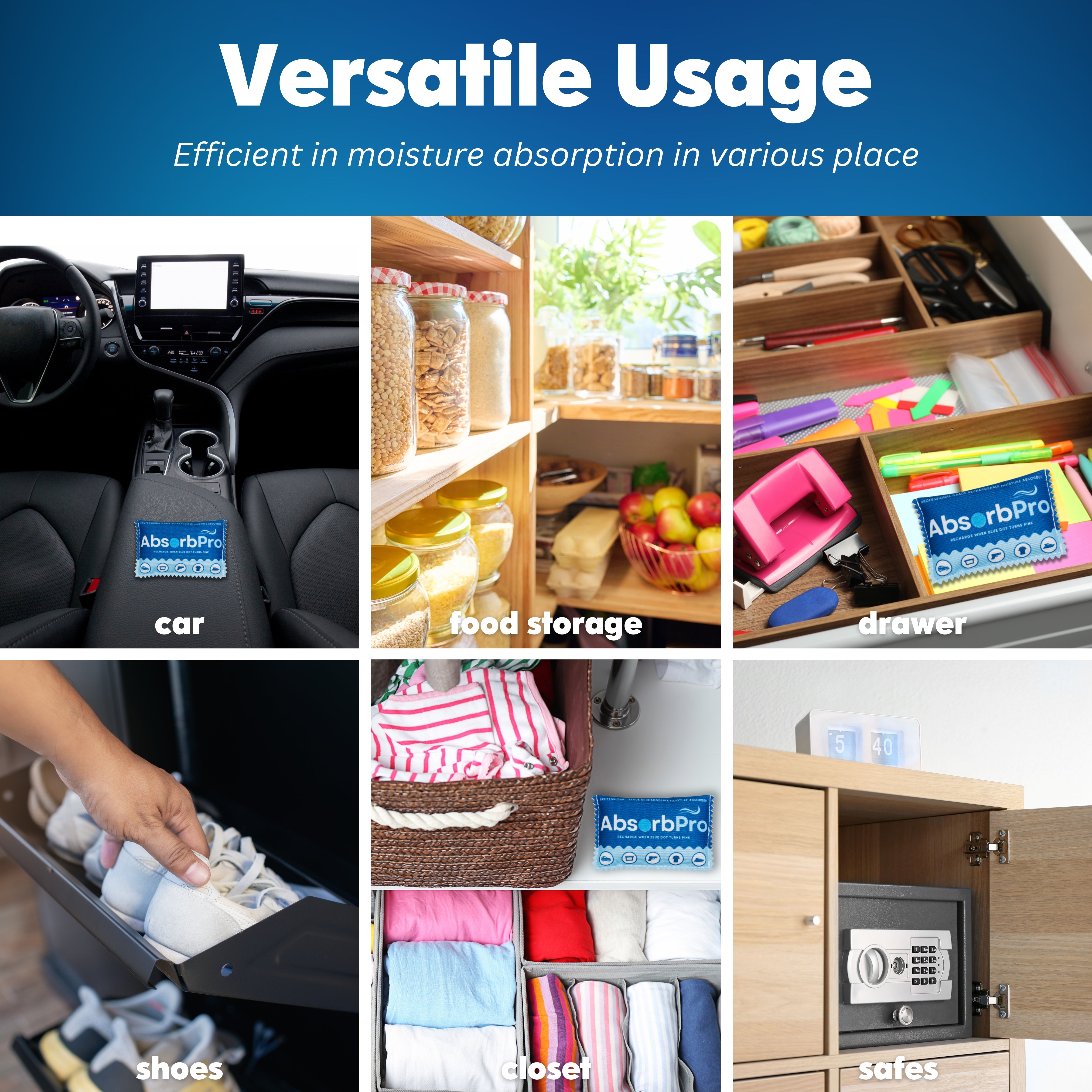
- You have a closet, gun safe, pantry, cabinet, or camera case
- You want low waste and low long-term cost
- You do not mind recharging every few weeks
Pick disposable if:
- You have a damp basement, laundry room, boat cabin, or garage
- You need fast results after leaks, storms, or winter storage
- You want little upkeep and can replace refills as needed
Blended approach:
- Use a disposable tub to knock down moisture fast.
- Then switch to a rechargeable canister for steady control.
- This mix often gives the best cost and comfort over time.
This simple framework makes rechargeable vs disposable moisture absorbers an easy call.

Frequently Asked Questions of rechargeable vs disposable moisture absorbers
Are moisture absorbers the same as dehumidifiers?
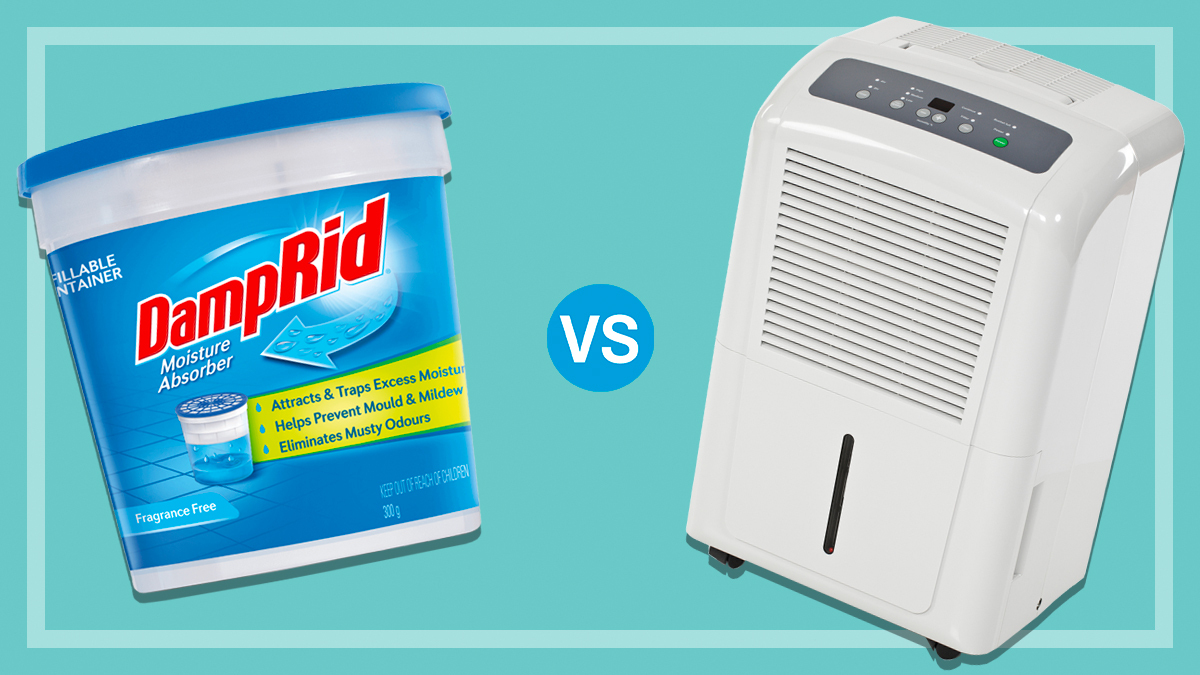
No. Moisture absorbers use a passive chemical or gel. Dehumidifiers use a powered system with a fan and coils or a desiccant wheel.
How often do I need to recharge silica gel?
Most units need recharging every 2 to 6 weeks. The timing depends on room humidity, temperature, and unit size.
Can I microwave silica gel to recharge it?
Some can, but only if the label says it is safe. If not, use an oven at low heat or the product’s plug-in base.
Do disposable calcium chloride units leave a smell?
They are usually odorless. If you smell something, check for a spill or replace the unit.
Are moisture absorbers safe near electronics?
Rechargeable silica gel canisters are safer near electronics since they are dry. Keep calcium chloride brine away from electronics to avoid corrosion.
Will a moisture absorber stop mold?
It helps by lowering humidity. But for mold control, also fix leaks, boost airflow, and clean surfaces.
How do I dispose of the liquid from disposable units?
Follow the label and local rules. Many brands say to seal the brine and dispose of it with household trash.
What size should I buy for a closet?
A mid-size rechargeable canister or a small disposable bag works well. For large walk-ins, use two units or a larger model.
Can I use both types at once?
Yes. Use disposable for fast pull-down after a damp event. Then maintain with a rechargeable canister.
Will moisture absorbers damage wood or fabrics?
Rechargeable canisters are safe when placed well. With disposables, use a tray to avoid brine contact with wood or fabrics.
Conclusion
Choosing between rechargeable vs disposable moisture absorbers comes down to speed, effort, and waste. Disposable wins for fast, heavy damp and simpler upkeep. Rechargeable wins for steady control, low waste, and long-term savings. Pick the one that fits your space and routine, or blend both for the best of each.
Try one small test this week. Place the right unit in your dampest spot, check results in seven days, and adjust from there. Want more tips like this? Subscribe, ask a question, or share your setup so we can help you dial it in.