

Keep makeup dry by controlling humidity, sealing storage, and using desiccants.
If you’ve ever opened a compact to find it cakey or saw your mascara go off fast, moisture is often the culprit. In this guide, I’ll walk you through moisture control for makeup storage with simple, proven steps. I’ve tested these methods in humid studios, dry homes, and on the road. You’ll learn why humidity matters, how to monitor it, and the best tools to keep your products fresh longer.
Why moisture matters for your makeup
Moisture speeds up product spoilage. It invites bacteria and mold, weakens preservatives, and breaks down textures. Powders clump, creams separate, and pencils can swell or crack. Good moisture control for makeup storage keeps formulas stable and safer to use.
Aim for relative humidity between 35% and 50% where you store makeup. Warmer, damp air helps microbes grow faster. That’s why bathrooms are risky. I’ve seen lipsticks sweat in summer and powders hard-pan overnight when stored by a steamy shower.
If you keep your items dry and cool, they last closer to their intended shelf life. Colors stay true. Textures blend better. And your skin will thank you.
How humidity affects different product types
Powders (blush, bronzer, eyeshadow, setting powder)
Powders pull moisture from the air and bind on the surface, causing hard-pan. They lose payoff and can crack. Keep them in airtight drawers with silica gel, and avoid opening them in steamy rooms.
Creams and liquids (foundation, concealer, cream blush)
Excess humidity can thin or separate emulsion formulas. Preservatives also work harder as water activity rises. Close caps fast, store upright, and avoid dipping damp tools into the pan.
Mascara and liquid liners
These are high-risk items. Moisture and heat speed microbial growth once opened. Never try to “revive” with water. If it thickens or smells off, replace it.
Lipsticks and balms
High humidity can cause sweating and surface beads. Wipe with a clean tissue, then store in a cooler, dry spot. Keep caps tight to limit air exchange.
Brushes and sponges
Storing them damp is a mold magnet. Dry fully before putting them away. I dry sponges near a fan and wait 24 hours before closing any case.
Moisture control for makeup storage looks a bit different for each category, but the goal is the same: limit water exposure and air contact.
Measuring and monitoring: simple tools that work
You cannot manage what you don’t measure. A small digital hygrometer shows your room and drawer humidity at a glance. Place one where you store products and check readings weekly.
Target 40–50% relative humidity for most homes. If your RH is above 55%, add desiccants to sealed cases or run a room dehumidifier. Smart sensors that log data help you spot patterns like steamy morning spikes after showers.
Moisture control for makeup storage starts with seeing your numbers. Once you know the baseline, you can fix the hot spots.
Practical setup: moisture-safe makeup storage at home
Follow these steps to create a reliable system:
- Choose the right location: a bedroom dresser or closet shelf is better than a bathroom. Keep away from windows, heaters, and AC blasts.
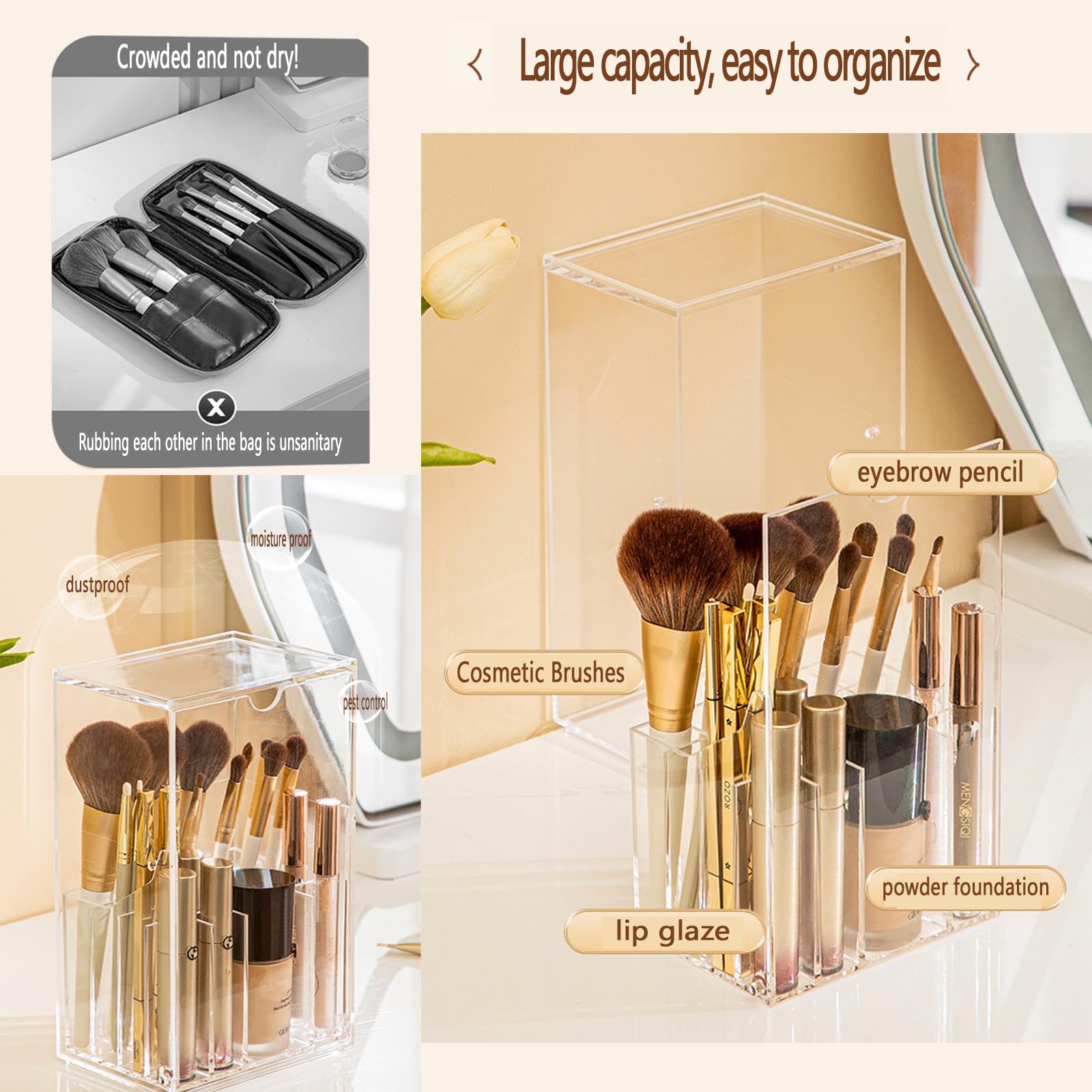
- Use sealed storage: latching bins, acrylic drawers with gaskets, or tight-lid organizers reduce air exchange.
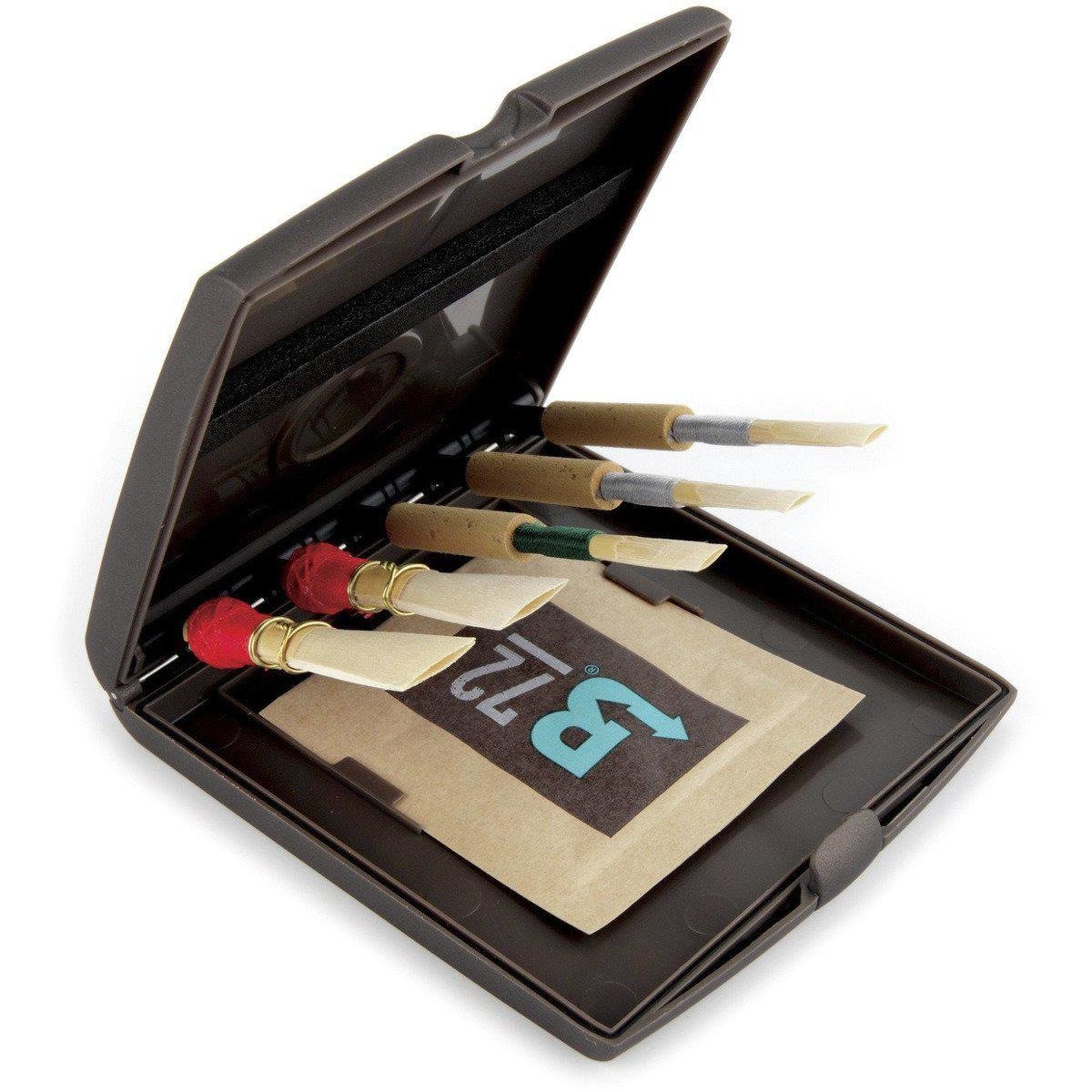
- Add desiccants: place silica gel packets or canisters inside each drawer or bin. Use indicator beads to know when to refresh.
- Control temperature: cooler is better than warm. Room temp works; no need for a skincare fridge unless it controls humidity.
- Limit opening in humid rooms: avoid opening compacts after showers. Move the daily kit to a dry zone for use.
- Date and rotate: mark open dates, keep older items in front, and avoid hoarding backups in damp spaces.
This is the heart of moisture control for makeup storage: a dry place, sealed cases, and steady habits.

The moisture control toolkit
You have several tools to customize your setup:
- Silica gel packs: reusable, safe for most storage. Regenerate by baking per label directions.
- Indicating silica gel: changes color when saturated. Easy way to know when to dry or replace.
- Molecular sieve beads: pull moisture even at low humidity. Great for very humid climates.
- Bentonite clay desiccants: natural option, good capacity, often used in shipping.
- Calcium chloride tubs: very strong moisture absorbers for rooms or closets. Keep away from direct contact with makeup and check for leaks.
- Mini dehumidifier: helps if your whole room stays damp. Use a model with auto-shutoff.
For moisture control for makeup storage, start small with silica packs in sealed bins. Scale up only if readings stay high.

Cleaning, rotation, and habits that keep moisture low
Small habits make a big difference:
- Close lids right after use. Wipe rims so caps seal.
- Never dip damp brushes into powders or creams.
- Let brushes and sponges air-dry fully before storing. Aim for 24 hours with good airflow.
- Wipe compacts with a dry microfiber if you see film or beads.
- Replace mascara every 3 months after opening. No water, no saliva, no oils added.
These steps strengthen moisture control for makeup storage and keep germs down too. I set a monthly reminder to re-dry desiccants and toss expired items.

Seasonal, climate, and travel strategies
Weather shifts matter. Summer humidity spikes can wreck textures fast. In warm months, add extra desiccant and avoid window sills. In winter, indoor humidity often drops, but steamy showers still cause local spikes.
For very humid climates, use gasketed bins and molecular sieve beads. For arid zones, control dust and avoid heat exposure. Travel tip: pack items in zip bags with a small silica packet, and do makeup outside the hotel bathroom if it’s steamy.
Keep moisture control for makeup storage in mind year-round. Your kit will perform the same in July as it does in January.

Troubleshooting and when to toss
Watch for warning signs:
- Powders: shiny hard-pan, clumps, or a musty smell.
- Creams: separation, sweating, or texture shifts that do not mix back.
- Mascara: smell change, stringy texture, or eye irritation.
- Lipsticks: beads, rancid odor, or sudden softness.
Try this: for clumped powders, place the compact in a sealed box with fresh silica gel overnight. Often the surface dries and payoff improves. But do not salvage eye products with odor changes. Safety first is a core rule of moisture control for makeup storage.

Frequently Asked Questions of moisture control for makeup storage
What humidity level is best for makeup storage?
Keep relative humidity around 40–50%. This range helps limit microbial growth and protects textures.
Can I store makeup in the bathroom if I use desiccants?
It helps, but bathrooms still swing from steam to cool air. A bedroom drawer with desiccants is safer and more stable.
Do skincare fridges help with moisture control for makeup storage?
Most mini fridges do not control humidity well. They can add condensation when opened, so use them carefully and keep items sealed.
How often should I replace silica gel packets?
Check indicating beads weekly. Regenerate or replace when the color shows they are saturated.
Are vacuum-sealed bags good for makeup?
Not for daily use. They limit air, but repeated sealing can stress packaging and trap any moisture already inside.
What if my powder got wet by accident?
Let it air-dry in a low-humidity room, then store with silica gel. If smell or texture stays off, replace it.
Is mold on makeup common?
It’s uncommon with good storage, but it happens in damp spaces. If you see spots, discard the product right away.
Conclusion
Moisture is quiet but costly. Keep humidity steady, seal your storage, and refresh desiccants on a schedule. With smart habits and a few tools, moisture control for makeup storage becomes easy, and your products last longer and work better.
Start today. Check your humidity, move your kit to a dry spot, and add a few silica packs. If this helped, subscribe for more simple care guides and share your own storage tips in the comments.