

Stop stink by drying gear fast, boosting airflow, and using absorbent packs.
You work hard. Your gym bag should too. In this guide, I share proven tips, simple routines, and smart gear for moisture control for gym bags. I have tested liners, inserts, and cleaning methods as a coach and commuter. If you want a fresh bag and healthy skin, this is your playbook for moisture control for gym bags.
Why moisture control matters in gym bags
Moisture is more than a bad smell. Warm, damp gear can grow bacteria and fungi fast. That can trigger skin breakouts and athlete’s foot. It can also damage shoes and bag fabrics.
Moisture control for gym bags reduces odor, wear, and health risks. It keeps your stuff dry, safe, and ready to use. It also saves time because your bag does not need constant deep cleaning.
I learned this the hard way. Years ago, I tossed sweaty wraps in a sealed bag. Two days later, they smelled like a locker drain. Now I use a simple routine and a few tools. My bag stays clean and dry.

How moisture builds up and spreads odor
Sweat and pool water soak into clothes, shoes, and padding. If the bag has low airflow, that moisture sits. Bacteria and yeast love that mix of warmth, salt, and skin cells. Odor is their calling card.
Moisture control for gym bags breaks this chain. It adds airflow, absorbs water, and removes fuel for germs. Think of it like opening windows, then using a towel, then a fan.
Tiny changes add up. Vent panels, quick-dry towels, and fast unpacking cut damp time. Less damp time means less odor and less growth.
Materials and technologies that help
Some bag fabrics handle sweat better. Nylon and polyester dry faster than cotton. Coated layers like TPU add water resistance for wet items. Mesh zones help air move through the bag.
Antimicrobial linings can slow odor. Silver or copper treatments reduce microbe growth on fabric surfaces. They are not a cure, but they help. You still need airflow and cleaning.
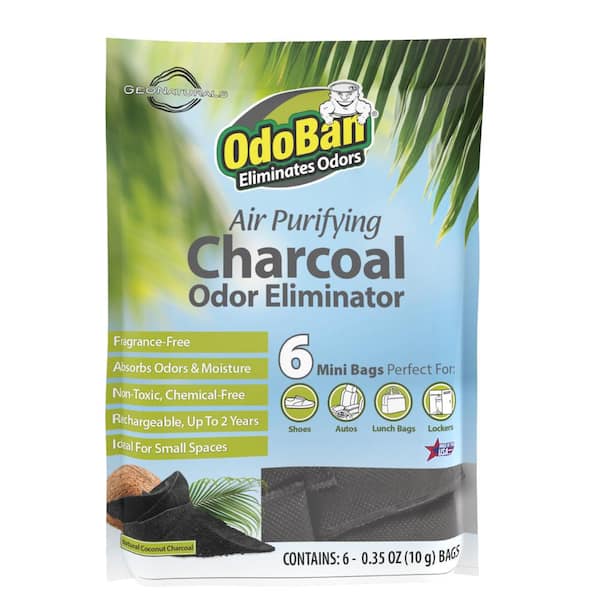
Absorbent inserts boost moisture control for gym bags. Silica gel packs, activated charcoal, and zeolite pull moisture and odor. Shoe inserts do the same inside sneakers.

Essential gear for moisture control for gym bags
Use a few low-cost tools to build a clean system. My go-to setup is simple and light.
- Vented gym bag with mesh zones allows airflow and faster drying.
- Wet-dry pouch for swimsuits or damp towels keeps moisture contained.
- Quick-dry microfiber towel pulls water fast and dries in minutes.
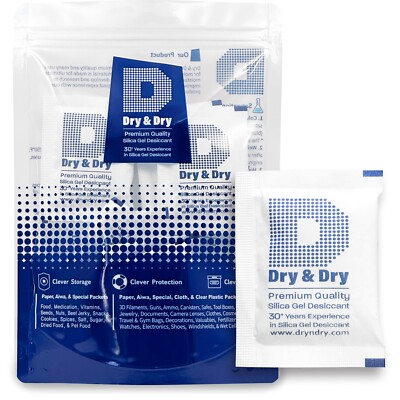
- Silica gel or clay desiccant packs absorb moisture between uses.
- Activated charcoal bag reduces odor in the main compartment.
- Separate shoe bag with vents stops shoe moisture from spreading.
- Breathable laundry sack lets used clothes air out on the way home.
This loadout makes moisture control for gym bags easy and repeatable. You can start with two items and build from there.
Step-by-step routine after every workout
Small actions right after training give the best results. Here is the routine I use and teach.
- Open the bag and let it breathe before you leave the gym. Air is step one.
- Blot sweat with a microfiber towel. Wring it out and hang it on the side of the bag.
- Place soaked items in a wet-dry pouch. Keep the main area dry.
- Swap in dry socks or a dry shirt if you can. Damp clothes cool your skin and breed odor.
- Slide desiccant packs into the main area and shoe bag. Let them work on the ride.
- At home, unpack right away. Hang gear to dry in a bright, airy spot.
- Recharge inserts in sun or a low oven if safe. Check maker advice.
- Wipe the bag lining with a mild spray. Leave it open to dry fully.
This simple flow locks in moisture control for gym bags. It takes five minutes. The payoff is big.

DIY moisture absorbers and deodorizers
You can make low-cost odor tools at home. They work well in a pinch.
- Baking soda sachets place 2 to 3 tablespoons in a coffee filter or sock. Tie it off and tuck into pockets to absorb odor.
- Rice or rock salt pouches help absorb moisture. Replace every few weeks.
- Charcoal packets use food-grade activated charcoal in a tea bag or mesh pouch. Great for shoes and the main compartment.
- Vinegar spray mix equal parts white vinegar and water. Lightly mist the bag lining. Let it dry open. The vinegar smell fades fast.
These DIY steps boost moisture control for gym bags without big spend. Test first on a small area if your bag has special coatings.
Cleaning and maintenance schedule
A clean bag dries faster and smells better. Build a simple plan you can keep.
- After each workout open, blot, and air. Unpack at home the same day.
- Weekly wipe the lining with mild soap or a sports fabric spray. Remove crumbs and grit.
- Biweekly wash removable pouches and straps. Air dry fully.
- Monthly deep clean if the bag allows it. Hand wash with gentle soap. Rinse well. Air dry in shade.
- Quarterly replace or recharge desiccant and charcoal inserts. Check for wear on zippers and vents.
Consistent care is the backbone of moisture control for gym bags. It keeps microbes low and airflow high.

Special cases: swim gear, shoes, and commuters
Swim days add lots of water to your setup. Use a true waterproof pouch for suits. Squeeze out water at the pool. Blot with a microfiber towel before bagging. Let the pouch air as soon as you get home.
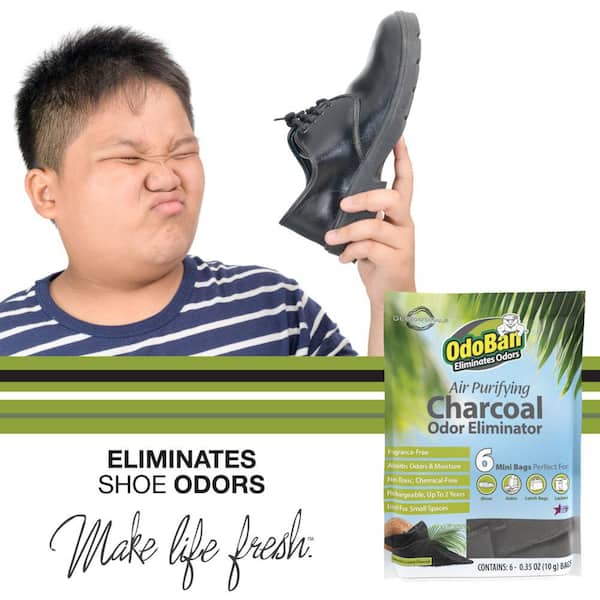
Shoes are an odor hotspot. Knock out the insoles to dry. Use cedar or charcoal inserts between workouts. Rotate shoes if you train daily. That alone lifts moisture control for gym bags to a new level.
Commuters face long hours with a packed bag. Choose a bag with big mesh vents. Clip a small USB fan near your desk to dry gear at lunch. A five-minute breeze helps more than you think.
Buying guide: what to look for in a gym bag
Pick a bag that works with your routine, not against it. Try these checks.
- Ventilation look for mesh panels, eyelets, or a breathable back panel.
- Structure choose a bag that holds shape so air can flow around items.
- Wet-dry zones seek lined pockets or removable wet bags for swimsuits and towels.
- Easy-clean lining smooth, non-absorbent fabric wipes dry fast.
- Shoe garage separate, vented, and large enough for your size.
- Anchor points external loops to hang towels, socks, or a mini fan.
- Light color or reflective interior helps you spot damp items quickly.
Compare options with your gear list in mind. Moisture control for gym bags starts at the shelf, long before the first workout.
Common mistakes and how to avoid them
We all slip. Here are the pitfalls I still see and how to fix them.
- Keeping the bag sealed after a workout open it right away. Even a one-inch unzip helps.
- Tossing a wet towel in the main area use a lined pouch or hang it outside.
- Skipping desiccants start with two silica packs and one charcoal bag.
- Washing too rarely wipe weekly, deep clean monthly if your bag allows it.
- Using heavy perfume sprays cover-ups do not remove moisture. Dry first, scent second.
- Overpacking airflow needs space. If you squeeze gear in, nothing dries.
Avoiding these errors makes moisture control for gym bags simple and steady.
Frequently Asked Questions of moisture control for gym bags
How often should I replace desiccant packs?
Swap silica or clay packs every one to three months, depending on use. Recharge if the maker allows it by drying in the sun or low heat.
Can I put my gym bag in the washing machine?
Some bags can be machine washed on gentle. Check the care tag first. If unsure, hand wash and air dry.
Do antimicrobial linings remove the need to clean?
No. They help reduce growth but do not replace airflow and cleaning. Keep your normal routine.
What is the best quick fix for a smelly bag?
Open the bag, remove damp items, and add charcoal or baking soda. Wipe the lining and let it air for a few hours.
Are dryer sheets good for moisture control?
Dryer sheets mask odor but do not remove moisture. Use them only after you dry and air the bag.
How can I control moisture if I train twice a day?
Use two sets of small gear like socks and wraps. Rotate shoes and keep extra desiccant on hand. Air the bag between sessions.
Is UV-C a safe option for sanitizing?
Portable UV-C wands can help on clean, dry surfaces. Do not rely on them for wet gear. Follow safety rules and maker guides.
Conclusion
Moisture control for gym bags is a simple system. Add airflow, absorb water, and clean on a schedule. Use a vented bag, a wet-dry pouch, and a few inserts. Unpack fast. Dry faster.
Start today with two steps. Open your bag after every workout and add two desiccant packs. Then build the rest over time. Your gear will last longer, smell better, and feel fresh. Want more tips like this? Subscribe and share your favorite moisture control for gym bags hack in the comments.