

Moisture in linen closets comes from high humidity, poor airflow, and cold walls.
If your towels feel damp or smell musty, you’re not alone. I help homeowners solve moisture in linen closets all the time, and the pattern is clear. Air sits still. Humid air sneaks in. Cold walls sweat. This guide shows you what causes it, how to fix it, and how to keep your linens fresh for good.
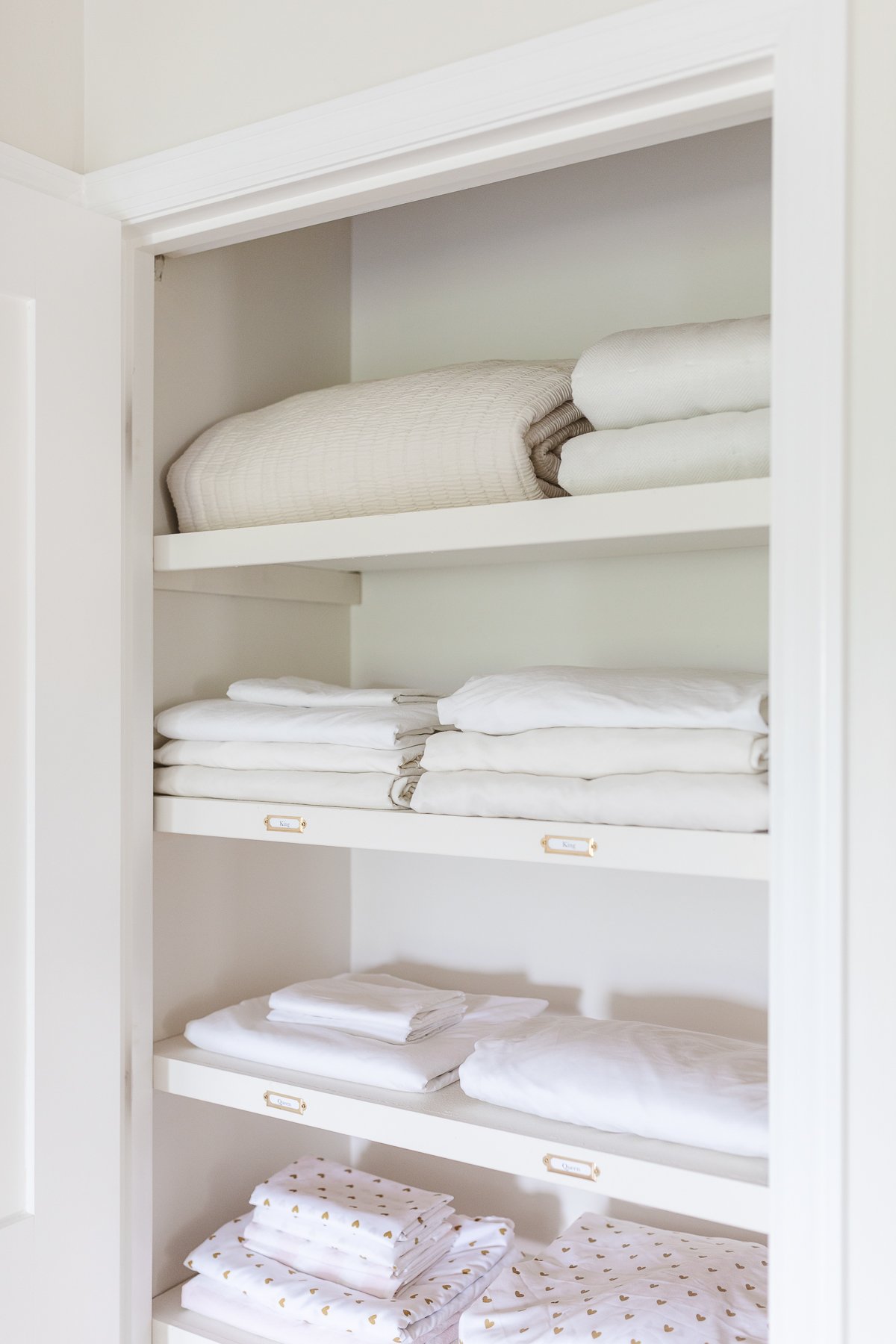
What causes moisture in linen closets
Most linen closets struggle with airflow. Doors stay shut. Shelves are packed tight. The air cannot move, so water stays trapped.
Common sources include:
- Steam from a nearby bathroom or laundry that drifts in and stays.
- High home humidity from cooking, showers, or wet basements.
- Cold exterior walls that drop below the dew point and cause condensation.
- Air leaks around pipes and outlets that bring in moist air.
- Wire shelves that chill faster than the air and collect moisture.
- Overstuffed shelves that stop air from drying the space.
Key numbers help. Mold likes surfaces when humidity stays above about 60 percent. Dust mites thrive above 50 percent. Aim to keep indoor relative humidity near 40 to 50 percent. If you limit these ranges, you cut moisture in linen closets and keep odors away.
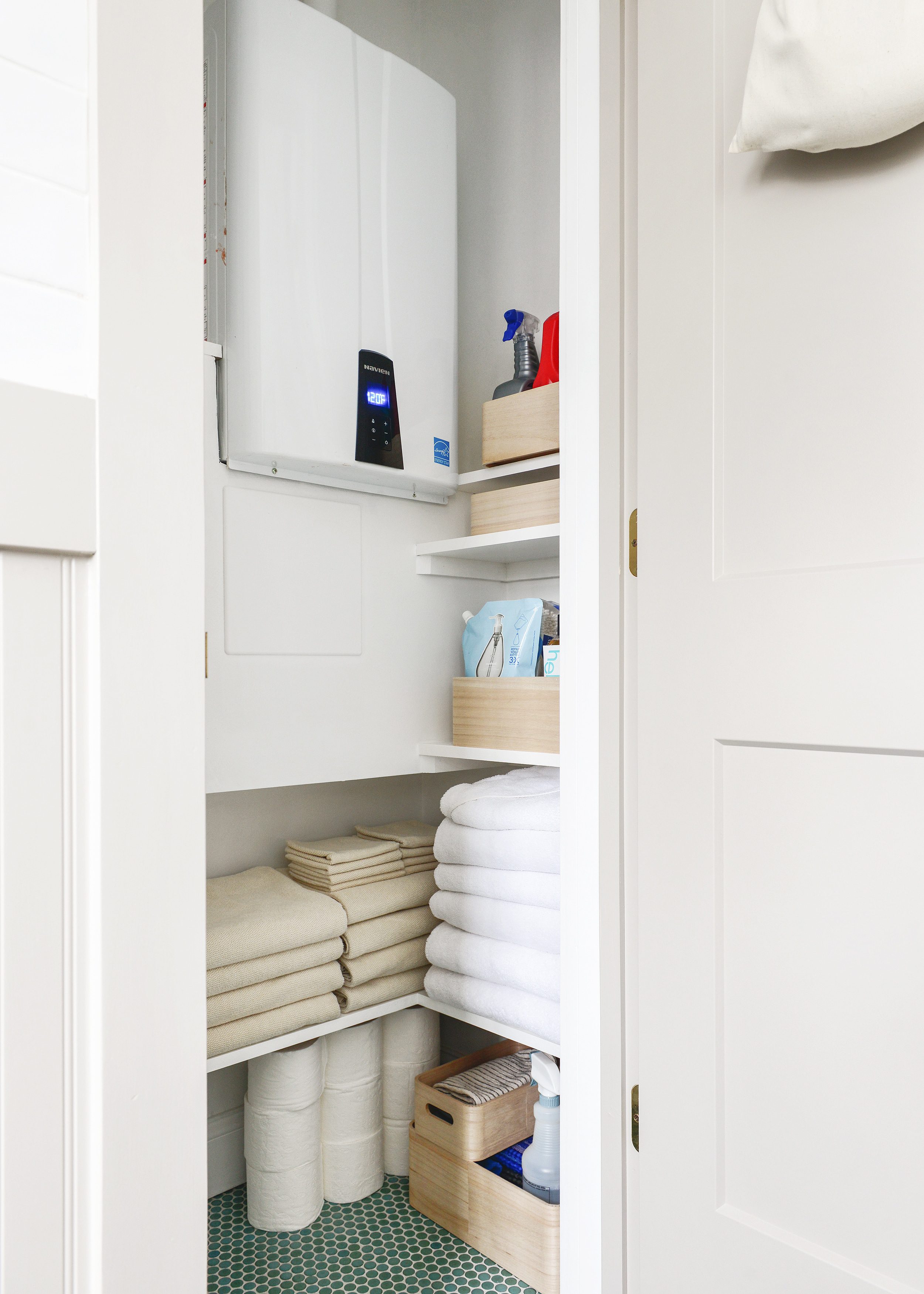
Signs and risks of moisture in linen closets
Watch for simple signs first. A stale or musty smell. Towels that never feel fully dry. Faint spots on quilt edges or shelf bottoms.
You may also see:
- Orange or black mildew dots on walls, shelves, or tags.
- Rust on wire shelving or on metal snaps and zippers.
- Warped paper labels and sticky shelf liners.
- Silverfish, booklice, or tiny beetles that love damp paper and cloth.
The risks are real. Moisture in linen closets can damage fibers, fade colors, and feed mold. It can also irritate allergies and asthma. The sooner you act, the easier the fix.
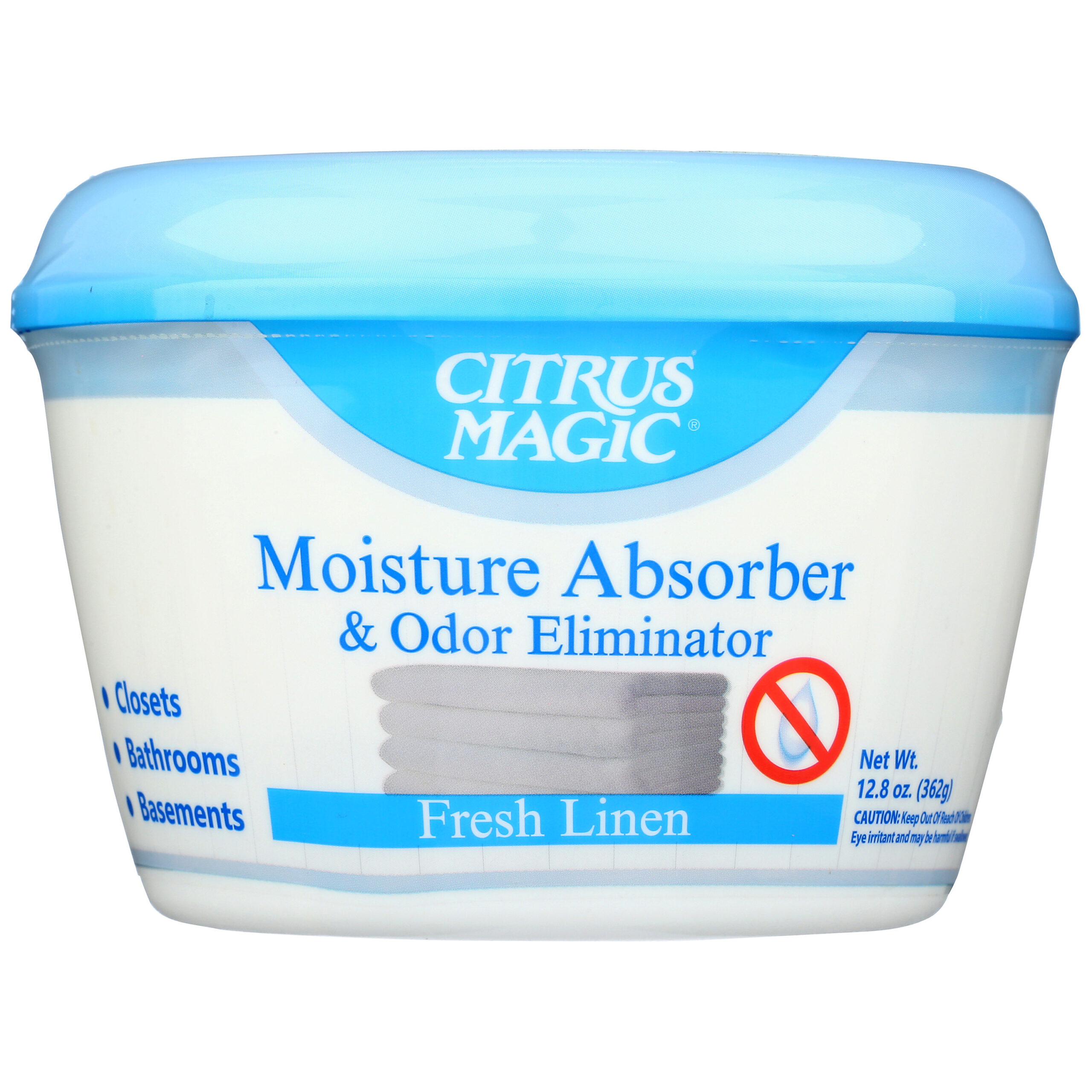
How to prevent moisture in linen closets
Good design and small habits go a long way. Keep air moving. Keep humidity in check. Keep surfaces warm and dry.
Start with airflow:
- Leave a 0.5 to 1 inch gap under the door.
- Use a louvered or slatted door if the closet is near a bathroom.
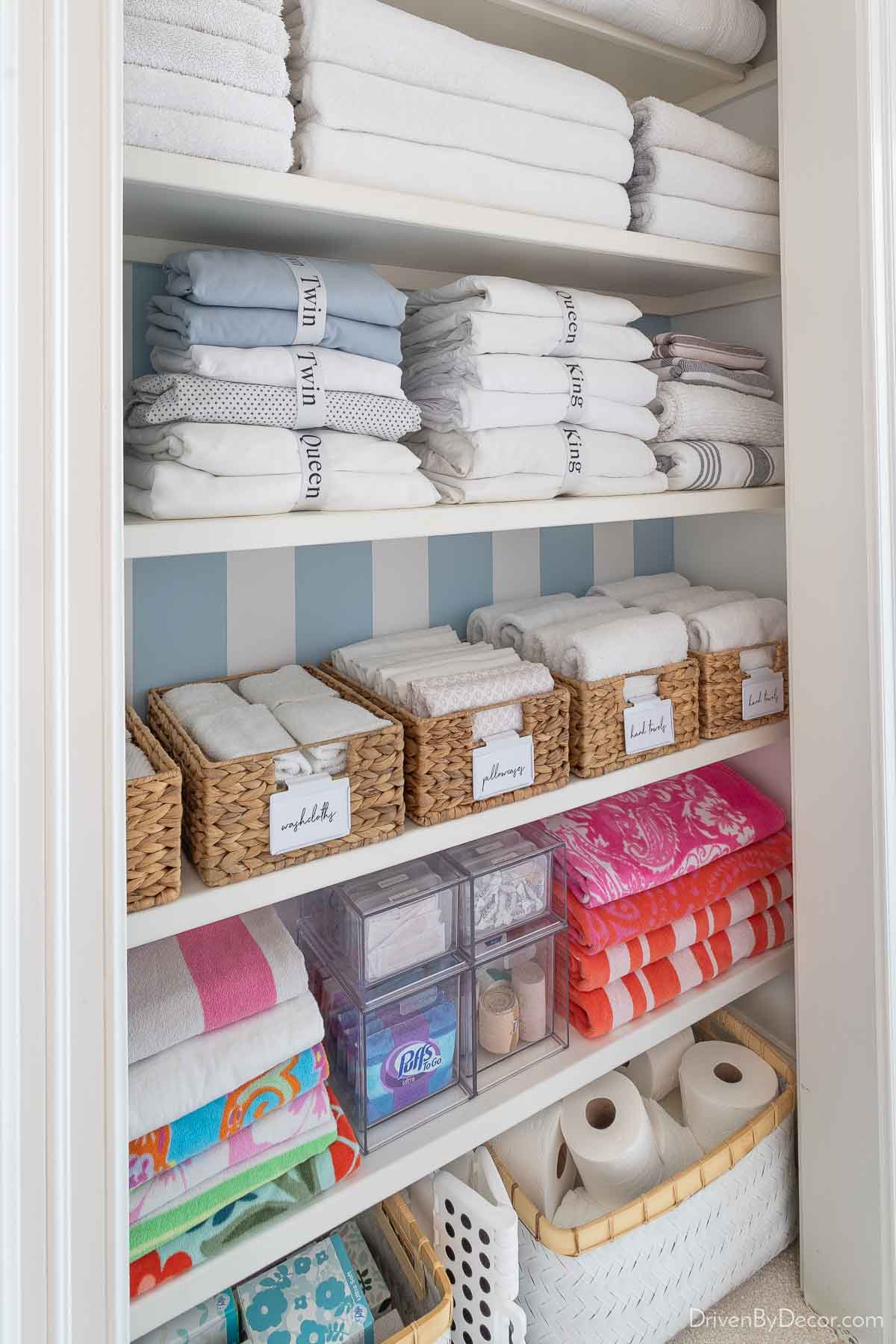
- Do not overpack shelves. Leave a hand’s width around stacks.
- Add a small, quiet fan for 15 minutes after showers if the closet is close.
Control humidity:
- Run the bathroom exhaust fan during and for 20 minutes after showers.
- Keep home humidity near 40 to 50 percent with a dehumidifier if needed.
- Dry towels fully before storing. Even a small damp hem can raise humidity fast.
Choose breathable storage:
- Use cotton or linen bags, not plastic bins, for spare sheets.
- Choose ventilated baskets. Avoid sealed totes for daily-use items.
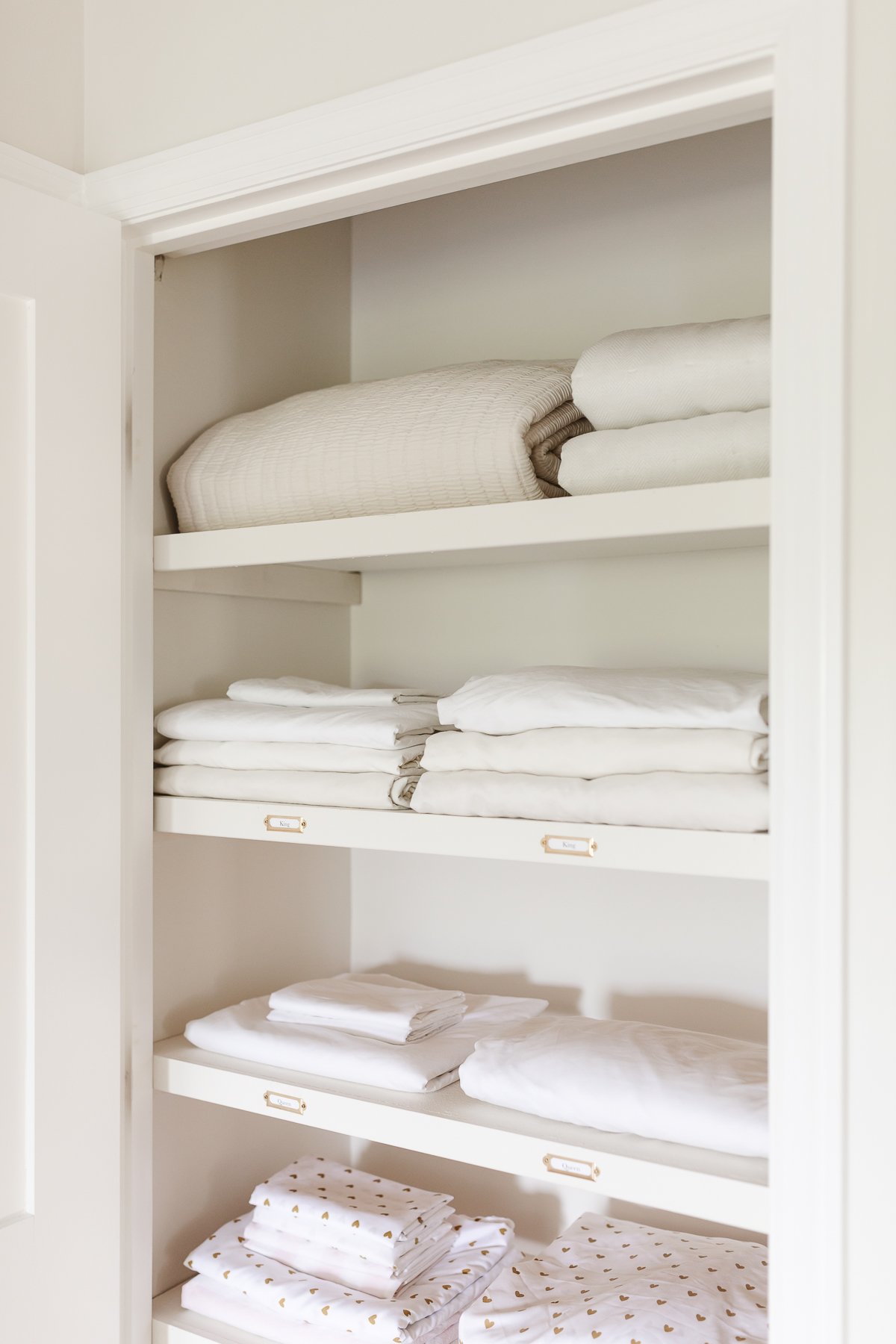
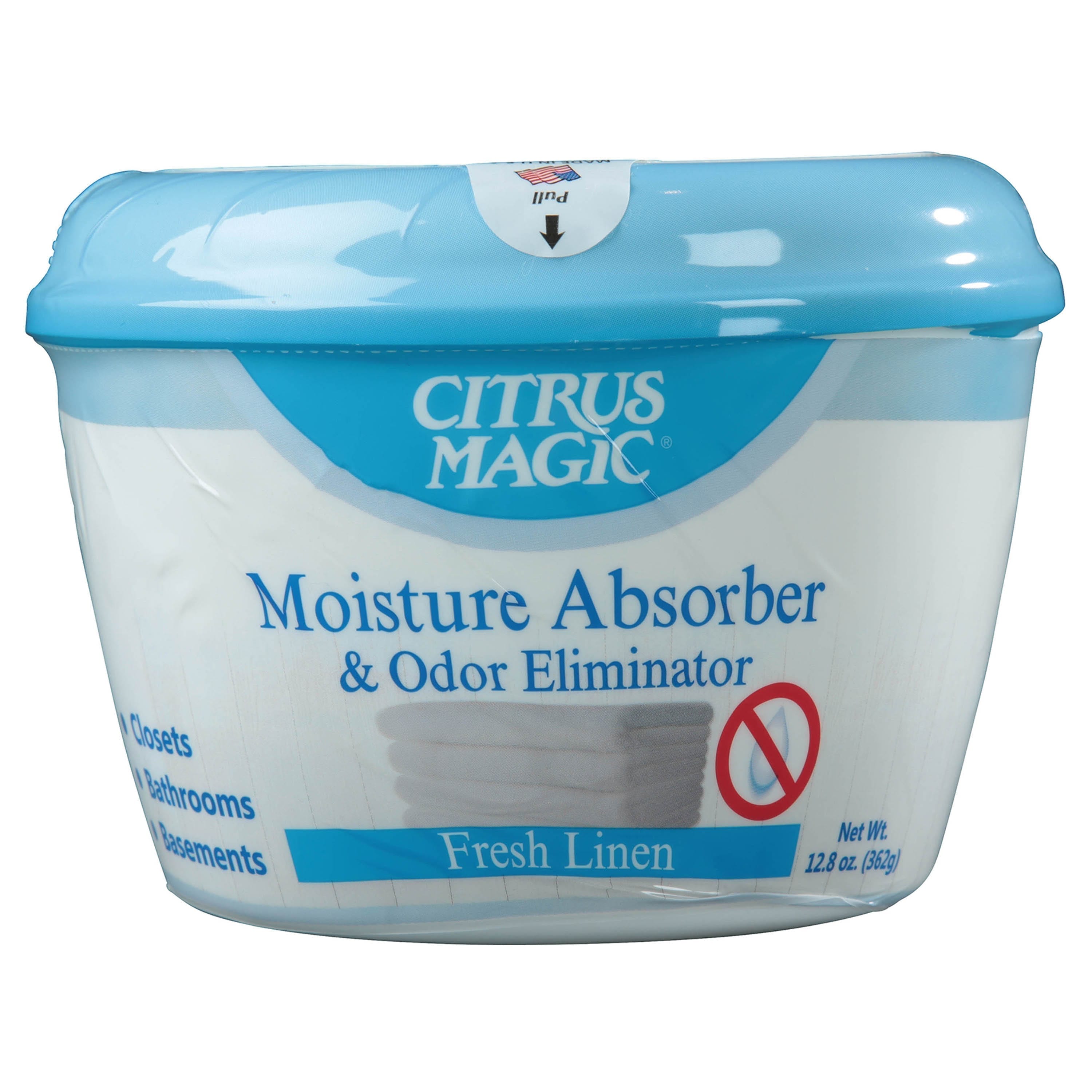
- Add desiccants. Silica gel helps maintain steady humidity in small spaces.
Seal and insulate:
- Caulk gaps where pipes and wires enter the closet.
- Add foam gaskets behind outlet covers.
- If the closet backs an exterior wall, consider insulating that wall to reduce cold spots.
These steps cut the root causes of moisture in linen closets and stop the cycle of damp and odor.
Fixing an active moisture problem in linen closets
When the space is already damp, act in this order. Dry, clean, correct, and then protect.
Step-by-step:
- Empty the closet. Sort items. Wash musty linens with hot water and oxygen bleach. Dry fully.
- Dry the space fast. Set a box fan at the door. Run a dehumidifier nearby to reach 45 percent humidity.
- Clean hard surfaces. Use a mild detergent first. For visible mold on paint, use a bleach solution or 70 percent alcohol, then rinse and dry.
- Replace damaged items. Toss moldy cardboard boxes. Swap to breathable bins.
- Fix the cause. Seal gaps, improve ventilation, and add insulation if walls sweat.
- Prime and paint if needed. Use a mold-resistant primer and a low-VOC paint.
I once treated a hallway linen closet that sat next to a steamy bath. The big wins were a louvered door, a towel-drying rule, and a $10 hygrometer. Moisture in linen closets dropped fast, and the musty smell was gone in a week.

Smart storage tips to keep linens dry
The way you stack and store matters. Small choices keep airflow steady and humidity low.
Try these tips:
- Fold towels in thirds and stack no more than six high.
- Roll spare sheets so air can move between pieces.
- Place daily-use items at chest height where airflow is best.
- Put heavy blankets on lower shelves and leave a gap behind stacks.
- Use cedar or lavender sachets for scent. They do not fix moisture, but they help keep the closet fresh.
These habits keep fabrics dry and cut the chance of moisture in linen closets returning.
Monitoring and maintenance
You cannot manage what you do not measure. A small digital hygrometer tells the truth.
Aim for:
- Relative humidity between 40 and 50 percent.
- Temperature close to the rest of the home, not much colder.
- A closet check once a month, more in humid seasons.
If the number creeps up, open the door for a bit, run a nearby fan, or swap in fresh desiccants. Small actions stop big problems with moisture in linen closets.

Climate and building factors to consider
Homes in humid areas face higher baseline moisture. You may need a whole-home dehumidifier or a larger room unit. Keep doors open more often in summer.
In cold climates, surfaces matter. Exterior closet walls and wire shelves can chill and sweat. Add insulation to the wall from the room side if you can. Use solid wood or coated shelves. Keep the door gap clear for airflow.
Basements need extra care. Avoid exterior walls for linen storage. If you must use them, insulate, ventilate, and monitor. These steps reduce moisture in linen closets in tricky spaces.
Product checklist and simple budget
You do not need to spend much to fix this. Start small, then scale as needed.
Essentials:
- Digital hygrometer for tracking humidity.
- Silica gel or calcium chloride desiccants for small spaces.
- Door vent or louver kit if airflow is poor.
- Foam outlet gaskets and caulk for sealing gaps.
- Mold-resistant primer and low-VOC paint for refreshes.
Nice-to-haves:
- Compact dehumidifier for nearby hallway or bath.
- Quiet clip fan or low-profile vent fan to move air.
- Breathable cotton storage bags and ventilated baskets.
- Shelf liners that allow airflow under towels.
With these tools, you can control moisture in linen closets without a full remodel.

Frequently Asked Questions of moisture in linen closets
What humidity is safe for a linen closet?
Keep it near 40 to 50 percent relative humidity. Mold risk climbs as you stay above about 60 percent.
Will a bowl of baking soda fix moisture in linen closets?
It may help with odor, but it does not pull much water. Use silica gel or calcium chloride for better moisture control.
How often should I run the bathroom fan?
Run it during showers and for about 20 minutes after. This keeps steam from feeding moisture in linen closets nearby.
Are plastic bins bad for linens?
Sealed plastic traps humidity, which can cause musty smells. Use breathable fabric bags or ventilated bins instead.
Do louvered doors really help?
Yes, they boost airflow without leaving the closet open. Better airflow lowers the chance of moisture in linen closets.
Can wire shelves cause condensation?
Yes, metal cools fast and can sweat in humid air. Use wood shelves or add liners to reduce cold contact.
Conclusion
Moisture in linen closets is a simple physics problem with simple fixes. Move air, manage humidity, and remove cold spots. Store smart, and check the numbers.
Start today. Add a hygrometer, clear some space, and run the bath fan longer. Your towels will dry, the closet will smell clean, and your linens will last. If you found this helpful, share it, subscribe for more home care tips, or leave a question and I’ll help you troubleshoot.