

Musty smells, condensation, mold spots, warped wood, and sticky air mean moisture issues.
If you are hunting for the signs you need moisture control, you are in the right place. I have spent years fixing damp basements, sweaty windows, and stubborn mold. In this guide, I break down the true signs you need moisture control, how to confirm them, and what to do next. You will get simple tests, real fixes, and clear tips you can use today.

What Moisture Control Really Means (And Why It Matters)
Moisture control is the plan to keep water, vapor, and humidity in check. It protects your home, your stuff, and your health. The top signs you need moisture control show up as smells, stains, and odd changes in how your home feels.
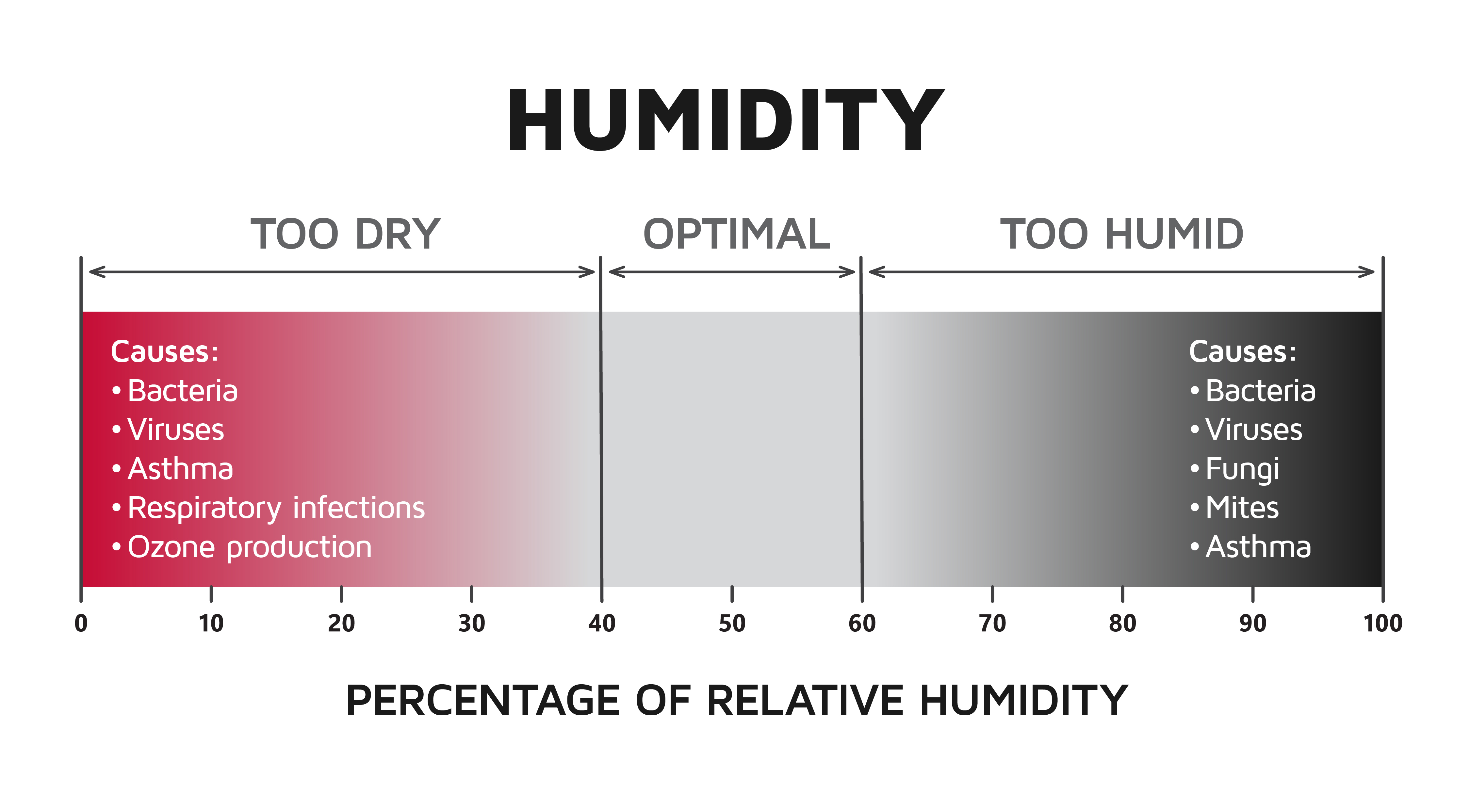
Too much moisture feeds mold, dust mites, and wood rot. It can drive up energy bills and cause peeling paint and soft drywall. Set a clear goal: keep indoor relative humidity near 40 to 50 percent most of the year.

Early Warning Signs You Need Moisture Control
These are the everyday clues that tell a bigger story. If you notice many of them, they are strong signs you need moisture control.
- A musty or earthy smell that returns after cleaning
- Condensation on windows, pipes, or toilet tanks
- Sticky, clammy air even when the thermostat looks right
- Visible mold on grout, caulk, baseboards, or closets
- Efflorescence, which looks like white powder on masonry
- Peeling paint or bubbling drywall
- Swollen doors, stuck windows, or cupped hardwood floors
- Rust on tools, hinges, or HVAC parts
- Dark stains on ceilings or at the base of walls
- Damp spots in the basement or crawl space after rain
- Silverfish, centipedes, or roaches that love damp zones
- A hygrometer reading above 60 percent RH for many days
I teach clients to trust their nose and their meter. When both agree, you have signs you need moisture control that you should not ignore.

Health Red Flags You Should Not Brush Off
Your body can spot early signs you need moisture control before your eyes can. Watch for these patterns.
- Congestion, sneezing, or itchy eyes that ease when you leave home
- Asthma that flares on humid days or after showers
- A cough that sticks around in a musty space
- Skin irritation or headaches in damp rooms
Research links high indoor humidity to more dust mites and mold growth. Many health groups suggest keeping indoor RH below 60 percent and closer to 40 to 50 percent. If symptoms line up with damp rooms, that is one of the strongest signs you need moisture control.

Structural And Energy Clues That Point To Moisture
Your house will talk. Here is what it says when it is too wet. These are sneaky signs you need moisture control that can cost you money.
- High energy bills because damp air feels warmer in summer and colder in winter
- Poor AC performance because coils ice up or struggle to drop humidity
- Insulation that clumps or sags after getting damp
- Corrosion on ducts or metal fasteners
- Wood rot in sills, rim joists, or door frames
Aim for steady indoor humidity. In winter, 30 to 40 percent helps avoid window sweat. In summer, 45 to 50 percent keeps comfort high and mold low. If you cannot hold these targets, it is more proof of signs you need moisture control.
Season, Climate, And Location: Why Problems Change
The signs you need moisture control shift with weather and where you live. Here is how to read them.
- Cold climates: Window condensation in winter hints at low indoor temps at glass and higher indoor humidity. Ice lines at frames are a loud sign.
- Humid climates: Summer brings sticky air, musty closets, and cupped floors. Crawl spaces soak up moisture if they are vented.
- Coastal or storm zones: Wind-driven rain can push water into walls. Salt air and damp wind boost corrosion.
- Dry climates: You can still see shower mold and swamp cooler issues. Local leaks and cold surfaces can cause spots of condensation.
Track when the issue happens and where. Patterns help confirm the signs you need moisture control and point to the source.
How To Diagnose: Simple Checks You Can Do Today
You do not need fancy tools to confirm the signs you need moisture control. Start simple, then go deeper.
Step one: Use your senses
- Smell rooms, closets, and the basement after a rainy day.
- Look for stains, bubbles, or white crust on masonry.
- Feel for clammy air or cool, damp walls.
Step two: Measure humidity
- Place a few hygrometers on each floor, far from showers and stoves.
- Log readings morning and night for a week.
- Over 60 percent RH for more than 24 to 48 hours is a red flag.
Step three: Spot hidden moisture
- Press a paper towel at window sills each morning. If wet, condensation is at work.
- Tape a square of foil to a basement wall for 24 hours. Wet behind the foil points to moisture coming through.
- Use a basic moisture meter. Wood above 16 percent and drywall above a safe range can suggest a problem.
Step four: Map temperature and airflow
- Use an infrared camera if you have one. Cold spots at corners and sills can hint at thermal bridges and dew point risks.
- Check that bath and range fans vent outdoors and move air well.
These steps confirm the signs you need moisture control in a clear, low-cost way.
What To Do Next: Targeted Fixes For Each Sign
Match fixes to the signs you see. This keeps costs down and results strong.
Stop water at the source
- Fix leaks at roofs, pipes, and flashing first.
- Clear gutters. Extend downspouts 6 to 10 feet from the house.
- Regrade soil so it slopes away 5 percent for the first 10 feet.
Control ground moisture
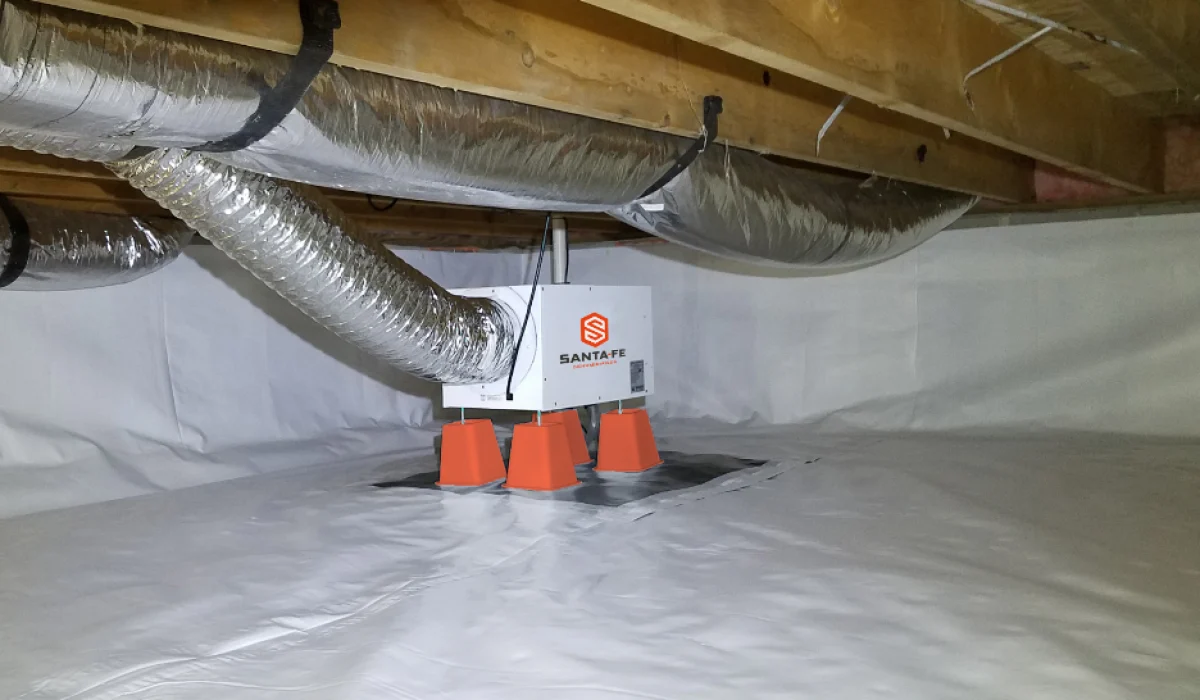
- Encapsulate crawl spaces with a sealed vapor barrier and taped seams.
- Add a dehumidifier in the crawl space with a drain line.
- Use a capillary break under new slabs if you remodel.
Vent and dry smart
- Run bath fans during showers and 20 minutes after. Use a timer.
- Vent kitchen range hoods outside. Avoid recirculating filters for moisture control.
- In tight homes, use an HRV or ERV to balance fresh air and humidity.
Condition the air
- Right-size a whole-house dehumidifier. Aim for 40 to 50 percent RH.
- Tune the HVAC. Check charge, airflow, and clean coils.
- Set AC to run long enough to wring out humidity, not just drop temp.
Protect finishes and structure
- Use mold-resistant drywall in baths and basements.
- Insulate and air seal rim joists and attic hatches.
- Add interior storm panels or better windows to reduce condensation.
If you see many signs you need moisture control, do a few of these at once. Layered fixes often work best.
When To Call A Pro And What To Expect
Some signs you need moisture control call for expert help. A pro can test, plan, and warrant the work.
Call in help when
- You have large or hidden mold growth.
- There is rot in framing or a sagging floor.
- You see repeated basement floods or wall seepage.
- DIY steps fail to hold RH under 60 percent.
What a pro may do
- Use moisture mapping and thermal scans.
- Test air and surfaces when needed.
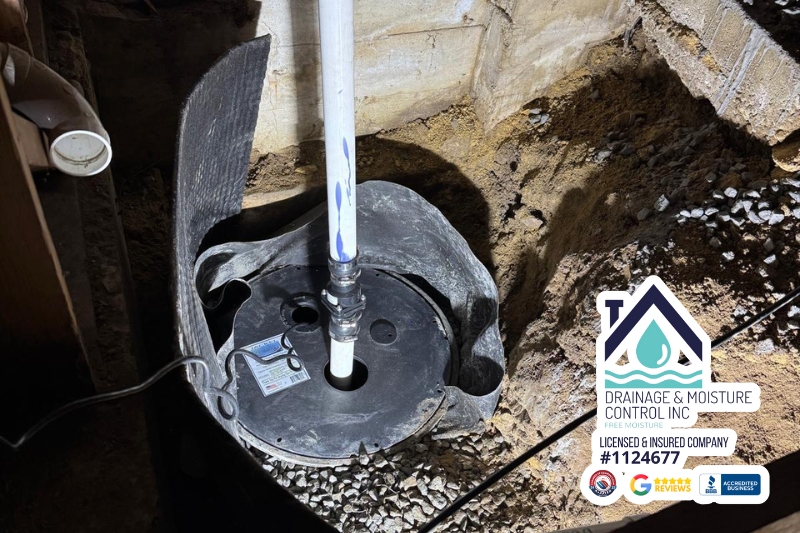
- Design drainage, sump, or encapsulation systems.
- Size and install a whole-house dehumidifier or ERV.
Always ask for a written scope, post-work readings, and a clear warranty. That builds trust and proves the signs you need moisture control are solved.
Costs And ROI: What Budget To Plan For
You can start small or go big. Here are fair ballpark ranges I see in real projects. Your area may differ.
- Portable dehumidifier: 200 to 400 dollars
- Whole-house dehumidifier: 1,200 to 3,000 dollars plus install
- Crawl space encapsulation: 3,000 to 10,000 dollars
- Sump pump with battery backup: 1,000 to 3,000 dollars
- French drain or exterior drainage: 2,000 to 12,000 dollars
- HRV or ERV: 2,000 to 5,000 dollars
- Gutter and downspout upgrades: 500 to 1,500 dollars
The payoff is lower energy bills, fewer repairs, and better health. Stopping clear signs you need moisture control early protects your equity and your comfort.
Mistakes To Avoid And Myths To Skip
These common errors make problems worse. I have seen them many times on jobs.
- Running fans to the attic or crawl space instead of outside
- Using bleach on porous moldy surfaces and thinking the job is done
- Venting crawl spaces in humid climates, which adds moisture
- Painting over damp walls without fixing leaks or grading
- Skipping air sealing, which lets moist air sneak into cool cavities
- Buying a dehumidifier that is too small for the space
If you still see the signs you need moisture control after a fix, revisit the source. The goal is to remove moisture, not just mask it.
A Simple Prevention Plan You Can Keep
Make moisture control a habit. Small steps beat big repairs.
Monthly
- Check hygrometers in key rooms and the basement.
- Run bath and kitchen fans during and after use.
- Look for new stains, rust, or smells.
Seasonal
- Clean gutters and extend downspouts.
- Swap HVAC filters and clean coils.
- Test the sump pump before heavy rain.
Yearly
- Inspect caulk, flashing, and roof penetrations.
- Review crawl space seams and dehumidifier drains.
- Tune the HVAC and verify humidity set points.
If any step reveals the signs you need moisture control again, act fast. Early action keeps costs low.
Frequently Asked Questions of signs you need moisture control
What indoor humidity is best to avoid moisture problems?
Aim for 40 to 50 percent relative humidity most of the year. Try to stay under 60 percent for long periods.
How do I know if a dehumidifier is the right size?
Check the square footage and typical humidity level. Choose a unit with enough pints per day to handle your space and add a bit of headroom.
Can I use bleach to remove mold?
Bleach can lighten stains but does not reach deep into porous surfaces. Use proper cleaning methods and fix the moisture source.
Why do my windows sweat in winter?
Warm, moist indoor air hits cold glass and drops water. Lower humidity, improve ventilation, and upgrade windows or add interior storms.
Do vented crawl spaces help in humid climates?
Often no. Humid outdoor air enters and condenses on cool surfaces. Sealed and conditioned crawl spaces work better in many regions.
Will a new HVAC solve all my moisture issues?
Not by itself. You must also fix leaks, drainage, and airflow to address the signs you need moisture control.
How fast can mold grow if humidity is high?
Mold can start in 24 to 48 hours on damp materials. Keep RH in range and dry wet areas right away.
Conclusion
Moisture leaves clues. Musty air, window sweat, stained walls, and cupped floors are clear signs you need moisture control. Measure, confirm, and match fixes to the cause. Start with leaks and drainage, then dial in ventilation and dehumidification.
Take one action this week. Buy a hygrometer, run your bath fan longer, or extend a downspout. If you see strong signs you need moisture control, line up a plan and get it done. Want more tips like this? Subscribe, share your questions, or leave a comment with your biggest moisture challenge.