

Use a calibrated hygrometer and smart sensors, track trends, and adjust airflow and moisture.
You’re here to learn how to monitor humidity levels the right way, not guess. I’ve spent years tuning homes, offices, and grow rooms for comfort and safety. In this guide, I’ll show you how to monitor humidity levels with simple tools, clear steps, and smart habits you can use today.

Why monitoring humidity matters
Humidity shapes how warm or cool you feel. It also affects allergies, mold, and even your sleep. If you want to know how to monitor humidity levels, start by knowing why it matters.
Most homes feel best at 30 to 50% relative humidity. That range helps reduce mold, dust mites, and dry skin. It also protects wood floors, guitars, books, and art.
High humidity can lead to mold growth and odors. Low humidity can cause dry air, static, and cracked wood. When you learn how to monitor humidity levels, you protect comfort, health, and your stuff.
Tools you need to monitor humidity
If you want a simple plan for how to monitor humidity levels, get the right tools first.
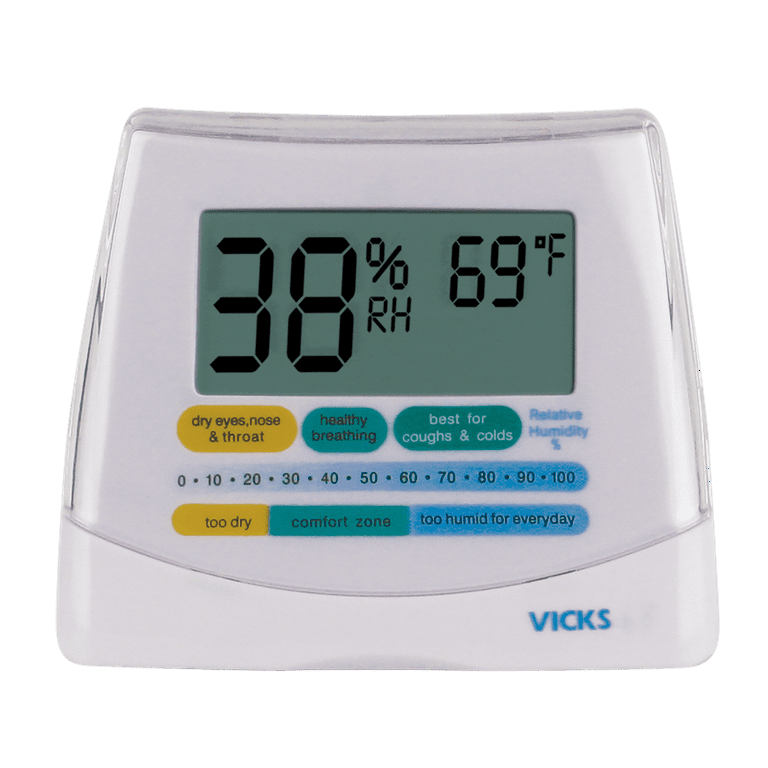
- Digital hygrometer. A basic device that shows RH and temperature. Get one with ±2 to ±3% RH accuracy.
- Smart humidity sensor. Pairs with Wi-Fi or Bluetooth. Lets you set alerts and see trends.
- Data logger. Stores readings over time. Great for basements, attics, or storage.
- Combo thermostat with RH. Good for whole-home views and HVAC control.
- Psychrometer or dew point meter. Helpful in tough spots like crawl spaces.
I keep at least two devices. I cross-check them. That cuts error and builds trust in the data. This is the backbone of how to monitor humidity levels with confidence.
.png)
Step-by-step: how to monitor humidity levels at home and work
Follow these steps to build a plan that works.
- Place sensors. Put one on each floor. Add one in the basement and one in the main living area.
- Wait and record. Let them sit for 24 hours. Note morning and evening RH.
- Set alerts. Use smart apps to warn at, say, below 30% or above 55% RH.
- Track changes. Review weekly. Look for spikes during showers, cooking, or storms.
- Act on trends. Use fans, vents, humidifiers, or dehumidifiers when needed.
This method is how to monitor humidity levels without stress. It turns random checks into a routine.

Placement and frequency
Good placement gives good data. Poor placement lies.
- Keep sensors at chest height. Avoid floors and ceilings.
- Stay away from windows, vents, and sun. Avoid direct heat or steam.
- Use the center of a room, about 2 feet from walls.
- In kitchens and baths, place sensors just outside the door.
Check readings at least twice a day at first. Then move to daily or weekly. For how to monitor humidity levels in problem spaces, log data every 5 to 15 minutes with a smart sensor.
Calibration and accuracy
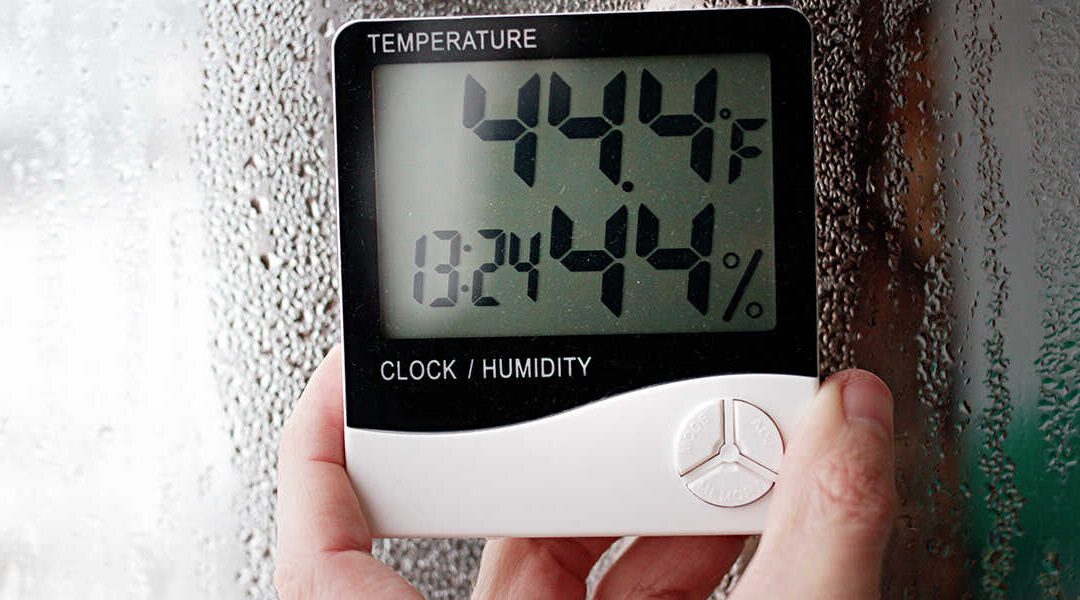
Even new sensors drift. A quick salt test can fix that.
- Take a bottle cap and fill it with table salt.
- Add a few drops of water. Make a paste, not a pool.
- Place it in a sealed bag or box with the sensor.
- Wait 8 to 12 hours at room temp. The air should settle near 75% RH.
- Adjust your sensor if it reads off by more than 2 to 3%.
Do this every six months. This small habit is key in how to monitor humidity levels with real accuracy. If you want to go deeper, learn dew point. Dew point tells you when moisture will condense on cold surfaces. That helps spot risk in basements and windows.
Reading the data and taking action
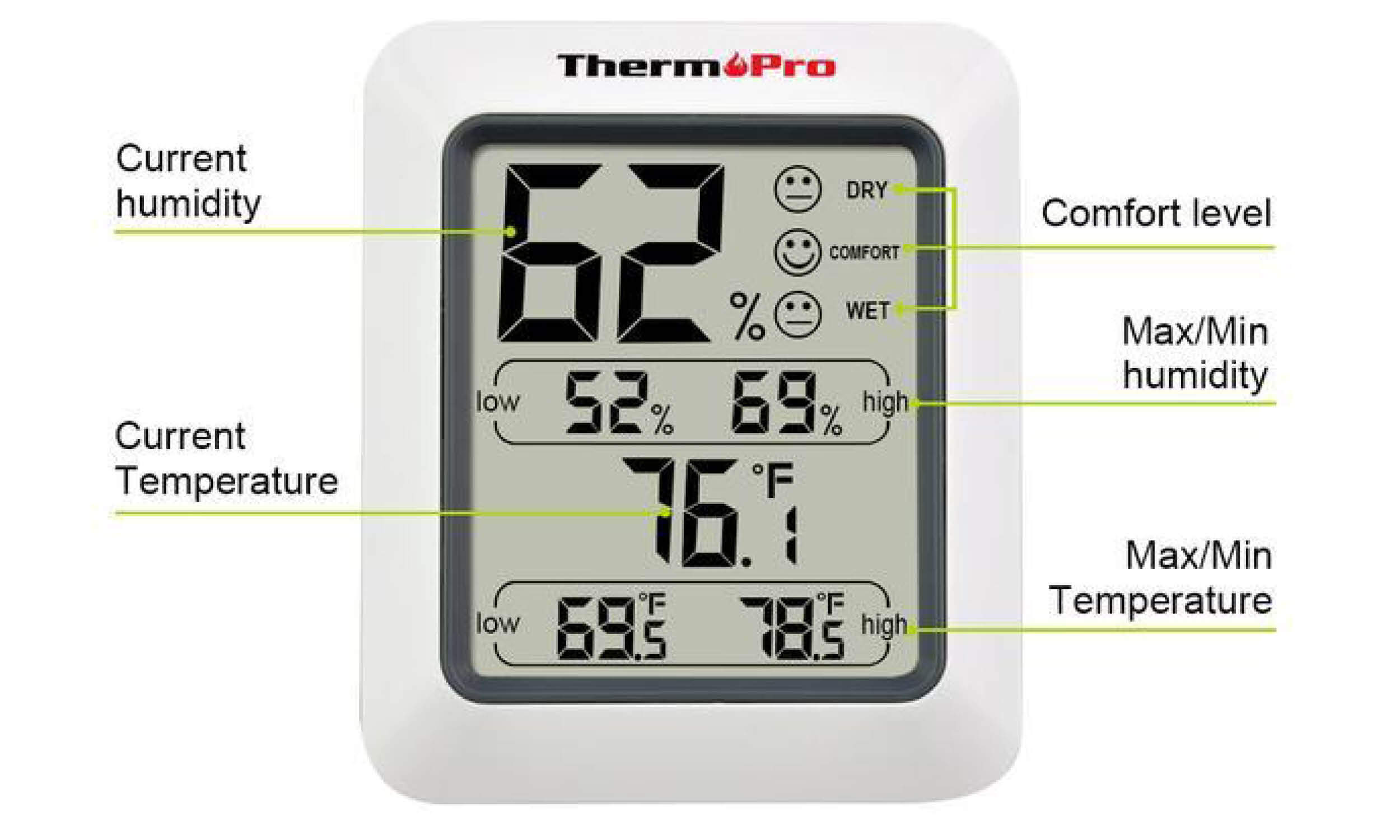
Data means little unless you act on it. Here is a simple guide.
Targets for most homes:
- 30 to 50% RH year-round.
- Up to 55% in summer if needed.
- 35 to 45% in winter to reduce window condensation.
If RH is too high:
- Run bath fans 20 to 30 minutes after showers.
- Use a kitchen range hood that vents outside.
- Add a dehumidifier in basements or closed rooms.
- Fix leaks, improve grading, or add a sump if water enters.
If RH is too low:
- Add a room humidifier with a clean filter.
- Boil water gently or dry clothes indoors in short bursts.
- Seal air leaks and add weatherstripping to keep moisture in.
I learned early that a small fan habit beats a big mold bill. When I teach how to monitor humidity levels, I stress alerts. A ping at 60% RH can save a floor or a guitar.

Special cases and pro tips
Some spaces need tighter control. Here is how to monitor humidity levels in tricky spots.
Nurseries and bedrooms:
- Target 40 to 50% RH.
- Keep humidifiers clean to avoid white dust.
- Use quiet fans to move air.
Greenhouses and grow tents:
- Seedlings like 65 to 75% RH.
- Veg and fruiting often prefer 50 to 60% RH.
- Use data loggers and automate fans and vents.
Basements and crawl spaces:
- Keep 40 to 55% RH.
- Seal rim joists and add a vapor barrier if needed.
- Use a dedicated dehumidifier with a drain hose.
Server rooms and studios:
- Target 40 to 50% RH to protect gear.
- Log every 5 minutes and set critical alerts.
Musical instruments and wood storage:
- Aim for 45 to 50% RH.
- Use case humidifiers for guitars and violins.
When I helped a violinist, a simple case hygrometer showed dips to 25% in winter. We added a case humidifier and a room humidifier. The instrument stayed stable, and the tone improved. That is how to monitor humidity levels with care and results.

Troubleshooting common mistakes
Even with good tools, errors happen. Here is how to fix them.
- Inconsistent readings. Cross-check two sensors side by side for 24 hours. Calibrate or replace the outlier.
- Sudden spikes. Look for showers, cooking, or wet clothes. Add fan run-time or open a window for 10 minutes.
- Window condensation. Lower indoor RH to 35 to 40% in cold spells. Add window film or improve air sealing.
- Mold smell but normal RH. Check hidden spots: behind furniture, closets, and under sinks. Use a pin or pinless moisture meter on walls and wood.
- Sensor drift near HVAC vents. Move sensors away from supply air and return grilles.
If you are still stuck, do a week-long data log. Then map RH changes to your day. This is the heart of how to monitor humidity levels like a pro.
Frequently Asked Questions: how to monitor humidity levels
What is the ideal indoor humidity?
Most homes feel best between 30 and 50% RH. In winter, 35 to 45% helps reduce window fog.
How many sensors do I need?
Use one per floor, plus one in the basement. Add more for problem rooms, nurseries, or storage.
Do I need to calibrate a new hygrometer?
Yes, quick checks help. A salt test takes one night and keeps your readings honest.
Are smart sensors worth it?
Yes, if you want alerts and trend charts. They help you see patterns and act fast.
What causes sudden humidity spikes?
Showers, cooking, mopping, and big crowds raise RH fast. Use fans and open windows for short, sharp resets.
Can plants raise indoor humidity too much?
Yes, many plants in one room can push RH above 60%. Use a fan and crack a window to balance it.
How often should I check readings?
Daily is fine for most homes. If you see issues, log every 5 to 15 minutes for a week.
Conclusion
You now know how to monitor humidity levels with clear steps, accurate tools, and simple habits. Place sensors well, calibrate them, track trends, and act on what you see. Small changes, like fan run-time or a clean humidifier, lead to big wins in comfort and health.
Pick one room today and start logging. Set alerts, fix one weak spot, and build from there. Want more tips like this? Subscribe for updates, share your results, or drop a question in the comments.