

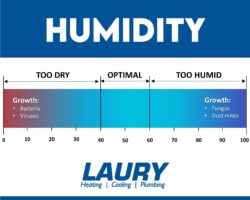
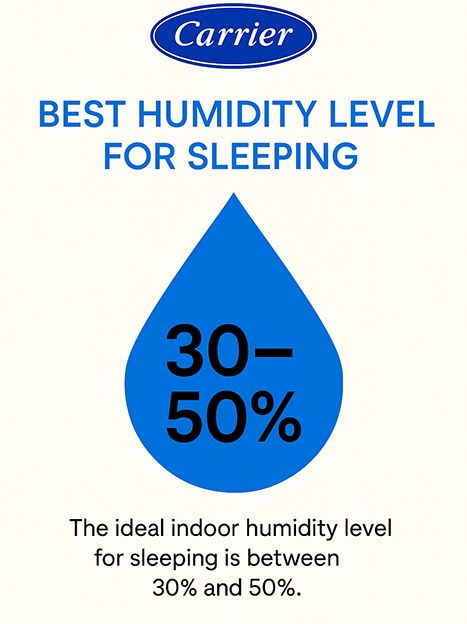
A good indoor humidity reading is 30–50% RH for most homes year-round.
If you want a clear answer to what is a good humidity reading, you’re in the right place. I’ve tested hundreds of homes, tracked data across seasons, and helped families fix comfort and health issues caused by moisture. In this guide, I’ll show you how to measure, adjust, and maintain humidity like a pro, with simple steps you can use today.
Why humidity matters for comfort, health, and your home
Humidity is more than a number. It shapes how warm or cool you feel. Dry air pulls moisture from your skin and sinuses. Damp air traps heat and feels sticky.
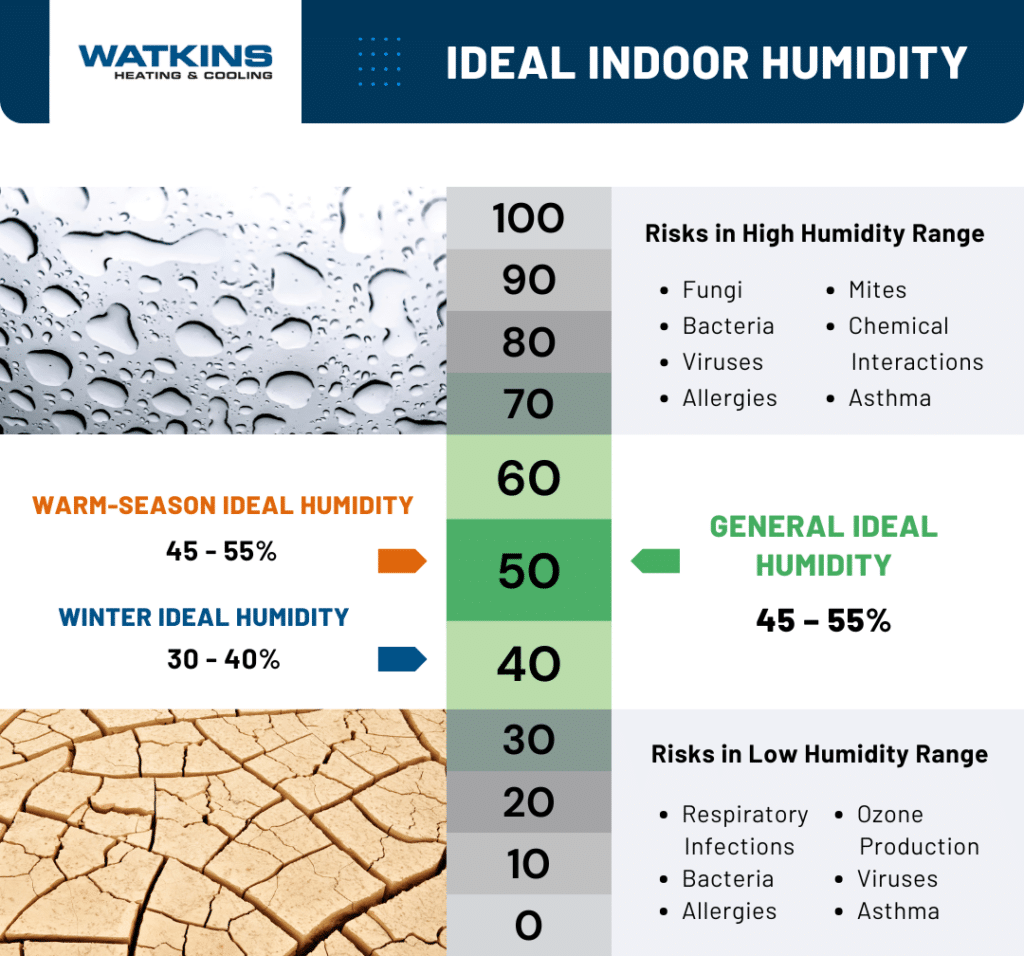
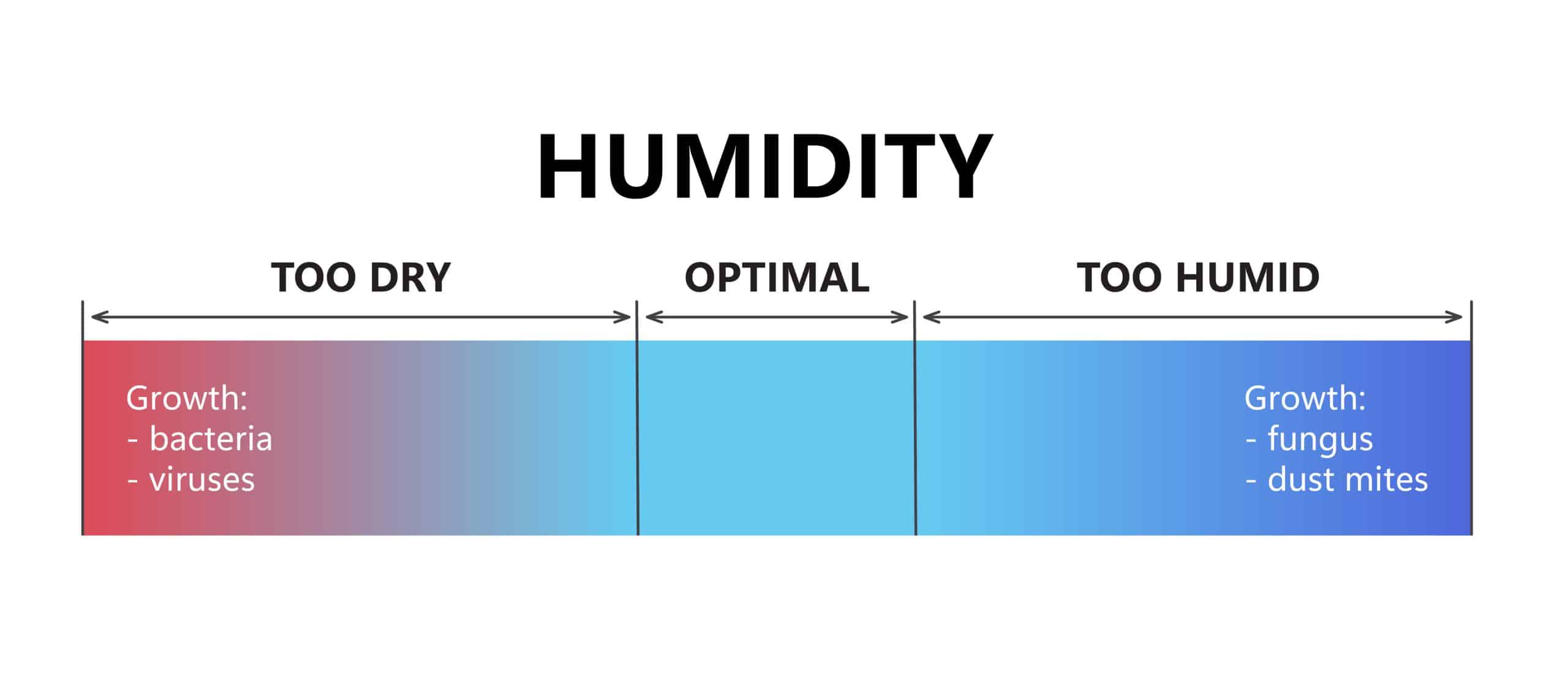
From a health view, 30–50% RH helps reduce dust mites, mold, and some viruses. This range also protects wood floors, guitars, books, and electronics. If you ever wondered what is a good humidity reading for daily life, this is the sweet spot backed by building pros and public health guidance.
High humidity pushes HVAC costs up and speeds mold growth. Low humidity can crack paint and wood and raise static. Both ends can worsen asthma and allergies. Aim for balance, not extremes.
Ideal indoor humidity by room and season
Your target can shift by space and weather. Use this as a simple map while you keep asking what is a good humidity reading for your exact home.
Bedrooms
- Ideal: 40–50% RH for sleep comfort.
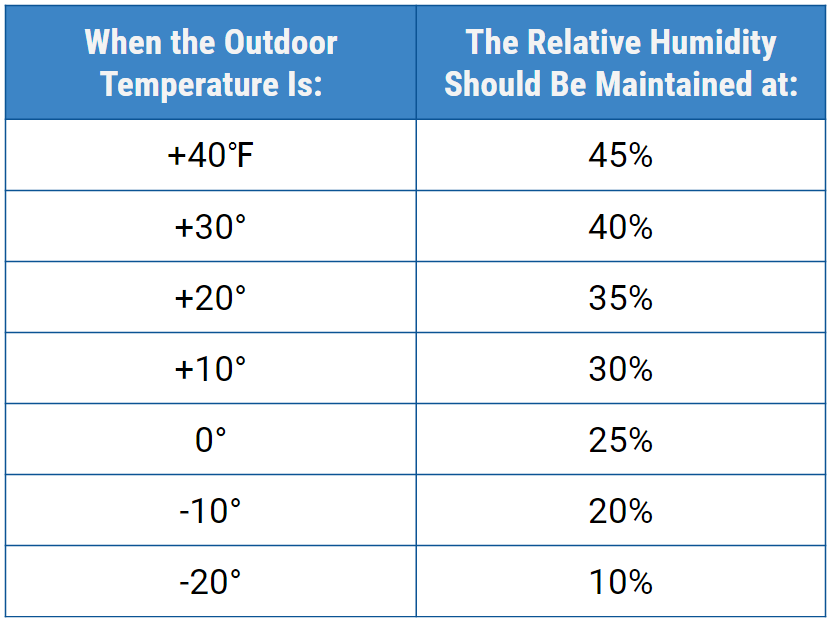
- Winter: 30–40% RH to prevent window condensation.
Living areas
- Ideal: 35–50% RH for comfort and wood care.
- Summer: Stay near 45% RH to avoid stickiness.
Bathrooms and kitchens
- Ideal: Under 50% RH after venting.
- Action: Run exhaust fans 15–20 minutes after use.
Basements
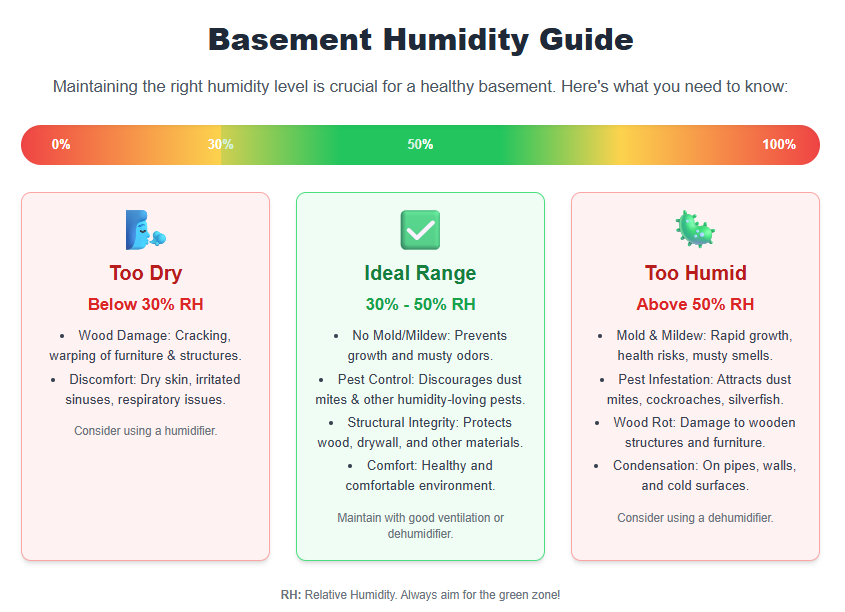
- Ideal: 40–50% RH to deter mold.
- Action: Use a dehumidifier and seal leaks.
Nursery
- Ideal: 40–50% RH for healthy breathing.
- Avoid: Above 55% RH to reduce mold risk.
Seasonal tips
- Winter: 30–40% RH helps stop window fog and dry nose.
- Summer: 40–50% RH helps you feel cooler at the same temp.
How to measure humidity the right way
To answer what is a good humidity reading with confidence, you need a solid tool. A digital hygrometer is your best friend. Many are cheap and accurate enough for home use.
Use more than one device if you can. Place them chest-high in the center of the room. Keep them away from windows, sun, vents, and steam. Wait at least 30 minutes after moving a meter.
Calibrate if readings seem off. Try the salt test: a sealed bag, a cup with damp salt, and your device inside. After 8–12 hours, it should read near 75% RH. Adjust or note the offset.

Why readings vary and mistakes to avoid
Homes are dynamic. Heat, cooking, showers, plants, and people all add moisture. HVAC runtimes and outside weather push readings up or down through the day.
Common mistakes
- Trusting one meter near a window or vent.
- Not waiting long enough for a stable reading.
- Ignoring nighttime spikes in bedrooms.
- Forgetting basement and crawl spaces.
If you wonder what is a good humidity reading but numbers jump, make a log. Check morning, afternoon, evening, and overnight. Patterns reveal the fix.
How to lower or raise humidity
Your ideal range is the target. The right tools help you get there fast.
To lower humidity
- Run a dehumidifier until you reach 45–50% RH.
- Vent bathrooms and kitchens to the outside.
- Fix leaks and seal foundation cracks.
- Increase AC fan run time if your HVAC allows.
- Improve drainage and use a vapor barrier in crawl spaces.
To raise humidity
- Use a cool mist humidifier with clean water.
- Add houseplants in moderation.
- Air-dry laundry indoors only when RH is low.
- Seal drafts to avoid excess dry outdoor air in winter.
Smart controls help. Hygrometers with alerts and smart plugs can automate humidifiers and dehumidifiers. This keeps you inside the range without guesswork.
Special cases and when to aim tighter
Sometimes what is a good humidity reading depends on people or gear you protect.
For babies and seniors
- Target 40–50% RH for easier breathing.
- Avoid above 55% RH to curb mold and dust mites.
For asthma and allergies
- Stay near 40–45% RH.
- Use HEPA filters and vent damp rooms well.
For wood floors, guitars, and pianos
- Keep 40–45% RH to prevent cracks or warping.
- Use room or case humidifiers in winter.
For plants
- Most houseplants like 40–60% RH.
- Group plants or use a small room humidifier.
For wine and server rooms
- Wine: 50–70% RH to protect corks.
- Servers: Follow vendor specs, often 40–60% RH.
.jpg)
Regional and seasonal strategies
Climate shapes your plan. So will the age and tightness of your home.
Cold climates
- Aim 30–40% RH in deep winter to prevent window condensation.
- Use HRVs or ERVs for fresh air without big moisture swings.
Humid climates
- Keep 40–50% RH with a whole-home dehumidifier or AC tweaks.
- Seal ducts and add a vapor barrier where needed.
Dry climates
- Use humidifiers in winter for 35–45% RH.
- Add rugs and wood care to prevent cracking.
Travel and rentals
- Bring a pocket hygrometer.
- Aim for what is a good humidity reading where you sleep, even for a few nights.

Troubleshooting checklist and real-life examples
I learned this the hard way during a winter energy audit. A family kept their home at 45% RH, but windows dripped each morning. We lowered to 35–38% RH, sealed window leaks, and added timed bath fans. Comfort held steady and the water stains stopped.
Quick checklist
- Verify readings with two meters.
- Log RH at four times per day.
- Check for leaks, damp walls, or musty smells.
- Vent showers and cooking every time.
- Use the right size device for the space.
- Re-test after changes for one full week.
In every case, the answer to what is a good humidity reading came back to the 30–50% RH rule, with a tighter 40–45% RH target for wood, asthma, and gear.
Frequently Asked Questions of what is a good humidity reading
What is a good humidity reading for a house?
Most homes feel best between 30–50% RH. This range balances comfort, health, and building care.
What is a good humidity reading for sleeping?
Aim for 40–50% RH at night. It helps your nose stay clear and reduces dry throat.
What is a good humidity reading in winter?
Target 30–40% RH in cold snaps to prevent window fog and ice. Go a bit higher if you have well-insulated glass.
What is a good humidity reading for a basement?
Keep it near 40–50% RH. Use a dehumidifier and seal leaks to stop mold.
How do I know if my hygrometer is accurate?
Do a salt test to check for a 75% RH reading. If it’s off, note the difference or calibrate.
Can high humidity make me feel hotter?
Yes, because sweat does not evaporate well in damp air. You feel sticky and your AC works harder.
Is low humidity bad for health?
Very low RH can dry your skin and sinuses. It may also worsen coughs and raise static shocks.
Conclusion
A steady 30–50% RH is the simple, proven answer to what is a good humidity reading. It boosts comfort, protects your stuff, and supports better air quality. Adjust to 40–45% RH when you need tighter control for wood, asthma, or instruments.
Grab a hygrometer, take three days of readings, and make one change at a time. You will feel the difference fast. Want more tips on home comfort and air quality? Subscribe, share your results, or drop a question so we can fine-tune your plan together.