

Moisture meters test water in materials; hygrometers measure humidity in air.
If you have ever puzzled over moisture meter vs hygrometer, you are in the right place. I use both tools across home projects, woodworking, and indoor air checks. In this guide, I break down what each tool does, how they differ, and when to use one or both. You will see clear examples, simple steps, and practical tips so you can make a smart choice and avoid costly mistakes.

What they measure and how they work
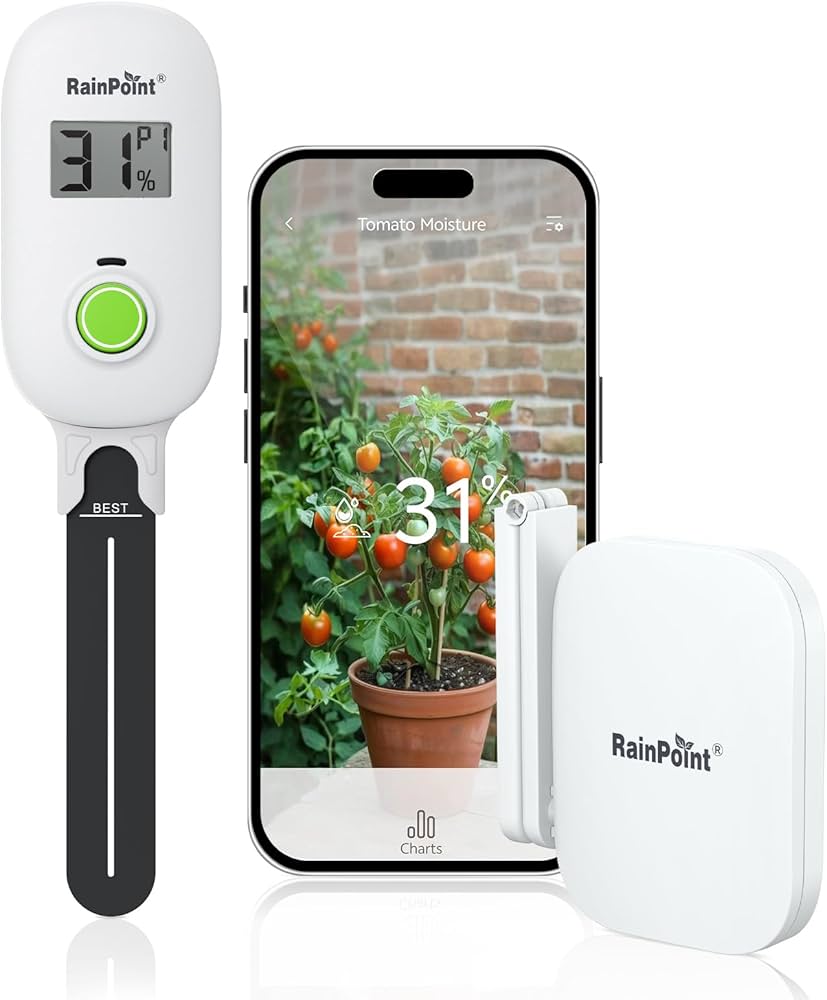
A moisture meter measures water inside a material. Think wood, drywall, concrete, or soil. It tells you how damp a surface or core is. Most units read moisture content as a percentage for wood and drywall. For concrete, many read on a relative scale and need careful interpretation.
The two main types are pin and pinless. Pin meters use two probes to test electrical resistance. Wet material conducts better, so the meter reads higher. Pinless meters use a flat sensor and radio waves to scan without poking holes. They work fast and cover more area, but need a flat surface and the right calibration.
A hygrometer measures humidity in air. Most digital hygrometers use capacitive or resistive sensors to estimate relative humidity. Many also show temperature and dew point. That helps you judge comfort, mold risk, and how fast wood or paper will gain or lose moisture.
Knowing the heart of moisture meter vs hygrometer helps you pick the right tool for the job. If the question is “is the wall wet,” use a moisture meter. If it is “is the room humid,” use a hygrometer.
Key types you will see:
- Moisture meters: pin, pinless, combo units, soil moisture probes, wood-only meters with species correction
- Hygrometers: digital indoor monitors, data loggers, sling psychrometers, HVAC sensors with remote probes

Moisture meter vs hygrometer at a glance
You do not need a lab to choose. Use this quick guide.
-
What they check
- Moisture meter: water inside materials like wood, drywall, concrete, soil
- Hygrometer: humidity in the air in a room, closet, or duct
-
Typical units
- Moisture meter: percent moisture content for wood and drywall, or relative scales
- Hygrometer: percent relative humidity, sometimes dew point and temperature
-
Speed and method
- Moisture meter: spot checks, scan mode, or probes for depth
- Hygrometer: continuous ambient readings, often with logging
-
Best fits
- Moisture meter: flooring installs, leak checks, mold inspections, woodworking
- Hygrometer: comfort, HVAC tuning, greenhouses, wine rooms, cigar humidors
-
Cost and accuracy
- Moisture meter: wider price range, accuracy depends on material and calibration
- Hygrometer: affordable for basic use, pro models give tighter accuracy
If you are weighing a moisture meter vs hygrometer, think about what you want to fix. Wet material needs a moisture meter. Humid rooms need a hygrometer. Many jobs benefit from both.

When to use each tool
You want a clear decision path. Use these real cases.
-
New hardwood floor install
- Use a moisture meter to check subfloor and plank moisture content. Match the wood to local conditions to avoid cupping.
- Use a hygrometer to confirm indoor relative humidity stays in the target range.
-
Leak hunt after a storm
- Start with a moisture meter on drywall, baseboards, and around windows. Confirm wet spots before opening walls.
- Place a hygrometer to track room humidity while you dry the area.
-
Indoor comfort and mold control
- Use a hygrometer to keep RH near 40 to 50 percent in living areas.
- If you smell must, use a moisture meter to find damp areas where mold can start.
-
Woodworking and instrument care
- Use a moisture meter to confirm lumber is at the right moisture content before cutting or gluing.
- Use a hygrometer in the shop to prevent swelling and cracking.
-
Gardening and houseplants
- Use a soil moisture meter for watering. Overwatering is the top plant killer.
- Use a hygrometer for humidity-loving plants like orchids.
From years of fieldwork, the fastest wins come from pairing both tools. That is the practical side of moisture meter vs hygrometer.
How to choose the right tool for your project
Focus on the material, the depth you need, and the accuracy you care about.
For moisture meters:
- Material match
- Choose a meter that supports wood species correction if you work with hardwoods.
- For concrete, look for meters designed for slabs or use in-situ RH testing when required.
- Type and depth
- Use pin meters for precise, small areas and depth checks.
- Use pinless for quick scans over wide areas without leaving holes.
- Accuracy and features
- Look for temperature compensation, calibration checks, and clear scales.
- Favor meters with a known accuracy range and repeatable results.
For hygrometers:
- Sensor quality
- Aim for accuracy of ±2 to ±3 percent RH for serious work. ±5 percent RH is fine for basic comfort.
- Logging and alerts
- Choose data logging if you need to track RH over days or weeks.
- Alarms help protect items like guitars or cigars.
- Placement flexibility
- Remote probes help in ducts, crawl spaces, or tight spots.
If you are comparing a moisture meter vs hygrometer for a renovation, ask yourself what you need to prove. Do you need the wall dry enough to paint? Or the room stable enough to install floors? Pick the tool that answers that question.

How to use and read them correctly
Get good data with simple steps.
Moisture meter steps:
- Set the right mode or scale for your material.
- Zero or verify calibration if your meter allows it.
- For pin meters, insert the probes along the grain of wood or perpendicular to the surface on drywall. Take several readings.
- For pinless meters, place the sensor flat. Press evenly and scan in a grid pattern.
- Record the highest and average values. Investigate outliers.
Hygrometer steps:
- Place the unit away from direct sun, vents, or wet surfaces.
- Let it sit for 10 to 15 minutes to stabilize.
- For room checks, measure at breathing height. For crawl spaces, use a probe.
- For better accuracy, do a salt test check or use a known reference device.
- Log readings over time to spot trends.
Moisture meter vs hygrometer success comes from steady technique. Keep notes, repeat your method, and confirm results.

Common mistakes and troubleshooting
Small errors can lead to big costs. Avoid these traps.
- Wrong tool for the job
- A hygrometer cannot confirm if drywall is dry enough to close. Use a moisture meter.
- Not matching the material
- Wood species and temperature change readings. Use corrections when available.
- Surface-only checks
- Wet cores can hide under dry surfaces. Use pins or different depths to confirm.
- Bad placement for hygrometers
- Near vents or windows skews readings. Move to a stable spot.
- Skipping calibration
- Sensors drift. Check against a known reference or use a calibration kit.
- Chasing low differences
- Every meter has an error range. Look for clear trends, not tiny changes.
When stuck, compare a second tool. Cross-checks settle most moisture meter vs hygrometer questions fast.
Pro tips and real-world examples
Here are lessons I learned the hard way.
- Map, do not guess
- Scan in a pattern and mark readings on painter’s tape. Patterns reveal leaks.
- Trust but verify
- If a reading is odd, take a second pass at a right angle or use the other meter type.
- Work with time, not against it
- Track drying or conditioning over days. Many materials need time to equalize.
- Control the room
- Keep RH steady during installs. Floors and cabinets hate swings.
- Keep backups
- I carry a pocket hygrometer and a pin meter. Redundancy saves rework.
These habits turn moisture meter vs hygrometer choices into a simple routine that catches problems early.

Cost, accuracy, and upkeep
It helps to know what good tools cost and how they hold up.
-
Moisture meters
- Entry soil meters are very cheap but basic. General-purpose pin meters range from modest to mid-tier. Pro pin or pinless units cost more and offer better depth, stable calibration, and species correction.
- Typical accuracy for wood moisture content is within about 0.5 to 2 percent when used right. Concrete readings are often relative unless you use an in-slab test.
- Keep probe tips clean, store dry, and check calibration on a schedule.
-
Hygrometers
- Basic indoor units are inexpensive. Better sensors and data loggers cost more and give tighter accuracy and trend data.
- Typical accuracy is ±2 to ±5 percent RH. Good models let you adjust offsets after a salt test.
- Replace batteries before major jobs and avoid placing sensors in direct sun or steam.
If budget is tight, start with a solid mid-level meter and a dependable digital hygrometer. For moisture meter vs hygrometer, quality matters because small errors can lead to big decisions.

Related tools and when you might need both
Some projects demand both devices working together.
- Hardwood floors
- Confirm plank and subfloor moisture with a meter. Hold indoor RH with a hygrometer for weeks before and after.
- Greenhouses and grow rooms
- Use soil or media moisture meters to avoid root rot. Use hygrometers to guide ventilation and dehumidifiers.
- Museums and archives
- Hygrometers keep RH and temperature in range. Moisture meters check cases, panels, and frames after events or leaks.
- Basements and crawl spaces
- A hygrometer watches the space. A moisture meter checks joists, beams, and drywall for hidden damp.
This is the heart of moisture meter vs hygrometer in the field. One tracks the air. The other checks the thing that can rot, swell, or mold.
Frequently Asked Questions of moisture meter vs hygrometer
What is the main difference between a moisture meter and a hygrometer?
A moisture meter checks water inside materials like wood, drywall, or concrete. A hygrometer measures the humidity in the air of a room or space.
Can a hygrometer tell me if my wall is dry?
No. A hygrometer only shows the room’s humidity. Use a moisture meter on the wall to confirm if it is dry enough to paint or close.
Do I need both for hardwood floors?
Yes, in most cases. Use a moisture meter to confirm wood and subfloor moisture, and a hygrometer to hold indoor RH steady during acclimation and install.
How accurate are consumer hygrometers?
Many are accurate within ±3 to ±5 percent RH. For tighter control or official work, use a meter rated near ±2 percent RH and verify with a salt test.
Which is better for plant care, moisture meter vs hygrometer?
Use a soil moisture meter to guide watering. Use a hygrometer to maintain air humidity for plants that like moist air.
Will a pinless meter read through tile or thick finishes?
Pinless meters scan shallow depths and need flat contact. They may not read well through tile or very thick coatings, so use a pin meter or test from an exposed edge.
What RH should I keep indoors?
Aim for roughly 30 to 50 percent RH for comfort and mold control, adjusting by season. Very high or very low RH can damage wood and finishes.
How often should I calibrate these tools?
Check hygrometers every few months or before critical jobs. For moisture meters, follow the manual and use a reference block or built-in check if available.
Conclusion
You now know what each tool does, where it shines, and how to avoid common traps. A moisture meter tells you if material is safe, stable, and ready. A hygrometer keeps air in the zone so your work stays that way.
Put this into action. Start with the tool that answers your immediate question, then add the other to control the whole system. If you want more how-tos or gear checklists, subscribe and share your project in the comments.