

Industrial moisture absorbers trap extra humidity to protect goods, equipment, and spaces.
If you manage storage, packaging, or production, moisture is a daily battle. I’ve worked with teams across food, pharma, metals, and electronics, and I’ve seen how small humidity leaks cause big losses. This guide breaks down industrial moisture absorbers in plain English and shows how to size, place, and maintain them so you stop rust, mold, and rejects for good.

What industrial moisture absorbers do and why they matter
Moisture is sneaky. It slips into boxes, racks, cabinets, and containers. The result can be rusted metals, moldy labels, caked powders, or dead PCBs.
Industrial moisture absorbers keep relative humidity in a safe range. They protect products, machines, and people. They lower warranty claims and help you ship with confidence.
Use them wherever water vapor hurts quality. That includes sealed packaging, warehouses, control rooms, and overseas containers. They also support audits and standards by keeping conditions steady.
Industrial moisture absorbers shine when paired with good seals and monitoring. They are not magic on their own. But in a tight system, they are the MVP.

How industrial moisture absorbers work
There are two main actions. Absorption turns water into a brine or gel. Adsorption grabs water onto a solid surface.
Desiccants pull moisture from air until they reach a limit. Some can be regenerated with heat. Others are one-and-done.
The aim is a target RH, often 30–50 percent for many goods. For electronics or metal parts, the target can be lower. Industrial moisture absorbers act like a buffer that soaks up spikes.

Types of industrial moisture absorbers
Here are the common options and when to use them.
- Silica gel packs. Good for packaging and cabinets. Regenerates with heat. Stable over many cycles.
- Clay desiccant. Low cost and fine for moderate heat and RH. Not as strong at low RH.
- Molecular sieve. Powerful at very low RH or low temps. Used in pharma and specialty parts.
- Calcium chloride. Absorbs a lot and forms liquid brine. Great for containers and rooms.
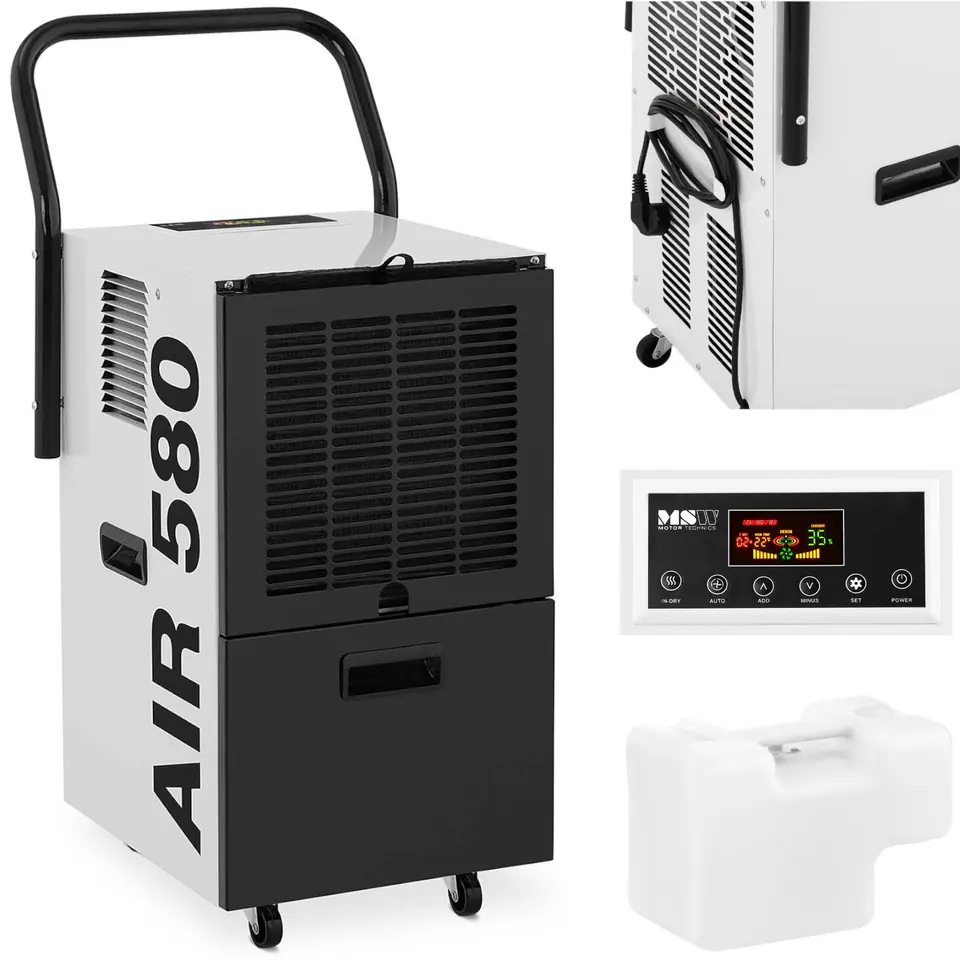
- Desiccant dehumidifiers. Rotor units for process air. Hold low RH in large spaces.
- Refrigerant dehumidifiers. Best for warm, humid rooms. Efficient for comfort and storage.
- Container desiccants. High-capacity strips or bags. Control “container rain” during ocean transit.
- VCI plus desiccant combos. Protect ferrous metals from rust in packs or crates.
Each type has strengths. Match the absorber to the job, not the other way around. When in doubt, pilot in a small area first.
Selection and sizing guide
Right sizing matters more than brand. Follow these steps.
- Define your target RH and temperature. Set limits by product needs.
- Measure the space. Note volume, leakage, and how often doors open.
- Estimate moisture sources. New pallets, wet floors, people, and hot processes add water.
- Choose a type. Pick a desiccant, dehumidifier, or a mix based on load and control needs.
- Size the system. Use supplier charts to convert moisture load to grams or pounds per day.
- Plan safety margin. Add 20–30 percent for peaks and errors.
Quick example I use on audits. A sealed crate with dry goods needs 40 percent RH for three months. The crate volume is 2 cubic meters. Using standard charts, I choose silica gel in units. I add 30 percent extra to handle temperature swings. Industrial moisture absorbers work best when you add that buffer up front.

Placement and installation best practices
Small moves can double performance. Place industrial moisture absorbers where air can move.
- Do not bury packs under foam. Keep packs near headspace or vents.
- Spread multiple small packs rather than one big pack.
- In rooms, place near returns or at moisture sources.
- Use liners and vapor barriers to slow new moisture.
- Seal doors and penetrations. A leak beats any absorber.
For containers, hang desiccant strips high and spaced out. Keep them off cargo to manage drips from liquid brine types. Tag placements so teams can check them fast.

Monitoring, maintenance, and regeneration
What gets measured gets managed. Pair industrial moisture absorbers with simple checks.
- Use data loggers for RH and temperature. Place one high and one low.
- Track color indicators if used. Choose cobalt-free indicators to reduce hazards.
- Set service intervals. Replace or regenerate on a schedule or when RH drifts.
- For silica gel, bake per spec. Avoid overheating, which can reduce capacity.
- For calcium chloride, empty brine safely and replace bags.
I like a simple dashboard. RH goal, last swap date, and next due date. It keeps teams aligned and prevents guesswork.

Where they shine: applications and real stories
Industrial moisture absorbers help across many fields.
- Metals and machinery. Stop flash rust on parts after machining and wash.
- Electronics. Protect PCBs, sensors, and optics from condensation.
- Food and nutraceuticals. Keep powders free flowing and labels clean.
- Pharma. Maintain packaging integrity and meet strict storage specs.
- Shipping and logistics. Avoid container rain on long sea routes.
A quick win from my notes. A metal shop cut scrap by 40 percent after adding desiccants to sealed totes and sealing doors. A food site reduced caking by adding liners, silica gel, and a small desiccant dehumidifier near the filler. In both cases, RH dropped under 45 percent and holds steady now.
Safety, compliance, and sustainability
Safety first. Keep packs out of reach in food areas and label well. Avoid cobalt-dyed indicators when possible. Some regions restrict them.
Follow local rules for disposal of brine and spent media. Check for REACH or similar controls on chemicals. For pharma and defense items, use rated packs that meet known unit specs.
On green goals, pick reusable options where you can. Regenerable silica gel and desiccant rotors lower waste. Right sizing also cuts energy. Industrial moisture absorbers can be both safe and sustainable with good planning.

Cost, ROI, and mistakes to avoid
Moisture damage is costly. A small spend on industrial moisture absorbers can prevent big losses.
Add up scrap, rework, returns, and delays. Then compare against media, power, and labor. Payback is often months, not years.
Avoid these common errors.
- Undersizing the system.
- Poor seals that let new moisture enter.
- Wrong type for the temperature or RH target.
- No monitoring or late replacement.
- Packs placed where air cannot reach them.
Fix these and your absorber plan will perform far better.
Troubleshooting guide
If RH stays high, check for leaks first. Inspect seals, doors, and liners. Then verify you sized for peak load.
If packs saturate fast, step up capacity or change type. Calcium chloride may beat clay or silica in tough cases.
If corrosion still shows, lower the RH target and add VCI support. Clean and dry parts well before packing.
If regeneration fails, confirm oven temps and cycle time. Overheating can damage silica gel and cut capacity.
Frequently Asked Questions of industrial moisture absorbers
What are industrial moisture absorbers used for?
They control humidity to protect goods, equipment, and spaces. They prevent rust, mold, caking, and label damage.
How many packs do I need for a box or room?
Use supplier charts based on volume, seal quality, and target RH. Add a 20–30 percent margin for safety.
What is better, silica gel or calcium chloride?
Silica gel is clean and reusable, great for packaging. Calcium chloride has higher capacity and suits rooms or containers.
Can I regenerate desiccants at home?
Many silica gels can be regenerated in a controlled oven. Follow the maker’s temperature and time to avoid damage.
Do industrial moisture absorbers meet regulations?
Yes, many products meet common unit ratings and safety standards. Choose cobalt-free indicators and follow local disposal rules.
Conclusion
Moisture control is simple when you use the right tools the right way. Size well, seal tight, place smart, and track RH. Industrial moisture absorbers will do the heavy lifting and keep quality high.
Start with one area this week. Pick your target RH, run a small trial, and log results. If you found this useful, subscribe for more practical guides or leave a question so we can help you dial in your setup.