

Keep containers dry with desiccants, ventilation, insulation, and smart packing.
I have spent years solving wet cargo headaches in harsh ports and long sea legs. This guide covers moisture control for shipping containers with clear steps, proven tools, and real stories. If you manage exports, import QC, or warehouse storage, you will learn what works, what fails, and how to choose the right setup for your route and cargo.

Why moisture builds up in shipping containers
A steel box breathes with the weather. Warm air holds more water. When the inside cools, the air drops water on walls and ceilings. This is the start of container rain.
Moisture comes from many places. Pallets, boxes, and goods can hold water. Rain at loading adds more. Door openings in humid air do too. With no airflow, this water has nowhere to go.
The dew point is key. If steel skin drops below the dew point, water forms on it. At sea, nights can be cool. Day heat swings are large. That swing drives the drip you see on the roof.

The risks of ignoring moisture
Moisture can warp cartons, blur labels, and stain textiles. It can rust tools and auto parts. It can trip circuits and ruin boards and chips. Mold can grow fast on coffee, nuts, or leather.
Insurers often rank moisture as a top cargo loss cause. Claims take time and money. They also hurt client trust. A simple fix could save a full load.
In my work, a coffee lot once arrived with white mold webs. The pallets were green and wet. We switched to kiln-dried pallets and used a liner. The next three lots were clean.
How to measure and monitor humidity
Good control starts with good data. Use a digital hygrometer or a data logger. Check the inside air, not just the dock. Place sensors near the roof and by the doors.
Watch two numbers. Relative humidity and temperature. Aim for under 60 percent RH for most goods. Aim for under 40 percent for electronics and pharma. Use a dew point chart or app to see risk times.
Log readings at pack, at mid trip if you can, and at receipt. Humidity cards help too. They give a quick read at a glance. Keep the records. They help with claims and with process changes.

Core methods of moisture control for shipping containers
The best stack is layered. You do not need to use all tools. Pick what fits the cargo and route. This section gives core methods for moisture control for shipping containers that you can mix and match.
Desiccants
Desiccants pull water from air. They come as bags, strips, poles, or blankets. Place them high and spread them out. Keep them clear of cargo where they can breathe.
Use a simple rule to size. Start with 1 to 2 kg for a 20 ft box. Use 2 to 4 kg for a 40 ft box. Add more for wet cargo, long trips, or tropic routes. This is a rule of thumb. Test and adjust.
Check that the product is food safe if needed. Review the adsorption curve. Some work better at high RH. Others work better at low RH.
Ventilation
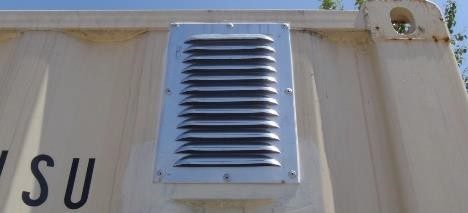
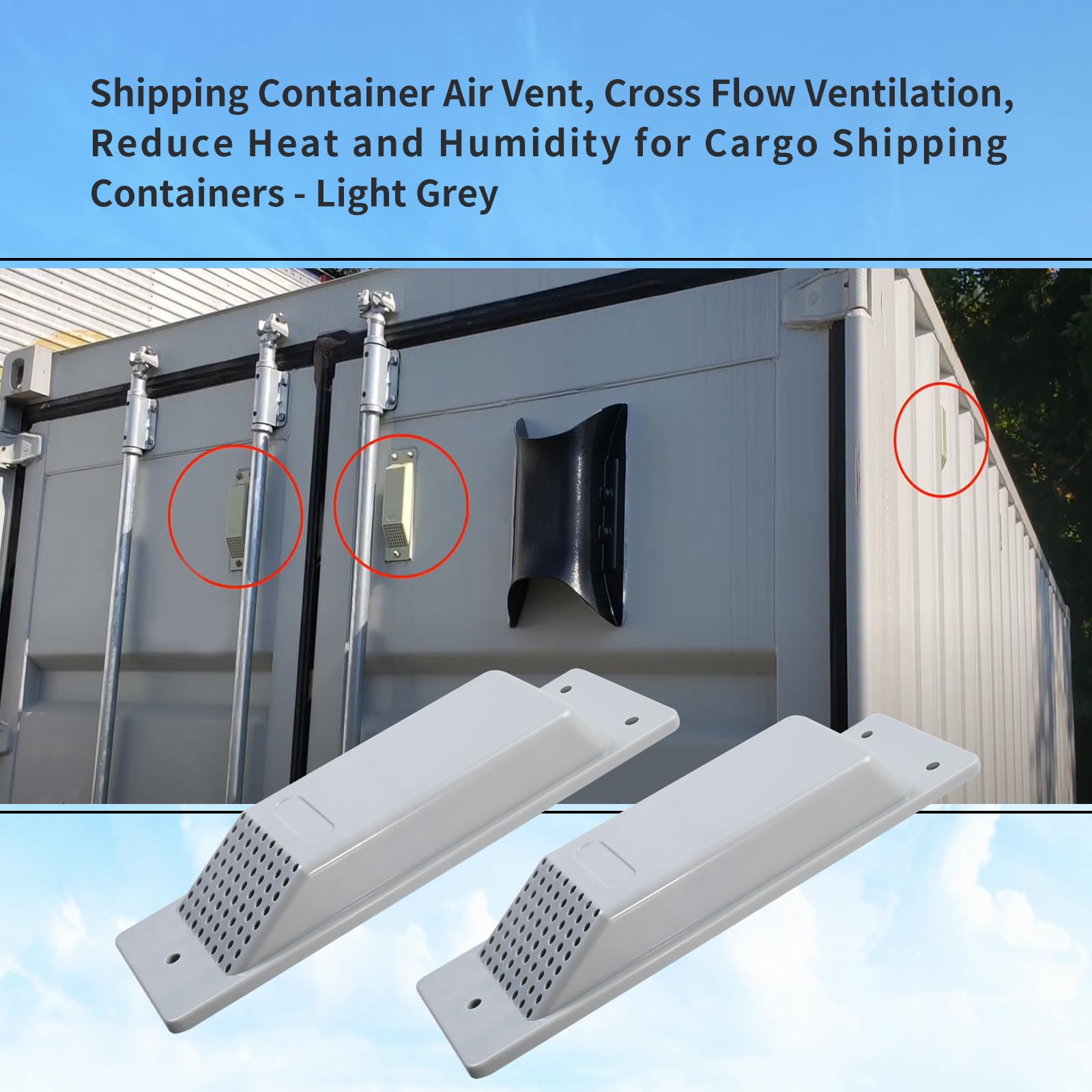
Vent kits move moist air out and bring dry air in. They help when outside air is drier than inside air. On a dry winter route, vents shine. In a wet monsoon, they can pull more water in.
Check that vents face away from spray. Use fine mesh to stop insects. Keep cargo clear of vents. A blocked vent is no vent at all.
Insulation and liners
Insulated liners or bubble foil reduce heat swings. This helps stop the roof from dropping below the dew point. Liners also give a clean shell for food or pharma.
Install liners tight and sealed. Tape seams well. Keep a path for air to move. Do not trap wet air behind panels.
Dehumidifiers and temporary heat
For static storage, a small dehumidifier works well. Use one in a power-supplied yard or warehouse. Drain to the outside. Keep doors shut.
In cold, gentle heat can lift the inside above dew point. Use safe heaters. Watch for fire risk. Heat plus no airflow can dry out cartons too much, so track RH.
Vapor barriers and wraps
Use poly wraps or barrier bags for high-risk goods. Add a desiccant inside the wrap. Seal it tight. This creates a microclimate around the item.
Use shrink film with light vents for cartons. Wrap does not fix wet pallets. Start dry first, then wrap smart.
These tools form the core of moisture control for shipping containers. Blend them to match your case. Test once, then scale to your full load plan.

Packing and loading best practices
Great gear fails if you load wrong. Good packing is the heart of moisture control for shipping containers. Aim for dry in, dry out.
Follow these steps when you load.
- Use kiln-dried pallets. Aim for wood moisture under 20 percent.
- Store cartons in a dry area before pack. Do not stage in rain or fog.
- Sweep the floor. Check for damp spots. Fix roof leaks, even small ones.
- Leave air gaps. Space cartons off walls and the roof. Use dunnage where needed.
- Keep vents clear. Do not push cargo against them.
- Use corner boards to hold space for airflow channels.
- Add desiccants high on the walls. Spread them evenly front to back.
- Close doors fast in humid weather. Do not stand them open for long.
A quick note from my field work. We cut claims to near zero by drying pallets for 24 hours indoors before pack. We also started to hang desiccant poles at the midline. Simple, cheap, and it worked.
Climate and route considerations
Routes drive risk. A hot, wet load from the tropics that sails into cool seas is high risk. A dry inland route in winter is low risk. Plan your moisture control for shipping containers by season and lane.
Check port weather at load and discharge. Look at dwell time on quay. Door opens in rain add water. Try to load in dry hours when you can.
For monsoon or equator routes, use more desiccant and a liner. For polar or winter legs, add insulation to curb swings. For reefers on produce, use proper vent settings, not ad hoc tricks.
Maintenance and inspection checklist
A tight box keeps water out. A bad gasket makes gear useless. Build a quick check into your SOP. This is part of moisture control for shipping containers that many teams skip.
Run this checklist.
- Inspect door gaskets for cracks and gaps. Replace if worn.
- Look for pinholes in the roof from inside with daylight. Patch or reject the box.
- Check vents for clogs and broken mesh.
- Look for floor stains or damp planks. Avoid those boxes for dry cargo.
- Do a hose test if in doubt. Look for leaks at seams and corners.
Log the container number and state. Photos help. A five-minute check can save a full load from drip and mold.

Cost, ROI, and choosing vendors
Moisture control for shipping containers should pay for itself. Compare the cost of tools to the risk of loss. Even a small claim can dwarf the price of a liner and desiccants.
Here is a simple way to plan ROI.
- Estimate expected loss rate from past claims.
- Price a control kit per box for your lane.
- Run a small pilot of 10 to 20 boxes. Track damage and humidity.
- If loss drops, scale up. If not, adjust the mix.
When you choose vendors, ask for test data. Request adsorption curves, food safety letters, and disposal rules. Check for leak-proof designs to avoid brine drips. Buy from sources that back claims with lab tests and real routes.

Frequently Asked Questions of moisture control for shipping containers
What is the fastest way to reduce moisture in a loaded container?
Use high-capacity desiccant and close doors fast. Place units high and spaced out to catch rising moist air.
How many desiccant units do I need?
Start with 1 to 2 kg for a 20 ft box and 2 to 4 kg for a 40 ft box. Add more for wet cargo, long routes, or tropic weather.
Do vents help in all climates?
No. Vents help when outside air is drier than inside air. In very humid weather, vents can make things worse.
Will insulation stop container rain by itself?
Insulation reduces temperature swings, which helps a lot. But you still need dry cargo and often desiccants to handle trapped moisture.
Can I open the doors during the trip to air it out?
At sea, doors stay sealed. At terminals, short door opens in humid air can add water. Plan openings in dry hours if possible.
Are chemical dehumidifiers safe for food?
Many are food safe, but not all. Ask for compliance documents and choose products made for food contact zones.
Conclusion
Moisture control for shipping containers is a system, not a single gadget. Start dry, block leaks, buffer swings, and capture the rest. Then measure and adjust.
Pick one or two steps from this guide and apply them on your next load. Track the result and tune your setup by season and route. If this helped, share it with your team, subscribe for more guides, or drop a question so we can solve your exact case.