

Keep indoor humidity near 40–60% and stop moisture at the source.
If you manage a building, you already know moisture can make or break your day. I’ve spent years fixing damp offices, leaky retail stockrooms, and muggy gyms. In this guide, we’ll unpack moisture control for commercial spaces with clear steps, proven standards, and lessons learned. You’ll get practical tools to cut mold risk, protect finishes, and boost comfort while keeping energy in check.

Why moisture control matters in commercial spaces
Moisture causes quiet damage before it shows its face. It feeds mold, warps floors, ruins stock, and hurts indoor air quality. It can also spike energy use when systems fight humidity the wrong way.
Done right, moisture control for commercial spaces protects your people, your brand, and your bottom line. It also supports healthy air and a steady indoor climate that staff and customers feel right away. This is not just about comfort. It is risk management and asset protection.
When leaders invest in moisture control for commercial spaces, they see fewer complaints, fewer work orders, and fewer surprise shutdowns. The building also becomes easier to run day to day.

The science: humidity, temperature, and dew point
Key terms that matter
Relative humidity is the percent of water vapor in air compared to its max at that temperature. Dew point is the temperature where air gets so full of moisture that water starts to condense. Vapor pressure is what drives water vapor from more to less.
Comfort and health usually live near 40–60% relative humidity. Many industry guides align with this range for most occupancies. Data rooms, museums, labs, and food areas may need tighter bands.
How moisture moves
Water enters by air leaks, rain leaks, capillary rise, bulk spills, and vapor diffusion. Air leaks are often the worst. Moist air rides on pressure and temperature swings and finds the coldest surface to condense on. That can be a duct, a window frame, or a slab.
Why dew point beats RH for control
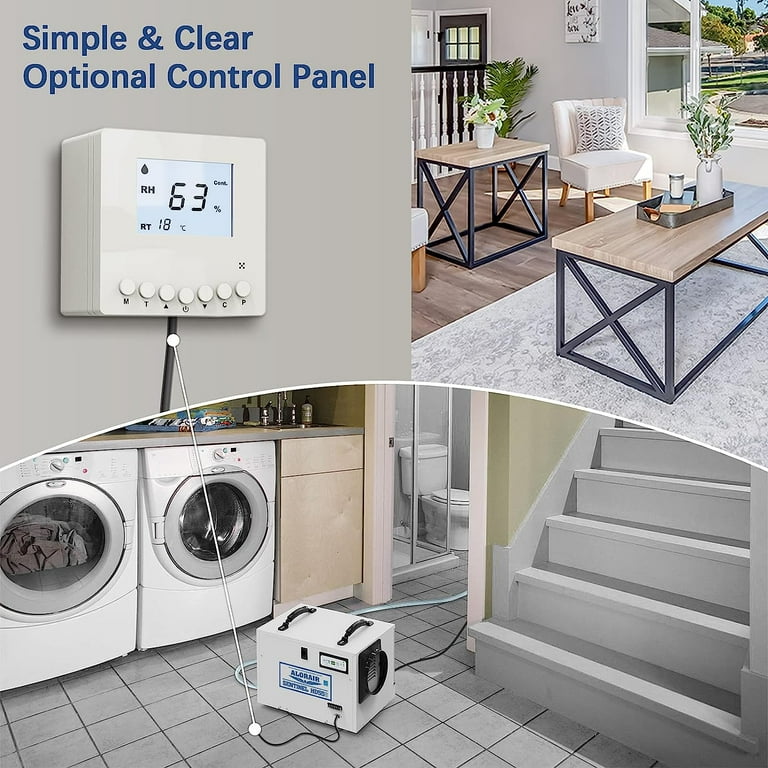
Dew point tracks absolute moisture and is stable. RH changes with temperature, even if moisture stays the same. In humid climates, control by dew point or grains of moisture is more steady and saves energy, especially in 24/7 spaces. Moisture control for commercial spaces works best when dew point is a primary target.
Risks by building type
Different spaces face different moisture loads. A one-size plan fails fast. Tie your plan to the use case.
- Offices: High occupant density in meeting rooms spikes humidity. After-hours setbacks can cause condensation on cold supply diffusers.
- Retail: Doors open often. Stockrooms trap moisture behind packed shelves and on cold exterior walls.
- Healthcare: Tight humidity bands reduce infection risk and protect equipment. Wet floors increase slip risk.
- Food service: Cooking and dishwash create big latent loads. Exhaust balance is critical to stop makeup air from dragging in wet air.
- Gyms and pools: Sweat and water features add constant moisture. Corrosion and mold move fast if air is still.
- Warehouses: High doors and slab moisture can fog scanners and swell cardboard. Temperature swings drive surface condensation.
- Data centers: Static risk when air is too dry; corrosion risk when too humid. Dew point control is best practice.
Moisture control for commercial spaces must reflect the building type, the climate, and the hours of use.

How to assess your current moisture profile
Start with a simple audit. Then add data and verify. It is a crawl-walk-run process.
- Walk-through: Look for stains, odors, warped floors, sweating ducts, and foggy glass. Check corners, behind shelves, and under sinks.
- Interview: Ask staff when spaces feel muggy or musty. Note times, weather, and operations.
- Measure: Place data loggers for temperature, RH, and dew point. Log every 5–15 minutes for at least two weeks.
- Test envelope: Use infrared scans to spot cold bridges. Use door fans or tracer smoke to find air leaks at doors and ceiling planes.
- Review HVAC: Check outside air rates, economizer logic, and reheat capacity. Verify supply air dew point at the coil.
- Baseline: Chart indoor dew point versus outdoor dew point. Map problem zones to loads and schedules.
Use this baseline to size fixes and to prove outcomes. Moisture control for commercial spaces should always be data-driven.

Strategies and best practices that work
Seal and manage the envelope
Keep water out first. Then control the air that gets in.
- Fix roof and façade leaks before touching HVAC.
- Seal large air leaks at doors, docks, shafts, and ceiling planes.
- Add vestibules or air curtains at busy entrances.
- Insulate and air-seal cold surfaces to lift them above indoor dew point.
Ventilation and pressure control
Keep buildings slightly positive to block humid infiltration.
- Balance exhaust with conditioned makeup air.
- Set target building pressure around +0.02 to +0.05 inches w.c., if the use allows.
- Control outside air by dew point, not just by temperature or fixed position.
Cooling and dehumidification
Dry air is not always cool air. Treat the latent load on purpose.
- Use low supply air temperatures with reheat to remove moisture without overcooling.
- Add dedicated outdoor air systems (DOAS) with hot-gas reheat.
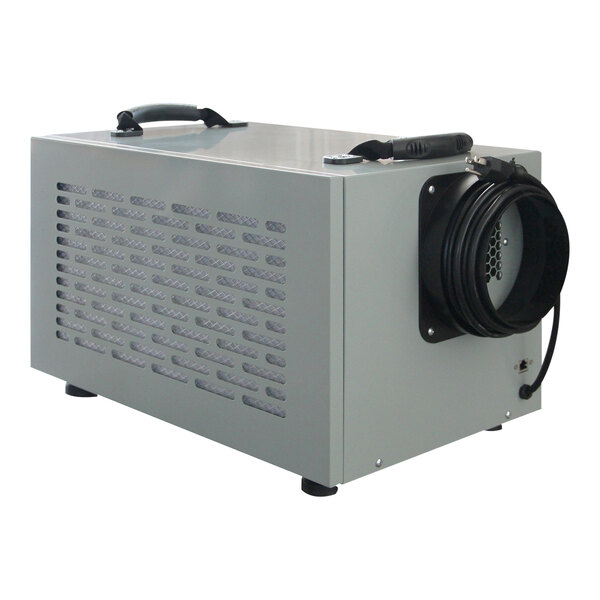
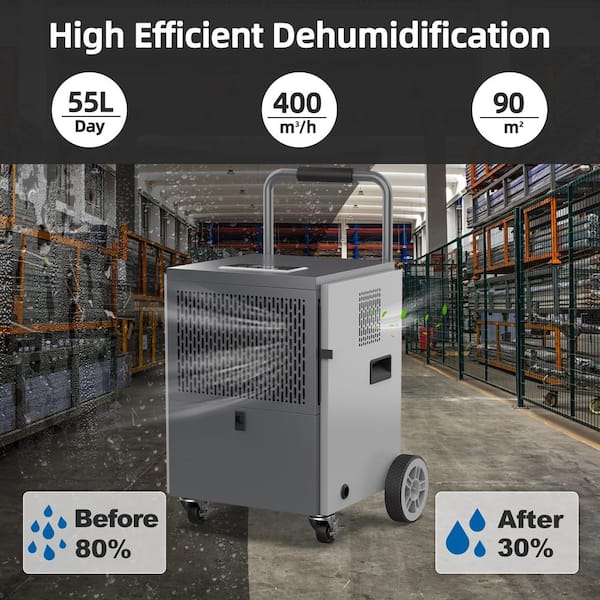
- In problem zones, use supplemental dehumidifiers that drain to a trap, not to a floor pan.
Controls and sensors
Bad control turns good gear into a problem.
- Use reliable RH and dew point sensors and calibrate them twice a year.
- Stage fans, cooling, and reheat by dew point targets.
- Add alarms for high indoor dew point, coil temperature, and door-ajar events.
Plumbing and drainage
Bulk water will beat any HVAC.
- Slope floors to drains in kitchens, showers, and mechanical rooms.
- Insulate cold water lines to stop sweating.
- Install leak detection near water heaters, air handlers, and IT rooms.
When you blend these tactics, moisture control for commercial spaces becomes steady and cost-effective.
Seasonal and climate-specific tactics
Climate shifts change the rules. Tune setpoints and sequences by season.
- Humid summers: Control by dew point. Dry the air before it enters zones. Keep supply ducts sealed and insulated.
- Cold winters: Avoid over-humidifying. Watch for condensation on windows and steel. Lower RH targets if envelopes are weak.
- Coastal climates: Salt plus moisture speeds corrosion. Use coatings on metal and strict positive pressure.
- Arid regions: Beware of over-drying. Static, dry eyes, and brittle finishes show up fast. Evaporative cooling can help but watch minerals.
- Mixed climates: Use dynamic setpoints that track outdoor dew point and occupancy.
Moisture control for commercial spaces should flex with weather, not fight it.

Operations, maintenance, and monitoring
A solid plan dies without care. Keep a simple, steady routine.
- Filters: Change on schedule. Dirty filters load coils and reduce latent removal.
- Coils and pans: Clean coils and sanitize pans. Clear traps to stop overflow and odors.
- Sensors: Calibrate RH and temperature sensors. Replace failed ones fast.
- BAS checks: Review trend logs weekly. Look for drift in dew point, not just temperature.
- Staff training: Teach cleaning teams to report stains and smells. Give them a quick photo checklist.
When teams track dew point and simple alarms, moisture control for commercial spaces stays healthy with less guesswork.
Design and retrofit guidance
Good design solves most moisture headaches before they start.
- Use standards for comfort and air quality. Reference thermal comfort and ventilation guidance for targets.
- Specify DOAS with latent-first control and heat recovery.
- Detail continuous air barriers and correct vapor control layers for the climate zone.
- Isolate wet zones like kitchens, locker rooms, and pools with pressure zoning and dedicated exhaust.
- Commission systems. Verify airflow, outside air ratios, coil leaving dew point, and reheat control before turnover.
Design teams that plan moisture control for commercial spaces early reduce change orders and callbacks.
Cost, ROI, and energy impacts
Dry air on purpose can cut costs. Random drying wastes money.
- Targeted dehumidification lowers reheating of overcooled air. That saves energy in humid seasons.
- Sealing big leaks often pays back in months. It reduces run time and equipment wear.
- Avoid damage costs. Mold cleanup, finish replacement, and downtime can dwarf HVAC upgrades.
Run a simple model. Compare current kWh and gas use to a sequence with dew point control and right-sized ventilation. Add avoided damage and labor. Moisture control for commercial spaces often pays back within one to three years, even in mid-size buildings.
Case studies and lessons I’ve learned
- Office retrofit: We added a DOAS with hot-gas reheat and sealed a leaky vestibule. Complaints dropped in a week. Energy use fell 12% in summer. The surprise win was cleaner smells in the lobby.
- Grocery stockroom: Cardboard was sagging and labels smeared. We insulated a cold exterior wall, cut infiltration at a dock door, and set a dew point alarm. Waste went down right away.
- Gym with showers: Supply diffusers dripped. We balanced exhaust, boosted makeup air drying, and insulated ducts near the pool wall. No more puddles under registers.
These simple steps prove that moisture control for commercial spaces is about basics done well, then held steady by data.
Common mistakes to avoid
- Chasing temperature only and ignoring dew point.
- Adding giant exhaust fans without matching conditioned makeup air.
- Overcooling spaces, then reheating with electric heat all day.
- Letting doors and docks leak air because “it’s busy anyway.”
- Forgetting to clean coils and pans, which turns water into a biofilm problem.
- Skipping commissioning and sensor calibration.
Avoid these traps and moisture control for commercial spaces becomes far simpler and cheaper to run.
Frequently Asked Questions of moisture control for commercial spaces
What is the ideal indoor humidity for most commercial buildings?
Aim for 40–60% relative humidity for comfort and health. Some spaces, like data rooms or museums, may need tighter control based on their use.
How do I know if I need dehumidification or just better ventilation?
Check indoor dew point and compare it to outdoor dew point. If outside air is wetter than your target, you need active dehumidification, not just more ventilation.
Will sealing my building increase indoor pollutants?
Not if you provide the right amount of filtered outside air. Proper ventilation with balanced pressure keeps air fresh while blocking humid infiltration.
Can smart thermostats fix humidity problems?
Not alone. You need controls that monitor dew point and stage cooling, reheat, and outside air; many basic thermostats cannot do that well.
How often should I calibrate humidity sensors?
Twice a year is a good rule. Calibrate before the humid season and again before winter for steady, accurate control.
What are signs of hidden moisture problems?
Musty odors, fogged windows, sweating ducts, warped finishes, and recurring ceiling stains are common clues. Data logging can confirm spikes by time and zone.
Do plants or water features increase moisture issues in lobbies?
Yes, they add moisture and can raise local humidity. Use local exhaust, keep airflow moving, and monitor dew point nearby.
Conclusion
Moisture is simple to beat when you focus on the right targets. Keep water out, control dew point, balance pressure, and verify with data. Start with a short audit, fix leaks, tune ventilation, and set dew point alarms. Then hold the line with steady maintenance.
Take the next step today. Pick one zone, log dew point for two weeks, and act on what you learn. If this guide helped, subscribe for more building performance tips, or leave a comment with your moisture control wins and questions.