

Refillable moisture absorbers cost less over time; disposable options win on convenience.
If you are choosing between refillable moisture absorbers vs disposable, you are in the right place. I work with homes, RVs, and small shops that fight damp air all year. In this guide, I break down how both options work, what they cost, and how to choose. You will get clear steps, real examples, and tips from hands-on use.

What moisture absorbers do and how they work
Moisture absorbers pull water from the air. They lower humidity in small spaces. This cuts musty smells, mold risk, and rust.
Most home products use two media. Calcium chloride draws water fast and forms a salty liquid. Silica gel holds water inside its beads. Both work best in closed spaces. Think closets, cabinets, cars, boats, and storage bins.
When humidity rises, performance improves. When air is dry, they slow down. Size and airflow matter too. Bigger units last longer and handle larger rooms.

Refillable moisture absorbers: what they are, pros and cons
How refillable units work
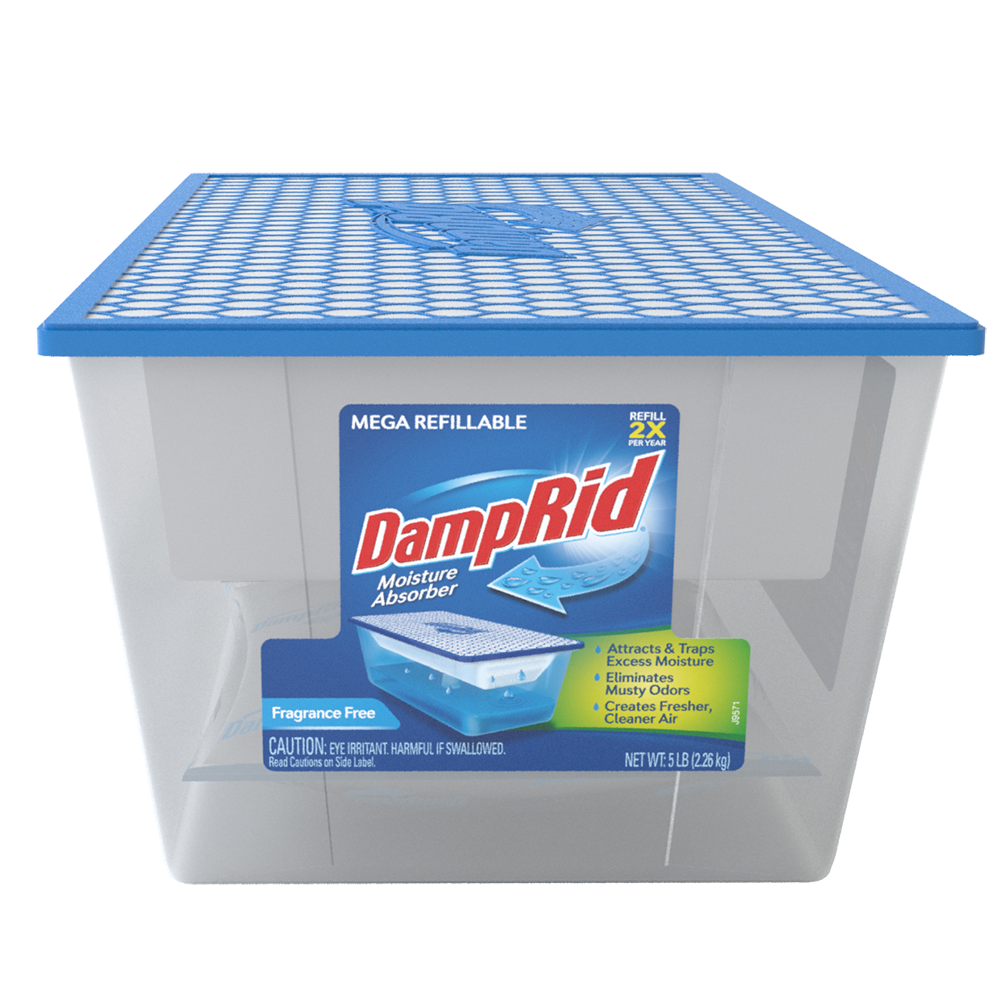
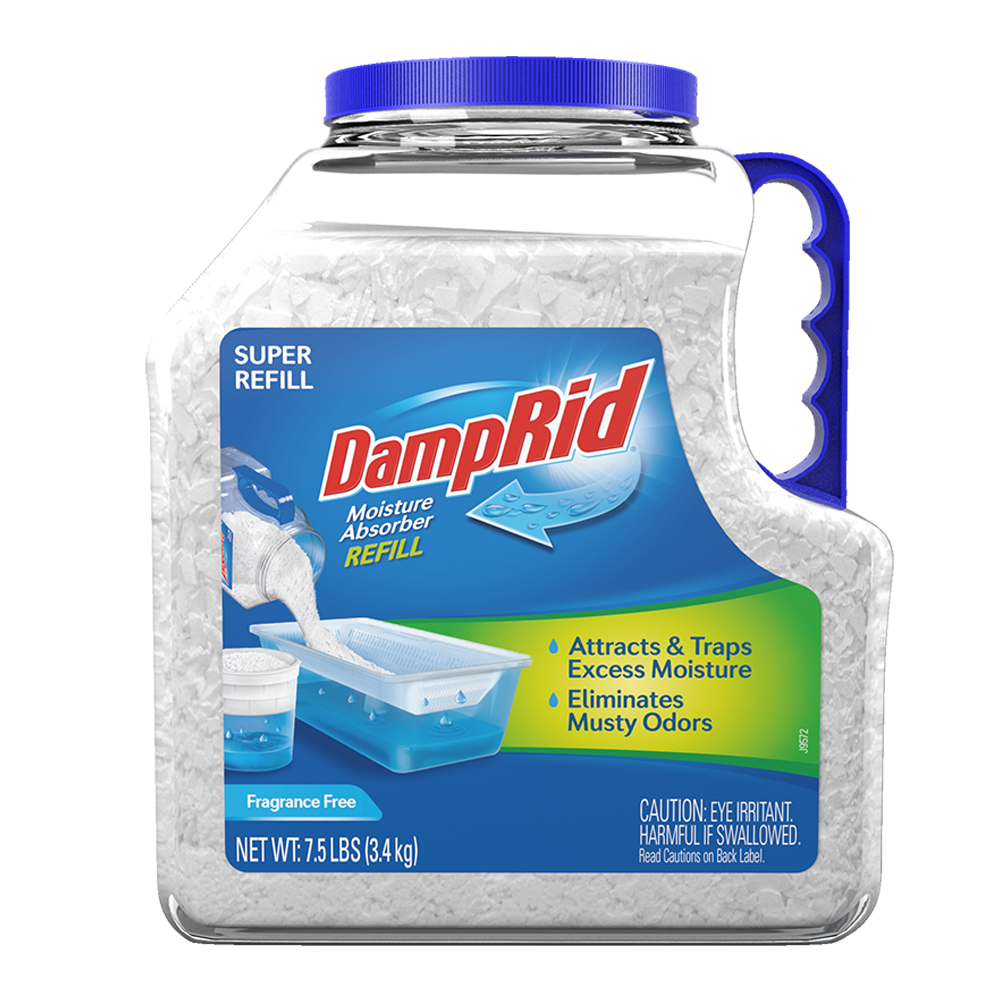
A refillable canister or tub holds crystals or beads. Air flows through the media. Water collects in a lower chamber as a brine. You empty the liquid, then add new media.
Pros
- Lower cost over time.
- Less plastic waste.
- Flexible sizes and media choices.
- You can see and adjust capacity.
Cons
- You must monitor and empty the brine.
- Spills can damage surfaces.
- Setup takes more steps.
- Some refills are hard to find in small towns.
Best for
- Basements, garages, and RVs.
- Boats and storage rooms.
- Long, damp seasons.
- People who want control and lower lifetime cost.
Practical tip: Place the unit in a tray. Keep it away from metal legs or tools. Calcium chloride brine can corrode steel fast.
Disposable moisture absorbers: what they are, pros and cons
How disposable units work
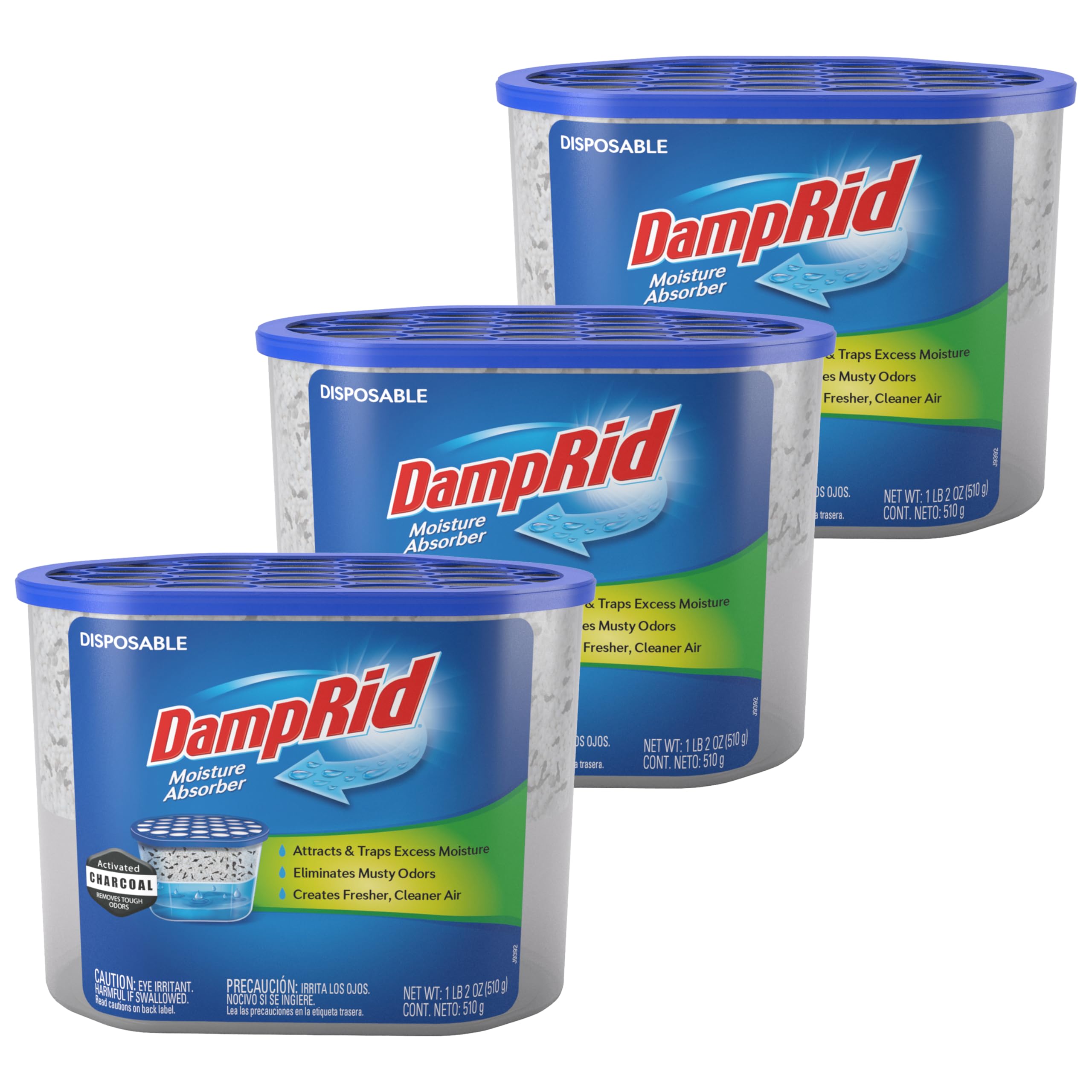
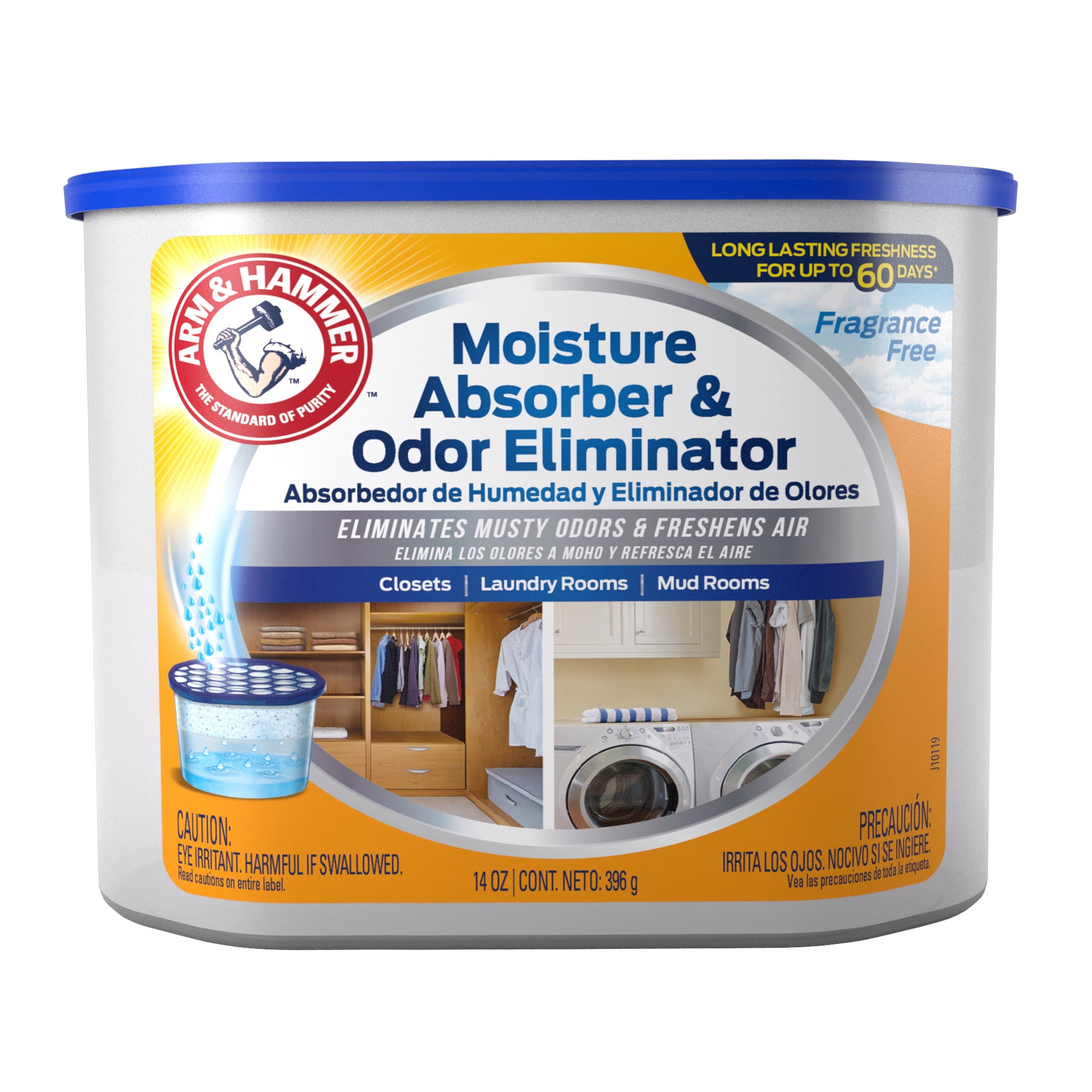
A sealed cup or hanging pouch holds crystals. They absorb moisture and turn to liquid. Once full, you toss the whole unit.
Pros
- Very easy to use.
- No mess if kept upright.
- Great for closets and small rooms.
- Handy for travel and rentals.
Cons
- Higher cost per month.
- More plastic waste.
- Small capacity per unit.
- You need many for large areas.
Best for
- Closets, bathrooms, and pantries.
- Guest rooms and short-term needs.
- Renters who want zero cleanup.
- People who prefer a set-and-forget approach.
Pro move: In closets, use hanging pouches near cold walls. That is where damp air gathers.

Refillable moisture absorbers vs disposable: side-by-side comparison
Cost
- Refillable: Higher upfront, lower ongoing cost. Refills are cheap in bulk.
- Disposable: Low upfront, higher ongoing cost. Frequent replacements add up.
Performance
- Both use similar salts, so per gram performance is close.
- Refillable units often have more media and last longer per fill.
Maintenance
- Refillable: You empty brine and refill. Takes a few minutes each cycle.
- Disposable: Replace when full. Very simple.
Risk and mess
- Refillable: Spill risk if tipped. Use a tray and check weekly.
- Disposable: Safer if upright. Still keep away from kids and pets.
Sustainability
- Refillable: Much less plastic waste over a year.
- Disposable: More waste and more trips to the store.
Safety
- Calcium chloride brine is salty and corrosive. Keep off metal and skin.
- Silica gel is less messy but still keep out of reach.
Use cases
- Refillable: Best for large or very damp spaces.
- Disposable: Best for small, quick jobs and travel.
From years of field use, I lean refillable for steady, long-term needs. I use disposable for short gigs, guest closets, and rentals. This balance makes the most sense for budget and time.
Cost math you can use
Let’s run a simple example.
Scenario: 150-square-foot closet, humid spring to fall.
- Disposable: One tub every 4 weeks at 6 dollars. About 24 dollars per season.
- Refillable: Starter canister at 15 dollars. Refills at 7 dollars for the season. About 22 dollars the first year, then 7 dollars per year.
For a damp garage or basement, scale up. A large refillable unit can replace several small disposables. Over one year, the gap grows. Over three years, refillable often wins by a lot.
This is why many buyers search for refillable moisture absorbers vs disposable. In most long-term cases, refillable saves money and waste. In short-term use, disposable keeps life simple.

How to choose the right option for your space
Follow these steps to decide.
-
Measure humidity. Use a small hygrometer. If RH is over 60 percent, you need help.
-
Define the space. Note size, air leaks, and doors.
-
Pick capacity. Larger spaces need larger or multiple units.
-
Choose media. Calcium chloride for fast pull. Silica gel for gentler use and no liquid.
-
Match your style. If you like simple swaps, choose disposable. If you like control and savings, go refillable.
-
Plan placement. Put units low, near cool walls, and out of foot traffic.
If you still feel stuck on refillable moisture absorbers vs disposable, start with one of each. Test for two weeks. Keep the winner.
Setup, maintenance, and disposal tips
Refillable tips
- Use a drip tray and keep off metal.
- Check weekly. Empty brine before it hits the max line.
- Rinse the chamber. Refill with fresh media.
- Wear gloves if you have sensitive skin.
Disposable tips
- Keep upright. Do not place above clothing without a shelf.
- Replace when the bottom is full of liquid.
- Do not cut open sealed pouches.
Disposal
- Follow product directions. Most brine can go down a drain with plenty of water.
- Do not pour on grass or near metal.
- Rinse containers before recycling if allowed.
These habits cut mess and extend life. They also narrow the gap in the refillable moisture absorbers vs disposable debate.

Common mistakes I see (and made)
I once set a tub on a steel shelf. The brine dripped and left rust rings. Use a plastic tray, always. I also overfilled a canister and spilled it moving it. Keep fills below the line and carry the base only.
Many people put one tiny unit in a big, leaky room. It cannot keep up. Use enough capacity or close doors and vents. I have also seen people forget about them for months. Set a reminder on your phone.
These little tweaks change the outcome. They also improve value in refillable moisture absorbers vs disposable choices.
Eco and safety notes you should know
Read the label on refills. Some indicator beads use cobalt salts. Avoid them if you have pets or kids. Choose safer indicators or clear beads.
Keep all units off the floor if you have curious pets. A low shelf with a tray works well. If you have a septic system, check local rules before draining brine.
If waste is a big worry, go refillable. It cuts plastic by a lot over a year. That choice also fits many company sustainability goals.
This is another point in refillable moisture absorbers vs disposable for eco-minded buyers.
Frequently Asked Questions of refillable moisture absorbers vs disposable
How long do moisture absorbers last?
Most units last from a few weeks to a few months. High humidity and warm air make them work faster and run out sooner.
Can moisture absorbers replace a dehumidifier?
No. They help in small, closed spaces. Use an electric dehumidifier for large rooms or whole basements.
Are they safe around kids and pets?
Keep them out of reach. Calcium chloride brine can irritate skin and corrode metal, so store carefully.
Where should I place them for best results?
Put them low, near cool walls, and away from vents. Close windows and doors to trap the effect.
What should I do if a spill happens?
Wipe it up right away and rinse with plenty of water. Dry metal surfaces fast to avoid rust.
Which is better for closets: refillable or disposable?
Disposable hanging pouches are easy and tidy for closets. Refillable tubs work too if you have a shelf and can check weekly.
Do silica gel and calcium chloride perform the same?
They both absorb water, but calcium chloride pulls faster and turns to brine. Silica gel holds moisture inside beads and stays dry to the touch.
Conclusion
Both options work. If you want low effort for small spaces, use disposable. If you want lower long-term cost and less waste, go refillable. That is the core of refillable moisture absorbers vs disposable.
Pick one space today and try a unit. Watch the results for two weeks. Then scale up with what fits your budget and time. If you found this helpful, subscribe for more simple home guides or leave a comment with your setup and results.