

Yes, moisture absorbers are worth it for small, closed, damp spaces.
If you have musty closets, foggy windows, or a smelly RV, you’ve likely asked are moisture absorbers worth it. I’ve tested them in homes, rentals, and boats for years. This guide breaks down when they shine, when they flop, and how to use them for real results. Stick around, and you’ll get clear answers rooted in experience and solid building science.

How Moisture Absorbers Work (and Where They Shine)
Moisture absorbers are desiccants. They pull water vapor from the air and trap it as a solid or liquid. Common types include calcium chloride, silica gel, and bamboo charcoal.
They work best in small, closed spaces. Think closets, cabinets, storage bins, safes, RVs, and boat cabins. If you are asking are moisture absorbers worth it for a big room, the short answer is no.
High humidity drives mold, rust, and odors. Studies link mold growth to humidity above 60% RH. Desiccants help hold that line in tight spaces where fans or vents are not an option.
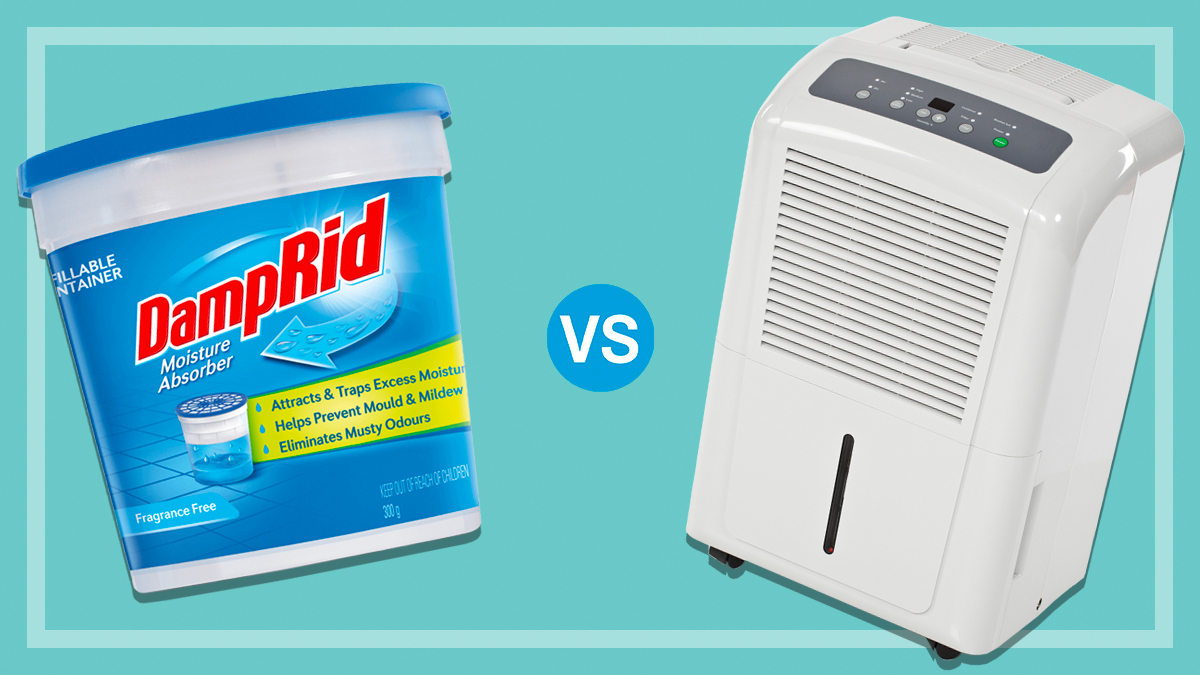
Pros: When Moisture Absorbers Are Worth It
If you need a low-cost, passive fix, they can be a win. I use them in gear closets and under-sink cabinets with great results.
Here is when they tend to shine:
- Closed spaces with poor air flow Closets, drawers, or sealed boxes.
- Short-term control Between seasons, during storage, or while traveling.
- Odor and mold prevention They reduce musty smells and slow mold risk.
- Protecting sensitive items Photos, tools, electronics, and musical gear.
In these cases, are moisture absorbers worth it? Yes. They give simple, quiet control with no power use.

Limits: When Moisture Absorbers Are Not Enough
They have limits. They do not move air. They do not fix leaks. They do not heat or cool. If you have wet walls, standing water, or damp slabs, you need repairs and a dehumidifier.
Here are common fail points:
- Big, open rooms Basements, large bathrooms, or laundry rooms.
- Ongoing water sources Leaks, ground water, or poor grading.
- High, steady humidity in summer They saturate fast and need constant refills.
So, are moisture absorbers worth it for whole-home control? No. Use a real dehumidifier and fix the source.
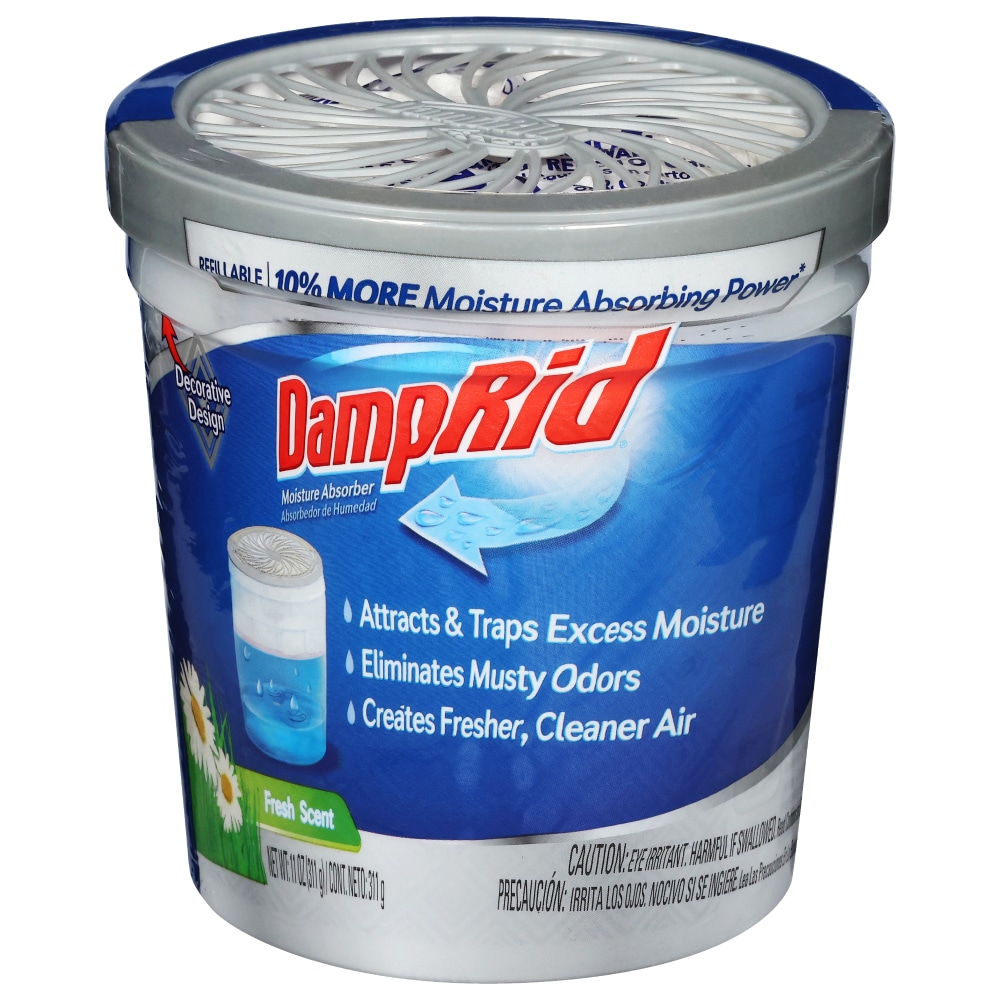
Types of Moisture Absorbers and How to Choose
Pick the right type for the job. Each has a sweet spot.
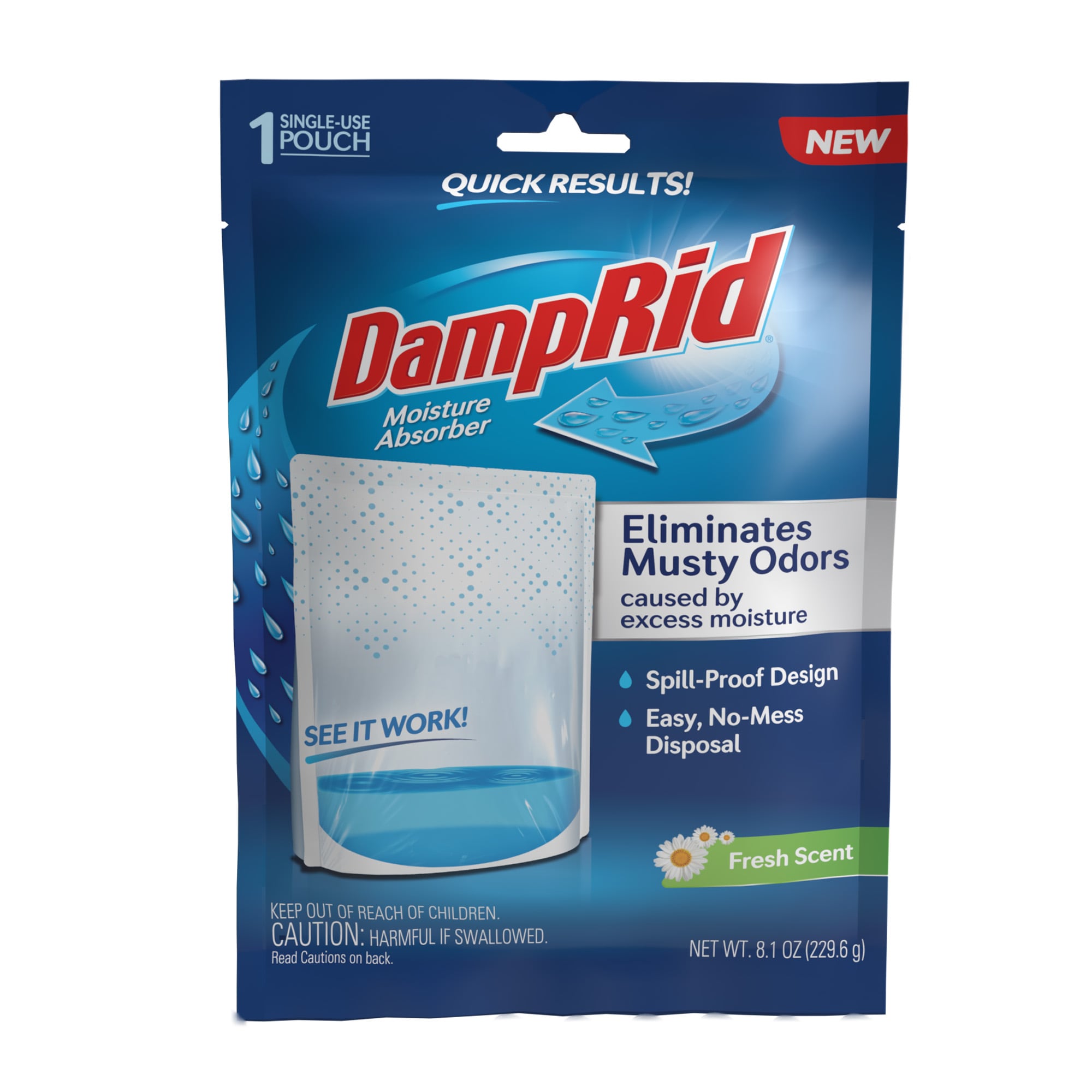
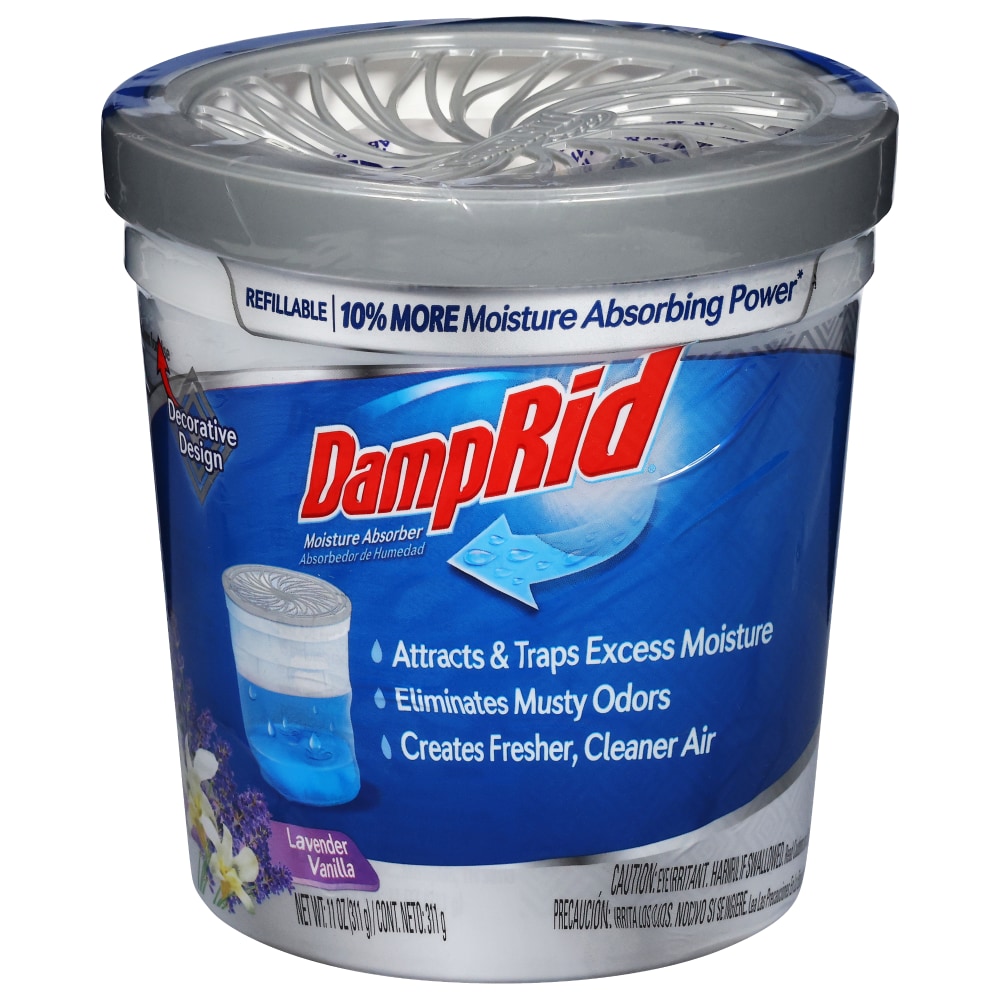
- Calcium chloride tubs or bags Heavy hitter for damp closets and bathrooms. They turn to brine as they work.
- Silica gel canisters Great for safes, tool boxes, and camera bags. Some are rechargeable in an oven.
- Bamboo charcoal bags Light odor control in shoes, cars, and drawers. Works best in mild humidity.
- Indicating silica gel Changes color as it saturates. Easy to know when to recharge.
If you ask are moisture absorbers worth it for long-term closet use, calcium chloride usually wins. For small cases or safes, silica gel is the better pick.
Are Moisture Absorbers Worth It? Cost, Lifespan, and ROI
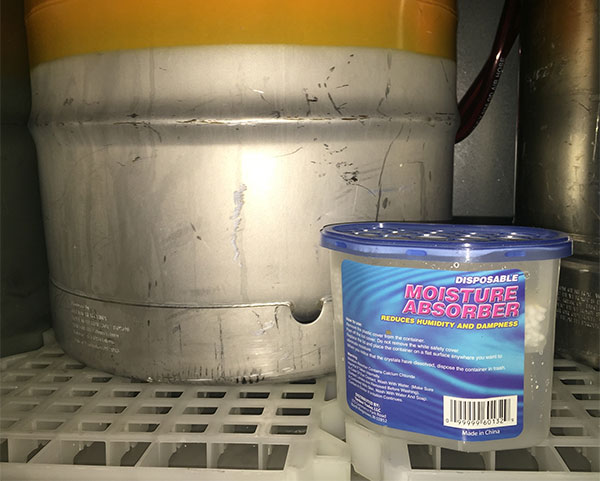
Let’s talk numbers. Most calcium chloride tubs cost a few dollars and last 1 to 2 months in a closet. In very humid areas, they may last only a few weeks. Silica gel canisters cost more upfront but can be recharged for years.
Compare that to a small dehumidifier. It costs more upfront and uses power. But for a damp basement or large room, it is far more cost-effective per pint of water removed. In small spaces, though, are moisture absorbers worth it on cost? Yes, because refills are cheap and you need only a few per year.
Long-term ROI depends on space size, humidity, and use. For storage bins, safes, and RV cabinets, they pay off fast. For damp basements, they do not.
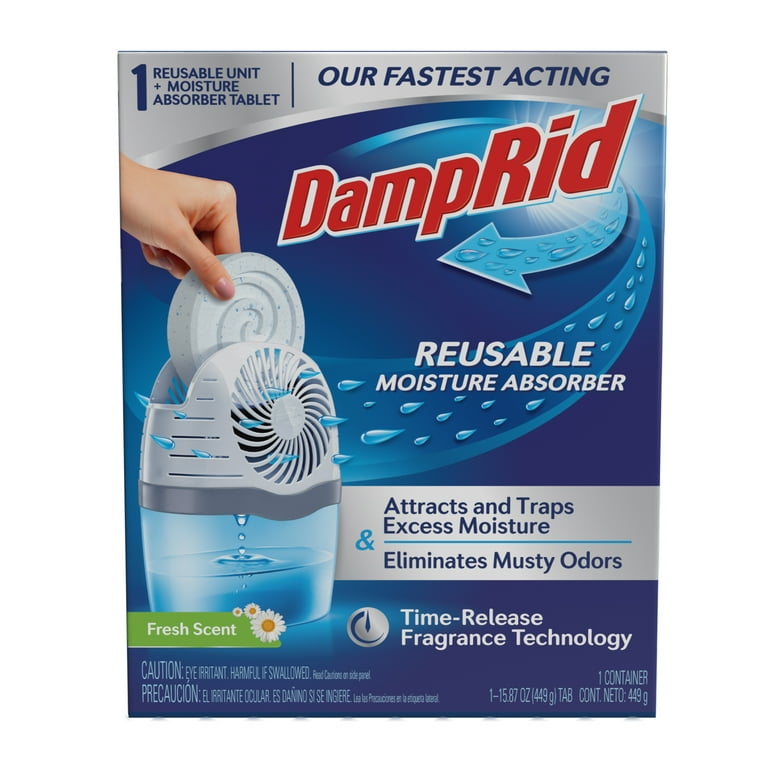
Placement, Sizing, and Setup Tips That Actually Work
Smart setup makes a big difference. Here is what I use in homes and rentals.
- Start small Place one tub in each closet or cabinet. Keep the door closed.
- Use a hygrometer A small, cheap humidity meter tells you if it works. Aim for 40% to 55% RH.
- Keep it off fabric Set on a tray or shelf to avoid brine spills on clothes.
- Replace or recharge on time If it is full or the indicator changes, swap it.
- Try a test week If the musty smell drops and RH falls, you are on track.
If you are still unsure and ask are moisture absorbers worth it for your case, run a 7-day test. Measure before and after. Let the data decide.
Smart Alternatives and Add-Ons to Boost Results
A desiccant is one tool in the kit. Pair it with simple fixes for better gains.
- Vent and air-seal Run bath fans. Seal gaps around doors and pipes.
- Fix water at the source Repair leaks. Improve grading. Add downspout extenders.
- Use a dehumidifier for large areas Pick the right pint rating. Drain it to a hose.
- Add heat or airflow In cold closets, a bit of warmth helps curb condensation.
If you want a set-and-forget solution for a damp basement, are moisture absorbers worth it alone? No. Use them as a helper, not the hero.

Safety and Environmental Notes You Should Know
Treat these products with care. Calcium chloride becomes salty brine. It can stain metal and fabric. Keep it away from pets and kids.
Silica gel is non-corrosive but still a choking risk. Recharge only as the label directs. Dispose of spent materials per local rules.
If you wonder are moisture absorbers worth it from a safety view, yes, if used right. Read labels. Use trays. Check often.
Frequently Asked Questions of are moisture absorbers worth it
Are moisture absorbers worth it for a closet?
Yes, for closets they work well. They cut odors and hold humidity down without power.
Are moisture absorbers worth it in a basement?
Not for full control. Use a dehumidifier, then add absorbers in cabinets or storage bins.
How long do moisture absorbers last?
Most tubs last 1 to 2 months in a closet. In very damp areas, expect a few weeks.
Do moisture absorbers stop mold?
They help by lowering humidity. Keep RH under 60% and fix leaks to stop mold growth.
Are moisture absorbers worth it in an RV or boat?
Yes, they shine in small cabins and storage lockers. Use more than one and check often.
Can I reuse moisture absorbers?
Silica gel can be recharged. Calcium chloride products are usually single use.
Will a moisture absorber replace a dehumidifier?
No. It is great for small spaces. A dehumidifier is best for large rooms.
Conclusion
If you want easy, low-cost humidity control in tight spaces, moisture absorbers deliver. They shine in closets, cabinets, RVs, boats, and storage bins. For big rooms or wet basements, they are a helper, not a fix.
Think in zones. Use absorbers where air is trapped. Use a dehumidifier where air is open. If you are still asking are moisture absorbers worth it, run a one-week test with a hygrometer and see the change.
Ready to take control? Try the tips above, track your RH, and share your results. Subscribe for more real-world home care guides, or drop a question in the comments.