

Most spaces need 1 absorber per 500–1,000 cubic feet, adjusted for humidity.
If you’re asking how many moisture absorbers do I need, you’re already ahead of the curve. I’ve sized moisture solutions for closets, basements, RVs, boats, and even gun safes. In this guide, I’ll show you a simple, reliable way to pick the right number, backed by real-world tests, manufacturer guidance, and common-sense tips that actually work.
How moisture absorbers work (and why the right number matters)
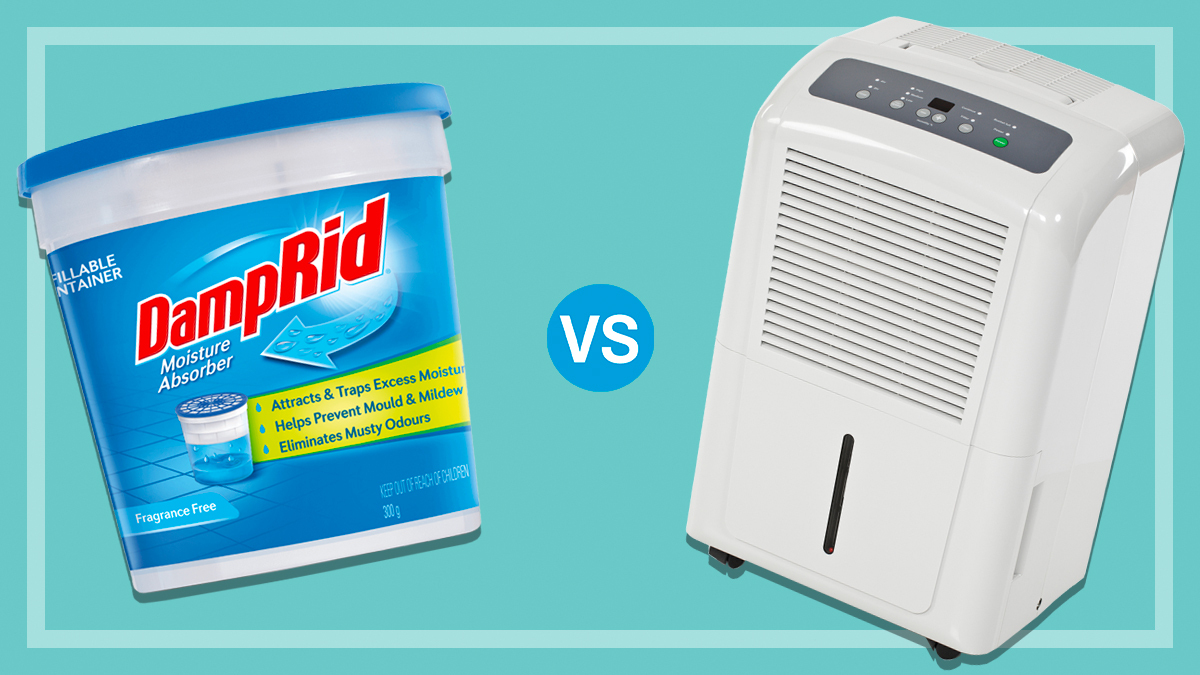
Moisture absorbers pull water from the air until the material is full. Calcium chloride turns to liquid brine as it works. Silica gel locks moisture into beads and can be recharged. Clay absorbs slower and suits mild humidity.
Picking the right number matters because undersizing means damp smells, mold risk, and foggy windows. Oversizing wastes money and time. The sweet spot is about matching your room’s air volume and humidity to the absorber’s capacity and speed.
You’ll see me use cubic feet, since area alone can mislead. We’ll also account for how often you open doors, how leaky the space is, and how wet your climate runs.
How many moisture absorbers do I need? The simple formula
Here’s the method I use on jobs and in my own home. It keeps things simple but accurate.
Step 1: Measure your space volume
• Length × width × height = cubic feet
Step 2: Pick your absorber type and baseline coverage
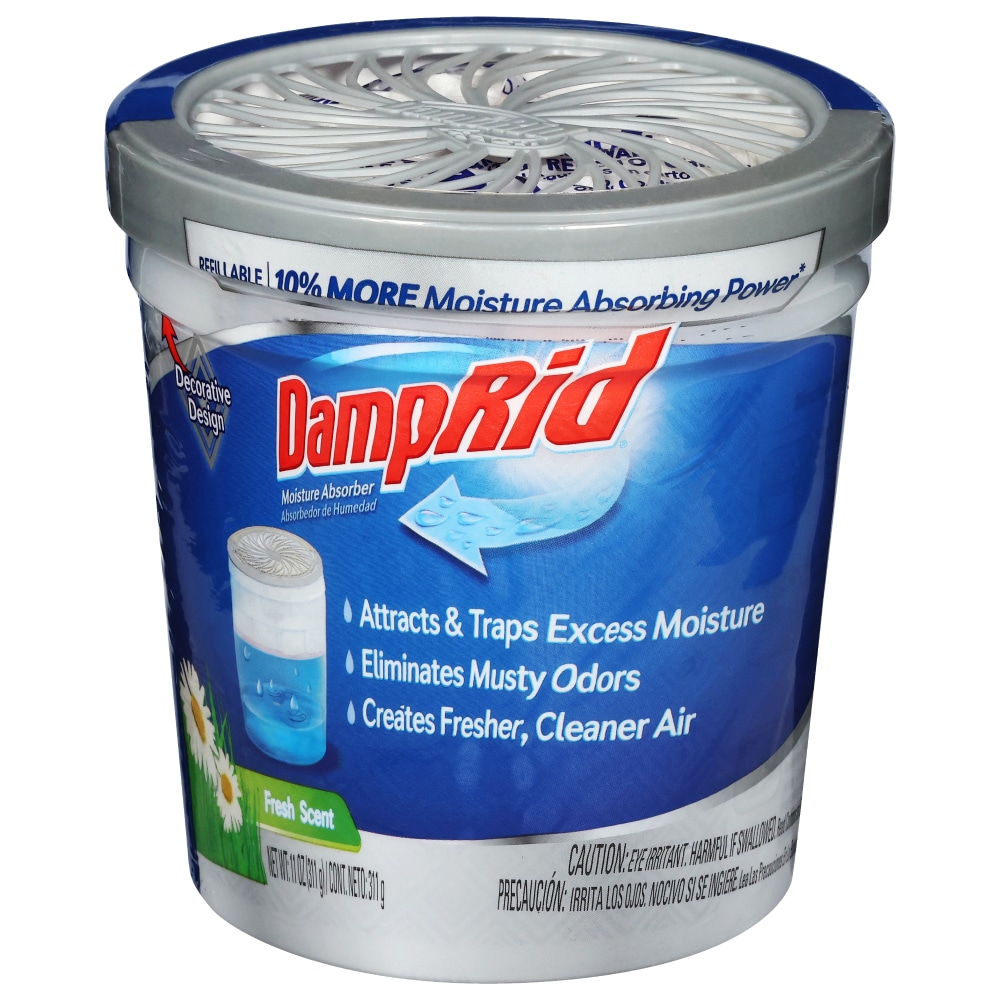
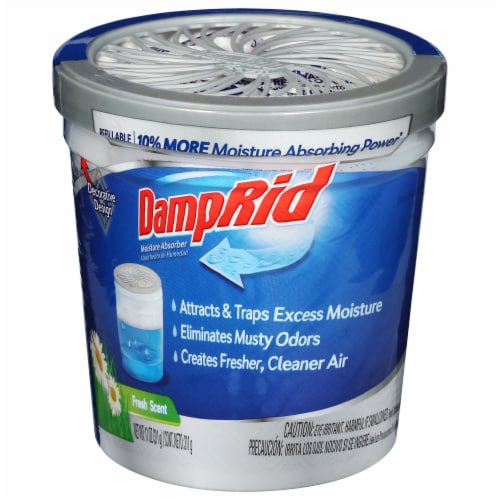
• Calcium chloride tub (10–12 oz): covers about 800–1,200 cu ft in moderate humidity
• Hi-capacity bucket (4 lb): about 4,000–6,000 cu ft in moderate humidity
• Silica gel bag (500 g): about 250–400 cu ft in moderate humidity
• Small canister (150–200 g, for safes): about 50–100 cu ft in moderate humidity
Step 3: Adjust for humidity
• Mild (50–60% RH): multiply by 0.8
• Moderate (60–70% RH): multiply by 1.0
• High (70–80% RH): multiply by 1.5
• Very high (80%+ RH or water intrusion): multiply by 2.0
Step 4: Adjust for air leaks and traffic
• Tight space (sealed bins, safes): multiply by 0.8
• Normal room: multiply by 1.0
• Leaky or busy space (basements, RVs, boats): multiply by 1.25
Final rule of thumb
• Units needed = Space volume ÷ Baseline coverage × Humidity factor × Leak factor
If you’re still wondering how many moisture absorbers do I need, this formula will give you a clear number within a safe range. It’s the same approach I use when I size out basements or RVs for clients.

Coverage guide by type (choose the right tool first)
Your answer to how many moisture absorbers do I need depends on the product. Different materials absorb at different speeds.
Calcium chloride (fast and high capacity)
• Best for bathrooms, basements, garages, laundry rooms, RVs, boats
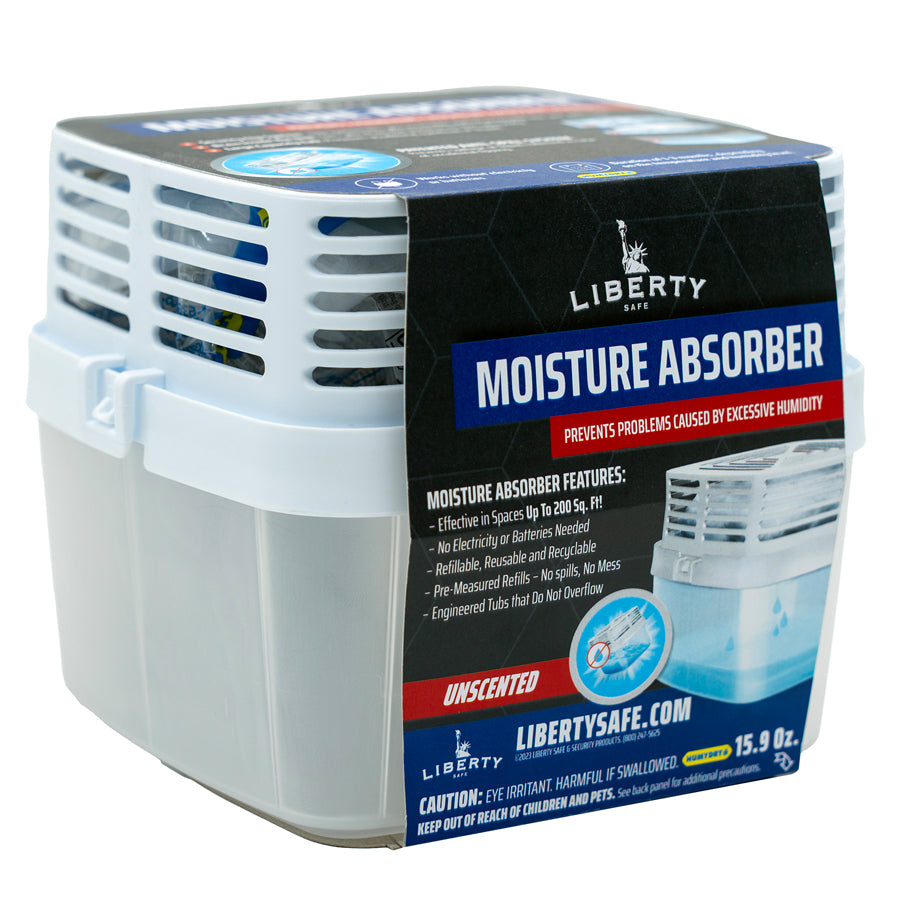
• Standard tub (10–12 oz): plan on 800–1,200 cu ft
• Hi-capacity bucket (4 lb): plan on 4,000–6,000 cu ft
Silica gel (rechargeable, clean, slower)
• Best for closets, safes, cabinets, cars, sealed storage
• 500 g bag: plan on 250–400 cu ft
• 150–200 g canister: plan on 50–100 cu ft
• Recharge in oven or wall unit per instructions
Clay/mineral (budget, mild needs)
• Best for small spaces with mild moisture
• 500 g brick: plan on 100–200 cu ft
Pro tip
• Use several small units spread out rather than one big one in a corner. It evens out moisture removal and works faster.
If you decide on the absorber type first, it becomes much easier to answer how many moisture absorbers do I need with confidence.
Room-by-room guide: how many moisture absorbers do I need?
Closet
• Example: 6 × 4 × 8 ft = 192 cu ft, moderate humidity
• Silica gel 500 g: 192 ÷ 300 ≈ 1 unit
• For coastal or damp homes, use 2 smaller units for better coverage
Bathroom
• Example: 8 × 5 × 8 ft = 320 cu ft, high humidity
• Calcium chloride tub: 320 ÷ 800 × 1.5 ≈ 0.6 → 1 tub
• If there’s no fan, consider 2 small tubs
Bedroom
• Example: 12 × 12 × 8 ft = 1,152 cu ft, moderate
• Calcium chloride tub: 1,152 ÷ 1,000 ≈ 1.1 → 1–2 tubs
• Use 2 if windows sweat or a humidifier runs at night
Basement
• Example: 800 sq ft × 8 ft = 6,400 cu ft, high humidity
• Hi-capacity buckets: 6,400 ÷ 5,000 × 1.5 ≈ 1.9 → 2–3 buckets
• Spread them out near exterior walls and utility corners
Garage
• Example: 20 × 20 × 10 ft = 4,000 cu ft, moderate and leaky
• Hi-capacity buckets: 4,000 ÷ 5,000 × 1.25 ≈ 1 → 1 bucket
• In very damp garages, go 2 buckets
RV or travel trailer
• Example: 30 × 8 × 7 ft = 1,680 cu ft, high humidity
• Calcium chloride tubs: 1,680 ÷ 1,000 × 1.5 × 1.25 ≈ 3.15 → 3–4 tubs
• Or use 6–7 silica gel bags (500 g) spread across zones
Boat cabin
• Example: 12 × 8 × 6 ft = 576 cu ft, very high humidity when docked
• Calcium chloride tubs: 576 ÷ 1,000 × 2.0 × 1.25 ≈ 1.4 → 1–2 tubs
Car
• Example: 300–400 cu ft total volume, mild to moderate
• Silica gel 500 g: 1 unit does the job
• If leaks or wet mats, use 2 units until dry
Gun safe
• Example: 15 cu ft, sealed
• Silica gel canister 200 g: 1 unit
• Recharge monthly or when indicator changes color
Storage bins and totes
• Example: 20-gallon bin ≈ 2.7 cu ft, sealed
• Silica gel packets: one 50–100 g packet per bin
If you’ve been asking how many moisture absorbers do I need for specific rooms, these examples cover the most common spaces I see.
Placement tips and common mistakes I see
I’ve tested dozens of setups. These small tweaks made the biggest difference in how many moisture absorbers do I need for a space.
Do this
• Elevate tubs on a tray so air can flow underneath
• Place units near problem areas: exterior walls, cold corners, behind furniture
• Split capacity across the room for even drying
• Use lids and refills as directed so brine doesn’t spill
Avoid this
• Hiding the only unit in a closet or tight shelf
• Letting brine overflow because you forgot to check
• Using a tiny canister in a giant room
• Parking units under a strong vent that blows air away
Personal note: In my own basement, two smaller buckets on opposite walls beat one big bucket in the middle. Dryness felt even, and musty smells faded faster. It also reduced the total count when deciding how many moisture absorbers do I need.
Refill timing, safety, and maintenance
How long they last
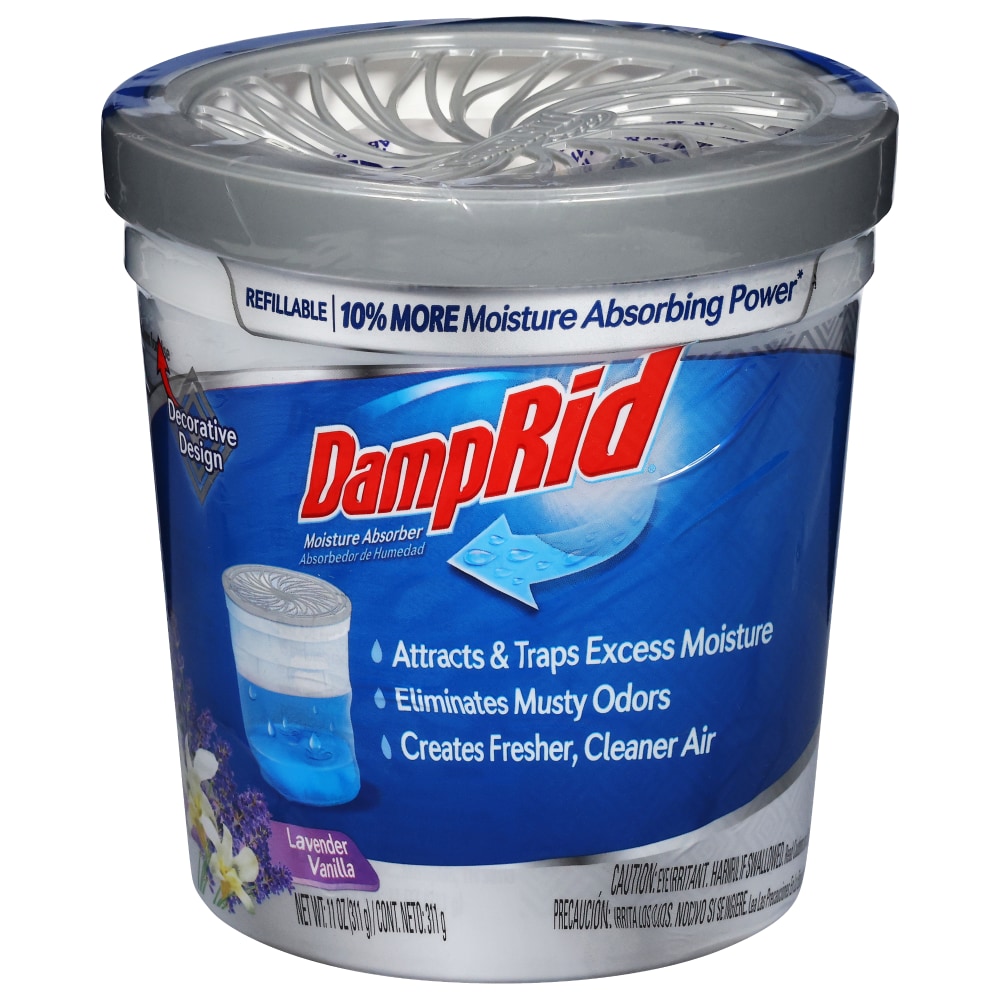
• Calcium chloride tubs: 1–2 months in moderate humidity, faster if damp
• Hi-cap buckets: up to 3–6 months, depends on season
• Silica gel: recharge every 2–6 weeks, based on color indicator
Safety and cleanup
• Keep brine away from pets, kids, metals, and wood finishes
• Empty and rinse trays before refilling to avoid residue
• Use a drip tray in cars, RVs, and boats to catch spills
When to upgrade to an electric dehumidifier
• If you need more than 3–4 hi-capacity buckets for a single room
• If condensation returns within days of refills
• If the question how many moisture absorbers do I need keeps growing every season
These checks help you keep count realistic and safe while getting the dry, fresh air you want.
Budget and product planning
Think in monthly cost and coverage. It streamlines how many moisture absorbers do I need while staying on budget.
For tight budgets
• Use silica gel in small, sealed spaces where you can recharge for free
• In closets and cars, one 500 g bag often replaces many disposable tubs over a year
For heavy moisture
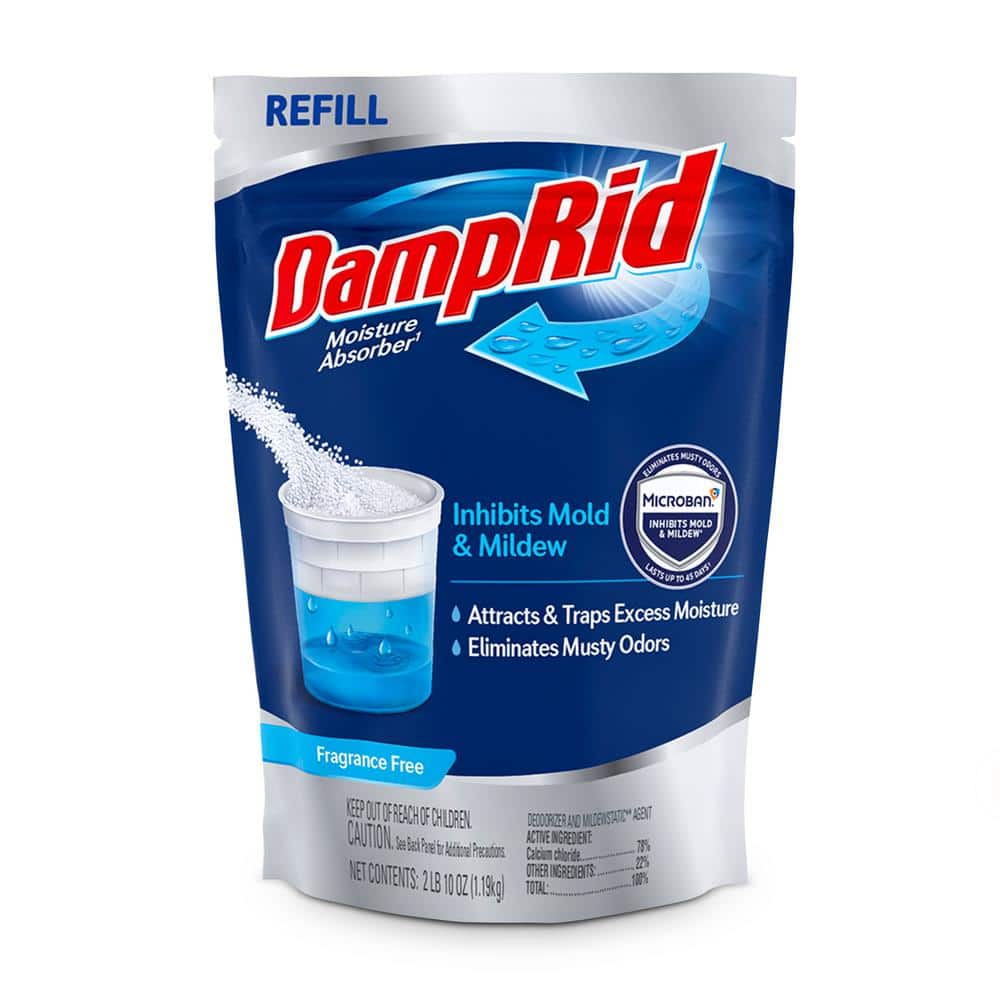
• Calcium chloride is cost-effective for basements, bathrooms, and garages
• Hi-cap buckets usually beat many small tubs on price and effort
Mix and match
• Silica gel for safes, cabinets, and bins
• Calcium chloride for rooms, RVs, and boats
• One electric dehumidifier for chronic, whole-space dampness
I track my refills in a note on my phone. It keeps costs steady and helps predict how many moisture absorbers do I need each season.
Frequently Asked Questions of how many moisture absorbers do I need
How do I calculate how many moisture absorbers do I need without a hygrometer?
Use the moderate setting in the formula and adjust later. If windows fog or musty smells linger, add 50% more coverage.
How many moisture absorbers do I need for a 10×10 room?
That’s about 800 cu ft. One calcium chloride tub works for moderate humidity, two for high humidity.
How many moisture absorbers do I need in an RV during storage?
Plan on 3–4 calcium chloride tubs for a 25–30 foot RV. Use more if you store near the coast or open the RV often.
Can I mix silica gel and calcium chloride in the same room?
Yes. Use silica gel in closets and drawers, calcium chloride in the open room. It balances speed and reuse.
How many moisture absorbers do I need for a gun safe?
One 150–200 g silica canister covers most safes. Recharge when the indicator shows saturation.
Conclusion
Sizing moisture control is easier than it looks. Measure your space, pick the right absorber type, adjust for humidity and leaks, then spread units for even coverage. If you still wonder how many moisture absorbers do I need, use the simple formula here and start with a safe minimum, then fine-tune after a week.
Take action today. Measure one space, place the right number of absorbers, and set a refill reminder. Want more tips like this? Subscribe, share your results, or drop a question in the comments.