

Open the canister, replace or dry the beads, then reseal and reassemble.
If you want to learn how to refill rechargeable moisture absorber the right way, you’re in the perfect spot. I’ve refilled and revived dozens of units in closets, cars, gun safes, and RVs. I’ll show you simple steps, smart safety tips, and the exact tools to use so your desiccant lasts longer and works better.

What is a rechargeable moisture absorber?
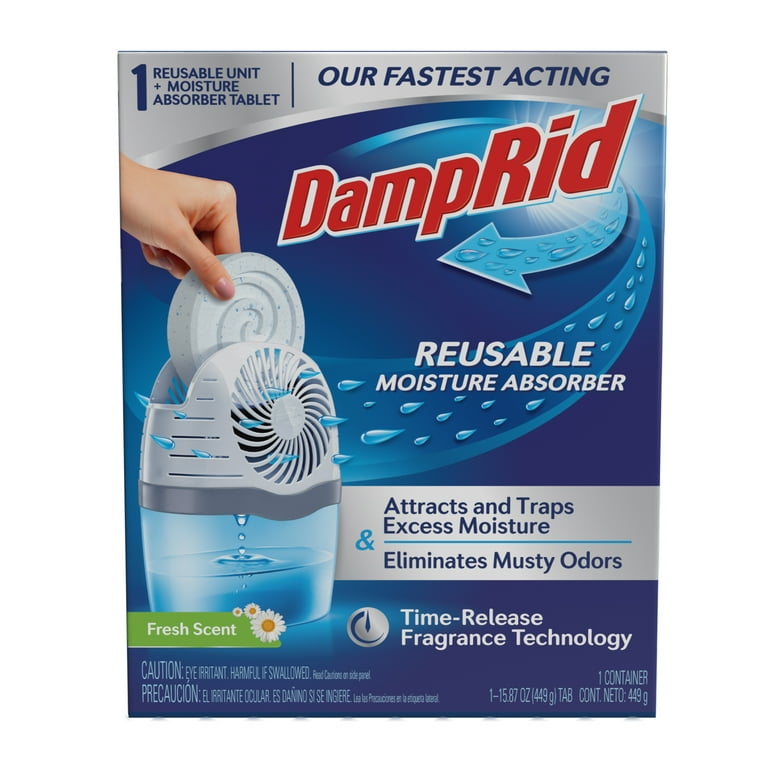
A rechargeable moisture absorber is a small device that traps water vapor. It uses desiccant beads, usually silica gel, to pull moisture from the air. Some models plug in to dry the beads. Others open up so you can refill the beads.
Most home units use silica gel. The beads may change color to show when they are full. Some models use calcium chloride crystals, which are refillable but not rechargeable. Knowing which one you own makes how to refill rechargeable moisture absorber simple and safe.
Safety and prep before you refill
A little prep makes the job quick and clean. Always read your product manual first. Not all units are made to open. If it is sealed, do not force it.
Have these items ready:
- Bulk silica gel beads, 2–5 mm, preferably indicating and cobalt-free
- Small funnel or paper cone
- A soft brush and dry cloth
- Screwdriver, if your unit has screws
- Nitrile gloves and eye protection
- Zip bag or jar for storing spare beads
- A baking sheet and foil, if you plan to dry beads in the oven
Key safety notes:
- Do not mix bead types. Keep old and new beads the same.
- Keep beads away from kids and pets.
- Avoid overheating. Follow the temperature limits in the manual.
These basics set you up for success when you follow how to refill rechargeable moisture absorber from start to finish.

Step-by-step: how to refill rechargeable moisture absorber
Use these steps for most canister or vented units that open. If your model has a plug and no opening, skip to the drying section.
-
Identify your desiccant
Check if the device uses silica gel beads or calcium chloride. The process for how to refill rechargeable moisture absorber depends on this. We focus on silica gel first. -
Open the housing
Set the unit on a towel. Remove screws or twist the cap to open. Note how the screens or mesh sit. -
Empty old beads
Pour beads into a bowl. If they are still good, you can dry and reuse them. If they are worn or dusty, discard them in the trash. -
Clean the unit
Brush away dust. Wipe with a dry cloth. Make sure the vents and mesh are clear. -
Refill with silica gel
Use a funnel to add beads to the fill line. Do not pack too tight. Air must flow around the beads. -
Reseat the mesh and close
Align the screens. Close and secure the housing. Shake gently to level the beads. -
Label and track
Mark the date on a small piece of tape. This helps you plan when to dry or refill next.
Practical tip: When I show friends how to refill rechargeable moisture absorber, I tell them to keep a small jar of spare beads nearby. It saves time and keeps the routine easy.
Recharging or drying the desiccant
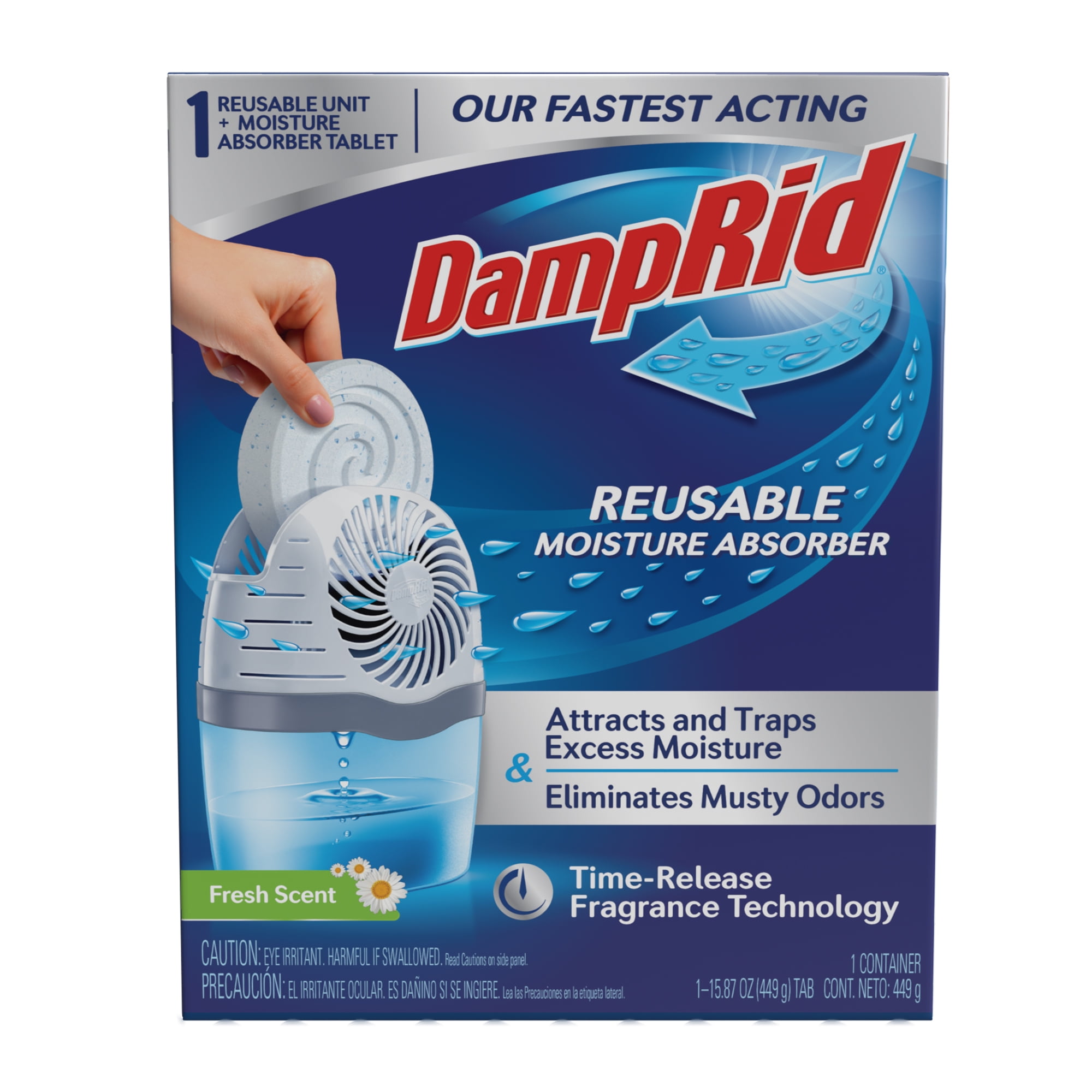
If your unit says rechargeable, it likely uses built-in heat to dry the beads. If not, you can dry loose beads in the oven. This step makes how to refill rechargeable moisture absorber more cost-effective over time.
Ways to dry silica gel beads:
-
Plug-in base
Place the unit on its base and plug in per the manual. Drying often takes 8–12 hours. Unplug and cool before use. -
Oven method for loose beads
Spread beads on a foil-lined tray. Bake at 225–250°F (105–120°C) for 2–3 hours. Stir once halfway. Let cool in a dry container. -
Microwave method only if allowed
Some beads and containers are not microwave-safe. Check the manual. Use short bursts and monitor closely to avoid damage. -
Sun and airflow
This is slow and not always complete, but it can help in a pinch. Use bright sun and low humidity.
Color indicators:
- Orange to green means wet to dry in many cobalt-free beads.
- Blue to pink is common in older beads.
- If colors do not change, time them by hours and test performance.
If you are learning how to refill rechargeable moisture absorber on a calcium chloride unit, you do not recharge. You empty the collected brine, rinse the tray, and add fresh crystals. Wear gloves and avoid metal contact with the brine.

Troubleshooting and common mistakes
If the unit still fogs up windows or smells musty, it may not be full or dry. Here are fixes that work for me.
Common issues:
-
Weak performance
You packed beads too tight or used too few beads. Refill to the line and leave space for air. -
Beads look clumpy or sticky
That is calcium chloride or moisture contamination. Replace with fresh silica gel. Keep storage sealed. -
Overheating and smells
You baked too hot. Lower the temperature next time. This is a key tip for how to refill rechargeable moisture absorber without damage. -
No color change
Check the bead type. Some beads do not change color. Time the drying or weigh beads to confirm water loss. -
Condensation still forms
You may need more than one unit. Place one high, one low, or use a small fan for light circulation.
Maintenance schedule and when to replace
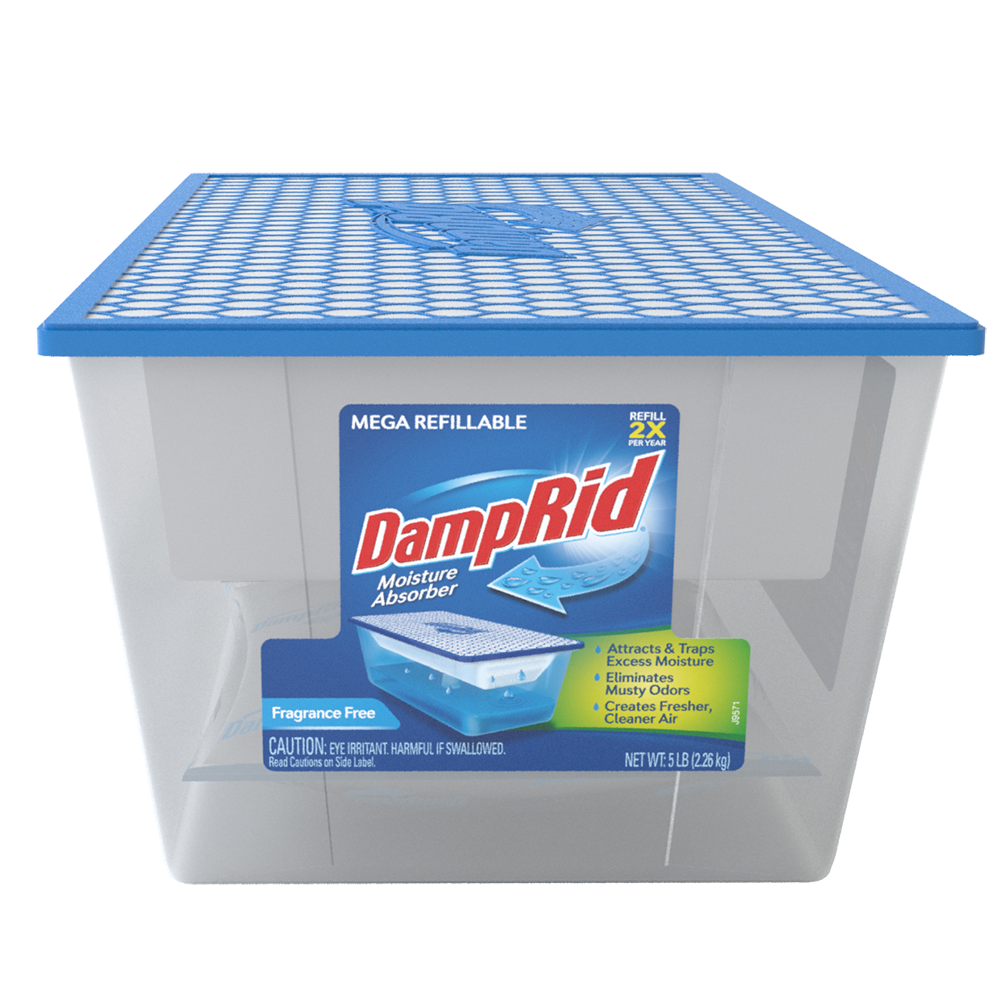
How often you dry or refill depends on humidity and space size. Track performance instead of setting a fixed date.
Smart habits:
- Check weekly in wet seasons, monthly in dry seasons.
- Dry silica gel when color shows wet or beads feel heavy.
- Replace beads if they break down into dust.
- For calcium chloride, empty brine when the tray is near full.
- Store spare silica gel in an airtight jar with a gasket lid.
A simple rule I use when teaching how to refill rechargeable moisture absorber is the 3-point check. Look at color, feel the weight, and note any musty smell. If two of the three are off, it is time to dry or refill.

Real-world examples and pro tips
Here are quick wins based on common spaces I manage.
Closets and dressers:
- Use a small canister up high on a shelf.
- Dry beads every 3–4 weeks during rainy months.
- Keep shoes dry; the device lasts longer.
Gun safes and camera cabinets:
- Place the unit near the door seam.
- Add a second pack near the bottom.
- This shows how to refill rechargeable moisture absorber can protect gear that hates moisture.
Cars and RVs:
- Use two units. One under a seat, one in the trunk or storage bay.
- Dry them right after road trips in wet weather.
Basements and storage bins:
- Pair a desiccant with airflow.
- Label the bin with the last recharge date.
These small habits make how to refill rechargeable moisture absorber feel easy and routine. You save money, and your stuff stays in great shape.

Frequently Asked Questions of how to refill rechargeable moisture absorber
Can I mix old and new silica gel beads?
You can, but try to keep bead sizes the same. Different sizes can pack unevenly and restrict airflow.
How often should I dry or recharge the beads?
Plan every 2–6 weeks based on humidity and use. Rely on color change or weight as your main signal.
Is calcium chloride the same as silica gel?
No, calcium chloride dissolves into brine and cannot be recharged. Silica gel holds water in pores and can be dried many times.
What temperature is safe for oven drying?
Most silica gel dries well at 225–250°F (105–120°C) for 2–3 hours. Always follow your product’s instructions to avoid damage.
Can I microwave my moisture absorber?
Only if the manual says it is microwave-safe. Many housings and beads are not designed for microwaves.
What if my beads never change color?
Some beads are non-indicating. Track drying time, or weigh a small sample before and after drying to confirm water loss.
Is the liquid from calcium chloride harmful?
It is a salty, corrosive brine. Wear gloves, avoid metal surfaces, and rinse spills with plenty of water.
Conclusion
You now know how to refill rechargeable moisture absorber with confidence. Identify your desiccant, prep your tools, refill with clean beads, and dry them on a steady schedule. Small steps keep moisture under control and your things safe.
Try the steps on one unit today. Note your results and fine-tune the routine for your space. If this guide helped, share it with a friend, subscribe for more simple home care tips, or drop your questions in the comments.