

Eco-friendly moisture absorbers cut damp, fight mold, and reduce odors without harsh chemicals.
If you want a dry home without waste or fumes, you are in the right place. I test, install, and compare eco-friendly moisture absorbers in closets, basements, vans, and rentals. In this guide, I break down what works, why it works, and how to use it well. You will get simple steps, real results, and clear picks for your space.

How moisture harms your space and how eco-friendly moisture absorbers help
Moist air creeps in and causes mold, rust, and bad smells. It can warp wood floors and swell doors. It can also make dust mites thrive. That is a pain for lungs and skin.
Eco-friendly moisture absorbers pull water from air and lock it in. They can lower damp in small spots fast. They help keep indoor humidity near 30% to 50%. That is the sweet zone for health and comfort.
Tests show that mold grows fast when humidity stays above 60%. I saw this in a client’s lake cabin. After we placed eco-friendly moisture absorbers, smell dropped in two days. The walls stayed clean for months.

Why eco-friendly moisture absorbers matter
Many old products use harsh salts or plastic tubs you toss out. That creates waste. It can also leak brine and harm floors. Some can off-gas scents that bother kids and pets.
Eco-friendly moisture absorbers cut waste and risk. Most can be reused, recharged, or composted. Some come in cotton bags. Others use glass jars. That is less trash for landfills and less stress for you.
You also save cash over time. Refill packs and recharge steps cost far less than new tubs. I track costs for clients, and reuse beats toss-away gear by a wide margin in a year.
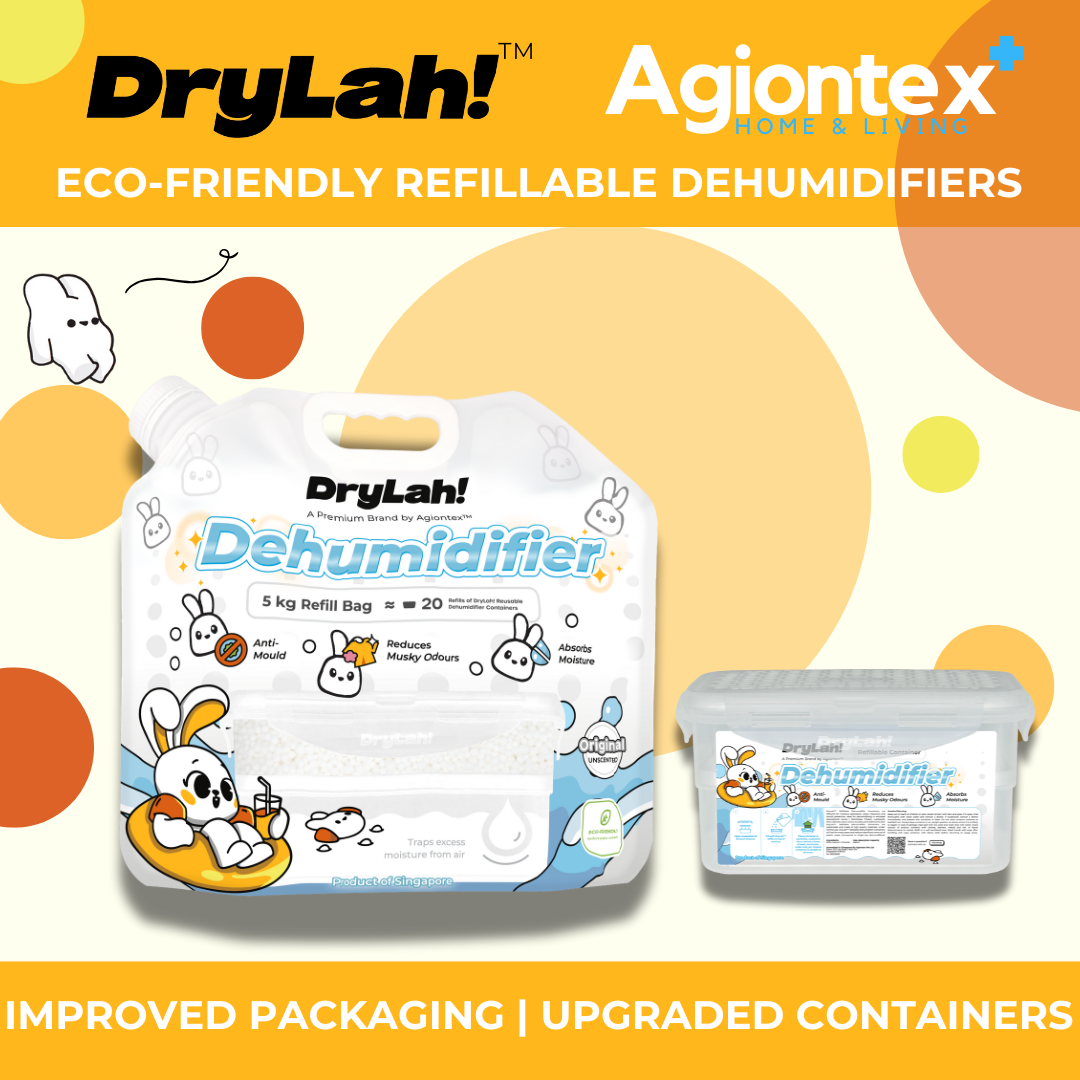
Types of eco-friendly moisture absorbers
There is no one-size fix. Each type has a sweet spot. Here are the top picks I trust and use.
Bamboo charcoal (activated carbon)
- Great for closets, shoes, cars, and pet zones.
- Adsorbs moisture and odors at once.
- Can be recharged in sun for a few hours.
- Lasts six to twelve months with care.
Silica gel (reusable, non-indicating or dye-free)
- Strong at low humidity.
- Good for bins, safes, cameras, and tools.
- Recharges in an oven at low heat.
- Choose dye-free beads for a safer, greener pick.
Natural clay desiccants
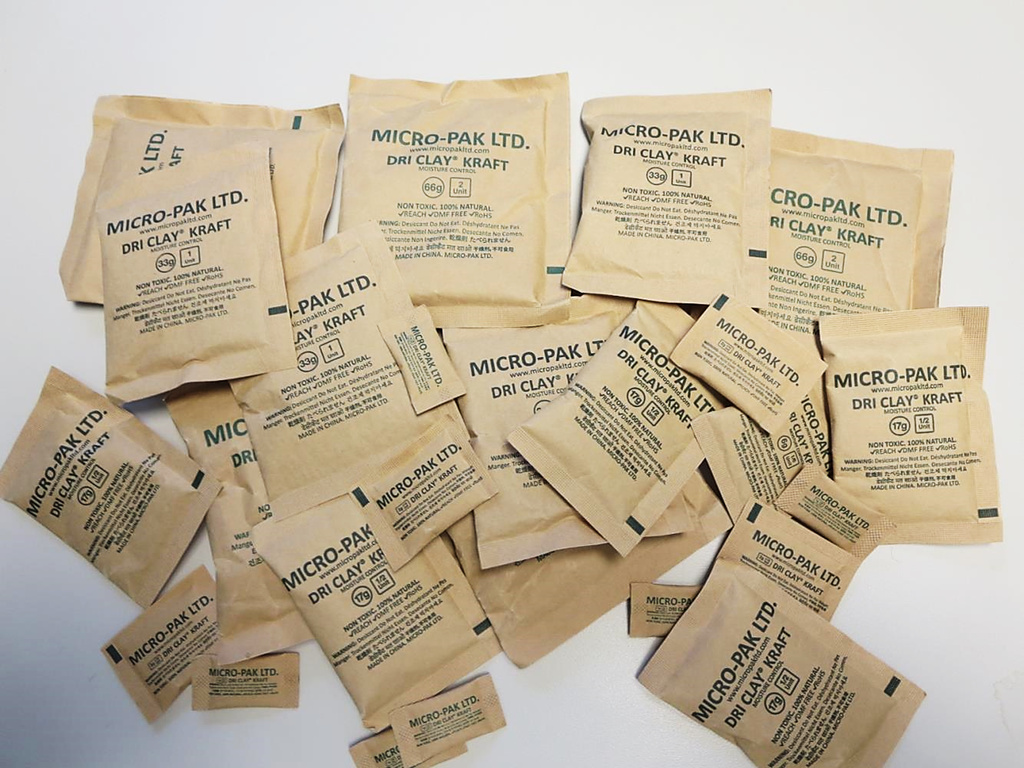
- Made from bentonite or similar clays.
- Good for drawers and pantries.
- Reusable and low cost.
- Stable and mess-free.
Baking soda
- Good for small smells and damp in fridges or cabinets.
- Low cost and easy to find.
- Works best in small, closed spots.
- Replace every one to two months.
Rock salt or sea salt
- Pulls a lot of water in damp rooms.
- Works in a jar with holes at the top.
- Needs a drip tray to catch brine.
- Use with care around metal and wood.
Eco-friendly moisture absorbers vary in speed and hold. Charcoal and silica gel shine for reuse. Salt pulls fast but can leak. Clay sits in the middle and is very safe.

How to choose the right absorber for your space
Match the tool to the job. Size, humidity, and airflow all matter. Use this simple grid.
- Tiny spaces like drawers or shoe boxes: silica gel, baking soda, or small charcoal bags.
- Medium spaces like closets and pantries: bamboo charcoal or clay packs.
- Large rooms or damp basements: larger charcoal bags, rock salt jars, plus airflow help.
- Gear cases, optics, and safes: silica gel canisters.
Think about reuse too. If you can recharge in the sun or oven, pick charcoal or silica gel. If you want a one-ingredient fix, use baking soda for small spots. For a cheap boost, rock salt in a safe tray can help.
Setup and usage guide
You do not need tools. You need a plan and good placement.
- Measure the room if you can. A cheap humidity meter helps a lot.
- Place eco-friendly moisture absorbers high for warm air or near the smell source.
- Do not block them. Give each bag a few inches of air around it.
- Use two or more in big rooms for even results.
- Check them weekly at first. Then set a refill or recharge schedule.
I aim for 45% to 50% humidity in closets. In a client’s RV, two charcoal bags by the bed and one silica can in the drawer cut the musty smell in two days.

DIY eco-friendly moisture absorber recipes
You can make your own with simple items at home. These cost very little and work well.
Rock salt jar
- Fill a glass jar halfway with coarse salt.
- Cover the top with cloth and a ring so air can pass.
- Sit the jar on a saucer to catch any drips.
- Swap salt when it turns wet or clumps hard.
Baking soda cup
- Pour baking soda into a small bowl or cup.
- Place it in a cabinet or fridge.
- Stir once a week for fresh surface area.
- Replace every month or two.
Rice and charcoal bag
- Mix uncooked rice with a small amount of bamboo charcoal granules.
- Pour into a cotton sock or muslin bag and tie.
- Recharge the bag in sun once a month.
Silica gel canister refill
- Buy bulk, dye-free silica beads.
- Fill a vented tin or small metal tea tin.
- Add a fine mesh layer so beads do not spill.
- Recharge in an oven per the bead guide.
These DIY eco-friendly moisture absorbers are simple, cheap, and low waste. Label each bag with the date so you know when to refresh.
Care, recharging, and end-of-life
Care is easy and saves money.
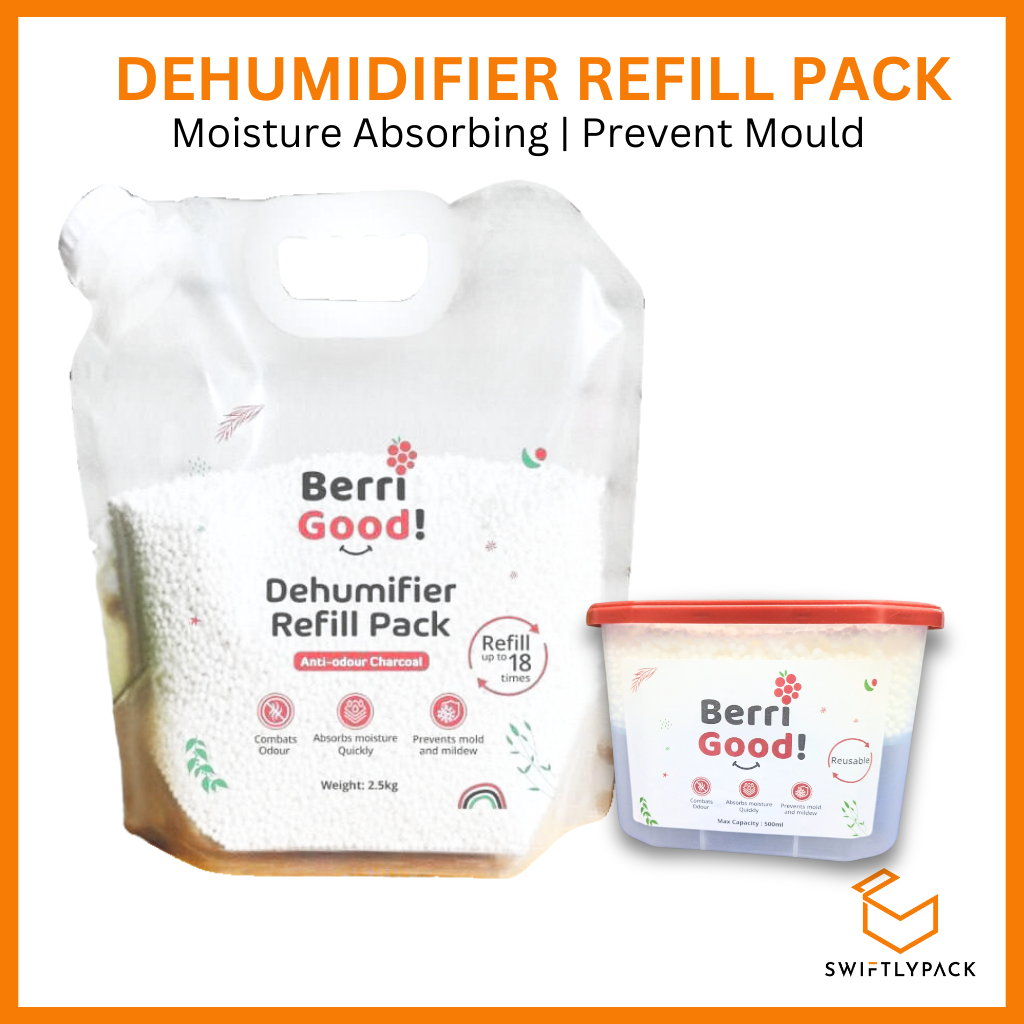
- Bamboo charcoal: place in sun for two to four hours to recharge. Do this every month.
- Silica gel: dry in an oven at low heat per maker notes. Store dry when not in use.
- Clay: air dry packs in a warm, dry spot. Replace when they lose hold.
- Baking soda: compost or use to scrub sinks when spent.
- Rock salt: do not pour brine on plants. Dispose of brine in a drain with lots of water.
When bags are done, recycle or compost the fabric if the label allows. Many charcoal bags can go into soil to help with odors. That is a neat second life.

Safety, allergies, and indoor air quality
Most eco-friendly moisture absorbers are low risk. They have no strong scent and no fumes. That helps folks with asthma or scent triggers.
Keep salt or beads away from kids and pets. Use child-safe jars or bags that do not tear. For ovens, follow the heat guide on the beads to avoid damage. Use a timer to stay safe.
A good indoor range is 30% to 50% humidity for comfort. Some rooms need up to 60% in winter. A small meter helps you stay in range and avoid mold and dry air.
Cost, performance, and environmental impact
Let’s talk numbers in plain terms.
- Upfront cost: charcoal and silica kits cost more at first than baking soda.
- Long term: reusable bags and canisters pay for themselves after a few cycles.
- Speed: salt pulls fast in very damp air, but it can leak brine. Charcoal and silica are cleaner.
- Waste: reusable options cut plastic waste a lot. DIY jars reuse glass and cloth.
I ran a year-long test in a damp basement room. Two large charcoal bags and one silica can did the job for under the price of three throwaway tubs. The trash bin stayed light too.
Best places and scenarios to use eco-friendly moisture absorbers
You can place eco-friendly moisture absorbers in many parts of your home and life.
- Closets and wardrobes: stop musty clothes and protect leather.
- Bathrooms without fans: reduce fog and mildew on grout.
- Basements and crawl spaces: pair with a fan or a small dehumidifier.
- Pantries: help keep dry goods crisp and reduce odors.
- Cars, vans, boats, and RVs: tame damp after rain or storage.
- Gear cases: keep cameras, lenses, and tools rust-free.
Move bags with the seasons. In summer, use more in basements. In winter, watch closets near outside walls. That simple shift helps a lot.
Frequently Asked Questions of eco-friendly moisture absorbers
Do eco-friendly moisture absorbers replace a dehumidifier?
No, not in very damp rooms. They are great for small areas or as a helper in tight spots.
How long do bamboo charcoal bags last?
Most last six to twelve months. Recharge in the sun each month to keep them strong.
Are silica gel beads safe for food areas?
Use food-safe, dye-free beads near dry goods. Keep the beads in sealed, vented canisters.
Can I dry silica gel in a microwave?
Some can, but many cannot. Check the maker’s guide to avoid melting the beads or the bag.
Do eco-friendly moisture absorbers remove odors too?
Yes, charcoal shines for smells. Baking soda helps as well, while silica gel mainly targets moisture.
What humidity level should I aim for at home?
Aim for 30% to 50%. Stay under 60% to reduce mold and dust mites.
Conclusion
Eco-friendly moisture absorbers give you a dry, fresh home without waste or harsh stuff. They are simple to set up, easy to maintain, and kind to your budget. From closets to vans, they just work.
Pick one type, place it well, and track your results with a small meter. Try a bamboo charcoal bag in a closet or a silica can in a safe this week. Share your wins, ask a question, or subscribe for more hands-on home tips.