

Keep packets sealed, out of reach, and away from food. Wear gloves for spills.
If you live with damp closets, foggy windows, or musty basements, you’ve likely tried desiccants. I’ve used them in homes, boats, and storage rooms for years. This guide breaks down moisture absorber safety precautions in clear steps, with real examples, so you can protect your space without risks. Stay with me, and you’ll learn what to use, where to place it, and how to handle leaks like a pro.
What moisture absorbers are and why safety matters
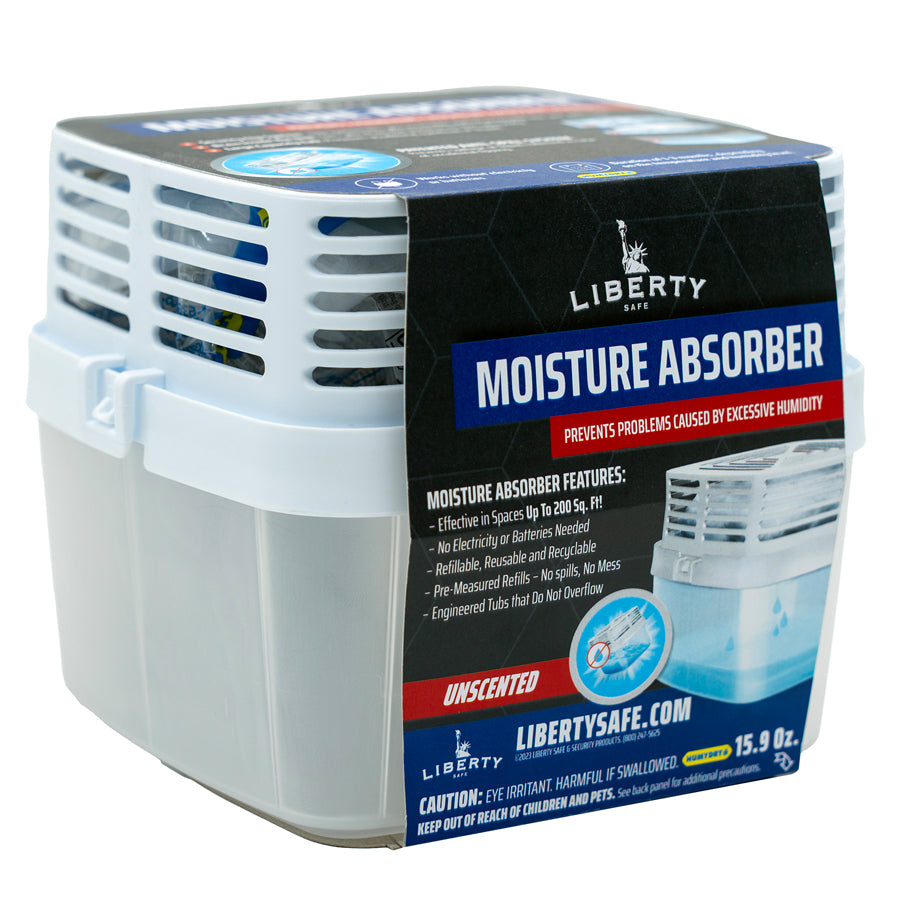
Moisture absorbers pull water from the air. The most common types are calcium chloride crystals, silica gel beads, and clay or charcoal packs. They help with mold, odors, and damp gear. But they can also irritate skin, corrode metal, or tempt pets.
Moisture absorber safety precautions are not hard. Yet small misses, like a leaky tub or an open pouch, can cause big messes. Calcium chloride brine can burn skin and stain floors. Silica gel is a choking risk for kids and pets. With the right steps, you get the benefits and avoid the pain.
Here is a quick map of what we will cover:
- What each type is good for
- Core moisture absorber safety precautions you should follow
- Kid and pet safety
- Spill cleanups and first aid
- Storage, disposal, and eco tips

Core moisture absorber safety precautions: a simple checklist
Think of this as your quick checklist. I use it in every job site and home walkthrough.
- Read the label first. Check hazards, placement, and how to dispose of it.
- Keep sealed until use. Never cut or pierce packs or tubs.
- Place on a stable, level surface. Use a tray under tubs to catch leaks.
- Keep away from food, dishes, and pet bowls. Store in a dry cabinet.
- Wear gloves when you handle crystals or brine. Wash hands after.
- Keep out of reach of kids and pets. Use high shelves or closed closets.
- Ventilate. Do not use in tiny sealed spaces with people or animals inside.
- Keep away from metal. Calcium chloride brine is very corrosive.
- Do not mix with other chemicals. No bleach, no cleaners, no DIY combos.
- Check often. Replace or empty before it overflows.
Using these moisture absorber safety precautions in daily life prevents 90% of the problems I see.
Know your type: risks and best uses
Different products call for different moisture absorber safety precautions. Pick the right type for the job.
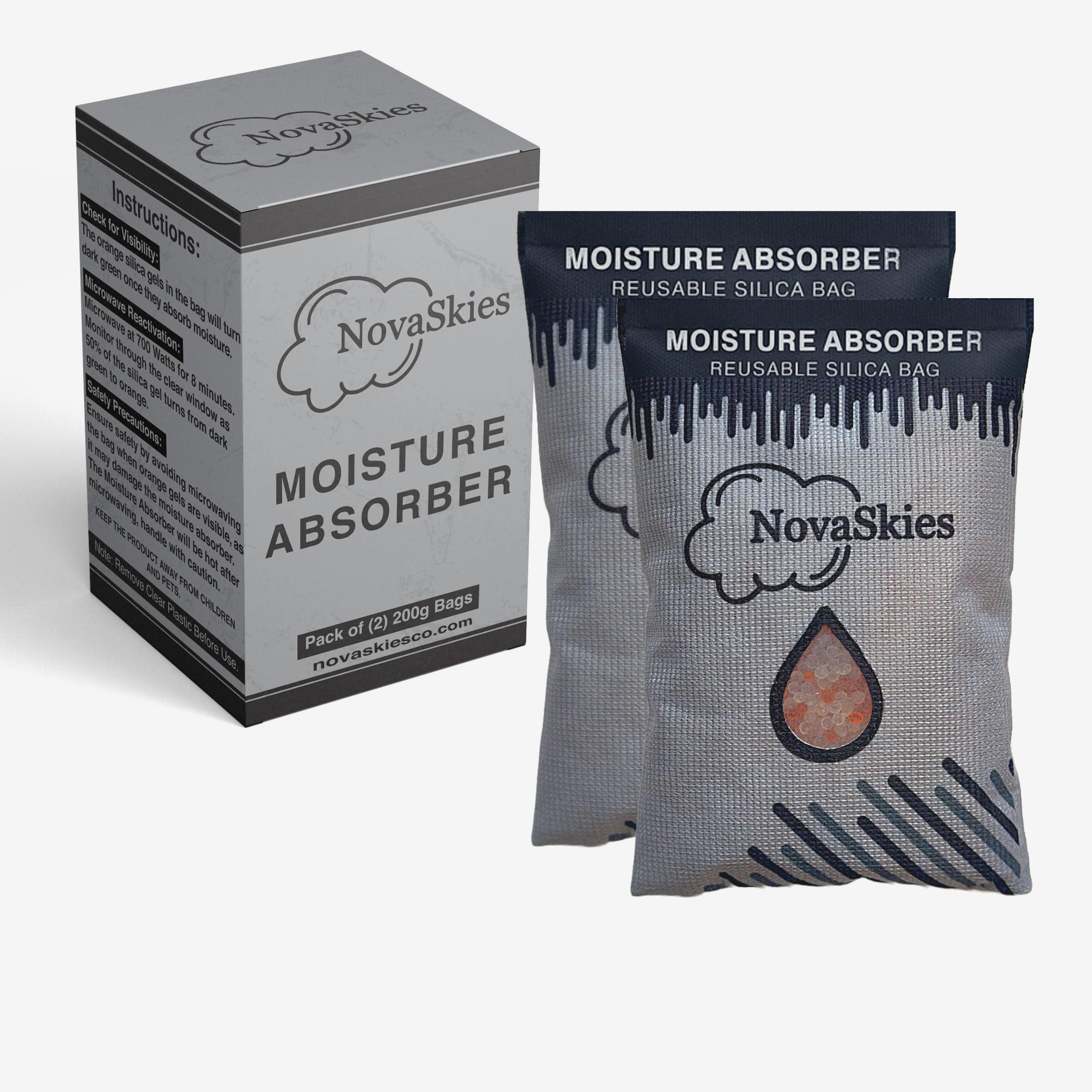
Silica gel
- Low hazard but a choking risk. Some beads turn color with a moisture indicator.
- Older blue indicators may contain cobalt salts. Treat those with extra care.
- Best for small closed spaces like camera cases, shoe boxes, and electronics.
Calcium chloride crystals or tubs
- Very effective in basements, garages, boats, and RVs.
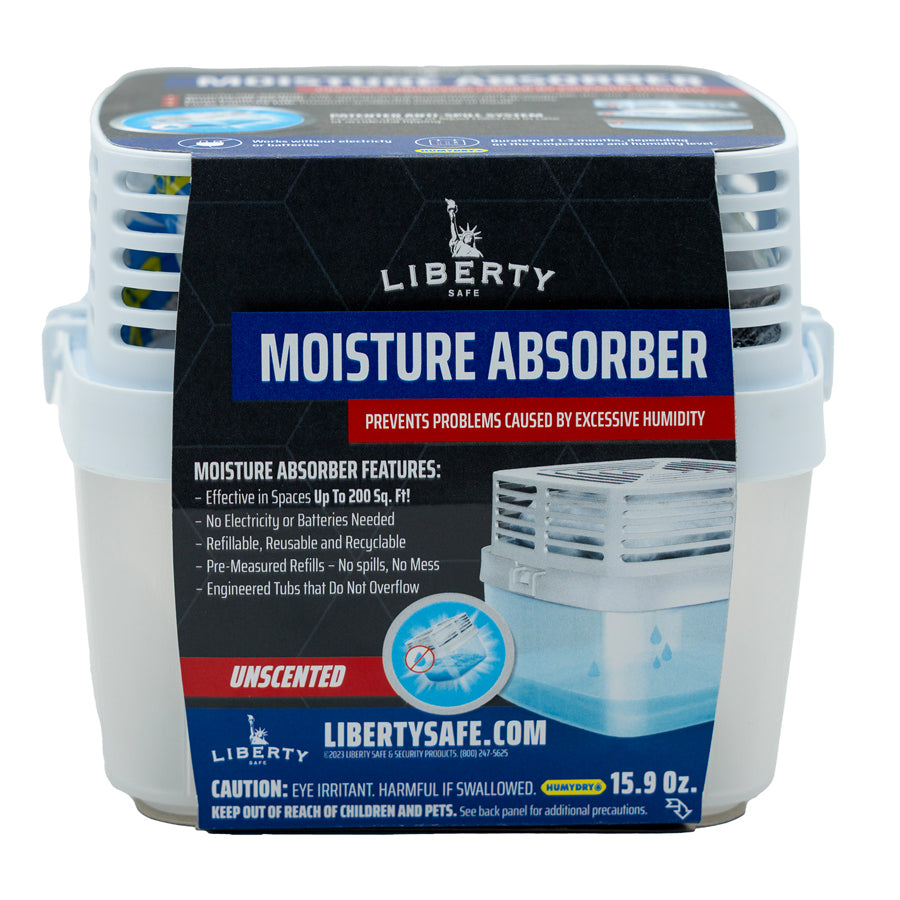
- Turns into a salty brine that can burn skin and corrode metal and concrete.
- Keep in a leak-proof tub with a tray. Empty before full.
Clay or charcoal desiccants
- Mild and simple. Good for closets and drawers.
- Not as strong as calcium chloride for wet basements.
- Still keep away from kids and pets.
Reusable canisters or rechargeable packs
- Can be “recharged” in an oven or with a plug-in base.
- Follow temperature limits to prevent damage or fire risk.
When in doubt, start small, monitor, and scale up. That one habit is a top-tier moisture absorber safety precaution.
Placement and storage best practices
Good placement is half the win. Poor placement is the top cause of leaks and stains.
Where to place
- Basements and garages: elevated shelf with a tray, away from metal tools.
- Closets: lower shelf in a protected bin, not near clothes that touch the tub.
- Bathrooms: out of splash zones and off the floor if you have radiant heat.
- Cars and RVs: fix leaks first. Place tubs low but stable, not on bare metal.
Where not to place
- Near heaters, radiators, or vents.
- On unfinished wood that can stain.
- On electronics, under leaky pipes, or next to food.
Storage tips
- Keep unopened packs in a sealed bin with a tight lid.
- Label the bin. Add date of purchase and type.
- Store away from detergents or chemicals to avoid mix-ups.
These choices reflect practical moisture absorber safety precautions that cut risk and save money.
Kids, pets, and vulnerable users
If curious hands or paws live with you, raise your guard. I’ve seen cats bat silica beads and dogs chew pouches. Plan like they will try it.
Key moisture absorber safety precautions for families
- Place products high and out of sight. Closed cabinets beat open shelves.
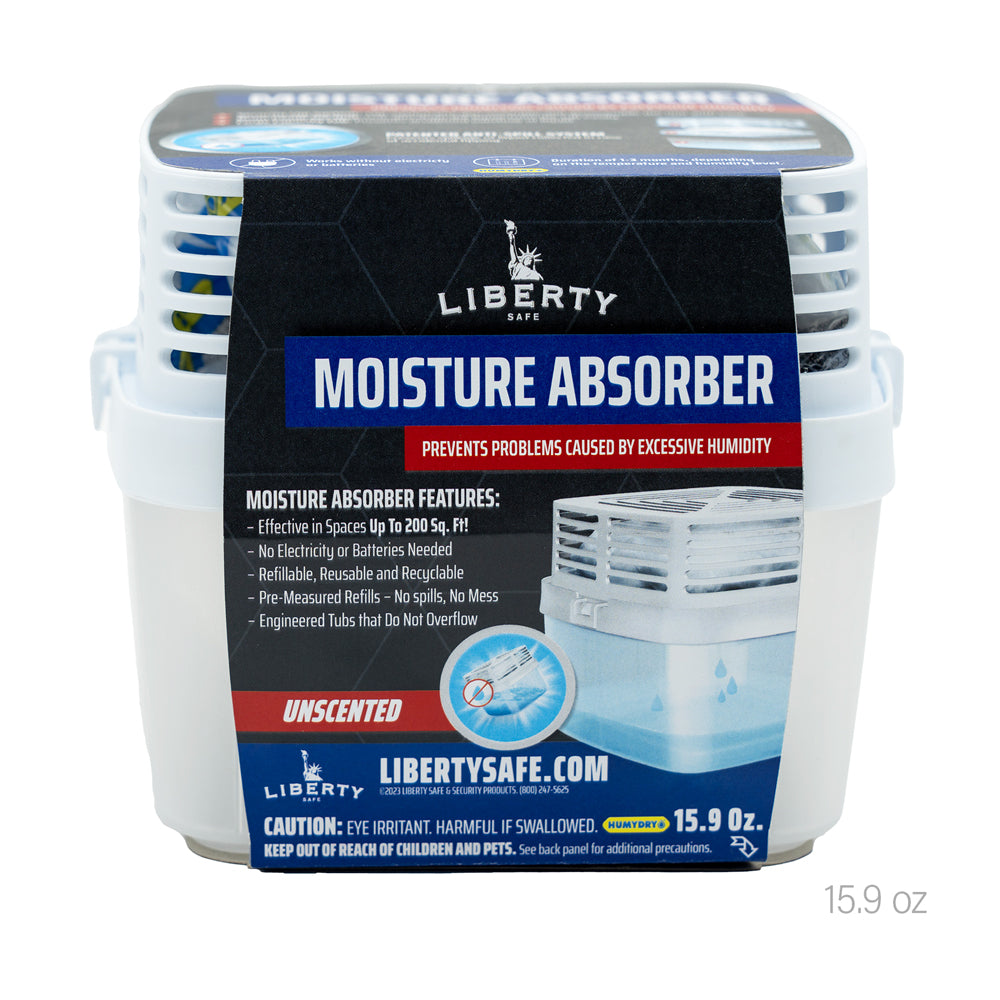
- Use hard canisters over soft pouches. Choose child-resistant lids when possible.
- Never leave used tubs on the floor. The brine is tempting and dangerous.
- For elder care settings, post a simple sign: Do not move or open desiccants.
If you suspect a child or pet swallowed any product
- Do not induce vomiting.
- Rinse the mouth with water. Give a small amount of water or milk if advised.
- Call your vet or poison control right away. Have the product label in hand.

Spill cleanup and first aid
Even with great moisture absorber safety precautions, spills happen. Act fast and calm.
For calcium chloride brine
- Wear gloves. Avoid skin and eye contact.
- Soak up with paper towels or old rags. Do not wring into a sink with metal parts.
- Rinse the area with plenty of water. Dry well to prevent corrosion.
- For clothes or fabric, rinse, then wash right away.
For silica gel beads or clay
- Sweep or vacuum beads. Keep pets out of the room.
- If beads are the blue indicator type, use gloves and avoid dust.
- Dispose in the trash per the label.
First aid basics
- Skin contact: rinse with cool water for 15 minutes. Remove wet clothing.
- Eye contact: flush eyes with clean water for 15 minutes. Seek medical help.
- Ingestion: do not force vomiting. Call poison control or a doctor. Share the label details.
Post a small spill card near your storage area. That is one of the most effective moisture absorber safety precautions you can take.
Disposal, recycling, and eco-minded choices
Disposal rules vary by town. Check local guidance before you toss.
General rules
- Do not pour calcium chloride brine on plants, concrete, or soil. It can burn and corrode.
- Many areas allow small amounts down the drain with lots of water. Confirm first.
- Rinse empty plastic tubs. Recycle if the number is accepted locally.
Eco-smart moves
- Choose silica gel or clay for light jobs. Use calcium chloride only when needed.
- Pick refillable systems to cut plastic waste.
- Use a dehumidifier for large chronic damp. It can be more efficient over time.
Follow the label and local rules as part of your moisture absorber safety precautions.
Smart alternatives and when to use a dehumidifier
Moisture absorbers are tools, not cures. If humidity is high, tackle the source.
Good alternatives
- Fix leaks, add gutters, and slope soil away from the house.
- Run exhaust fans in kitchens, baths, and laundry rooms.
- Use a dehumidifier with a hygrometer. Aim for 40–50% relative humidity.
When to pick a dehumidifier
- If you empty tubs every week, a dehumidifier will likely cost less long term.
- If you have allergy, mold, or asthma issues, active drying is better.
- If your space is large or always damp, go mechanical.
Pairing a dehumidifier with basic moisture absorber safety precautions gives the best results for many homes.
Maintenance, monitoring, and common mistakes I see
Set a simple routine. It takes minutes and prevents damage.
What to check monthly
- Fill level on tubs. Empty before the line.
- Signs of corrosion on nearby metal.
- Floors or shelves for stains or soft spots.
Common mistakes
- Placing tubs on bare wood or metal.
- Letting brine touch concrete or tools.
- Storing near pet food or treats.
- Opening packs “to make them work faster.”
My field note: small trays under every tub have saved countless floors. It is a humble, high-impact moisture absorber safety precaution.
Frequently Asked Questions of moisture absorber safety precautions
Are moisture absorbers safe around food storage?
Keep them near but not in contact with food or dishes. Store and use them on a separate shelf to prevent contamination.
Can I use moisture absorbers in my car all year?
Yes, if you secure them and check often. Empty or replace before long hot spells to avoid leaks and odors.
What happens if my pet eats silica gel?
Most plain silica gel is low toxicity but can be a choking risk. Call your vet and monitor for vomiting, choking, or lethargy.
Will calcium chloride damage my floor?
Yes, the brine can stain wood and corrode metal. Use a tray and place it on a safe surface like a plastic bin lid.
Can I dry silica gel beads in my oven?
Some are oven-safe at low heat, but follow the label. Do not heat beads with unknown indicator dyes or plastic parts.
How often should I replace moisture absorbers?
Check monthly and replace when full or as directed. In wet seasons, you may need to switch out every few weeks.
Are the blue indicator beads dangerous?
Blue indicators can contain cobalt salts, which may be harmful. Handle with gloves, avoid dust, and choose modern alternatives when possible.
Conclusion
Moisture control does not have to be risky or messy. With smart product choices, simple placement rules, and steady checks, you can keep damp at bay and protect your home. Make these moisture absorber safety precautions part of your routine, and you will save time, money, and stress.
Start today. Pick one space, add a tray, label your tub, and set a monthly reminder. Want more home care guides like this? Subscribe and share your questions in the comments.