

Most moisture absorber crystals are low-toxicity, but they can irritate eyes, skin, and stomach.
Curious and a bit worried, you’re not alone. Many people ask, are moisture absorber crystals toxic, and how safe are they around kids, pets, and small spaces? I’ve used them for years in basements, RVs, and closets. In this guide, I’ll break down what they are, how they work, real risks, and the smart steps that keep you safe.

What exactly are moisture absorber crystals?
Moisture absorber crystals are tiny pellets or beads that pull water from the air. They reduce damp, musty smells, and mold risk. You’ll see them in tubs, pouches, or hanging bags. They’re popular for closets, bathrooms, boats, and storage bins.
Many people ask, are moisture absorber crystals toxic? The short answer is that most are not highly toxic, but they can still cause harm if misused. Think of them like salt that is very thirsty. Helpful when handled right, but uncomfortable if it touches skin or eyes.
You will often see a liquid form at the bottom of the container. That is the water the crystals pulled from the air. It can be a strong salt solution, so treat it with care.

What are they made of and how do they work?
Most products use one of three materials. Each attracts water in a different way. Here’s what you might find and what it means for safety.
Calcium chloride
- Very common in tubs and hanging bags.
- Pulls water fast and turns into salty liquid.
- Can irritate skin and eyes.
- If swallowed, it may cause drooling, nausea, or vomiting.
Silica gel
- The small “Do Not Eat” packets in boxes and shoes.
- Often nontoxic but a choking risk for kids and pets.
- Some older packets used a blue indicator with cobalt. That dye can be harmful. Most consumer packets today avoid cobalt.
Clay or charcoal blends
- Slower to work, but simple and low mess.
- Lower irritation risk, but still keep away from kids and pets.
If you wonder, are moisture absorber crystals toxic, the material matters. Calcium chloride is more irritating. Silica gel is less so, but still not for eating. Always read the label and the safety sheet.

Are moisture absorber crystals toxic? What science says
“Are moisture absorber crystals toxic” sounds scary, but here’s the clear view. Safety data sheets show calcium chloride as an eye and skin irritant. It is not classed as highly poisonous, but it can hurt if swallowed or splashed in eyes. Silica gel is considered low toxicity, but dry dust can irritate the lungs.
From my own use during a damp spring, I once knocked over a calcium chloride tub. My hands felt dry and tight after wiping it. A quick wash with lots of water fixed it. That small event taught me to wear gloves and place tubs in stable spots.
Key points:
- Ingestion risk: mild to moderate stomach upset, and more if a lot is swallowed.
- Eye risk: stinging, tears, and redness.
- Skin risk: dryness, redness, and sometimes burns with long contact.
- Breathing dust: cough and throat irritation.
So, are moisture absorber crystals toxic? Not in the way of harsh poisons, but they can irritate and cause real harm if mishandled.

Risks for kids and pets
Are moisture absorber crystals toxic to kids and pets? They can be, because children and animals may taste or chew them. Dogs, in particular, may rip open pouches. Cats may step in spilled liquid and then groom their paws.
What might you see if a child or pet swallows some?
- Drooling, nausea, vomiting, or belly pain.
- Eye or skin redness if there is contact.
- Coughing if dust is inhaled.
If you keep asking, are moisture absorber crystals toxic around family life, the answer depends on your habits. Use childproof placement, stable containers, and sealed pouches. Keep them out of reach, just like cleaning supplies.
Real-world tip: I now place tubs inside a plastic bin on a shelf. Even if a tub leaks, the bin catches the brine.

What to do if there’s exposure
If there is contact or a small taste, act fast but stay calm. You can often limit harm with quick steps.
- Skin contact: Wash with lots of water and soap. Remove rings or watches to wash under them.
- Eye contact: Rinse with clean water for at least 15 minutes. Keep the eye open while rinsing.
- Ingestion: Rinse the mouth. Give small sips of water or milk if the person can swallow. Do not make them vomit.
- Inhalation: Move to fresh air. Sip water to ease throat dryness.
When should you seek help? If symptoms are strong, if a large amount is swallowed, or if a young child or pet is involved, call your local poison control or a vet at once. Save the product label. It helps experts guide you.
Keeping the phrase clear, are moisture absorber crystals toxic if swallowed? They are not usually deadly, but they can still cause serious irritation and dehydration. Get advice when in doubt.

Smart storage and use tips
Good habits make these products much safer at home. These steps help cut risk while still fighting damp.
- Place tubs on a stable, level shelf.
- Avoid low spots where kids or pets can reach.
- Keep products sealed until use. Close them when you dispose of them.
- Wear gloves if you handle the salty liquid.
- Ventilate small rooms to reduce dust.
People ask me a lot, are moisture absorber crystals toxic during normal use? With smart storage and simple care, the risk stays low. Think of them like dish soap or bleach wipes. Useful, but not toys.

Disposal and environmental notes
The liquid in calcium chloride tubs is a salty brine. Many makers say you can pour small amounts down a sink with plenty of water. Always read your label and follow local rules. Wipe any residue so it does not corrode metal.
Silica gel can go in the trash. Keep it sealed so pets or wildlife do not get to it. Do not compost these products.
You may still wonder, are moisture absorber crystals toxic for the environment? In small home amounts, they are not a major hazard. Large spills can raise soil or water salinity, so handle with care.
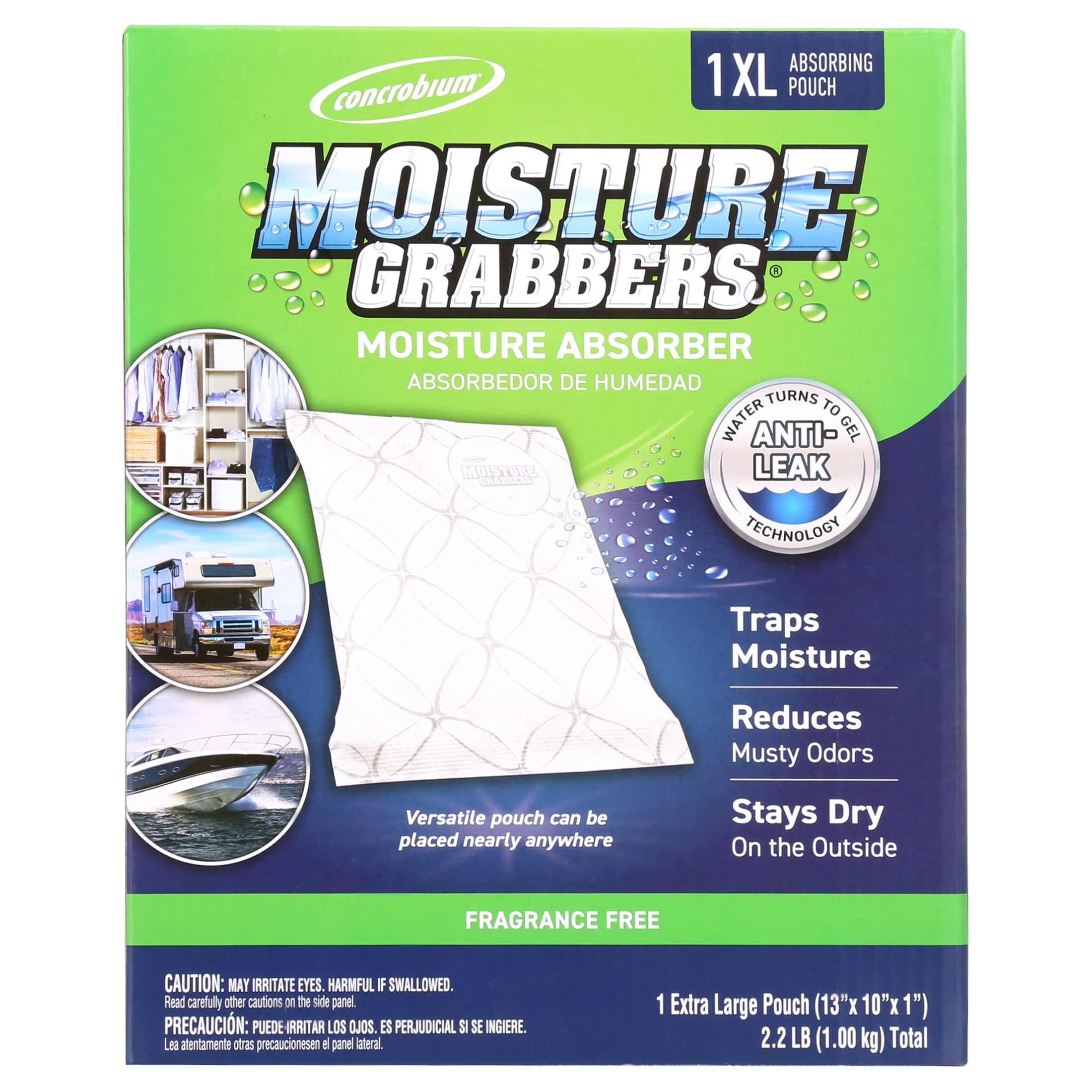
Safer alternatives if you are still unsure
If you want to avoid any risk, try these options. They are simple, low mess, and family friendly.
- Run a dehumidifier with a drain hose.
- Improve airflow with fans or vents.
- Use baking soda in small spaces. Replace it often.
- Try clay-based packs without dyes or scents.
For many, the question is, are moisture absorber crystals toxic enough to avoid? If you have toddlers, curious pets, or sensitive skin, these alternatives can bring peace of mind.
Frequently Asked Questions of are moisture absorber crystals toxic
Are moisture absorber crystals toxic if accidentally touched?
They can irritate skin, especially calcium chloride. Wash with water and soap, and avoid rubbing your eyes.
Are moisture absorber crystals toxic to breathe?
Dust can irritate the nose and throat. Use in ventilated areas, and avoid creating dust when refilling.
What happens if my dog eats moisture absorber crystals?
You may see drooling, vomiting, or belly pain. Call your vet right away and share the product label.
Is silica gel toxic if swallowed?
Most silica gel is low toxicity but still not safe to eat. It is also a choking risk for kids and pets.
Can I pour the liquid from moisture absorber tubs down the sink?
Often yes, in small amounts with lots of water, but read the label first. Follow local disposal rules.
Conclusion
Moisture absorber crystals help beat damp and musty smells with little effort. They are not highly poisonous, but they can irritate skin, eyes, and the gut if misused. With smart storage, good placement, and fast cleanup, you can keep your home dry and your family safe.
Take one action today. Check each tub, move it out of reach, and read the label. If you found this helpful, subscribe for more simple, evidence-based home tips, or leave a comment with your questions.