

Breathing calcium chloride dust is not safe; it can irritate airways and lungs.
If you have used de-icer pellets, pool hardness increaser, or damp-rid buckets, you have met calcium chloride. You may wonder: is calcium chloride safe to breathe at home or at work? I have handled it in labs, garages, and job sites for years. In this guide, I’ll share what it is, how it affects your lungs, the exposure limits that matter, and smart steps to stay safe.
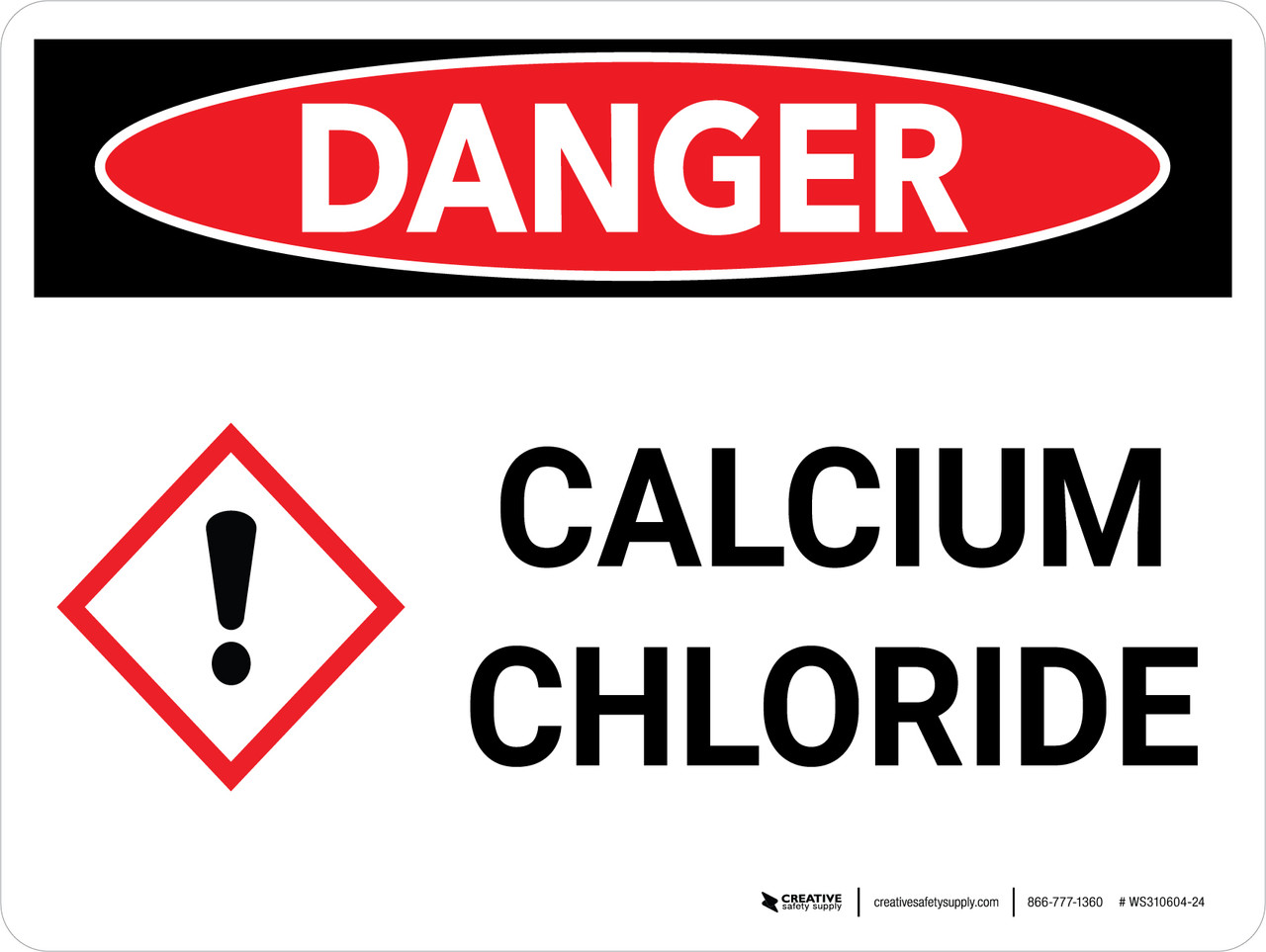
What calcium chloride is and where you might breathe it
Calcium chloride is a white salt that pulls water from the air. That is why it is used as a de-icer, concrete accelerator, food firming agent, and moisture absorber. It dissolves fast and gets hot when wet.
You can breathe it when you pour pellets, open bags, or mix it into water. Fine dust can float up as you fill a bucket or spread it on a driveway. Road crews that spray brine can also make a light mist. In warehouses, old bags can shed dust when moved.
If you ask “is calcium chloride safe to breathe” while you spread de-icer, the short answer is no. Keep dust down and avoid the mist. It only takes a small amount to make you cough.

How it affects your nose, throat, and lungs
Calcium chloride is very hygroscopic. It pulls water from your skin and your airways. Dust can dry and irritate your nose and throat. You may feel a sting or burn when it hits moist tissue.
Wet solutions are very salty. That high salt level can trigger a strong cough reflex. Think of how ocean water feels in your nose. Now turn the salt up even more. That is how a strong calcium chloride mist can feel.
Most product dust is coarse, so it tends to hit your upper airways first. But finer particles can reach the lower lungs. It is not known to cause cancer. Yet it can inflame the airways and worsen asthma.
So, is calcium chloride safe to breathe in tiny amounts? Brief whiffs are unlikely to cause lasting harm, but they can still irritate. Repeated or heavy exposure makes the risk higher.

Exposure levels and safety limits you should know
There is no unique legal limit set just for calcium chloride in many places. It is often covered by general “nuisance” or “particulates not otherwise regulated” dust limits. Common workplace limits are about 15 mg/m³ for total dust and 5 mg/m³ for respirable dust as an 8‑hour average. Other widely used guidelines suggest about 10 mg/m³ for inhalable dust and 3 mg/m³ for respirable dust.
Short bursts that stir visible dust can exceed those levels for a few minutes. Even below the limits, some people will cough or feel nose and throat burn. That is due to its strong osmotic effect and the heat of solution.
At home, you will not be measuring mg/m³. A good rule is simple: if you can see dust or mist, you should control it or step back. Is calcium chloride safe to breathe when you cannot see dust? It is safer, but still avoid direct exposure.
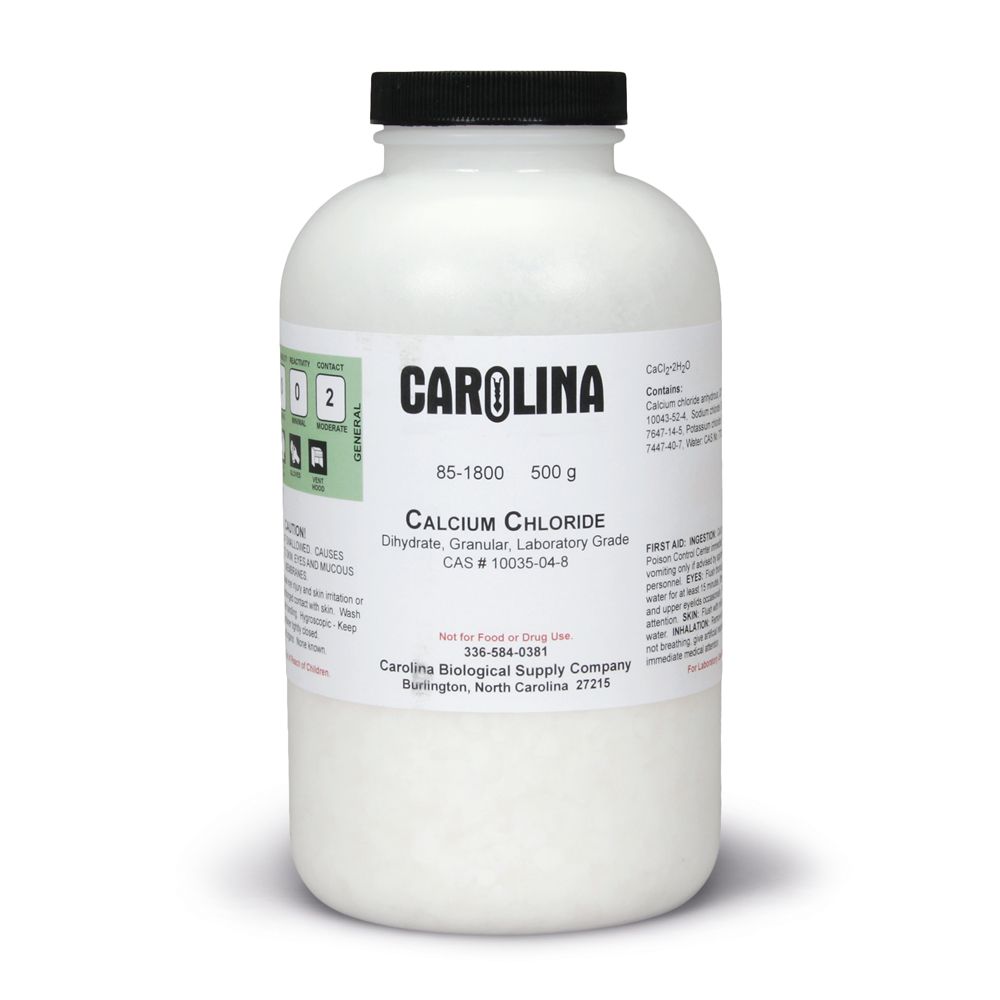
Symptoms to watch for, first aid, and when to seek help
Typical symptoms from breathing calcium chloride include a dry or scratchy throat, cough, runny nose, or a bitter taste. You may feel chest tightness or wheeze if you have asthma. Eyes can sting and water if exposed to dust or mist.
If exposed, move to fresh air. Rinse your mouth and nose gently with room‑temperature water. Sip water. A saline nasal spray can soothe dryness. If you wear contacts and your eyes sting, remove them and rinse with water.
Seek help fast if you have trouble breathing, chest pain, severe wheeze, or symptoms that do not fade within a few hours. People with asthma or COPD should follow their action plan. Ask a clinician if symptoms are new or worse than usual.
Is calcium chloride safe to breathe if you only had a brief whiff? Most brief exposures cause short‑term irritation, but listen to your body and get care if symptoms persist.

How to handle calcium chloride safely at home and work
From a safety standpoint, the best exposure is none. Use these simple steps to keep dust and mist away.
- Open bags slowly and away from your face. Do it outdoors or under good ventilation.
- Pour low and slow. Do not dump from height. Pre‑wet the pellets when the product allows it.
- Wear protective gear. Use safety glasses and gloves. Use a N95 or similar respirator when dust is possible.
- Keep containers sealed and dry. Broken bags shed dust. Transfer to tight bins with gaskets.
- Clean up with wet methods. Use a damp cloth or wet mop. Avoid dry sweeping.
- Stand upwind when spreading outside. Let the wind carry any dust away from you.
- Train your team. Post simple steps near storage areas and at spreaders.
Is calcium chloride safe to breathe if you use a mask? A well‑fitted N95 or P2 respirator cuts down dust. It will not help if you wear it loose or with facial hair gaps.

Special cases: asthma, kids, pets, pools, food, and dehumidifiers
People with asthma, COPD, or chronic bronchitis are more sensitive. Even low dust can trigger cough or wheeze. Keep them out of the area during use. Air out the space before they return.
Kids have smaller airways. Dogs tend to sniff and lick pellets. Store products high and closed. Keep pets off treated floors until dry. Wipe their paws after walks on treated roads.
Pool owners use calcium chloride to raise hardness. Add it with the pump running and the return jets on. Keep your face out of the plume. Is calcium chloride safe to breathe while dosing a pool? Avoid dust, keep a bit upwind, and it is much safer.
Food‑grade calcium chloride is common in pickles and canned foods. It is safe to eat in small amounts. Is calcium chloride safe to breathe even if it is food‑grade? No. Food‑grade refers to purity for eating, not lung safety.
Those bucket dehumidifiers use flakes or pellets. When you empty them, you can stir up damp dust. Wear gloves and eye protection. Pour out slowly. Rinse the bucket with plenty of water.

Comparing de‑icer choices and ways to reduce dust
De‑icers differ in how they work and in their side effects. Calcium chloride is very effective in cold weather. It works below 0°F and acts fast. But it can irritate skin and airways.
Sodium chloride is cheaper but works less well in deep cold. Magnesium chloride is gentler on some surfaces but can still irritate. Calcium magnesium acetate has less chloride, which can help with corrosion. It costs more and acts slower.
To cut dust and improve safety, you can switch to liquids in some cases. Pre‑wet pellets before spreading. Use the lowest amount that still gives safe footing. Ask suppliers for low‑dust products.
Is calcium chloride safe to breathe when used as liquid brine? It is safer than dry pellets, but keep your face out of the spray and mist.

Frequently Asked Questions of is calcium chloride safe to breathe
Is calcium chloride dust toxic or just irritating?
It is mainly an irritant to the nose, throat, and lungs. Heavy or repeated exposures can inflame the airways, especially in sensitive people.
Is calcium chloride safe to breathe during road brining?
Avoid the mist during spraying. Stay back from the truck and let the air clear before you pass.
What should I do right after I breathed calcium chloride?
Move to fresh air, rinse your mouth and nose with water, and sip fluids. Seek care if you have trouble breathing, chest pain, or symptoms that last.
Is calcium chloride safe to breathe if it is food‑grade?
No. Food‑grade purity does not make a dust safe for your lungs. Avoid inhalation.
Can calcium chloride cause long‑term lung damage?
Long‑term effects are unlikely from small, rare exposures. Ongoing irritation from repeated dust can worsen asthma or chronic bronchitis.
Is calcium chloride safe to breathe while adding it to a pool?
Do not lean over the jet where you pour. Add slowly with good airflow and keep your face back.
What mask should I use when handling pellets or flakes?
Use a N95 or similar particulate respirator for dust. Make sure it seals well to your face.
Is calcium chloride safe to breathe for workers if levels are below dust limits?
Below common dust limits, risk is lower, but some people still react. Control dust first, and use respirators if needed.
Conclusion
Breathing calcium chloride is not safe, even if the exposure feels small. The salt’s strong pull on water and its heat when dissolving make dust and mist harsh on your airways. The best plan is simple: prevent dust, stay upwind, wear eye and respiratory protection, and clean up with wet methods.
Use what you learned today to upgrade your handling steps. Read your product’s safety sheet, pick better tools, and protect those who are more sensitive. If this helped, share it with a friend, subscribe for more practical safety guides, or leave a question so I can help you next.