

Proper humidity prevents cracks, warping, corrosion, and keeps instruments stable year-round.
I help players and studios solve humidity headaches every season. In this guide, we will walk through moisture control for musical instruments with clear steps, simple tools, and field-tested tips. You will learn what works, what to avoid, and how to keep tone, tuning, and value safe for the long haul.
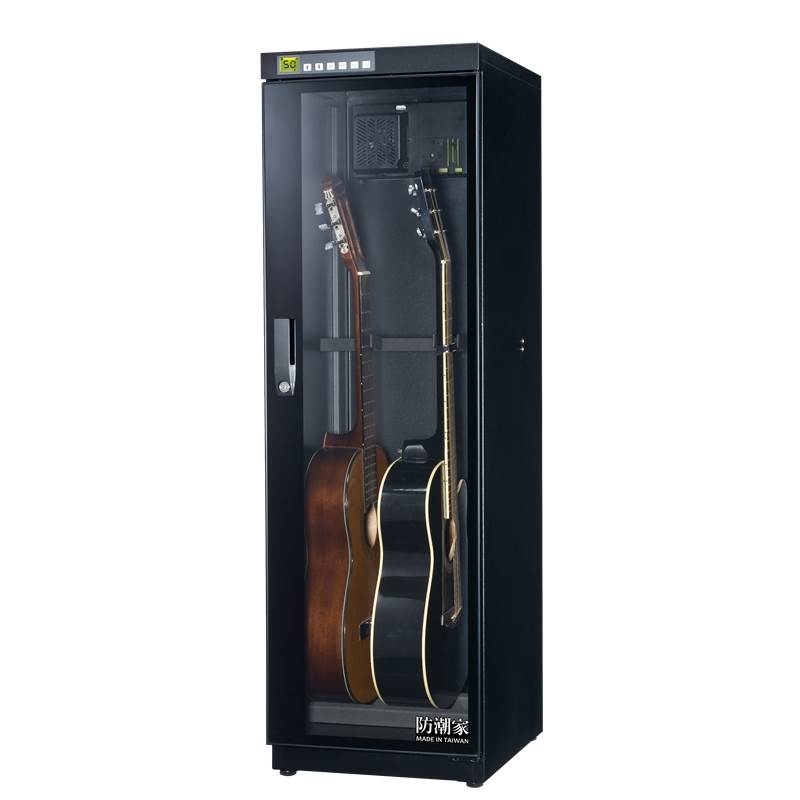
Why moisture matters more than you think
Wood swells when it is damp and shrinks when it is dry. Metal parts corrode and pads swell. Glue joints let go. Even small swings can change tone, action, and tuning. That is why steady relative humidity, or RH, is the base of good care.
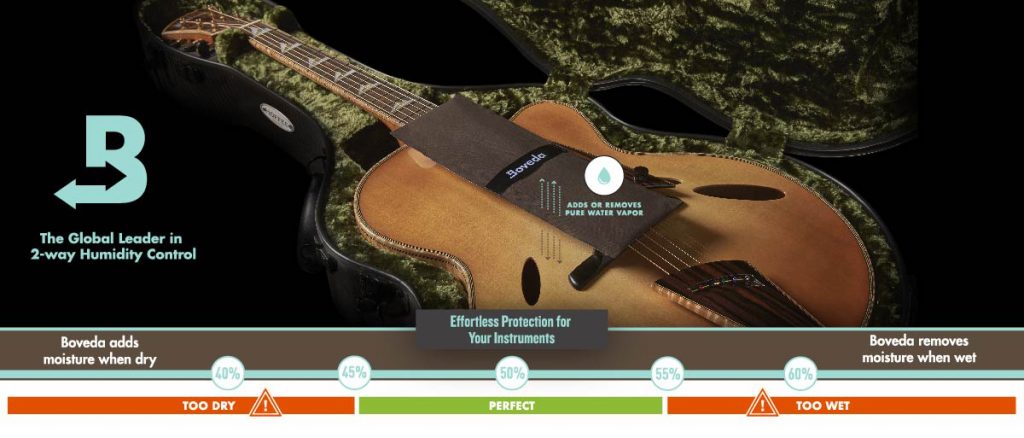
Most makers and conservators aim for 40 to 60 percent RH. For many wooden instruments, 45 to 55 percent is a sweet spot. Keep temps moderate, near 68 to 72°F. Slow change is as important as the target range. Fast swings stress the instrument.
Moisture control for musical instruments is not only about gear. It is about habits. Where you store, when you play, and how you pack all matter. Small steps add up to big savings on repairs and stress.

Ideal humidity and temperature ranges by instrument
Each family reacts to moisture in its own way. Use these simple targets as a baseline. Adjust to the maker’s advice when given.
Guitars, violins, cellos, ukuleles
- RH target 45 to 55 percent.
- Risks if too dry Cracks, sharp fret ends, sinking tops, open seams.
- Risks if too damp Swollen tops, high action, finish haze, mold.
Pianos and keyboards with wood soundboards
- RH target 42 to 50 percent if possible.
- Risks if too dry Soundboard cracks, tuning drift, action noise.
- Risks if too damp Sticky keys, sluggish action, corrosion on strings.
Clarinets, oboes, bassoons, saxophones
- RH target 40 to 60 percent.
- Risks if too dry Pad leaks, loose rings, wood splits on grenadilla.
- Risks if too damp Swollen pads, mold in cases, sticky keys.
Brass instruments
- RH target 40 to 60 percent.
- Risks if too dry Usually minor, but felt and corks can shrink.
- Risks if too damp Corrosion inside slides and valves, tarnish, red rot over time.
Bowed instrument bows
- RH target 45 to 55 percent.
- Risks if too dry Hair shrinks, camber shifts, cracks in sticks.
- Risks if too damp Hair stretches, soft response.
For moisture control for musical instruments, do not chase perfection. Aim for a stable band, and avoid quick jumps in RH. Consistency wins over exact numbers.

Tools and tech for reliable moisture control
You cannot control what you do not measure. Start with a good hygrometer. Digital models are cheap and clear. Calibrate with a simple salt test. A cap of salt plus a few drops of water in a sealed bag should read near 75 percent RH after 8 to 12 hours.
Choose the right control method for your space and case.
- Room humidifier Adds moisture in dry months. Use distilled water to cut scale.
- Room dehumidifier Pulls excess moisture in summer. Size it to the room.
- In-case humidifiers Dampit style tubes, sponge units, or two-way packs.
- Two-way humidity packs Small pouches that add or remove moisture.
- Rechargeable desiccants Silica gel or clay packs for damp rooms and cases.
- Smart sensors Bluetooth or Wi‑Fi sensors alert you when RH moves.
Pianos are special. A piano soundboard lives in a large case that breathes with the room. Some owners add a pro system with a dehumidifier bar and humidifier tank. Ask a tech for install and care.
Log your readings for a month. You will see daily and seasonal swings. This helps you build a plan. Moisture control for musical instruments works best when you mix smart tools with simple routines.

Daily and seasonal care checklist
Use this quick plan to prevent most problems. It is easy to keep up and saves time and money.
Daily after playing
- Wipe sweat and moisture from strings, keys, and lacquer.
- Swab woodwind bores and empty brass water keys.
- Leave the case open for 10 to 15 minutes to vent, then close.
Weekly
- Check the hygrometer in the room and in the case.
- Recharge or replace packs and desiccants as needed.
- Inspect pads, corks, and seams for early signs of stress.
Monthly
- Clean cases. Vacuum lint and check for mold smell.
- Log high and low RH. Note which days swing the most.
- Recalibrate cheap hygrometers if they drift.
Seasonal
- Winter Dry air from heat. Add room or case humidifiers.
- Summer Damp air from heat and rain. Use a dehumidifier.
- Travel Prep extra packs and a backup sensor before trips.
Moisture control for musical instruments is a habit. Make this checklist part of your practice flow. It takes minutes, and it protects your sound.
Storage, travel, and stage tips
Storage at home is the first line of defense. Cases beat stands for long rests. Rooms with vents, windows, or direct sun are risky. Closets in interior walls are often more stable.
On the road, your case is your climate bubble. Use two-way packs and a small sensor in the case. Cars heat up fast and cool down slow. Do not leave gear in trunks for long. On flights, carry on when you can, and add extra humidity control for long hauls.
On stage, watch for hot lights and AC blasts. Keep the case closed when not in use. If rain or fog soaks a show, let the instrument dry in the case at room temp. Slow is safe. Moisture control for musical instruments during travel is mostly about planning ahead.

Troubleshooting signs and quick fixes
Know the red flags. Small issues grow fast with moisture problems. Catch them early and you can avoid big repairs.
Too dry signs
- Sharp fret ends, sunken tops, buzzing that was not there.
- Open seams on violins or cellos that click when pressed.
- Woodwind rings feel loose, clarinet feels “zingy” and bright.
Quick fixes
- Move to a stable room. Add case humidifiers. Raise RH slowly over days.
- Loosen string tension a half turn on severe cracks and call a tech.
- Do not soak bores. Use controlled humidity, not water.
Too damp signs
- Sticky keys, slow action, musty case smell, foggy finish.
- Brass valves feel gummy. Slides pit or show green spots.
- Reeds swell and taste sour. Pads swell and leak.
Quick fixes
- Vent the case for short periods in a dry room.
- Add desiccants or two-way packs. Use a room dehumidifier.
- For mold, clean cases with a mild, safe cleaner and full dry time.
If in doubt, stop playing and call a pro. Hidden damage can get worse fast. Moisture control for musical instruments is about safe steps, not harsh cures.

My field notes: real examples and lessons
A touring cellist once called me from a hotel. The room heat had run all night. The next morning, a seam popped near the lower bout. We eased RH up over three days with case humidifiers and tape support. A luthier closed the seam the next week. Slow changes saved the top.
A sax player left his horn in a damp basement for a summer. When he brought it in, pads were swollen, and springs were rusted. We dried the case, replaced the worst pads, and set him up with desiccants and a sensor. He keeps a small log now. No pad rot since.
My own guitar lives with two sensors, one in the room and one in the case. I swap to two-way packs in fall and spring. I once tried to “fix” a dry spell in a day. The top swelled and the action jumped. Lesson learned. With moisture control for musical instruments, slow and steady wins.

Frequently Asked Questions of moisture control for musical instruments
What is the best humidity range for most instruments?
Aim for 40 to 60 percent RH. Many wooden instruments feel safest near 45 to 55 percent.
Do I need a humidifier and a dehumidifier?
In many climates, yes. Moisture control for musical instruments often needs both tools across the year.
How do I calibrate a hygrometer?
Use a salt test. Seal a damp salt cap and the hygrometer in a bag for 8 to 12 hours and adjust to 75 percent RH if your model allows.
Are two-way humidity packs safe for guitars and violins?
Yes, when used as directed. They add or remove moisture to hold a set point and are easy to manage.
Can I leave my instrument on a stand at home?
Short sessions are fine. For long rests, a closed case with humidity control is the safer choice.
What are quick signs of moisture damage?
Cracks, sticky keys, musty case smell, and tuning drift. If you see these, check RH and act fast.
Do brass instruments need moisture control too?
Yes. High humidity speeds corrosion in slides and valves. Keep them clean and control RH in the case.
Conclusion
Your instrument is a living system that breathes with the air around it. Set a steady RH, measure often, and build simple habits. That is the heart of safe moisture control for musical instruments.
Start today. Add a hygrometer, set your target range, and pick one tool that fits your space. Keep a short log for two weeks. You will see patterns, gain control, and protect your tone and value. If you found this helpful, subscribe for more care guides or leave a question so we can help you dial in your setup.