

Keep bags dry by using desiccants, breathable storage, and water-repellent care.
If you want a simple guide on how to protect bags from moisture, you’re in the right place. I’ve helped travelers, photographers, and collectors save their favorite bags from mold and musty smells. In this friendly guide, I’ll show you how to protect bags from moisture with easy steps, smart tools, and clear routines you can use today.
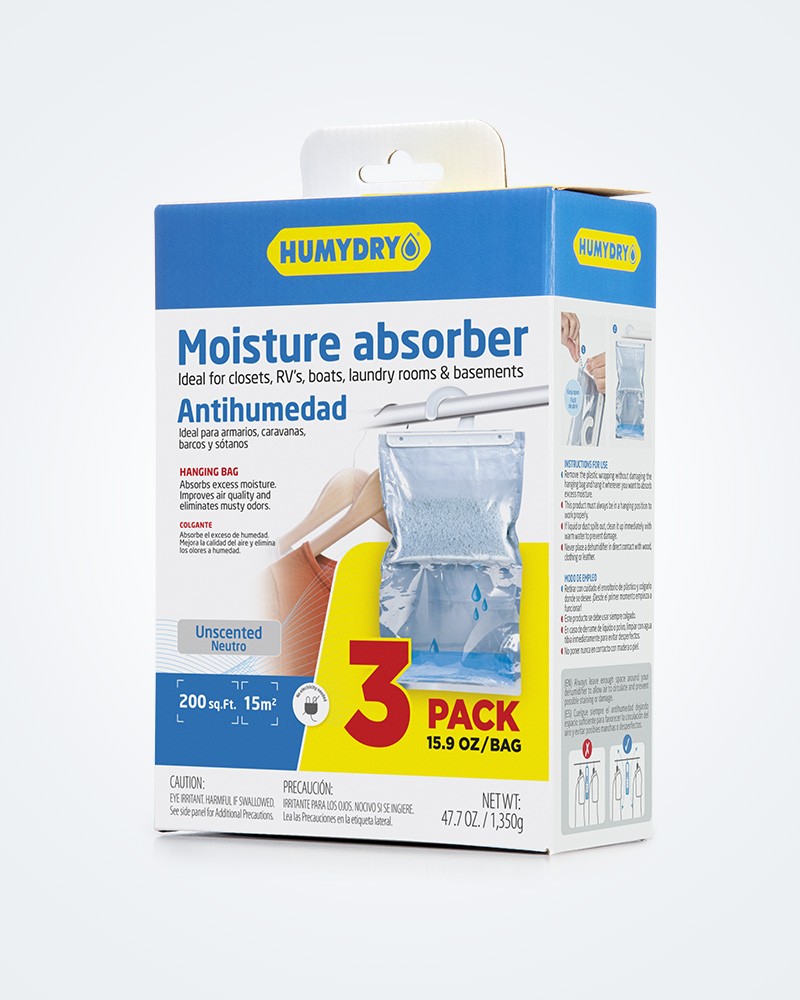
Why moisture ruins bags
Moisture is sneaky. It comes from rain, sweat, spills, and humid air. When it stays, it causes stains, odor, mold, rust, and warping.
Leather can dry out, spot, or crack. Canvas can grow mildew and smell. Nylon can lose its water-repellent coat. Metal parts can rust.
Indoor humidity above 60% helps mold grow. That can happen in closets and basements. This is why learning how to protect bags from moisture is a must for every home.

Quick wins you can do today
- Empty your bag after use. Remove damp items like gym clothes or water bottles.
- Wipe the outside with a soft cloth. Let it air out for 15 minutes.
- Drop in two silica gel packs. Replace or recharge them every month.
- Store upright, away from windows and heaters. Keep airflow around it.
- Use a breathable dust bag. Avoid plastic covers that trap moisture.
Follow these five steps and you will already know how to protect bags from moisture in daily life.

Smart storage at home and in closets
Think of your closet like a small climate zone. Keep it dry and airy.
- Keep humidity around 40% to 55%. Use a small dehumidifier in damp rooms.
- Space bags apart. Air must move around them.
- Use cotton dust bags. Never store in sealed plastic.
- Add desiccants to shelves. Use silica gel or charcoal bags.
- Slip a bag pillow inside. Use acid-free tissue to hold shape and absorb damp.
I keep a small hygrometer on a shelf. It shows me if the air gets too wet. This small tool changed how to protect bags from moisture in my own home.

Travel and rainy-day protection
Rain happens. Spills happen. Be ready.
- Use a bag rain cover for backpacks and camera bags.
- Line your tote with a light dry sack on wet days.
- Keep a zip pouch for makeup and hand cream. Oily leaks can stain.
- Wipe rain spots fast with a microfiber cloth.
- In hotels, hang the bag in the room, not the bathroom.
If you travel a lot, pack extra desiccant packs. This simple habit is how to protect bags from moisture when you live on the go.

Materials matter: leather, canvas, nylon, and suede
Each fabric needs its own plan. Here is a quick guide.
- Leather
- Use a leather conditioner two to four times a year.
- Apply a light, breathable water-repellent cream. Test a small spot first.
- Never trap leather in plastic. Let it breathe.
- Canvas
- Use a fabric protector spray. Reapply every few months.
- For waxed canvas, re-wax thinly when water stops beading.
- Nylon or polyester
- Refresh the DWR with a spray made for tech fabrics.
- Check seams and zippers. Seal if needed for hiking packs.
- Suede
- Use a suede protector spray before first use.
- Brush the nap with a suede brush. Keep it dry.
Knowing your material is key in how to protect bags from moisture. It prevents guesswork and damage.
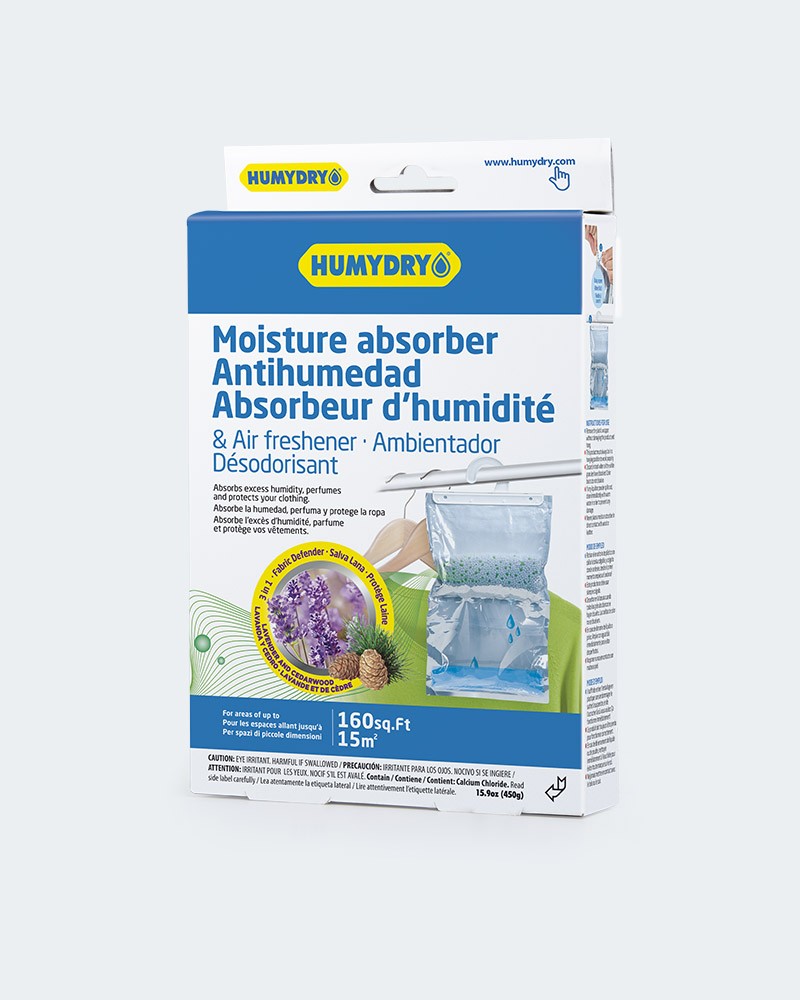
Tools that work: desiccants, sprays, and inserts
These tools make life easy. Most are low cost and simple to use.
- Silica gel packs: Place two to four inside each bag. Recharge in a low oven as directed.
- Rechargeable desiccant boxes: Great for shelves. They change color when full.
- Activated charcoal bags: Help with odor and some moisture.
- Water-repellent sprays: Choose one for leather or fabric, not one-size-fits-all.
- Bag pillows and tissue: Hold shape and wick light damp.
- Hygrometer: Tracks humidity in closets and storage boxes.
These tools are the core of how to protect bags from moisture day after day.
Drying a damp bag step by step
Act fast but be gentle. Here is my proven routine.
- Empty the bag. Remove liners, straps, and contents.
- Blot, do not rub. Use a dry microfiber cloth or paper towels.
- Stuff with acid-free paper. Change it every few hours if very wet.
- Air-dry in a room with a fan. Use a dehumidifier if you have one.
- Avoid heat and sun. No hairdryers, radiators, or hot windowsills.
- For mold on canvas or nylon, clean with mild soap and water. Rinse well. Air-dry.
- For leather, use a leather cleaner. Let it dry. Then condition lightly.
When dry, place two silica packs inside. This last step is how to protect bags from moisture after a spill.
Prevention checklist and simple schedule
Use this short list. It keeps you on track.
- After each use
- Empty bag. Wipe inside and out. Air for 10 to 15 minutes.
- Add or check desiccant packs.
- Monthly
- Inspect seams, corners, and hardware for rust or spots.
- Recharge or replace desiccants.
- Refresh water-repellent spray if water stops beading.
- Seasonally
- Deep clean based on the material.
- Condition leather. Brush suede.
- Review storage. Check humidity.
This checklist is how to protect bags from moisture without stress.
Mistakes to avoid
- Storing in plastic bins without vents. Moisture will get trapped.
- Using strong heat to dry. It can warp or crack the bag.
- Over-conditioning leather. Too much oil can soften and stain.
- Spraying the wrong product. Fabric sprays can darken leather.
- Leaving damp items inside. This is the fastest path to mold.
Skip these errors. They undo the work of how to protect bags from moisture.
Budget vs premium options
You can do this on any budget. I test both.
- Budget
- Bulk silica gel packs, cotton pillowcases as dust bags, simple fabric spray.
- A basic hygrometer and a fan for airflow.
- Premium
- Rechargeable desiccant blocks, custom bag pillows, pro-grade sprays and creams.
- A smart dehumidifier for closets.
Both routes work if you build a routine. Smart habits matter more than price in how to protect bags from moisture.
Frequently Asked Questions of how to protect bags from moisture
What humidity level is best for bag storage?
Aim for 40% to 55% relative humidity. This range reduces mold growth and protects leather and fabric.
Can I reuse silica gel packs?
Yes. Many packs can be recharged in a warm oven as directed. Follow the label to avoid damage.
What should I do if my leather bag gets soaked?
Blot, stuff with paper, and air-dry with a fan. When fully dry, apply a light conditioner and let it absorb.
Are waterproof sprays safe for all bags?
No. Use leather-specific products for leather and suede-specific sprays for suede. Test a small hidden area first.
How often should I condition leather?
Two to four times a year is enough for most climates. In very dry or humid areas, adjust as needed.
Will baking soda remove moisture and odors?
It helps with odors more than moisture. Use it for smell, and use desiccants to control damp.
How do I prevent mold during long-term storage?
Keep humidity in range, use desiccants, and choose breathable dust bags. Check the bag monthly for early signs.
Conclusion
Moisture damage is preventable with simple habits and the right tools. Build your routine, use breathable storage, and match care to the material. You now know how to protect bags from moisture at home, on trips, and after spills.
Start today with one step: add fresh silica gel to your most-used bag. Want more tips? Subscribe for guides, or drop a comment with your storage challenge.