

Keep leather dry with stable humidity, airflow, and smart storage using desiccants.
If you care about leather, moisture control for leather goods is a must. I’ve cared for vintage jackets, luxury bags, and heirloom trunks for years. In this guide, I’ll show you proven steps for moisture control for leather goods, backed by practice and research. Stick with me, and you’ll protect your pieces for the long haul.
The science behind moisture and leather
Leather breathes like skin. It absorbs water from the air and lets it go. Too much water swells fibers. Too little dries them out.
Mold loves damp collagen. That is why a dark closet can ruin a bag. Most mold blooms when relative humidity sits above 65%. Keep moisture steady, and your leather stays calm.
Moisture control for leather goods is about balance. Aim for steady air, steady humidity, and steady storage. Quick swings are the real threat, not just one wet day.

Ideal humidity and temperature ranges
For most leather, 40–55% relative humidity works best. Keep room temperatures around 60–75°F. This range slows mold and keeps oils in place.
Use a digital hygrometer in your closet. Check it once a week. I like models with alerts. They nudge me before trouble starts.
Moisture control for leather goods starts with the room. If the space is stable, your pieces stay stable. Treat the room like your first line of defense.

Common moisture risks and how to spot them
Look for a musty smell. That is the first warning. Next, check seams and folds. Mold hides where air does not move.
Watch for white bloom or fuzzy dots. That can be mold or wax migration. If it wipes off and comes back fast, it may be mold.
Moisture control for leather goods also means spotting leaks. Check shelves under windows. Check basements after rain. Catch issues early to avoid stains and warping.
Tools and materials that actually work
You do not need a fancy kit. A few simple tools do the job. Pick what fits your space and budget.
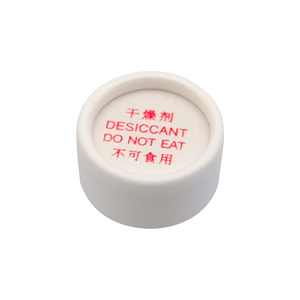
- Silica gel packs: Great for small boxes and bags. Regenerate by heating as the label says.
- Bamboo charcoal bags: Natural and reusable. Good for closets and drawers.
- Dehumidifier: Use in damp rooms. Set it to 45–50% RH.
- Hygrometer: Digital, with min/max memory. Place one on each shelf zone.
- Breathable dust bags: Cotton or flannel. Avoid plastic, which traps vapor.
- Acid-free tissue: Stuff bags and boots to hold shape and absorb swings.
I have tested these in homes near the coast and in dry mountain air. Moisture control for leather goods improved the most when I paired a dehumidifier with silica in each shelf bin. Small steps stack up.
Daily care and storage best practices
Store leather where air moves. Do not cram shelves. Leave a finger’s gap between items.
Use shaped inserts for boots and bags. They prevent creases that trap damp air. Rotate items so the same area is not under pressure all season.
Moisture control for leather goods also means smart covers. Use cloth dust bags. Skip plastic. If you must use a box, add vents and a desiccant pack.

Seasonal strategies and travel tips
Summer brings humidity spikes. Run a dehumidifier in the morning hours. Close windows during storms. Swap heavy covers for light cotton.
Winter brings dry heat. Humidity can drop fast. Add a small room humidifier to hold 40–45% RH. Condition leather lightly if it feels stiff.
Travel adds risk. Put a small silica pack in each bag. Do not seal damp items. When you arrive, air them out. Moisture control for leather goods on the road is about quick checks and airflow.

Cleaning and remediation after moisture exposure
Got caught in rain? Blot, do not rub. Air dry at room temp. No radiators. No hair dryers. Heat can crack the finish.
If you see early mold, move the item to a dry room. Wipe with a clean, barely damp cloth with mild soap, then dry right away. Follow with a light conditioner once it rests for 24 hours.
Severe mold needs care. Use gloves and a mask. If the smell lingers, call a leather pro. Moisture control for leather goods is easier than mold repair, so act fast.
Long-term maintenance and monitoring
Make a simple schedule. Check humidity weekly. Rotate items monthly. Condition as needed, not by the calendar.
Log changes. Note spikes after storms or furnace cycles. Adjust tools to keep a steady range. Over time, your setup will need fewer tweaks.
With steady checks, moisture control for leather goods becomes a habit. Your leather will look better each year, not worse.

Real-life lessons from the workshop
A client once brought a vintage flight jacket after a basement flood. It smelled like a dock. We isolated it, used a fan for gentle airflow, and ran a dehumidifier at 45% RH. After a careful clean and a week of rest, it bounced back.
Another time, a luxury tote kept growing white spots. It was not mold. It was wax bloom due to cold storage. We warmed the room, wiped with a soft cloth, and moved it to a stable 50% RH space. The issue stopped.
These cases show the core rule. Moisture control for leather goods is about the environment first. Tools help, but the room wins.
Frequently Asked Questions of moisture control for leather goods
What humidity level is best for leather at home?
Aim for 40–55% relative humidity. This range helps prevent mold and keeps leather supple.
Can I store leather in plastic bins?
Avoid sealed plastic. It traps vapor and causes mildew. Use breathable fabric or ventilated boxes.
How often should I replace silica gel packs?
Check color indicators monthly. Regenerate or replace when they change color or after heavy humidity.
Will a closet dehumidifier make leather too dry?
It can, if set too low. Keep it near 45–50% RH and monitor with a hygrometer.
How do I stop a musty odor in a bag?
Air it out in a dry room with a fan. Add a small charcoal bag inside for a few days.
Is mold on leather dangerous?
Mold can trigger allergies. Handle with gloves and a mask, and treat in a ventilated area.
Can I use a hair dryer on wet leather?
No. Heat can warp and crack fibers. Let it air dry at room temperature.
Conclusion
Moisture control for leather goods is simple when you build good habits. Keep humidity steady, allow airflow, and use a few proven tools. Catch small issues before they grow.
Start with one step today. Place a hygrometer in your closet and note the reading. Then add silica packs and adjust the room. Want more tips that work? Subscribe, share your setup, or ask a question in the comments.