

Keep humidity stable around 40–50% and use desiccants in airtight containers.
If you want shine that lasts, focus on moisture control for jewelry storage. I’ve helped clients rescue tarnished heirlooms and protect delicate stones by dialing in humidity, sealing the storage, and building a simple routine. In this guide, I’ll show you expert methods for moisture control for jewelry storage, with clear steps, real-life examples, and tools that work in homes, apartments, and even humid coastal areas. You’ll learn what to store where, what to buy, and the mistakes to avoid—so your pieces look gorgeous for years.
Why moisture control matters for jewelry
Moisture is a quiet troublemaker. It boosts tarnish on silver, speeds corrosion on base metals, and can fog or stain some gemstones. It also feeds mold in boxes and pouches.
Silver reacts with sulfur in the air. Higher humidity makes this faster. Plated items pit and dull when moisture sneaks in. Pearls and opals can crack if the air is too dry for too long, yet they also hate damp storage.
The sweet spot is a stable microclimate. Stable means fewer swings day to night. Your goal with moisture control for jewelry storage is to keep the air calm, clean, and dry enough for metals, yet not parched for sensitive gems.

Ideal humidity levels and how to measure them
Think in ranges, not exact numbers. Museums and conservation labs favor stability over perfection. Here are safe targets for home storage.
- Mixed collection in one box: 40–50% RH
- Silver-heavy storage: 35–45% RH with anti-tarnish aids
- Pearls and opals: 45–55% RH, never below 35% for long
- Watches and steel tools: 35–45% RH
Use a digital hygrometer inside the box or safe. Many cheap ones work well. Do a quick salt-test check once a year to confirm accuracy. Place the sensor where air can move. Avoid direct contact with desiccant packs.
Indicator cards can also help. Blue-to-pink silica beads are useful too. They give a fast visual cue for moisture control for jewelry storage.
Storage strategies by material
Not all jewelry likes the same climate. Match the method to the piece.
-
Sterling silver and silver-plated
- Store in airtight containers with a small desiccant pouch.
- Add anti-tarnish strips or anti-corrosion liners.
- Keep each piece in a soft, sulfur-free pouch or anti-tarnish bag.
-
Gold and platinum
- Less prone to tarnish but still safer in low, stable humidity.
- Separate from silver to avoid transferred tarnish compounds.
- Soft pouches help prevent scratches.
-
Stainless steel and base metals
- Use 35–45% RH to reduce corrosion.
- Keep dry after sweat or water exposure.
-
Gemstones
- Diamonds, sapphires, rubies: Low humidity is fine.
- Emeralds: Avoid very dry air if they are oil-treated.
- Pearls and opals: Aim for 45–55% RH. Do not store right next to desiccants. Use a vented pouch in a sealed box.
-
Organic materials and leather straps
- Avoid damp. Mold grows fast above 60% RH.
- Allow airflow in the box, but keep overall RH controlled.
Moisture control for jewelry storage means creating micro-zones if needed. Use separate small boxes or pouches inside a larger sealed case to tune conditions.

Tools and products that work
You do not need fancy gear. A few simple tools make a big difference.
-
Desiccants
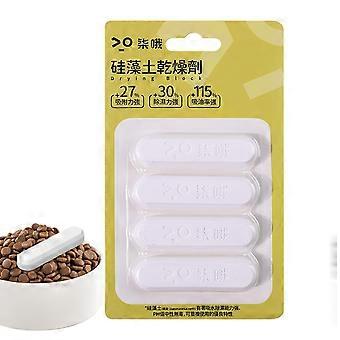
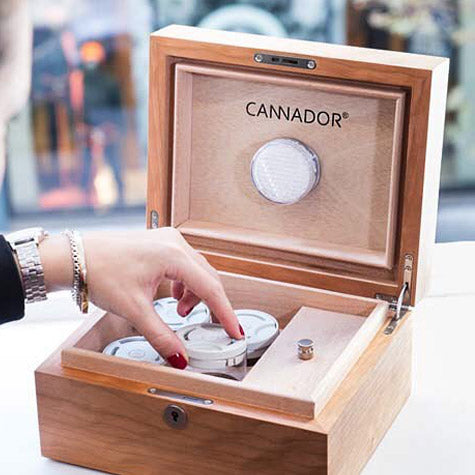
- Silica gel packets are the standard. Choose rechargeable beads.
- Use 10–30 grams per shoebox-size container. Adjust with the seasons.
- Recharge when color changes or RH creeps up.
-
Anti-tarnish protection
- Anti-tarnish strips or polymer liners trap sulfur gases.
- Swap them every 6–12 months per maker guidance.
-
Airtight containers and cases
- Look for gasketed lids. Food-grade containers with seals work.
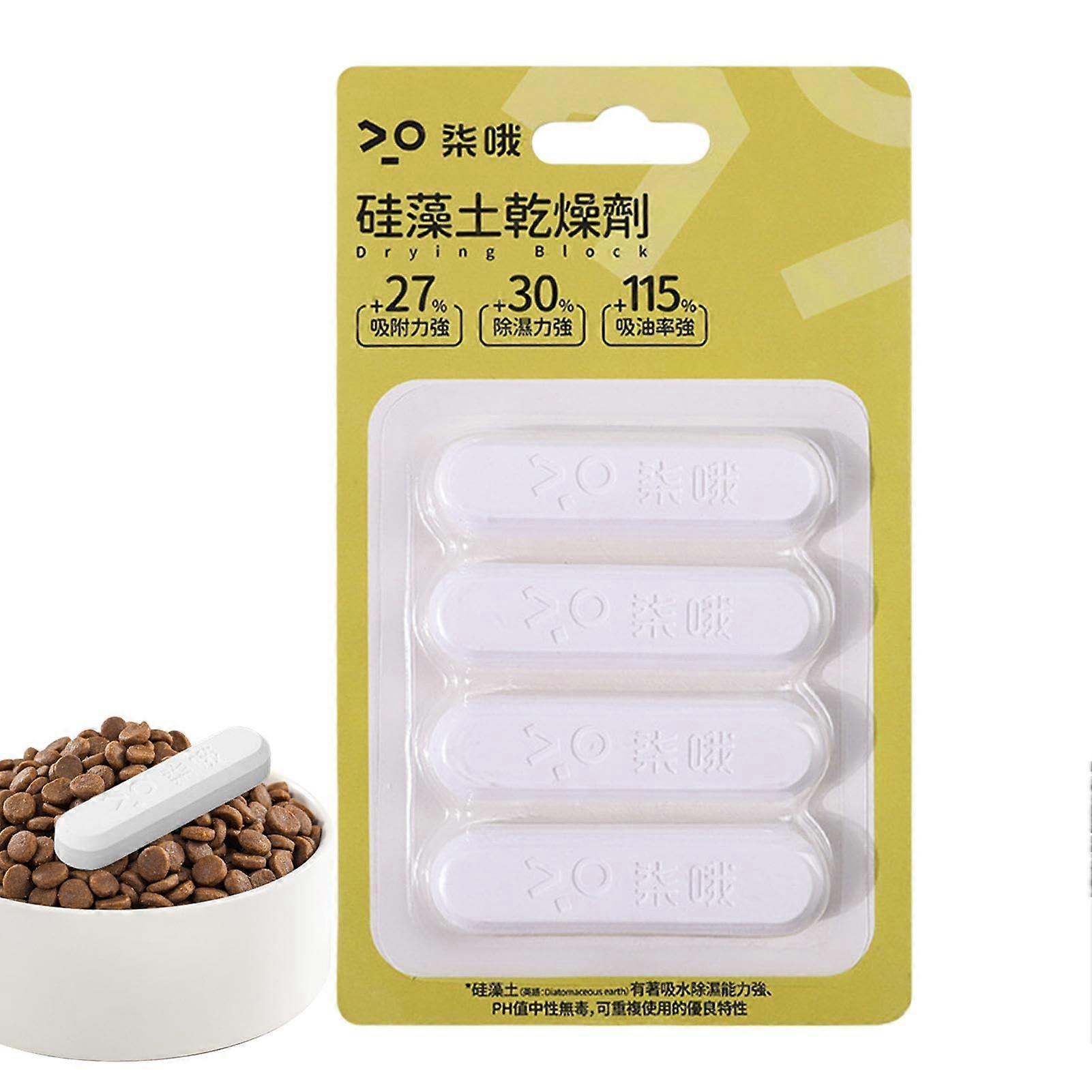
- Jewelry boxes with tight lids and lined trays are useful when paired with desiccants.
-
Humidity control packs
- Two-way packs keep a set RH. Good for pearl or opal zones.
- Choose the right RH rating, like 49% for mixed gems.
-
Room and closet dehumidifiers
- Use in very humid homes or basements.
- Keep the room at or below 50% RH for easier control inside boxes.
These tools make moisture control for jewelry storage simple and repeatable. Track results with a hygrometer and adjust.
Set up a moisture-safe jewelry box or safe
Follow these steps. They work for most homes.
-
Choose the container
Pick a gasketed box or a well-fitted jewelry chest. Make sure it closes tight. -
Add a hygrometer
Place it near the middle tray. Check readings once a week for the first month. -
Load desiccants or control packs
Use silica for metals. Use a two-way pack for pearls and opals. Keep them in separate pouches or trays. -
Add anti-tarnish aids for silver
Place strips under trays or in pockets. Do not let them touch pearls. -
Separate and cushion
Use soft, sulfur-free pouches. Keep chains untangled and clasps closed. -
Log and refresh
Record RH, date, and when you recharge silica. Refresh strips every 6–12 months.
This setup nails moisture control for jewelry storage and keeps the routine easy.

Daily habits that prevent moisture damage
Small habits beat big repairs.
-
Wipe jewelry after wear
Use a clean microfiber cloth to remove sweat and lotion. -
Never store while damp
After swimming or showering, rinse in clean water if needed, dry well, then store. -
Avoid bathrooms and windows
Steam and sun swings push RH up and down. Pick a closet shelf or bedroom drawer. -
Travel smarter
Pack a small desiccant in your travel case. Keep pearls away from hotel AC vents. -
Rotate and check
Look at your hygrometer weekly at first. Adjust as seasons change.
Make moisture control for jewelry storage part of your routine. It quickly becomes second nature.

Troubleshooting and reversing damage
Things happen. Here is how to fix common issues.
-
Heavy tarnish on silver
Use a gentle, non-abrasive silver polish and a soft cloth. If black stains remain, ask a pro to avoid loss of detail. -
Foggy watch or gemstone
If you see condensation, open the case or box and dry the area. Place items near, not on, warm dry air with silica nearby. See a watchmaker if it is a sealed watch. -
Musty smell in a box
Air the box in a dry room. Replace desiccants. Wipe with a light alcohol solution on hard surfaces if safe. Avoid strong cleaners on leather or silk. -
Pearls look dull or dry
Move them to a 45–55% RH box. Do not oil them yourself. Let them rest a few days to re-balance. -
Opal craze risk
Keep opals away from forced-dry setups. Use a 49% control pack. Seek a jeweler if you see new cracks.
These steps fit best with moisture control for jewelry storage that you monitor. When in doubt, consult a jeweler or conservator.

Budget, premium picks, and mistakes to avoid
You can build a solid setup at any price.
-
Budget kit
Airtight plastic box, 30–60 g silica gel, digital hygrometer, soft pouches, anti-tarnish strips. -
Midrange kit
Gasketed jewelry chest, rechargeable silica canisters, two-way 49% packs for pearls, better pouches. -
Premium kit
Sealed drawer system, integrated hygrometer, modular trays, intercept liners, compact dehumidifier in the room.
Common mistakes to avoid:
- Storing jewelry in bathrooms or kitchens
- Mixing silver with sulfur-heavy papers or leather
- Letting silica touch pearls or opals
- Ignoring hygrometer drift and never recalibrating
- Over-drying everything below 30% RH for weeks
Avoid these and moisture control for jewelry storage becomes low-effort and high-return.
Seasonal and climate tips
Your local weather changes your plan.
-
Humid coastal or tropical areas
Use more silica and refresh often. Keep room RH under 50%. Choose gasketed cases. -
Dry winter climates
Heat can drop RH too low. Use two-way packs for pearls and opals. Watch for static and dry air signs. -
Basement or storage units
Add a room dehumidifier. Elevate boxes off floors. Check RH weekly. -
Monsoon or rainy seasons
Double up on desiccants. Swap to fresh packs at the start and end of the season.
These tweaks keep moisture control for jewelry storage steady all year.
Frequently Asked Questions of moisture control for jewelry storage
What humidity is best for most jewelry?
Aim for 40–50% RH. Keep it stable, and separate pearls and opals if you need a slightly higher range.
How often should I recharge silica gel?
Check your hygrometer weekly. Recharge silica when RH rises above target or when indicator beads change color.
Are anti-tarnish strips safe for pearls?
Yes, if they do not touch the pearls. Keep strips in the box and pearls in their own soft pouch.
Can I use food containers for storage?
Yes, as long as they are clean and have a gasket. Add pouches and desiccants for a safe microclimate.
Is a dehumidifier enough without sealed boxes?
It helps the room, but sealed boxes create a stable microclimate. Use both for the best moisture control for jewelry storage.
Do oxygen absorbers help with tarnish?
They are not ideal for jewelry. Focus on RH control and anti-tarnish strips instead.
How do I know if my box material is safe?
Avoid high-sulfur papers, rubber bands, and some leathers. Use archival or jewelry-grade pouches and trays.
Conclusion
Moisture is the lever that controls shine, stability, and lifespan. With a sealed box, a hygrometer, and the right mix of desiccants and anti-tarnish aids, moisture control for jewelry storage becomes simple and reliable. Set your target RH, separate sensitive gems, and keep a short refresh routine.
Start today. Pick one box, add a hygrometer, and tune it to 40–50% RH. Your future self will thank you when your favorite pieces still look brand new. Want more tips like this? Subscribe, share your setup questions, or leave a comment with your climate and collection size.