

Keep metal dry, control humidity, and seal surfaces to stop rust.
If you’ve fought flaky tools, peeling paint, or a car that seems to corrode overnight, you’re in the right place. I’ve spent years testing what actually works for preventing rust with moisture control in homes, garages, shops, and harsh coastal sites. In this guide, I’ll walk you through simple steps, smart gear, and proven practices so you can master preventing rust with moisture control without guesswork.

How rust starts: moisture, oxygen, and time
Rust forms when iron meets oxygen in the presence of water. That water can be liquid, humidity in the air, or even sweat. Above about 60% relative humidity, corrosion speeds up. Salt makes it worse by turning the surface into a tiny battery.
In plain terms, moisture is the throttle for rust. Control moisture and you control corrosion. When I first moved near the coast, my garage chisels rusted in a week. I learned fast that preventing rust with moisture control starts with watching humidity every day.
Actionable takeaways:
- Track relative humidity. Aim for 30% to 50% indoors.
- Keep metal warm and dry so you avoid condensation.
- Keep salt off surfaces. Wash, rinse, and dry right away.

Core principles of moisture control
Think of moisture control as three simple rules: keep water out, keep air dry, keep surfaces protected. Preventing rust with moisture control is easier when you break it down into small steps.
Key principles:
- Block water sources. Seal leaks, fix drips, and cover outdoor items with breathable covers.
- Control humidity. Use a dehumidifier or HVAC to hold 30% to 50% RH.
- Avoid condensation. Keep surfaces a few degrees warmer than the air’s dew point.
- Protect surfaces. Use coatings, oils, waxes, or inhibitors to block moisture contact.
- Keep things clean. Dust and salts hold water and spark corrosion.
Quick dew point tip:
- If a cold pipe or machine part feels cool and sticky, it may be at or below dew point. Add insulation or raise room temperature a little to stop the “sweat.”
Why it matters:
- Studies show corrosion rates jump quickly above 60% RH. That is why preventing rust with moisture control targets a lower, stable range.
- Small, steady changes beat one-time fixes. A cheap hygrometer can save you hundreds in tool replacement.
Home and garage strategies that work
You don’t need fancy gear to start preventing rust with moisture control at home. Small habits make a big difference. Here’s a setup I use in my own garage.
Step-by-step:
- Measure humidity. Place a digital hygrometer in your garage and one in your tool cabinet.
- Improve airflow. Use a small fan to move air across cold corners.
- Seal leaks and drafts. Add weatherstripping to doors and caulk around windows.
- Use a dehumidifier. Size it to the room. Set the target RH to 45%. Drain it to a floor drain if you can.
- Insulate cold spots. Wrap cold water pipes. Insulate metal doors and thin exterior walls.
- Add desiccants to storage. Silica gel or clay packs work well in toolboxes and bins. Replace them when color indicators change.
- Store off the floor. Keep tools on shelves. Use sealed bins in basements.
- Protect metal. Wipe tools with a light oil after use. I like a thin film of mineral oil or a dedicated rust preventive.
- Clean salts and dust. If you live near the coast, rinse and dry outdoor metal often.
Personal tip:
- I ruined a set of planes by leaving them on a concrete floor one spring. Moisture wicked up from the slab. A simple wood shelf and an oil wipe would have saved them. That’s preventing rust with moisture control in action.
Workshop and industrial practices
Shops and warehouses need a more robust plan. The costs are higher, but so are the gains. You also have more tools for preventing rust with moisture control at scale.
What to implement:
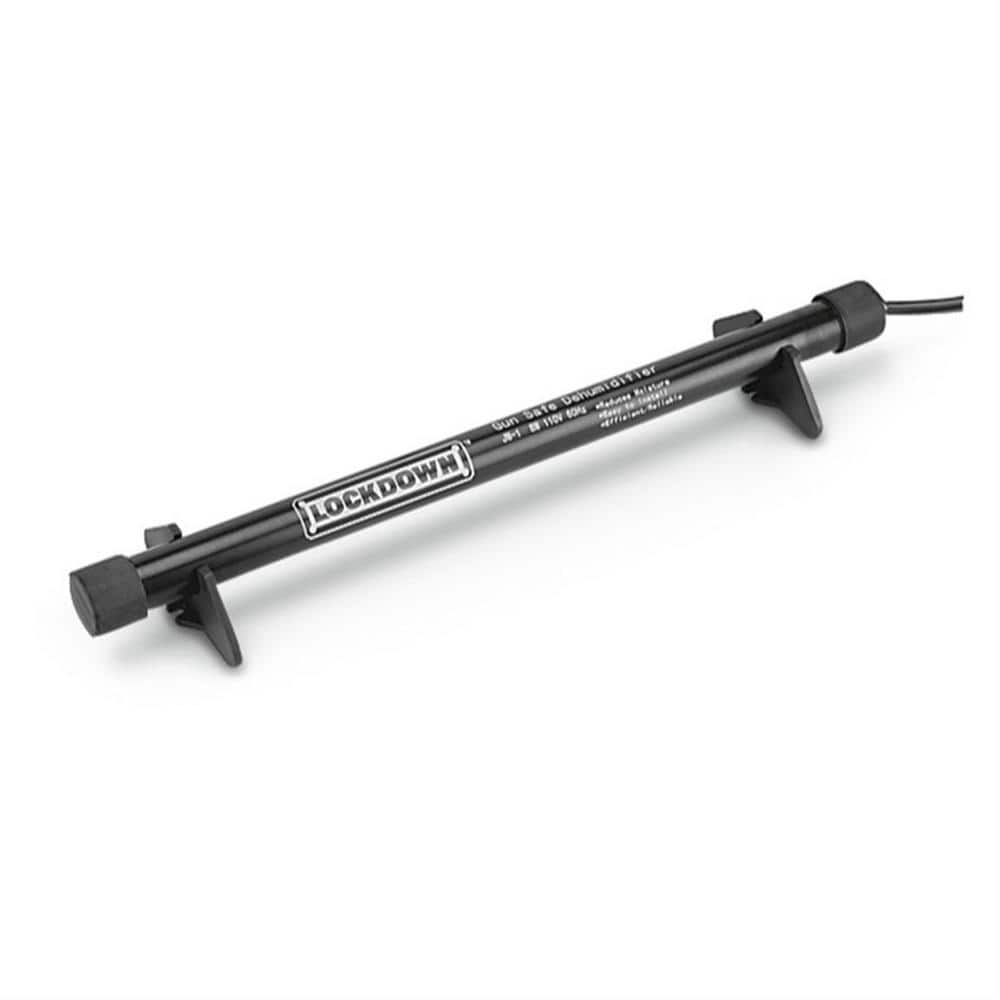
- Stabilize RH with HVAC or large dehumidifiers. Target 40% to 50% in storage rooms.
- Dry compressed air. Use a refrigerant dryer for general use. Use a desiccant dryer for critical tools and blasting lines.
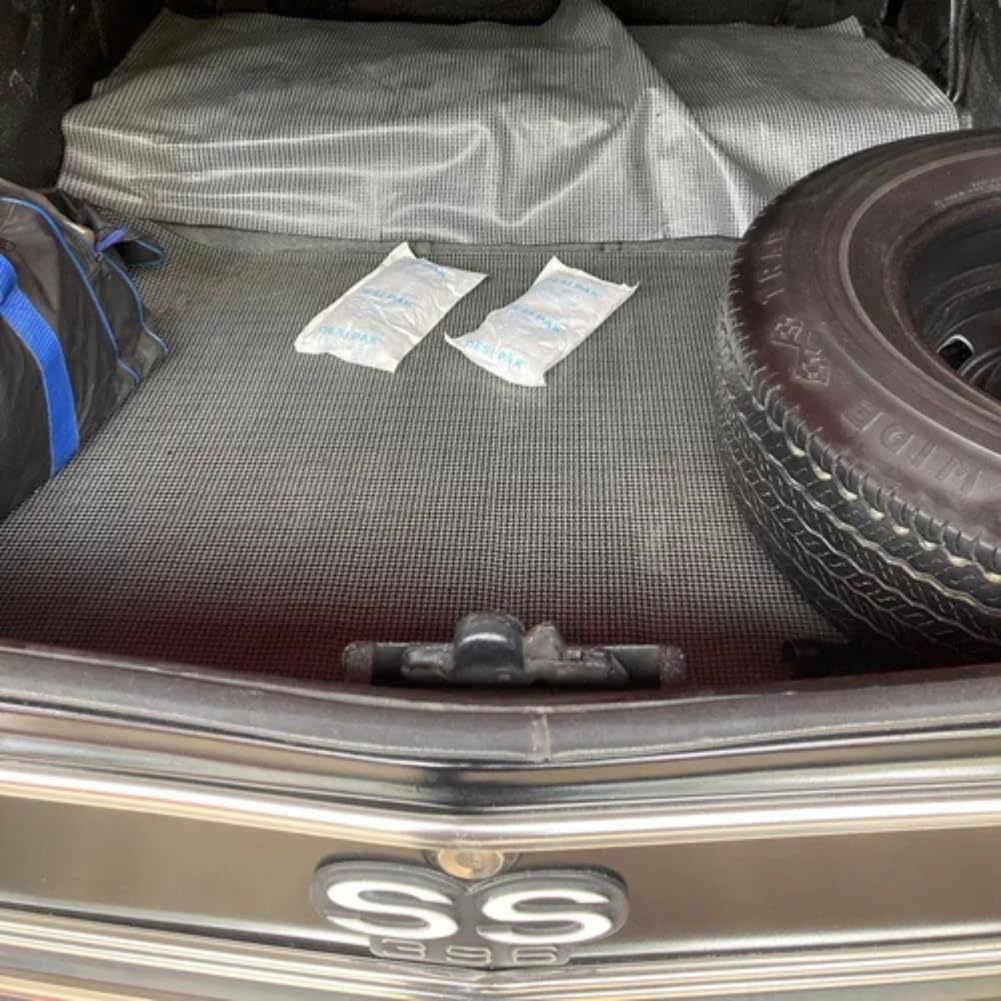
- Package smart. Use VCI (vapor corrosion inhibitor) paper, bags, or emitters in bins and crates.
- Add desiccants to sealed containers. Size the pack to the volume and replace on schedule.
- Control temperature swings. Use slow warm-up routines to avoid condensation on machines.
- Use rust preventives. Apply light oils, waxes, or water-displacing coatings on machines after cleaning.
- Audit moisture sources. Look for roof leaks, wet slabs, and process steam.
- Train teams. Make “wipe, oil, and cover” the last step before clock-out.
Evidence-based note:
- Industry data shows even small drops in RH cut corrosion claims. A 10% RH reduction can extend shelf life and reduce rework. That’s the quiet power of preventing rust with moisture control in busy operations.
Outdoor and vehicle protection
Outdoors is tough. Rain, dew, UV, and salt team up against you. Preventing rust with moisture control out there means quick drying, smart barriers, and good habits.
Do this often:
- Wash and dry. Rinse off salt, fertilizer dust, or road grime. Dry with air or a microfiber towel.
- Use protective films. Apply wax or sealant on cars and bikes. Use cavity wax for frames and seams.
- Undercoat wisely. Choose quality underbody coatings for vehicles in snow or salt regions.
- Choose breathable covers. Avoid plastic tarps that trap moisture. Use vented, water-resistant covers.
- Park on dry surfaces. Grass and soil add moisture. Concrete or gravel is better.
- Use better fasteners. Stainless or hot-dip galvanized hardware is worth it outdoors.
- Touch up chips. Paint and zinc-rich primers stop rust creep.
Marine note:
- Boats and trailers need a freshwater rinse after every trip. Replace anodes on schedule. That simple habit is core to preventing rust with moisture control in marine gear.

Materials and finishes that resist rust
Good materials can make moisture less of a threat. Think of this as choosing armor before the battle even starts.
Best choices:
- Stainless steel for many uses. 304 is general purpose. 316 is better near salt.
- Hot-dip galvanized steel. Great for outdoor structures and brackets.
- Powder-coated steel. Durable surface if edges and chips are maintained.
- Aluminum with anodizing. Strong and light, but avoid direct contact with wet treated wood.
- Zinc-rich primers. They add sacrificial protection under topcoats.
- Conversion coatings and ceramic coatings. Thin, hard barriers for parts and tools.
Keep it honest:
- No material is “set and forget.” Even stainless can tea-stain in salt air. Coatings need inspection. Preventing rust with moisture control still matters with premium materials.
Monitoring, testing, and maintenance routines
Great plans fail without follow-through. Make moisture control a simple routine. Small checks catch big problems early.
What to track:
- Humidity logs. Check RH morning and evening. Set alerts on smart sensors.
- Condensation hotspots. Look for fogged windows, sweating pipes, and damp corners.
- Surface condition. Wipe, oil, and cover after use. Keep a visible checklist near machines.
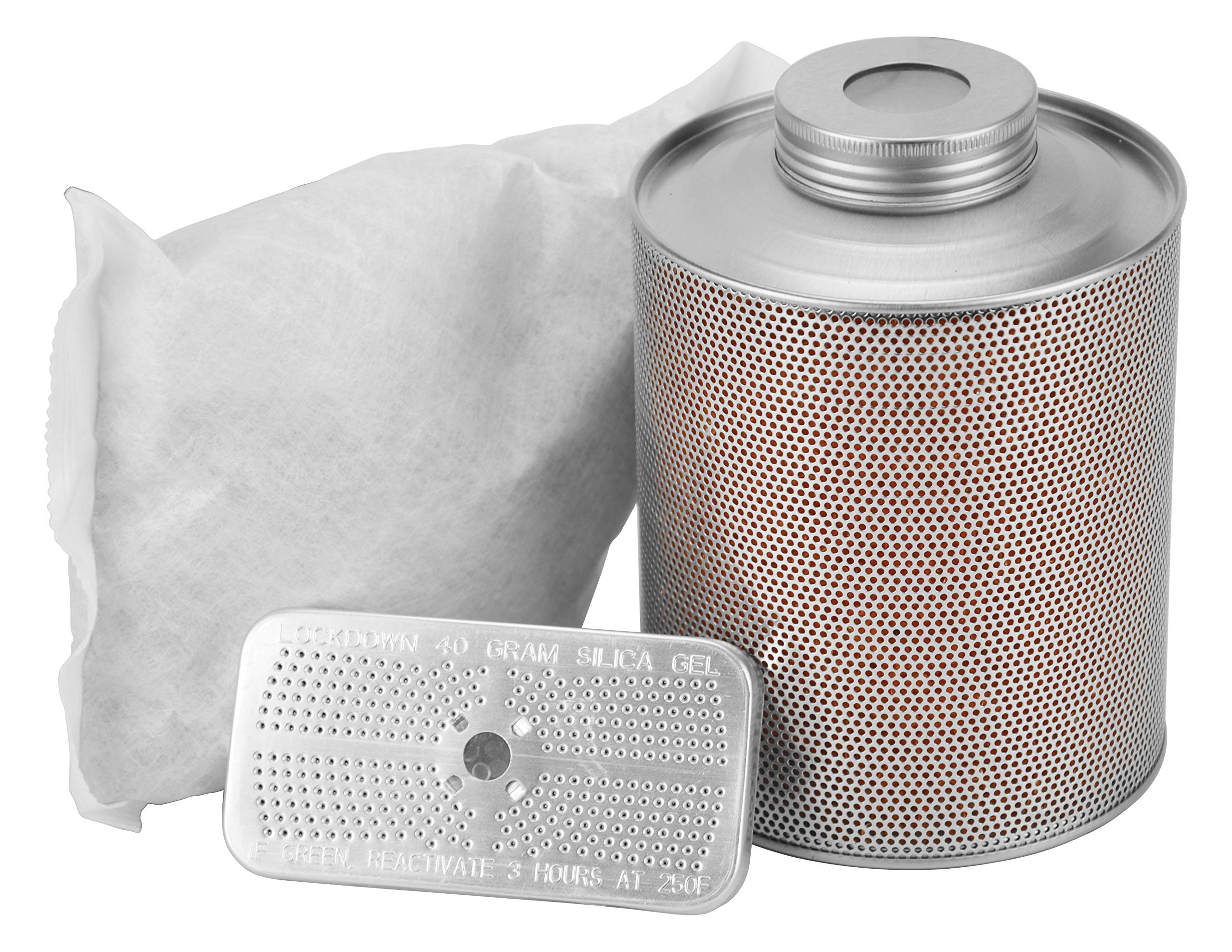
- Desiccant status. Date your packs with tape. Replace when indicators change color.
- Packaging audits. Check seals, VCI placement, and labels before storage or shipping.
- Cleaning schedule. Salt and dust build up fast. Set weekly wipe-downs.
Time-saver tip:
- I keep a small “rust kit” on a cart: microfiber towels, a light oil, VCI bags, a hygrometer, and fresh desiccant. It turns preventing rust with moisture control into a five-minute habit.
Cost, ROI, and peace of mind
Is this worth it? Yes. Rust is expensive and sneaky. A small investment pays off fast.
Simple math:
- A $200 dehumidifier and $50 in desiccants can save $1,000 in tools each year.
- A $20 hygrometer can prevent a $500 repaint job by catching high RH early.
- In shops, preventing rust with moisture control cuts rework, delays, and scrap. Time saved is money saved.
Human side:
- Less rust means fewer surprises and more trust in your gear. You get better results with less worry. That peace of mind matters.

Frequently Asked Questions of preventing rust with moisture control
What humidity level stops most rust?
Aim for 30% to 50% relative humidity. Corrosion rates rise quickly above 60%, so staying below that threshold is key to preventing rust with moisture control.
Do dehumidifiers really help in a garage?
Yes. A properly sized dehumidifier keeps RH in the safe zone and stops condensation. It is one of the fastest wins for preventing rust with moisture control.
Are desiccant packs enough on their own?
Desiccants help in sealed spaces like bins and toolboxes. In open rooms, pair them with airflow and dehumidifiers for stronger preventing rust with moisture control.
What oil should I use on tools?
Use a light machine oil, mineral oil, or a dedicated rust preventive. Apply a thin film after use to support preventing rust with moisture control.
How often should I replace desiccants?
Replace when the indicator changes color or on a set schedule. Frequent opening of containers means more moisture, so plan shorter cycles for preventing rust with moisture control.
Is a breathable cover better than plastic?
Yes. Breathable covers let trapped moisture escape, while plastic can trap water. This supports preventing rust with moisture control outdoors.
Does stainless steel rust?
It resists rust but is not rust-proof, especially in salt air. Regular cleaning still supports preventing rust with moisture control.
Conclusion
Rust thrives on moisture, so your best move is to manage humidity, block water, and protect surfaces. Start with a hygrometer, a dehumidifier, and a simple wipe-and-oil routine. That small system turns preventing rust with moisture control into an easy habit that saves money and stress.
Pick one area today—your toolbox, your car, or that damp corner—and put these steps to work. If you found this helpful, subscribe for more practical guides, ask a question, or share your own tips in the comments.