

Keep clothes dry by controlling humidity, airflow, and safe absorbents.
If you have ever opened a bin to find musty sweaters, you know the pain. I have spent years testing what works in closets, basements, and storage units. In this guide, I will break down moisture control for storing clothes with clear steps, real results, and simple checks you can do today. Stick with me, and you will master moisture control for storing clothes without guesswork.

Why moisture happens where we store clothes
Warm air holds more water. When it cools, moisture condenses on the nearest cold surface. That can be a wall, a lid, or your favorite leather jacket. This is why basements and garages are risk zones.
Clothes are hygroscopic. They pull water from the air. Cotton, wool, and silk can hold a lot of moisture. That feeds mold spores and bacteria. Odors follow fast.
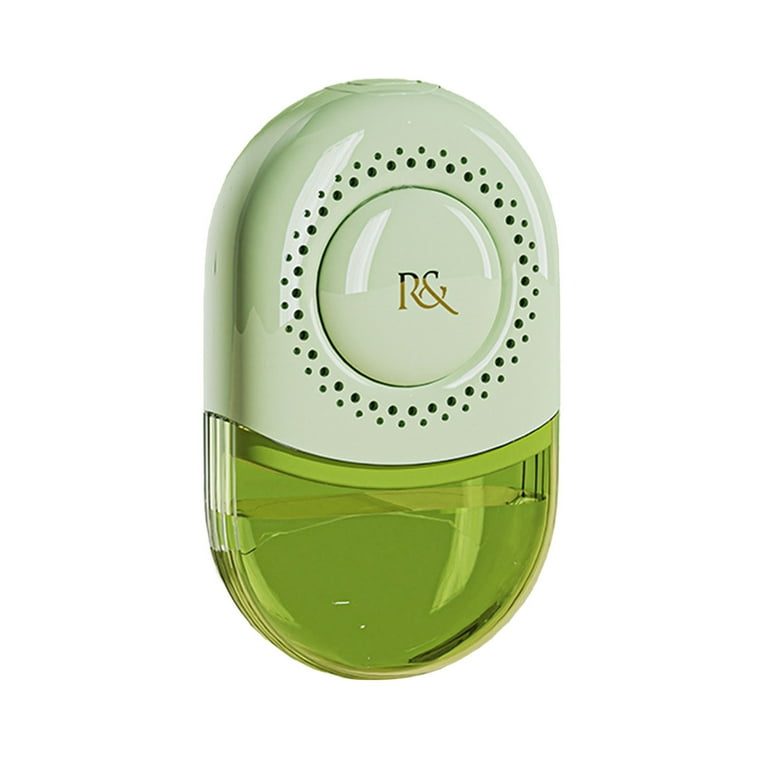
Aim for balance. Most experts place ideal indoor relative humidity between 30 and 50 percent. Keep air moving. Avoid big temperature swings. This is the heart of moisture control for storing clothes.
The ideal targets: humidity, temperature, airflow
Set clear targets. They make choices easy.
- Relative humidity: 30 to 50 percent in living spaces, 45 to 55 percent for long-term storage in cool rooms.
- Temperature: 60 to 70°F for most closets and storage rooms.
- Airflow: gentle, steady exchange. Avoid dead corners and overpacked shelves.
Use a digital hygrometer. Place it at clothes level, not on the floor. Check twice a day for a week. Adjust until you hit your targets. Use this routine as a baseline for moisture control for storing clothes.

Step-by-step moisture control plan for storing clothes
Follow this simple plan. It works in homes, apartments, and storage units.
-
Measure first
Put a hygrometer in the storage spot. Note humidity and temperature for three days. -
Fix the room
Seal leaks. Add weatherstripping around doors. Elevate bins off concrete floors. -
Dry every garment
Wash and fully dry. Air-dry heavy items overnight. Do not store even slightly damp clothes. -
Choose the right containers
Use breathable cotton bags for natural fibers. Use gasket bins for synthetics. Add desiccants. -
Add controlled drying
Use a dehumidifier or moisture absorber. Replace packs on schedule. -
Space and airflow
Leave a finger-width gap between items. Do not pack to the brim. -
Set a check-up schedule
Inspect monthly for smell, spots, or damp corners. Log readings. Adjust as needed.
This step-by-step approach anchors moisture control for storing clothes in daily habits.

Storage materials and containers that actually work
Pick materials that match the fabric and the space.
-
Breathable options
Cotton garment bags, muslin covers, and acid-free tissue keep airflow moderate. Best for wool, silk, and vintage. -
Airtight options
Gasket-sealed plastic bins block outside humidity. Good for polyester, nylon, and seasonal kids’ clothes. Avoid in damp rooms without desiccants. -
Avoid the wrong plastics
Cheap bins warp and trap condensation. Thin bags can sweat on cool floors. -
Smart add-ons
Cedar blocks deter odors and pests. Acid-free tissue helps absorb micro-moisture in folds.
In my vintage shop days, breathable bags saved a cashmere rack during a wet spring. We paired them with silica gel and a small fan. That mix is core to moisture control for storing clothes.
Desiccants and dehumidifiers: what to use and when
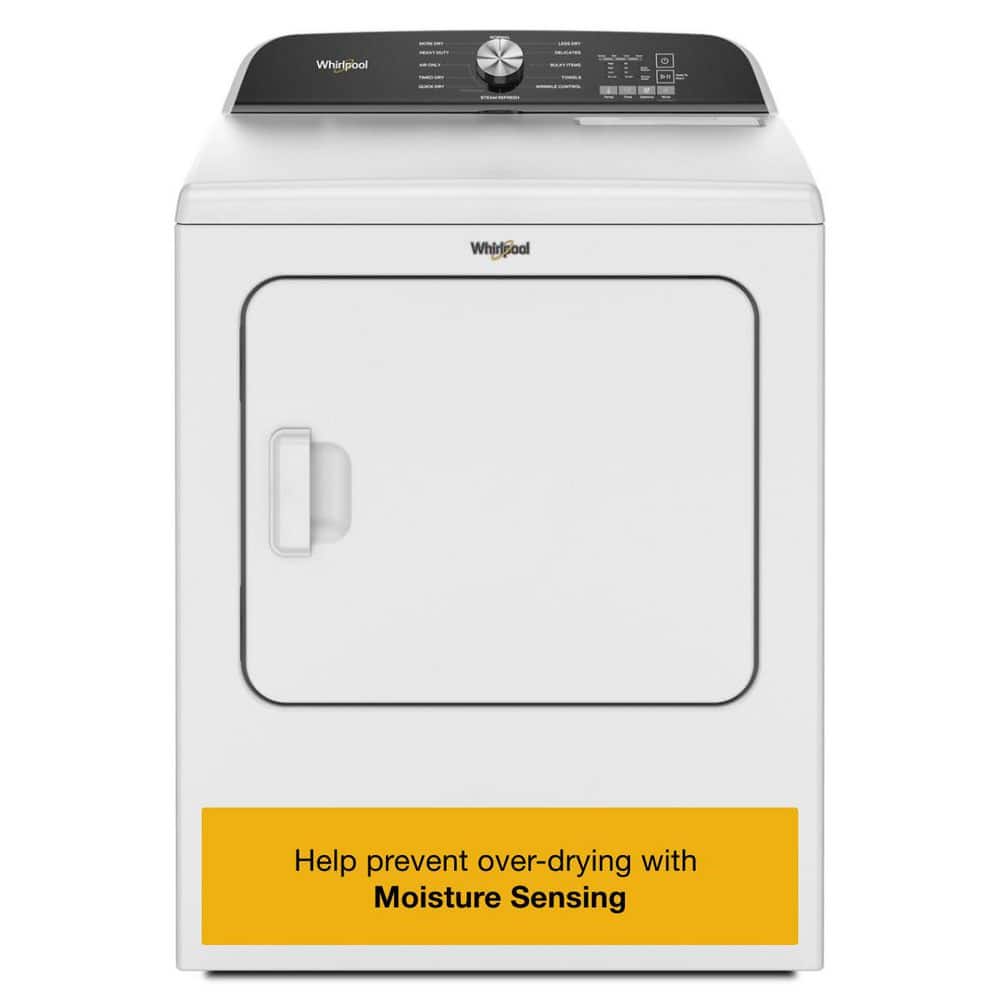
Desiccants absorb water. Dehumidifiers remove it from the air. Use both well and you win.
-
Silica gel
Reusable. Low mess. Ideal inside bins and garment bags. Recharge in an oven as directed. -
Calcium chloride absorbers
High capacity. Great for damp basements. Keep upright. Empty liquid safely. -
Rechargeable desiccant canisters
Good for closets. Change color indicators tell you when to recharge. -
Electric dehumidifiers
Compressor units work best in warm rooms. Desiccant-wheel units work better in cool rooms. Clean filters often.
Size your tools to the space. Too small, and you waste time. Too big, and you spend more than needed. Pick what fits your space for reliable moisture control for storing clothes.
Laundry prep that prevents mold and musty smells
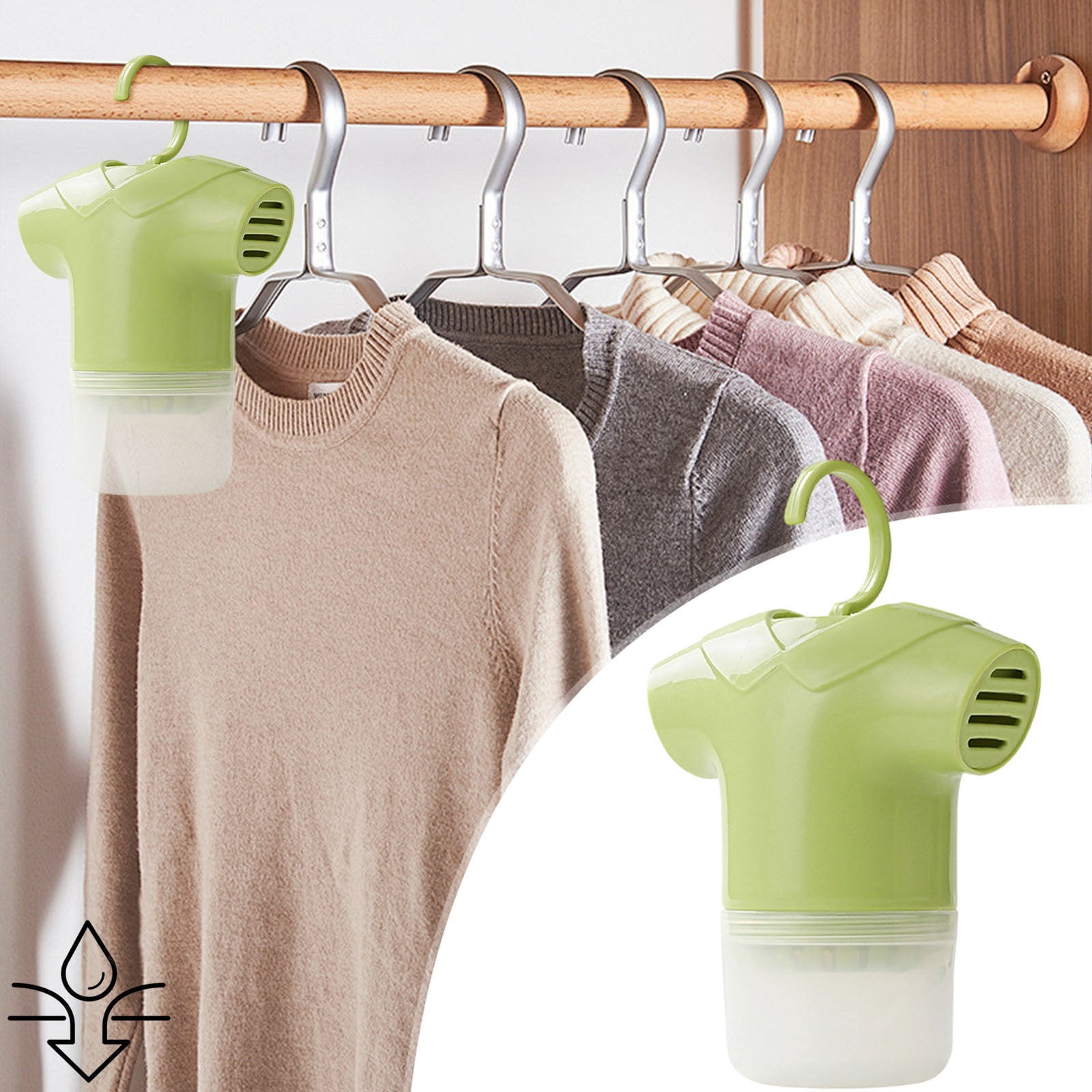
What you do before storage matters most.
-
Wash with an enzyme detergent
It removes body oils that feed odor. Rinse well. -
Dry longer than you think
Heavy denim and wool need extra time. Use a moisture meter if you are unsure. -
Pre-treat stains
Sugar, wine, and milk stains mold fast. Fix them now, not later. -
Cool down after drying
Let warm clothes cool to room temperature. Warm air holds more moisture. Avoid sealing warm garments.
This simple prep stops 80 percent of problems. It is a simple win in moisture control for storing clothes.
Closet, basement, attic, and storage unit tips
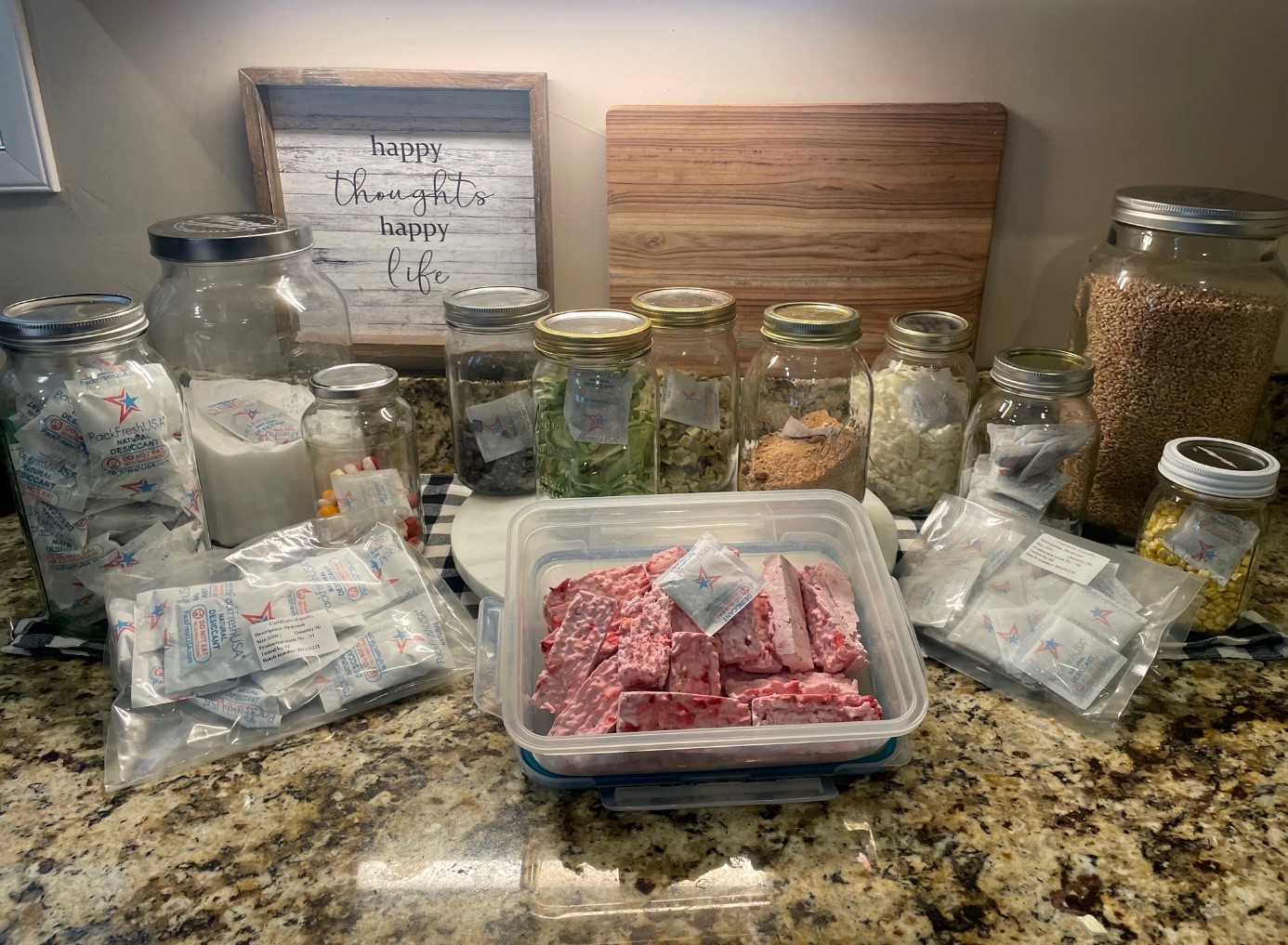
Every location has quirks. Adjust tactics to the space.
-
Closets
Do not pack tight. Use thin velvet hangers to save space without crushing. Add a low-watt fan on a timer for airflow. -
Basements
Never store directly on concrete. Use shelves or pallets. Run a dehumidifier and check drains. -
Attics and garages
Watch temperature swings. Use airtight bins with desiccants. Avoid natural fibers if the space gets very hot or cold. -
Storage units
Choose climate-controlled units. Elevate everything. Label bins so you can inspect fast.
These tweaks make moisture control for storing clothes more reliable in tricky spaces.

Seasonal and long-term storage strategies
Different timelines need different tactics.
-
Short-term storage
Use breathable covers for wool and suits. Keep air moving. Rotate items monthly. -
Long-term storage
For synthetics, airtight bins plus silica gel work well. For natural fibers, use breathable bags, cedar, and tissue. -
Vacuum sealing
Good for down comforters and synthetics. Avoid vacuum sealing leather, silk, and wool for long periods.
With smart rotation and the right materials, seasonal change will not break your moisture control for storing clothes plan.
Monitoring and maintenance made easy
Small habits keep damage away.
-
Use a hygrometer with memory
Check daily highs and lows. Look for spikes after weather changes. -
Create a simple checklist
Smell test, spot check, feel for damp corners, inspect desiccants. Five minutes each month. -
Log and adjust
If humidity creeps up, add another desiccant or increase airflow. If it drops too low, fabrics may get brittle. Aim for balance.
A five-minute monthly routine sustains moisture control for storing clothes all year.
Common mistakes to avoid
Avoid these traps. They cause most damage I see.
-
Storing even slightly damp clothes
One damp item can mold an entire bin. -
Overpacking bins
No airflow means trapped moisture. -
Using scented sprays instead of drying
These mask odors. They do not remove moisture. -
Storing on concrete floors
Concrete wicks moisture. Always elevate. -
Trusting rice or newspaper alone
They help a little, but they are weak desiccants.
Dodging these mistakes protects your moisture control for storing clothes plan from easy failures.
Eco-friendly and budget options that still work
You can protect clothes without breaking the bank.
-
Sun and breeze
Air out clothes on a dry, breezy day. UV and airflow reduce surface microbes. -
Reusable silica gel
Buy larger canisters. Recharge instead of tossing. -
Smart placement
Move bins to interior walls. These are warmer and less prone to condensation. -
Simple seals
Weatherstrip doors. Use door sweeps. Small gaps leak big moisture.
Practical tweaks like these lower costs and support moisture control for storing clothes.
Troubleshooting: if you already smell must or see spots
Act fast. The first 24 to 48 hours matter.
-
Isolate and assess
Move affected items to fresh air. Brush off dry mold outdoors while wearing a mask. -
Clean by fabric
Wash cotton and linen hot if safe. For wool and silk, use a gentle cleaner or a pro cleaner. -
Treat the space
Run a dehumidifier. Wipe hard surfaces with a mild disinfectant following label directions. Dry fully. -
Replace desiccants and recheck
Old packs may be saturated. Reset the space and measure again.
This rescue plan helps you regain control and strengthen moisture control for storing clothes going forward.
Frequently Asked Questions of moisture control for storing clothes
What humidity level prevents mold on clothes?
Keep relative humidity between 30 and 50 percent. Mold slows down fast in this range, and fabrics feel fresh.
Are airtight bins safe for all clothes?
They are great for synthetics and bedding. For wool, silk, and leather, use breathable covers and add desiccants.
How often should I replace desiccants?
Check indicators monthly. Replace or recharge when they change color or after major weather swings.
Can I vacuum-seal winter coats?
You can for synthetic puffer coats and down comforters. Avoid vacuum sealing leather or wool for long periods.
Do cedar blocks actually help?
Yes, they help with odor and some pests. They do not replace drying or humidity control, so use them as a support.
Will a small dehumidifier be enough for a closet?
Often yes, if the closet is sealed and the unit is sized right. Check with a hygrometer to confirm performance.
Conclusion
Clothes stay safe when you control three things: humidity, airflow, and materials. Measure first, dry every item, choose the right containers, and maintain a simple monthly check. These small habits give you clean, long-lasting fabrics and peace of mind.
Start today. Place a hygrometer where you store clothes and note the number. Build your plan from there and master moisture control for storing clothes one step at a time. Want more tips? Subscribe for updates, ask a question, or share your setup in the comments.