

Lower indoor humidity, boost ventilation, and warm window glass to stop fogging.
Foggy windows are a hassle, and they can hint at bigger moisture problems. In this guide, I’ll show you how to stop windows from fogging up in homes and cars with simple steps and proven fixes. You’ll learn what causes the fog, what works fast, and which upgrades last. I’ve tested these methods for years, so you’ll get clear advice you can trust. Stick with me, and you’ll know exactly how to stop windows from fogging up in any season.
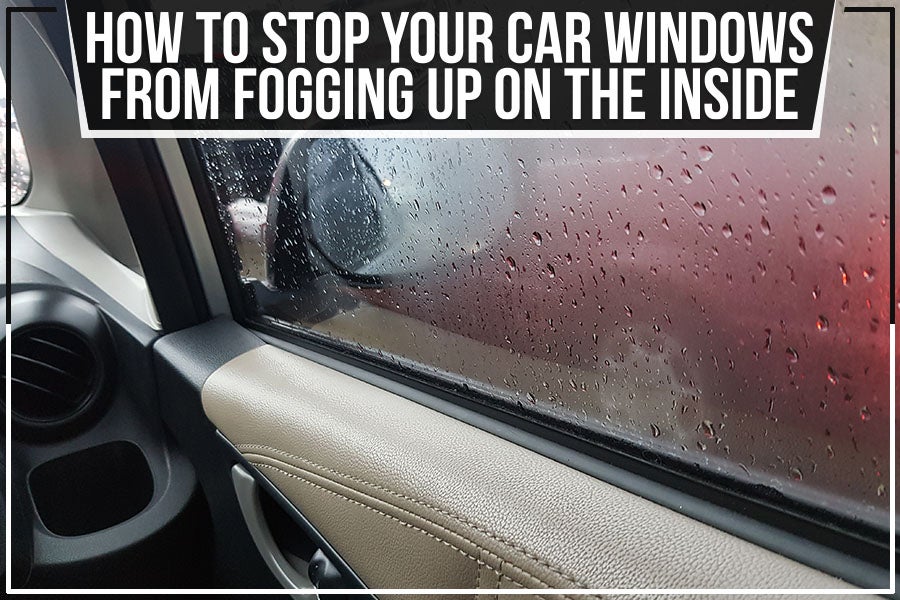
What causes window fog in homes and cars
Window fog is condensation. Warm, moist air touches cold glass. The air cools to its dew point. Water drops form on the glass.
At home, this happens a lot in winter. We cook, shower, and breathe. Moisture builds up inside. The glass is colder than the room air, so it sweats.
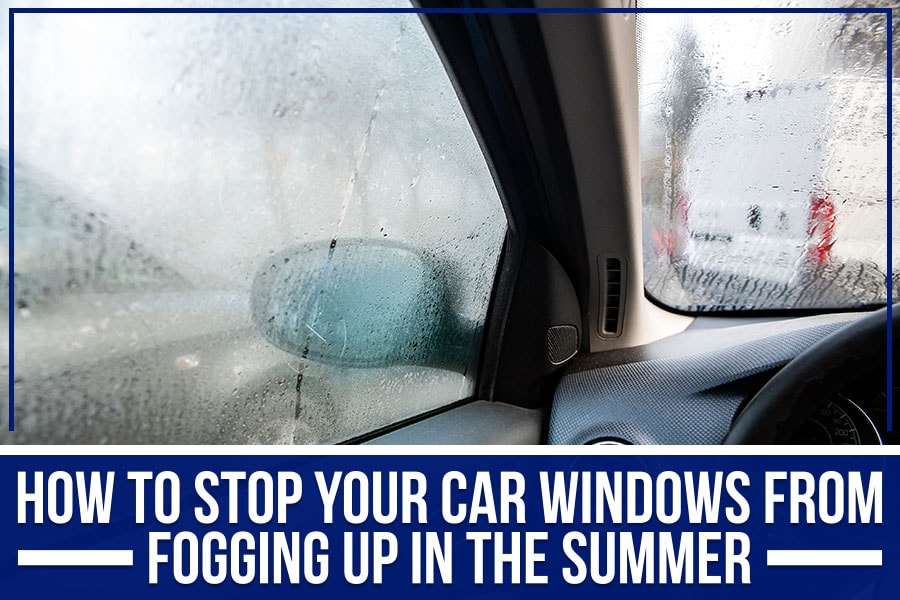
In cars, fog pops up fast. Wet shoes and coats add moisture. The cabin air hits a cold windshield. The result is haze and drops.
The fix is simple at its core. Lower moisture. Move air. Warm the glass. These three moves are the heart of how to stop windows from fogging up.
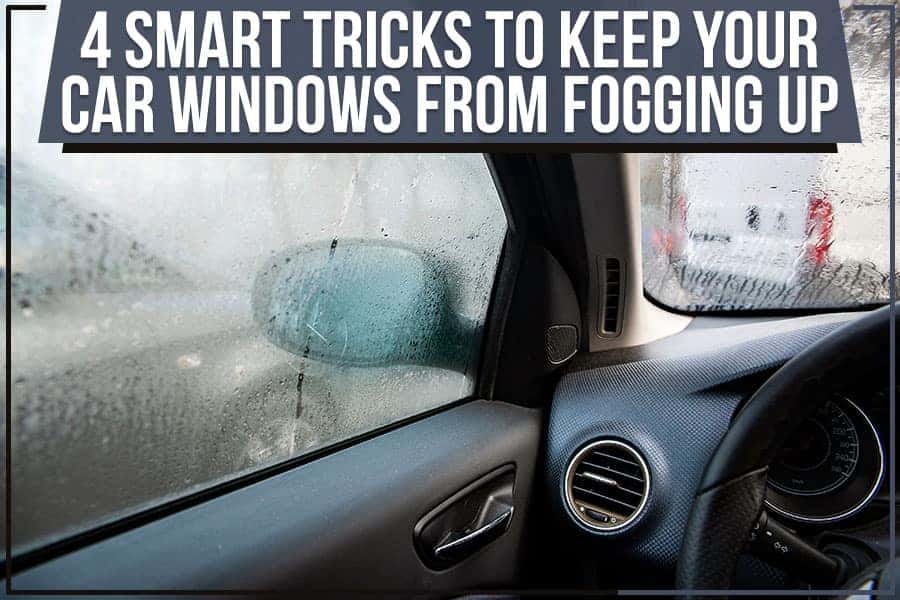
How to stop windows from fogging up at home: step-by-step
Use this simple plan. It works in any home.
-
Measure indoor humidity
- Get a small hygrometer for each floor.
- Aim for 30% to 50% relative humidity.
- In cold snaps, 30% to 40% is safer for glass.
-
Vent steam at the source
- Run bath fans during and 20 minutes after showers.
- Use a range hood that vents outside when you cook.
- Keep lids on pots to cut steam.
-
Add fresh air
- Open windows a crack for five minutes after steamy tasks.
- Cross-ventilate with two windows if safe to do so.
- Use a box fan in a window to push damp air out.
-
Dehumidify when needed
- Use a portable dehumidifier in damp rooms or basements.
- Set it to 45%.
- Empty the tank or run a drain hose.
-
Warm the glass
- Open blinds and drapes to let warm air hit the glass.
- Redirect floor vents toward windows.
- Add window insulation film in winter to raise surface temp.
-
Seal air leaks
- Check for drafts around frames and sashes.
- Add weatherstripping to stops and meeting rails.
- Caulk gaps between trim and wall.
-
Manage indoor moisture sources
- Dry clothes outside or vent the dryer outdoors.
- Store firewood outside or in a garage.
- Run a whole-home fan only when outdoor air is drier.
This is the core of how to stop windows from fogging up. Keep your indoor humidity in range, and the glass will stay clear.
Personal note: I used to wake to fogged bedroom windows every winter. A $12 hygrometer showed 60% RH at night. I cracked the window, ran the bath fan after showers, and sealed a draft. RH dropped to 38%. The fog vanished the next week.
Car tips: how to stop windows from fogging up while driving
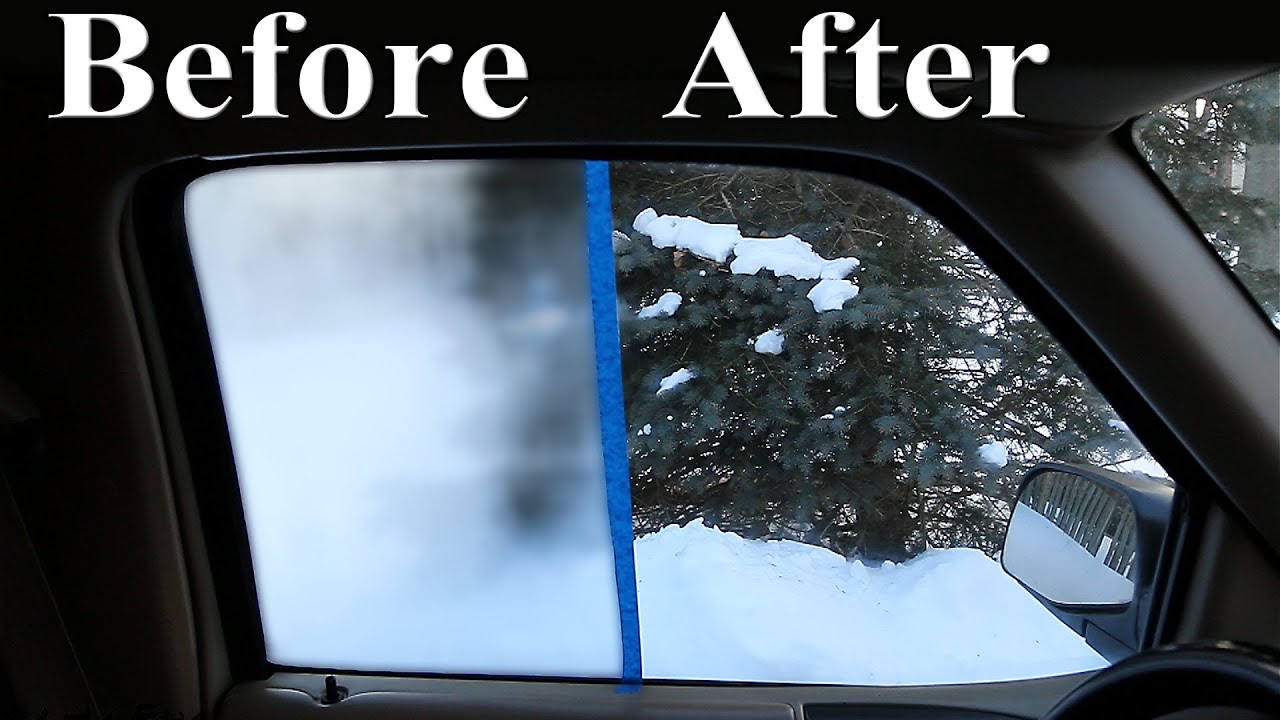
You can clear a foggy windshield in under a minute.
Do this:
- Turn on the defroster with the fan on high.
- Set temperature to warm, not hot at first.
- Turn on AC to dry the air. Most cars allow AC with heat.
- Use outside air, not recirculate, unless it’s very humid outside.
- Crack a window if moisture is heavy.
Extra helpers:
- Keep cabin air filter clean.
- Dry wet mats and boots.
- Wipe the inside glass with a clean microfiber.
- Use an anti-fog treatment on the inside glass.
This routine is how to stop windows from fogging up when you drive. I keep a small towel in my door pocket for quick wipes. That saved me on many rainy mornings.
Long-term upgrades that prevent fogging
If fog keeps coming back, upgrades pay off.
Better windows
- Double- or triple-pane windows keep the inner glass warm.
- Low-E coatings reduce heat loss.
- Proper spacers and gas fill help with condensation control.
Ventilation systems
- A balanced system like an HRV or ERV swaps stale air for fresh.
- It keeps humidity steady and clean.
- It runs quiet and uses little power.
Insulation and air sealing
- Insulate rim joists, attics, and walls.
- Seal big leaks first: attic hatches, plumbing holes, and ducts.
- Warmer surfaces mean less chance of condensation.
Smart controls
- Use a humidistat on bath fans.
- Program fans to run when RH rises.
- Add smart sensors in damp rooms.
These upgrades are the gold standard for how to stop windows from fogging up for good.
Quick fixes, cleaning, and myths to avoid
Fast fixes
- Squeegee or wipe moisture in the morning.
- Run a fan in rooms with plants or aquariums.
- Use silica gel packs on window sills in problem areas.
Cleaning matters
- Clean inside glass with alcohol or a glass cleaner.
- A clean surface beads less and dries faster.
- Rinse a microfiber often to avoid streaks.
Avoid these myths
- Cat litter on sills helps a little but is messy and weak.
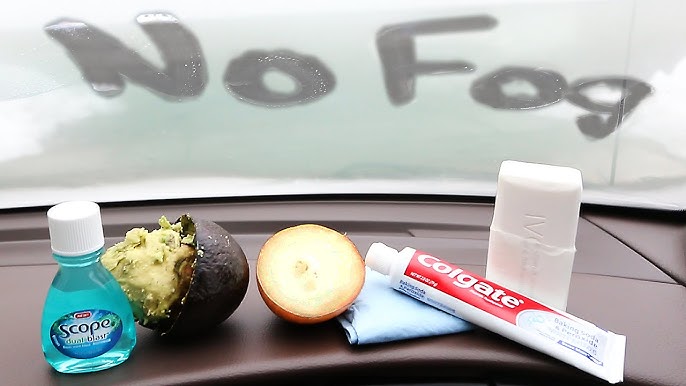
- Salt or shaving cream can harm glass or trim.
- Boiling water to “clear air” only raises humidity.
For a short-term boost, an anti-fog spray can help. But it is not the core of how to stop windows from fogging up. Moisture control is.
Troubleshooting: fog between panes and special cases
Fog inside the window unit means a failed seal. The desiccant in the spacer is spent. Moist air entered the cavity. Cleaning the inside surface is not possible without repair.
Your options:
- Check warranty for insulated glass replacement.
- Replace the sash or the IGU panel.
- Consider new windows if many units have failed.
Special cases:
- Basement windows often fog due to cool walls. Use a dehumidifier and fix grading or leaks.
- Humid climates need more AC use to dry indoor air.
- Very tight homes need balanced ventilation to avoid stale, damp air.
If you still ask how to stop windows from fogging up after these steps, measure RH again. Data guides the next move.

Maintenance checklist you can do each season
Spring
- Clean window tracks and weeps so water can drain.
- Wash glass and frames to remove films.
- Check weatherstripping and replace worn parts.
Summer
- Use AC dry mode if your unit has it.
- Vent the dryer outdoors and clean the duct.
- Watch RH during storms and run a dehumidifier as needed.
Fall
- Install window insulation film where needed.
- Test bath and kitchen fans. They should hold up tissue.
- Seal gaps with caulk before the first freeze.
Winter
- Keep blinds open during the day to warm glass.
- Use bath fans after every shower.
- Keep indoor RH near 35% during cold waves.
These routines are a simple way for how to stop windows from fogging up all year.

Frequently Asked Questions of how to stop windows from fogging up
Why do my windows fog more in winter?
Cold outdoor air makes the glass cold. Warm indoor air hits it and condenses. Lower indoor humidity and warm the glass to stop it.
What indoor humidity should I aim for?
Keep it between 30% and 50%. In very cold weather, aim for 30% to 40% to protect windows and trim.
Do houseplants cause window fog?
Many plants raise indoor humidity. Group them in one room and add airflow to cut moisture near glass.
Will new windows stop condensation?
Better windows help a lot. The inside pane stays warmer, which cuts fog, but humidity control still matters.
Is vinegar or shaving cream safe for anti-fog?
Vinegar is fine for cleaning but not a lasting anti-fog. Shaving cream can leave residue and harm some finishes.
Why does my car fog up fast in the rain?
Wet clothes and mats release moisture into the cabin. Use defrost with AC on, outside air, and crack a window.
How can I tell if my window seal failed?
You will see moisture or haze between panes that you cannot wipe. That means the insulated glass unit needs repair or replacement.
Conclusion
Window fog is not a mystery. It is a simple dance between moisture, airflow, and surface temperature. Control those three, and your glass stays clear.
Start small today. Measure humidity. Run your fans. Seal a draft. If needed, add a dehumidifier or window film. These steps are how to stop windows from fogging up in a real, lasting way.
Ready for clear views? Try one tip now, then share your results. Subscribe for more practical home fixes, or leave a comment with your foggiest window story.