

Keep indoor humidity near 45%, fix leaks, ventilate, and use smart dehumidification.
If summer air makes your rooms feel sticky, you are not alone. I help homeowners plan moisture control in summer every year, and the pattern is clear. Warm air holds more water. That water sneaks into walls, floors, and ducts. With the right plan, you can stop it, save energy, and breathe easier.

Why summer makes homes damp
Warm air can carry more water vapor than cool air. When hot, humid air hits a cool surface, water condenses. That shows up on windows, pipes, and even inside walls. Air leaks, poor drainage, and oversized AC units make it worse.
Cities near water or with heavy rain see bigger swings. But even dry regions have monsoon weeks. That is why moisture control in summer must fit your local climate and your home.
A short rule helps. Keep indoor relative humidity between 40% and 55% in hot months. That range helps comfort, health, and your house. It is the base for smart moisture control in summer.
Signs your home has a moisture problem
Watch for these common clues:
- Condensation on windows, ducts, or cold pipes. That points to high humidity or cold surfaces.
- Musty smells in closets, basements, or crawl spaces. That hints at mold growth.
- Peeling paint, bubbling drywall, or swollen doors. That means moisture is inside materials.
- Allergies get worse in July and August. Dust mites and mold love damp air.
- AC runs but rooms still feel clammy. That may be poor dehumidification.
When I see three or more of these, I push a full plan for moisture control in summer. Small fixes may not be enough.

Why moisture control matters
Health comes first. High humidity can feed mold and dust mites. That can trigger asthma and sinus trouble. Studies link damp homes to cough and wheeze.
Comfort is next. Air at 78°F and 50% RH feels much better than 72°F and 70% RH. You can raise the thermostat and still feel cool. That means lower bills.
Your house needs care too. Moisture can rot wood, rust metal, and break down insulation. It can warp floors and stain ceilings. Good moisture control in summer protects your biggest asset.
Targets and tools: measure, then manage
You cannot fix what you do not measure. Use a hygrometer in key rooms. I like one in the main living area, one in the main bedroom, and one in the basement.
- Aim for 40% to 55% RH in summer. Try not to drop below 35% or rise above 60%.
- Check daily for a week to learn trends. Note cooking, showers, and laundry times.
- Place sensors away from windows and vents. You want a true room average.
A cheap meter helps you tune moisture control in summer. It guides your next steps and confirms results.

Moisture control in summer: a whole-home plan
Think in layers. Stop water at the source. Vent what you must. Dry what is left. Then manage temperature to help the process.
Ventilation that helps, not hurts
- Use bath fans during and 20 minutes after showers.
- Use a range hood when you cook and boil water.
- In very humid climates, avoid bringing in lots of outdoor air mid-day. Vent, but do it in short, focused bursts.
Air sealing and insulation
- Seal gaps around attic hatches, plumbing, and wires. Fewer leaks mean less humid air inside.
- Insulate cold water lines to stop condensation.
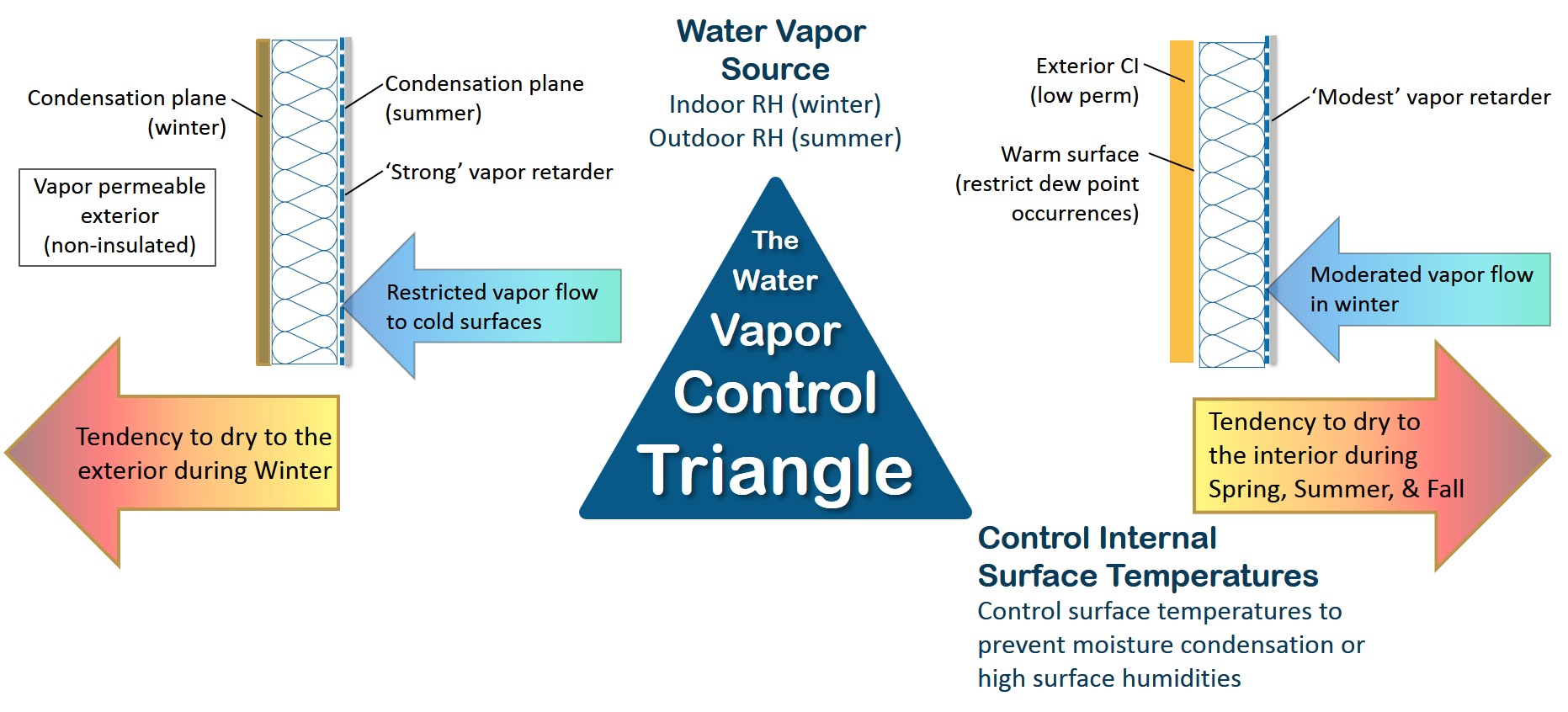
- Add vapor-smart insulation where needed. It lets walls dry to the safe side.
Cooling and dehumidification
- Set AC to auto fan, not on. Long fan-on cycles can re-evaporate water on coils.
- If your AC short cycles, it may be oversized. An AC that runs longer can remove more moisture.
- Add a whole-home or stand-alone dehumidifier. Target 45% to 50% RH. Drain it to a sink or condensate pump.
Source control and habits
- Dry clothes outside exhaust, not indoors.
- Cover aquariums and turn off any indoor fountains.
- Keep lids on pots and use that range hood.
- Fix leaks fast. Even small drips add up.
Layer these steps for strong moisture control in summer. The stack beats one big change done alone.
Room-by-room fixes
Every space has its own pattern. Tackle rooms with the biggest load first.
Basement and crawl spaces
- Add a vapor barrier on soil in crawl spaces.
- Seal rim joists and penetrations.
- Run a dehumidifier to 50% RH. Keep doors open for air flow.
Bathrooms and laundry
- High CFM bath fans with timers are key.
- Squeegee shower walls. It cuts room moisture a lot.
- Vent the dryer outside and check the duct is clean.
Kitchen
- Use a vented range hood on medium or high.
- Boil with lids on. Run the hood for five minutes after.
- Fix any sink or dishwasher leaks at once.
Bedrooms and closets
- Do not push beds tight to cold outside walls.
- Use breathable bins, not sealed plastic, in damp areas.
- Keep closet doors slightly open to avoid musty air.
These simple steps raise the bar for moisture control in summer. They are cheap and fast to do.

Smart gear and tech
Modern tools make it easier to stay on target.
- Smart hygrometers send alerts when RH rises.
- AC with variable speed can wring more moisture from air.
- Whole-home dehumidifiers tie into ducts for even drying.
- ERV/HRV units balance fresh air with less humidity cost in some climates.
- Auto dampers and timers help avoid over-venting.
I like pairing smart plugs with dehumidifiers. I set them to hold 48% RH. That gives tight moisture control in summer with low effort.
Outdoor and envelope upgrades
Moisture often starts outside. Stop it there first.
- Grade soil to slope away from the house.
- Extend downspouts at least 6 feet.
- Clean gutters so they do not spill at the fascia.
- Add flashing where water can sneak in.
- Check foundation for cracks and seal them.
In hot-humid zones, pick wall systems that dry outward. In mixed climates, use vapor-smart layers. Good design gives passive moisture control in summer for decades.
DIY vs pro: when to get help
Do it yourself for low-risk tasks. Use fans, fix small leaks, and run a dehumidifier. Seal easy gaps with foam and caulk.
Call a pro when you see mold over 10 square feet. Call if walls feel damp, or wood is soft. Get an HVAC pro if your AC is short cycling or ducts sweat. A home energy audit can test for leaks and give a full plan.
Pros can right-size equipment. They can add fresh air the correct way. That supports safe moisture control in summer without guesswork.
Simple checklist for summer
Run this quick list each week:
- Check indoor RH. Keep it near 45% to 50%.
- Empty or drain the dehumidifier. Clean the filter.
- Use bath and kitchen fans when you add moisture.
- Look for new leaks after storms.
- Wipe any window or pipe condensation right away.
Do this and you will keep moisture control in summer on track.
Mistakes to avoid
- Oversizing the AC. It cools fast but does not dry the air.
- Running the HVAC fan on all the time. It can add humidity back.
- Venting the dryer inside. That floods rooms with moisture.
- Blocking returns with furniture. Air cannot move and dry well.
- Ignoring the basement or crawl space. Damp below means damp above.
Skip these traps to lock in moisture control in summer results.
Frequently Asked Questions of moisture control in summer
What indoor humidity should I aim for in summer?
Target 40% to 55% relative humidity. Many homes feel best around 45% to 50%.
Does a dehumidifier replace air conditioning?
No. AC cools and can remove some moisture. A dehumidifier adds steady drying control without overcooling.
Why do my ducts sweat in July?
Warm, humid air hits cold metal and condenses. Insulate ducts and seal leaks to stop the sweat.
Is it okay to open windows at night?
Yes, if outdoor air is cooler and drier than indoors. Check humidity first so you do not add moisture.
How do I tell if my AC is oversized?
Rooms cool fast but feel clammy. Short run times and high humidity are common clues.
Can houseplants raise humidity too much?
Many plants can add some moisture. Group them and watch RH; move them outdoors if levels rise.
Will running fans lower humidity?
Fans move air but do not remove water. Use them with ventilation or a dehumidifier to help drying.
Conclusion
Moisture is simple to beat when you measure, plan, and act. Set clear targets, seal leaks, vent at the source, and dehumidify what remains. With small weekly habits, you can protect health, save energy, and guard your home.
Start today. Pick one tip and make it stick. Then add the next. If you want more guides on moisture control in summer and smart home comfort, subscribe and share your questions in the comments.